Christa Pike, 50, convicted of murder three decades ago, survived two lethal injections administered Wednesday in Tennessee. State corrections officials said they followed protocol, but Pike remained conscious—witnesses reported her snoring—and was transferred to hospital. It marks Tennessee's second failed execution this year after Tony Carruthers in May.
From the center: Tennessee faces a genuine procedural crisis: two failed executions in one year signals a systemic problem that demands investigation. Governor Lee's decision to halt executions and commission a third-party review is the right response—not reflexive, not emotional, but practical. The state has both a duty to carry out lawful sentences and an obligation to do so humanely and competently. Whether that means fixing the process or reconsidering the method itself should depend on what the independent review actually finds.
Iran said it received a U.S. response to its ceasefire proposal, which included seven conditions for ending hostilities and reopening the Strait of Hormuz. The response was delivered via Qatari mediators in Doha on September 30. Iranian Foreign Minister Abbas Araqchi was expected to discuss the U.S. feedback in Tehran on Wednesday.
From the center: After weeks of Qatari-mediated talks, the U.S. has formally responded to Iran's ceasefire proposal, but the discussions are gridlocked over procedural questions—chiefly the sequencing of sanctions relief and Iranian concessions. Neither the U.S. nor Iran has moved significantly from its opening position. Trump's public denial of sanctions-relief offers may reflect negotiating posture or genuine policy, but it has muddied the diplomatic waters. The talks remain technically alive, though both sides are preparing for the possibility that military conflict could resume.
No ads, no paywall
Prism is free to read and carries no advertising. Reader support pays for the news gathering. Support it if it’s useful to you.
King Mohammed VI of Morocco appointed Fatima Zahra Mansouri as prime minister on September 30, 2026, making her the country's first female prime minister and only the second woman to hold that office in the Arab world. Mansouri's center-right party won parliamentary elections the previous week. She previously served as mayor of Marrakesh and as a member of parliament.
From the center: Morocco has appointed its first female prime minister following democratic parliamentary elections, a procedural step forward for the country. Mansouri's appointment is noteworthy both regionally and for Morocco itself, though the practical significance will depend on her government's actual policies and her ability to govern effectively. The appointment reflects contemporary expectations for gender representation in leadership while occurring within Morocco's existing constitutional and monarchical framework.
US-led coalition forces completed their withdrawal from Iraq on Wednesday, ending a military presence that began in 2014. The coalition had deployed to fight Islamic State, which was defeated in Iraq in 2017 and in Syria by 2019. The departure marks the second full US military withdrawal from Iraq.
From the center: The coalition successfully degraded and defeated ISIS as a territorial force, but the conditions that produced such an organization persist. A full withdrawal made sense eventually, but the timing and manner matter enormously. The risks are real: Iranian influence, militia activity, and potential ISIS resurgence all require serious attention. Neither pure military presence nor pure withdrawal solves Iraq's underlying governance and sectarian challenges. A balanced approach—maintaining some advisory capacity, building Iraqi institutional strength, and coordinating with regional powers—would be more prudent than a complete exit.
President Trump announced that major AI companies have signed a voluntary, non-legally-binding accord on self-regulation. Trump also signed an executive order rebranding artificial intelligence as "Super Intelligence" or "SI" across federal agencies.
From the center: This accord represents a pragmatic middle ground between the tech industry's preference for light-touch regulation and those demanding heavy-handed government control. The voluntary nature allows innovation to proceed while establishing baseline safety practices; the inclusion of independent audits and board oversight provides some accountability without the rigidity of prescriptive rules. However, the non-binding nature is a weakness—companies could abandon it if circumstances change. A workable approach would be to make compliance voluntary now while preparing legal frameworks if the industry fails to meet its commitments.
A woman identified as Jane Doe alleges she was gang-raped by seven fraternity members at Cornell University in 2024. Cornell stands accused of failing to protect her. New York Gov. Kathy Hochul called for an independent investigation into the university's response. U.S. prosecutors have reopened the case following newly released details and public outcry.
From the center: The reopening of this case reflects tension between institutional autonomy and public accountability. Universities should investigate allegations thoroughly and work with law enforcement, but questions about what Cornell actually did versus what the allegations claim remain disputed. An independent review makes sense to establish the facts objectively, separate from both institutional defensiveness and presumed guilt based on media coverage. Due process matters alongside institutional responsibility.
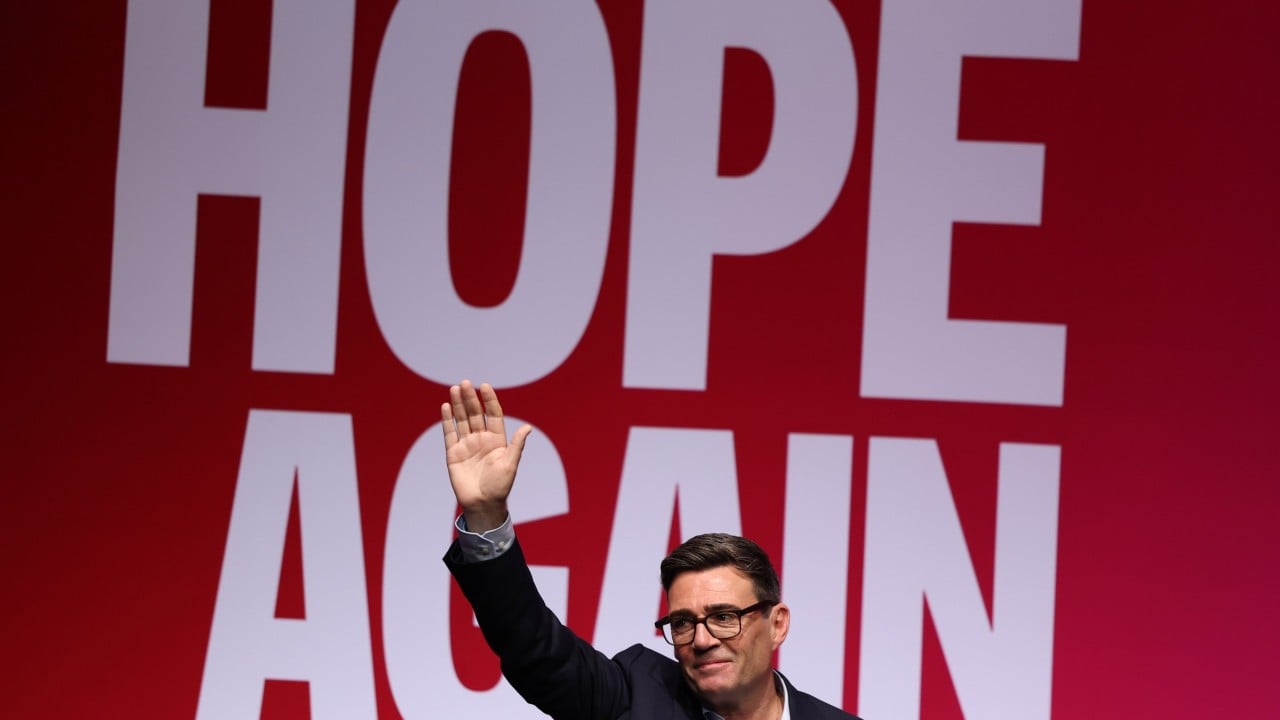
Prime Minister Andy Burnham delivered a conference speech on 29 September 2026 in which he announced plans to modify the state pension triple lock, reform the electoral system, repeal a public water ownership ban, and seek closer ties with the European Union. Burnham framed these as part of a broader plan to give Britain "a new social contract for the 21st century".
From the center: Burnham is attempting something genuinely difficult: a sweeping reform agenda while acknowledging real economic constraints. The triple lock change and electoral reform are serious ideas that any serious government eventually faces. But there's a tension here between his claim that 'small things won't get us through' and the practical reality that he's having to dial back the triple lock rather than abolish it entirely, suggesting resources are tighter than the rhetoric allows. The EU repositioning is sensible recalibration, but reopening that wound carries unpredictable risks. Success depends less on boldness than on whether the specifics—the devils in the details—actually work.
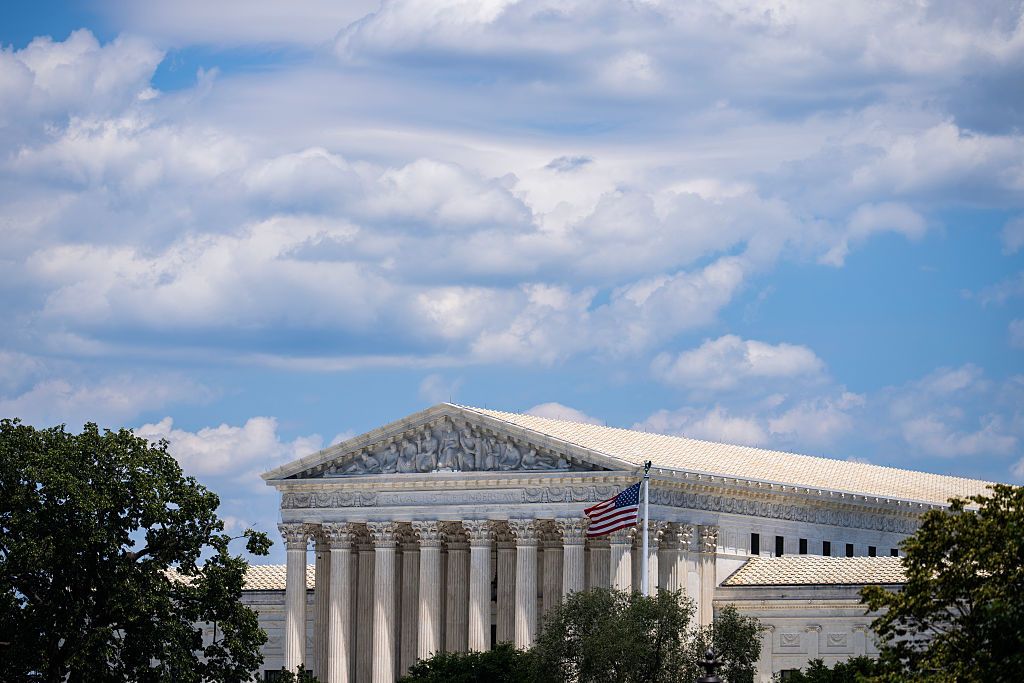
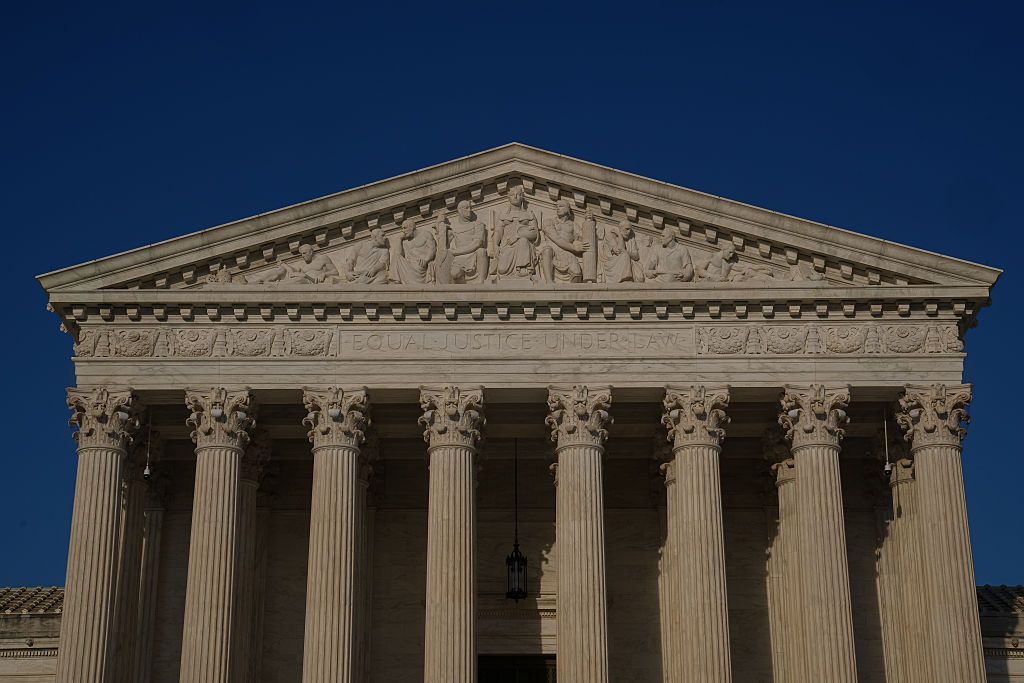
The U.S. Supreme Court issued a temporary order on Tuesday allowing the Trump administration to resume deporting immigrants to countries other than their homelands while the justices consider the policy's legality in full arguments scheduled for December. The six-justice conservative majority lifted a lower-court decision that had blocked the practice.
From the center: The Supreme Court's temporary ruling reflects a genuine constitutional tension: between the executive's broad authority over immigration enforcement and the judiciary's duty to ensure due process. The conservative majority's approach prioritizes administrative efficiency and prompt enforcement, while the dissenting liberals worry about protecting individuals from arbitrary removal. The court's decision to hear full arguments in December suggests the justices recognize the issue's complexity, and the temporary order allows both enforcement and legal development to proceed in parallel.
CNN, MSNBC and Politico asked a federal court on September 29 to extend a temporary restraining order blocking Trump's ban on their journalists from White House grounds. Trump announced the ban on September 18, citing his view that the outlets are "fake news."
From the center: This case hinges on competing interests: the president's authority to manage White House access and the press's role in covering government. A blanket ban appears heavy-handed when partial restrictions or other measures might serve legitimate security or decorum interests without completely shutting out major outlets. The courts should balance these concerns carefully—protecting some presidential discretion while ensuring the press can still report on the administration.
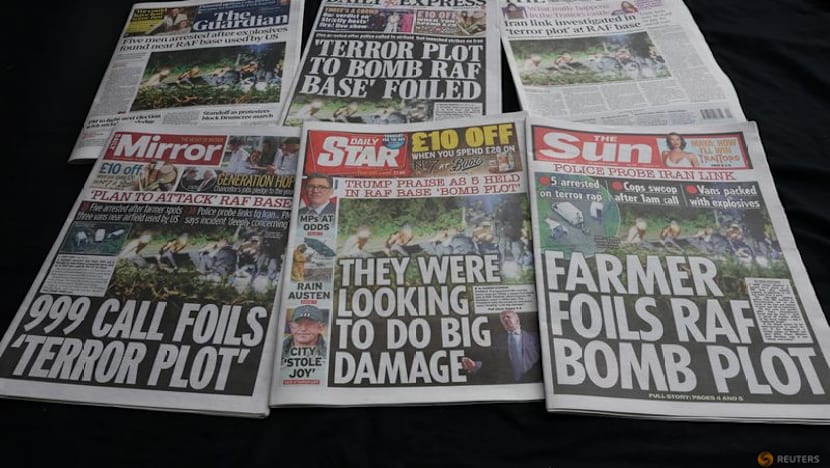
Five men, all London-based Britons in their mid-20s, were detained after three white vans were discovered near RAF Fairford, a U.K. air base used by U.S. bombers, on Sunday. They were released on bail following extensive interviews. Counterterror detectives are investigating multiple lines of inquiry, including a possible link to Iran, which has denied involvement. Reports indicate no explosives were found.
From the center: The incident at RAF Fairford triggered a reasonable security response given the sensitivity of the location, but the absence of explosives and the subsequent bail release suggest the initial alarm may have been overblown. A competent investigation follows multiple leads, which authorities say they are doing. The tension between U.S. claims of serious foreign involvement and the limited public facts available reflects the genuine difficulty of assessing security threats in real time—caution and restraint in public statements both matter.
President Trump said the U.S. will win a war with Iran 'one way or the other' and 'very soon,' according to Breitbart. The American Conservative reports U.S.-Iran talks are continuing through mediators, with discussions reportedly covering the Strait of Hormuz and Iran's nuclear program. The Guardian's live blog notes these talks are now in doubt.
From the center: Trump's statements reflect genuine tension between two competing strategies: military pressure and negotiated resolution. His 'one way or the other' framing keeps both options visible, which can be useful leverage in talks, but it also risks miscalculation if either side overestimates the other's willingness to escalate. The fact that mediated talks are continuing suggests some diplomatic path exists; whether Trump's rhetoric helps or hurts those talks depends on Iran's interpretation and how skillfully mediators manage the messaging.
On September 28, 2024, President Trump denied an Axios report stating that he had offered Iran sanctions relief and the release of frozen funds in exchange for nuclear concessions. Trump wrote on Truth Social: "This is untrue. I offered them NOTHING." The Axios report had cited unnamed US officials as the source of the claim about Trump's willingness to provide such relief.
From the center: The competing narratives here—the Axios report citing officials versus Trump's flat denial—point to a real problem: unclear and contradictory messaging from the White House. Such public disputes damage negotiating credibility with foreign adversaries and confuse allies about actual policy. Regardless of which account is accurate, the administration needs clearer internal alignment and communication about its Iran objectives.
The Tompkins County District Attorney in New York reopened an investigation into an alleged October 2024 gang rape at Cornell University's Chi Phi fraternity house. The alleged victim, identified as Jane Doe, filed a civil lawsuit this month against seven fraternity members and the university, alleging she was drugged and sexually assaulted. The DA's office had previously declined to seek criminal charges.
From the center: Prosecutors are revisiting a 2024 sexual assault case after the alleged victim filed a lawsuit containing new evidence. The DA's office is reviewing its earlier decision not to pursue criminal charges in light of fresh information and substantial public attention. The case involves competing concerns: ensuring due process for the accused while taking allegations seriously and investigating thoroughly. Multiple legal tracks—criminal and civil—are now underway, which allows the system to examine the facts.
British counter-terrorism police arrested five men near RAF Fairford in Gloucestershire on Sunday on suspicion of explosives offenses and preparation of a terrorist act. The National Interest reports a significant quantity of explosives was recovered from three vans; The Sun states the vans were said not to contain "viable explosives."
From the center: The facts here remain murky and warrant careful investigation rather than rushed conclusions. Five men were arrested with what may or may not be viable explosives near a military base—that much is clear. Whether they acted independently, were inspired by extremist ideology, or were directed by a foreign state is still unknown, and the conflicting reports about the explosives' viability suggest more information-gathering is needed. The appropriate response is thorough police work, proper legal process for the suspects, and a measured review of security at sensitive installations—not speculation about foreign involvement or premature conclusions about what this means strategically.
U.S. Ambassador to China David Perdue said on Fox News Sunday that President Trump proposed selling weapons to China during recent meetings with Xi Jinping. Perdue quoted Trump as saying the U.S. sells arms to other countries worldwide. According to CNA, the offer came in response to Chinese concerns over U.S. weapons sales to Taiwan. The White House later stated the U.S. had no plans for such a sale.
From the center: Trump's proposal reflects the genuine tension between engagement and deterrence in China policy. While unconventional, the idea of using arms sales as a negotiating tool or diplomatic gesture isn't without precedent in realpolitik. However, the proposal raises legitimate questions about Taiwan's security and whether such moves ultimately strengthen or weaken the U.S. position. The White House's quick denial suggests internal disagreement about the proposal's merit.
The US and China released product lists for a tariff reduction agreement. The Financial Times reports the deal covers $60 billion in goods with lower levies on non-sensitive items; Bloomberg and Straits Times cite $30 billion worth of goods from each country facing tariff cuts, without specifying the magnitude of the reductions. Beijing said US coal imports would be included.
From the center: This is measured progress between two major trading partners, valuable for what it accomplishes and for what it avoids. A $30 billion tariff reduction is meaningful without being transformative, and the public product lists provide transparency. The omission of specifics on how much tariffs will drop leaves room for both sides to claim victory and suggests negotiators prioritized getting an agreement over settling every detail. That's realistic: perfect deals take longer and often collapse. Whether this holds depends on implementation.
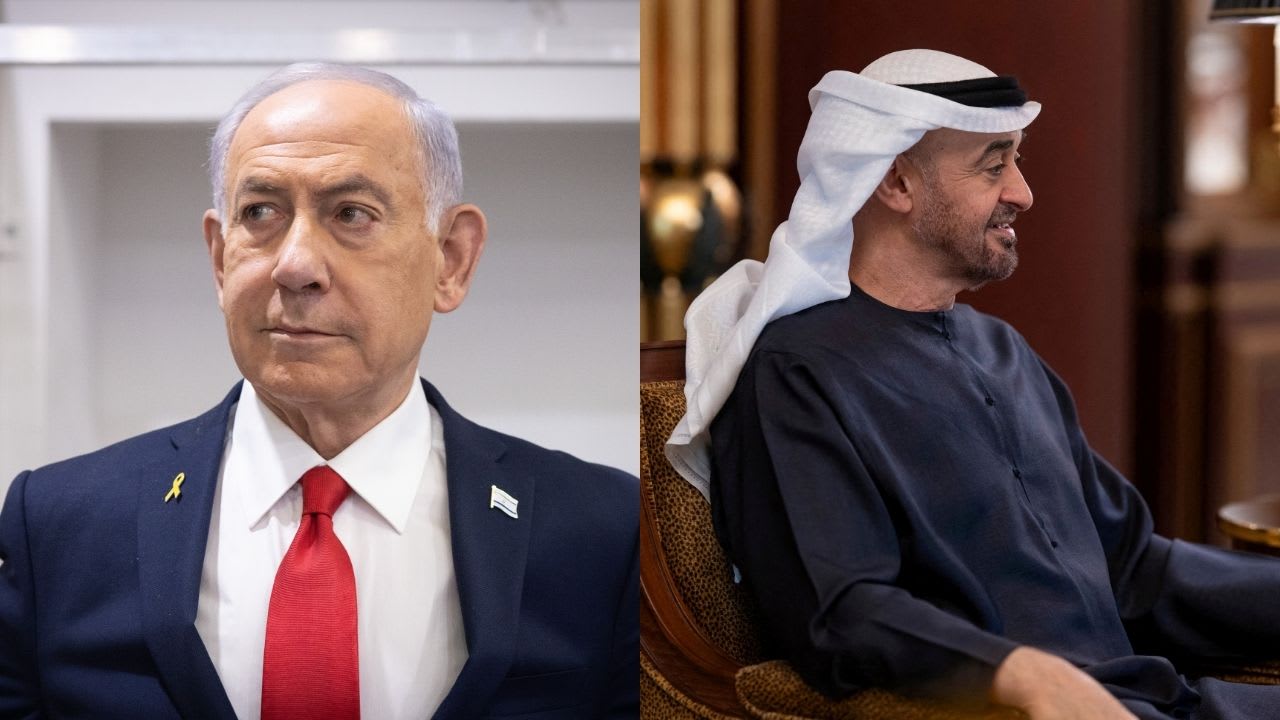
Israeli Prime Minister Benjamin Netanyahu visited Abu Dhabi on Sunday, September 27, and met with UAE President Sheikh Mohammed bin Zayed Al Nahyan, according to a senior Israeli official. Netanyahu traveled on a private jet. Neither Netanyahu's office nor the UAE's foreign ministry immediately commented on the meeting.
From the center: Netanyahu's private visit to meet the UAE president represents routine high-level diplomacy between allied regional partners. Both governments' decision not to publicize the meeting beforehand suggests they wanted to avoid media speculation or external pressure during sensitive discussions. Such unannounced visits are common in international relations when delicate matters require confidential discussion away from public and political interference.
British police arrested five men in the early hours of Sunday near RAF Fairford in Gloucestershire on suspicion of preparing a terrorist act involving explosives. The arrests followed reports from a member of the public. Three vans were seized at the scene and homes were evacuated in nearby Whelford. Counter-terrorism officers are investigating a possible Iranian connection.
From the center: The arrest and investigation demonstrate effective law enforcement and intelligence work by British police, aided by public vigilance. The quick response and evacuation contained a genuine threat. The incident does raise practical questions about security at sensitive military facilities and the trade-offs of hosting U.S. operations on British soil, but these are matters for ongoing policy review, not reason to reverse the partnership. The focus now should be on completing the investigation and ensuring such plots are prevented.
The Orange Order was granted permission by Belfast's High Court in an overnight sitting to march down Garvaghy Road in Portadown, a predominantly Catholic nationalist area, for the first time since 1997. The Parades Commission had approved the march, and the High Court upheld this decision after legal challenges. Protesters blocked the road ahead of the march, creating a standoff.
From the center: This situation exposes a genuine tension in Northern Ireland's peace: the law says the march can proceed, but the community says it shouldn't. Courts enforce rights, but they can't manufacture peace—and forcing an outcome through legal authority when people are blocking roads suggests the institutional framework isn't equipped to handle these flashpoints. Both the right to march and the right to object are real; neither cancels the other out, and neither courts nor appeals for calm will resolve the underlying disagreement.
British police arrested several men on Sunday on suspicion of explosives offenses near RAF Fairford in Gloucestershire, a U.S. air base. Bomb disposal teams examined vehicles at the scene. Homes were evacuated in the nearby village of Whelford following a major incident declaration. Police said they believed the situation was contained. The base has been used by U.S. forces for strikes on Iran.
From the center: British police and military authorities responded professionally to a potential security threat, evacuating residents and deploying bomb disposal teams in a precautionary approach. The situation appears to have been contained without incident. The event presents a genuine security challenge that requires careful investigation, but jumping to conclusions about motives or broader implications before facts are established serves no one—whether that means dismissing concerns or amplifying them prematurely.
Iran presented a seven-day plan to reopen the Strait of Hormuz and return to negotiations to end fighting; Trump rejected the proposal. Senator John Fetterman was the only Democrat to vote against a resolution limiting Trump's military actions against Iran. Iran stated it remains committed to diplomatic solutions and is prepared for renewed strikes if necessary.
From the center: Both sides are signaling through military and diplomatic moves, but neither appears ready for genuine compromise. Iran's seven-day plan and insistence on diplomacy could be genuine or tactical positioning; Trump's rejection may be hardline or calculated leverage. The administration's authority over military decisions is an executive function, but Congress has legitimate oversight roles. Fetterman's solo vote suggests he weighs congressional constraint differently than his colleagues, a reasonable position even if uncommon.
President Trump announced plans to rescind $810 million in congressionally approved federal funding through a process known as a "pocket rescission." The targeted funds include programs serving refugees, immigrants, unaccompanied minors, people of color, and LGBTQ+ communities. The Trump administration characterized the spending as "wasteful and harmful."
From the center: The Trump administration is using a legally ambiguous process to cancel funds Congress approved, which raises genuine constitutional questions about executive power over spending. Both the mechanism's legality and the policy wisdom of cutting refugee and immigrant assistance deserve scrutiny. That Republican appropriators also object suggests this crosses normal institutional lines. Courts may need to decide whether pocket rescissions are valid.
President Donald Trump and Chinese President Xi Jinping concluded a summit on Friday, agreeing to an extended trade truce. Analysts quoted in the coverage warn that time is limited for the two countries to resolve their strategic rivalry, though the agreement provides a temporary reprieve.
From the center: Both sides benefit from stepping back from escalation, and the summit's diplomatic theater suggests room for managed competition rather than outright conflict. However, the underlying tensions—technological rivalry, geopolitical positioning, trade imbalances—remain fundamentally unresolved. Whether this breathing space becomes a foundation for stable coexistence or merely delays inevitable confrontation depends on whether both sides can negotiate concrete compromises on specific issues rather than just symbols.
US President Donald Trump and Chinese leader Xi Jinping met at the White House for less than 48 hours. The two sides agreed to pursue a military crisis-communication pact, establish an AI safety dialogue channel, and cut tariffs on $30 billion in goods in each direction. Both countries also committed to continue trade and military talks through new working groups.
From the center: Both sides needed this reset and appear to have found achievable middle ground. The agreements are modest but real: tariff relief ($30 billion each way), military safeguards, and structured dialogue on AI risks. What matters is whether these mechanisms actually function when crises arise. Analysts' caution that no major breakthroughs occurred is sound—expectations should stay realistic. Success depends on whether both countries use these new channels as intended or let them atrophy.
President Trump rejected an Iranian proposal on Saturday to reopen the Strait of Hormuz and end hostilities. Iran, presenting the plan at the UN General Assembly in New York, said the waterway could resume normal traffic within seven days if conditions were met. Trump told reporters the deal was not "acceptable."
From the center: Both sides have offered proposals, and both have rejected the other's terms—a stalemate that reflects how far apart their actual demands remain. Trump's caution about the Iranian offer is understandable given unresolved disagreements on key issues, but so is Iran's frustration after seven months of conflict. The real work lies in narrowing those gaps through sustained mediation, not in grandstanding rejections. Timing the resumption of strikes to the midterm calendar, rather than to actual negotiating progress, is a political choice that complicates any genuine settlement.
During a three-day state visit to Washington that ended Friday, Chinese President Xi Jinping and President Trump reached an eight-point consensus. The U.S. and China agreed to cut tariffs on $30 billion worth of goods each country imports from the other—specifically described by the White House as "non-sensitive goods."
From the center: This agreement represents the kind of incremental progress that reduces immediate friction without forcing either side to abandon core positions. A $30 billion tariff cut is meaningful enough to lower prices for American consumers and ease business uncertainty, while an AI dialogue acknowledges mutual risks that benefit from de-escalation. The emphasis on personal diplomacy over grand breakthroughs is honest about what's realistic. The real question is whether these agreements will hold and whether they create momentum for addressing deeper trade imbalances over time.
Chinese President Xi Jinping concluded a three-day state visit to Washington, meeting with President Donald Trump. The visit produced no significant agreements or breakthroughs on US-China disagreements, according to reporting from multiple outlets. Trump subsequently spoke by phone with Japanese Prime Minister Sanae Takaichi about the summit.
From the center: Both presidents showed up for a high-profile summit that managed expectations well enough—nobody expected breakthroughs given the depth of disagreement on Taiwan, trade, and military posture. The visit served its basic function as a diplomatic touchstone between rivals who need periodic contact. That nothing concrete emerged is neither surprising nor disastrous; maintaining communication channels and avoiding escalation matters as much as formal deals. The real test is whether this foundation prevents miscalculation down the line.
The U.S. Supreme Court on Friday blocked a Missouri congressional map for the third time, reinstating the 2022 boundaries. The GOP-controlled state legislature had enacted a new map in 2025 designed to flip a Kansas City district from a Black Democratic representative to Republican. Justice Brett Kavanaugh wrote that ordering reversion to the 2025 map mid-election would cause "electoral chaos."
From the center: The Supreme Court's third intervention in this single map dispute reveals a messy institutional problem: the judiciary is being forced to manage election details that should ideally be resolved before they reach the courts. Both the lower federal panel's initial approval and the legislature's repeated attempts suggest confusion about what the law permits. The Court avoided immediate chaos by halting the map mid-election, but this constant litigation points to a need for clearer rules—whether through legislation, commission-based redistricting, or sharper judicial precedent—so states and courts don't repeat this cycle.
The White House barred CNN from traveling on Air Force One with President Trump on Saturday to Knoxville, Tennessee for a college football game. CNN had been scheduled to serve as the television press pool representative for the trip. Al Jazeera reported that Real America's Voice News replaced CNN on the aircraft.
From the center: The White House's decision to exclude CNN from Air Force One raises legitimate questions about press access and First Amendment concerns, yet the situation is more complicated than either side presents. Presidents do have operational control over Air Force One, but the systematic nature of this exclusion—and its replacement with a preferred outlet—blurs the line between logistical management and political punishment. The dispute reflects deeper polarization: both sides claim to value press freedom but define it differently depending on which outlet is affected.
New Jersey Lt. Gov. Dale Caldwell resigned on Friday after an investigation found he sexually harassed a woman and violated state ethics rules. Gov. Mikie Sherrill announced his resignation and said he had submitted his letter that afternoon. Caldwell denied allegations of misconduct.
From the center: A lieutenant governor resigned following an investigation that found ethics and harassment violations, with his running-mate governor accepting the resignation. The response follows standard institutional procedure, though the timing and circumstances—an investigation triggering a forced resignation—suggest the vetting and oversight of high officials may warrant review to catch such issues earlier.
The US Supreme Court in a 6-3 decision on Friday allowed the Trump administration to use an expanded federal database containing citizenship information, including Social Security data, to help states verify voter citizenship on their rolls. The court's unsigned opinion rejected arguments that the administration violated the Social Security Act, Privacy Act, or Administrative Procedure Act.
From the center: This presents a genuine tension between two legitimate concerns. States do have an interest in accurate voter rolls, and identifying noncitizens who are registered is a reasonable administrative goal. Yet the lower court raised credible concerns about data accuracy and the risk of improper purges. The Supreme Court's decision to allow the program reflects trust in the administration's implementation and the conservative majority's view that the legal violations weren't clearly established. But implementation will matter enormously—if the database leads to widespread wrongful removals, the decision will look reckless; if it works as intended with minimal error, it will vindicate the court's deference. Both outcomes are plausible.
The Trump administration asked the Supreme Court on Thursday to allow resumption of deportations to third countries where deportees have no ties, after a lower court ruling halted the practice. The dispute centers on how much notice immigrants must receive before deportation to a third country.
From the center: The central issue here is procedural and legal: courts exist to determine whether the government has the statutory authority and provides sufficient notice before deporting someone to a third country. The lower court raised serious questions about both. The Supreme Court should decide on narrow legal grounds whether the administration's process meets existing legal requirements, not on the policy's merits.
James Copenhaver, 76, who was shot in the arm and abdomen during an assassination attempt on President Donald Trump at a rally in Butler, Pennsylvania in July 2024, has died from complications of his wounds. The gunman, identified as Thomas Matthew Crooks, fired from a nearby rooftop, grazing Trump's right ear with one bullet.
From the center: A man wounded during the 2024 assassination attempt on President Trump at a Butler, Pennsylvania rally has died from complications of those injuries. The incident, in which gunman Thomas Matthew Crooks fired from a rooftop, resulted in multiple casualties and ongoing consequences for survivors. His death reminds us that political violence harms real people across the political spectrum.
Chinese President Xi Jinping visited the White House on Thursday for his first trip to Washington in more than a decade, where he met with President Trump. During the visit, Xi pressed Trump to oppose Taiwan independence, according to reporting by the National Post, though Trump's response was unclear. Xi also laid out positions on AI, Iran, and managing US-China competition.
From the center: The summit illustrates the inherent tension in managing great-power relations: engagement requires hospitality and listening, yet concessions must be weighed carefully. Xi's state visit was appropriate protocol, but Trump should balance diplomatic courtesy with strategic clarity. The delayed Taiwan arms package and unclear response to Xi's demands suggest the administration may be prioritizing relationship-building over the deliberate, transactional approach that serves long-term US interests. Engagement and deterrence both matter.
President Donald Trump hosted Chinese President Xi Jinping at the White House on September 24, 2026, for a state summit. The two leaders discussed AI, trade, Taiwan, and Iran. They agreed to extend the Busan Agreement, creating a two-month trade truce. Multiple outlets reported that the summit featured elaborate ceremony and symbolism but produced no announced breakthroughs on major issues.
From the center: The summit served its symbolic purpose in re-establishing high-level communication between Washington and Beijing after period of tension, which has genuine diplomatic value. However, neither side appears ready to make the concessions a major deal would require, so the two-month trade extension is a pragmatic holding pattern. The elaborate ceremony suggests both leaders want to project strength to their domestic audiences while quietly buying negotiating time. Whether this eventually leads to a substantive agreement or simply delays inevitable confrontation remains unclear, but keeping lines of communication open is preferable to escalation.
Daniel Thomas, 37, known as 'Danny Tommo', has been charged with criminal damage and failing to provide his phone password to police following an incident in which he allegedly slashed a dinghy in the English Channel. He is due to appear at Basingstoke Magistrates' Court on Friday. Hundreds of supporters gathered outside the police station in protest at his arrest.
From the center: This case sits at the intersection of several real concerns: border management, public anxiety about migration, and the rule of law. Whatever one's view on immigration policy, criminal damage to a vessel with people aboard cannot be tolerated, and the courts are the right place to examine what happened. The level of public feeling evident in the street protest suggests genuine anxiety in communities that needs addressing through proper democratic and policy channels, not through violence or vigilantism.
Israeli Prime Minister Benjamin Netanyahu addressed the UN General Assembly on September 24, 2026. Dozens of delegates walked out as he began speaking. In his speech, Netanyahu denied genocide allegations in Gaza, calling them "the biggest lie of the century." He attacked New York City Mayor Zohran Mamdani, calling Hamas his "buddies" and accusing him of antisemitism.
From the center: Netanyahu delivered a combative speech that achieved neither diplomatic nor symbolic gains. He attacked multiple countries and a US city official in ways that seem designed for domestic Israeli consumption rather than international persuasion. The walkout, while dramatic, was a foreseeable consequence of the speech's tone. Israel has legitimate security interests to defend, but this approach—inflammatory toward allies and adversaries alike—makes negotiation harder and isolates Israel further without advancing its stated goals.
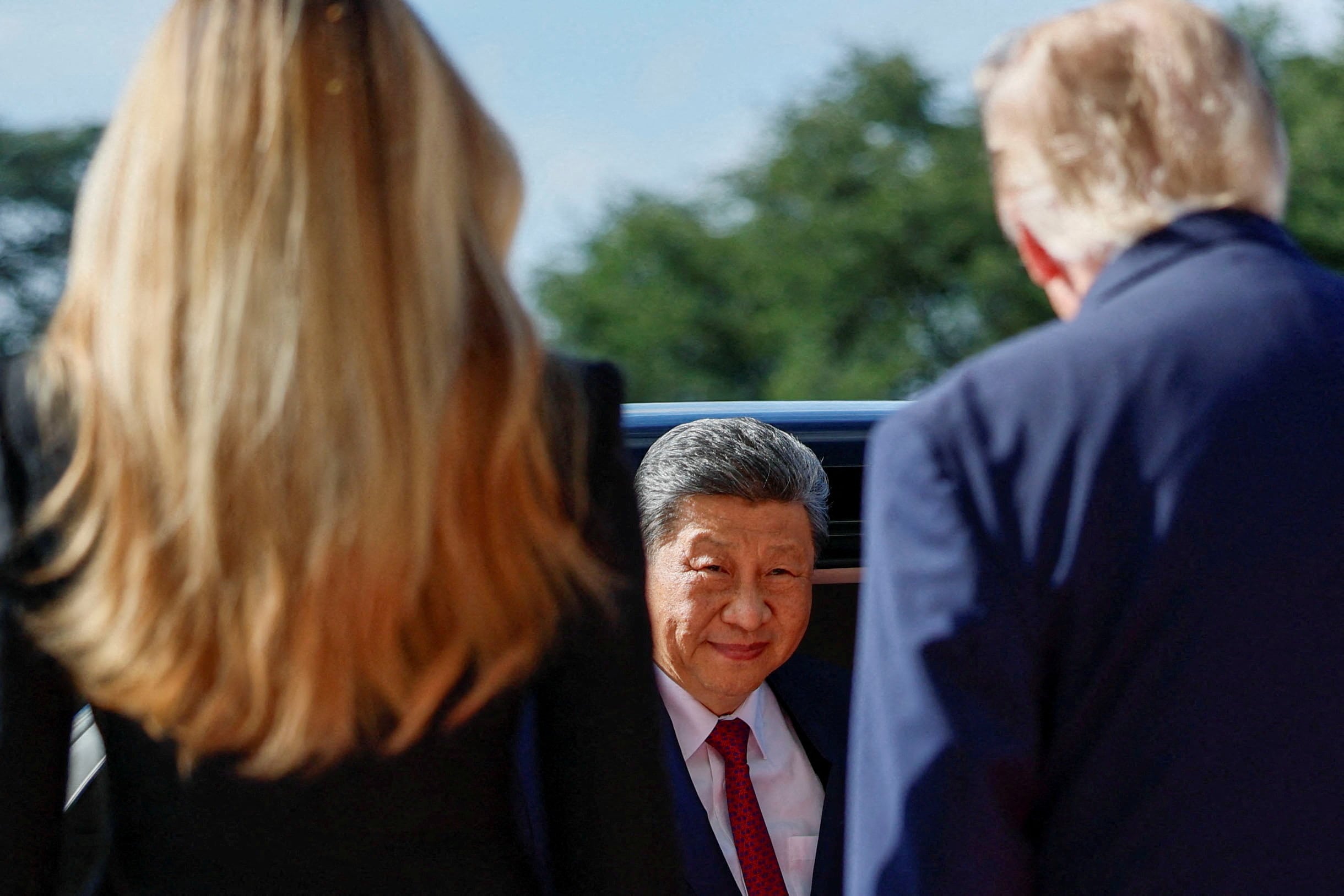
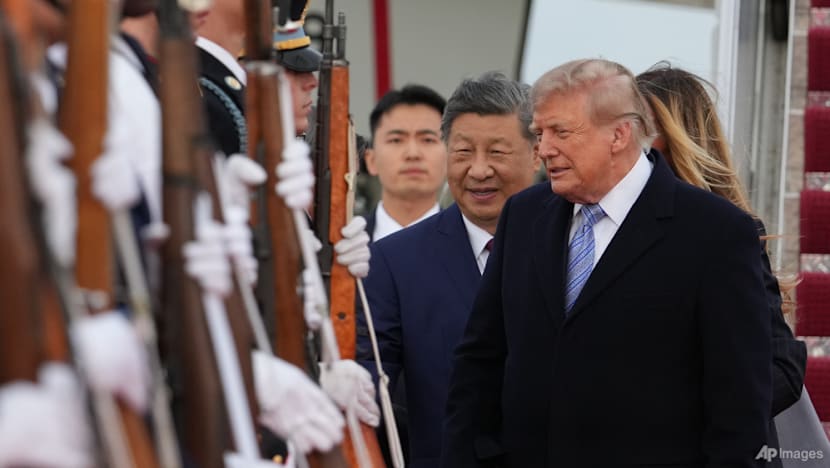
President Trump hosted Chinese leader Xi Jinping at the White House on Thursday for a state visit. Trump greeted Xi on the tarmac at Joint Base Andrews on Wednesday evening—the first time in over six decades a US president has welcomed a foreign political leader there. Xi is expected to press Washington on Taiwan, while Trump seeks Chinese help on manufacturing and restraint on Iran.
From the center: Trump and Xi are meeting to explore mutual interests where cooperation is possible—trade, manufacturing, Iran—while both maintain their respective strategic positions. The ceremonial tone signals willingness to work together without requiring perfect alignment. However, the visit also exposes how differently the two leaders envision global order: Xi is building alternatives to US-led systems while Trump pursues narrower national advantage. Success depends on realistic negotiation over specific issues rather than either side expecting ideological conversion or unilateral concessions.
Federal judge Timothy Kelly issued a temporary restraining order on September 24, 2026, blocking the Trump administration's ban on CNN, MS NOW, and Politico from White House access. Judge Kelly, appointed by Trump, ruled the ban unconstitutional and violated the Fifth Amendment rights of the outlets, rejecting the White House's national security justification.
From the center: The court's temporary order represents a reasonable check on executive power while acknowledging that legal proceedings should resolve the underlying dispute. Both press freedom and presidential authority deserve protection—the judge's 14-day window allows for further litigation to clarify where the line should be drawn. The fact that the injunction was granted suggests the outlets have a credible legal claim, but the temporary nature reflects appropriate judicial caution about intervening in executive decisions.
President Trump welcomed Chinese President Xi Jinping at Joint Base Andrews outside Washington on Wednesday night for a summit, their second meeting in four months. Xi's arrival ceremony included a 100-foot red carpet, a flyover by two B-1 bombers, and a presentation of both nations' flags and anthems.
From the center: This summit is a necessary diplomatic engagement between the world's two largest economies, with real stakes on trade and technology. Both leaders appear motivated to manage rather than escalate tensions, which is sensible given mutual costs. The ceremonial aspects—the red carpet, military display—serve a diplomatic function of respecting both nations' standing. Whether Thursday's discussions yield concrete results on tariffs, AI standards, or Taiwan stability will determine if this is a turning point or theater. Pragmatic negotiation matters more than symbolism.