US prosecutors reopen investigation into alleged gang rape at Cornell University
Reported by
A dot shows how that piece reads — Prism rates articles, not outlets, and shows the words behind each placement below. No dot means the piece isn’t rated. How the ratings work

What happened
The account the coverage agrees on, with contested figures attributed rather than asserted. This is not one of the five framings below — it is the ground they all stand on.
A woman identified as Jane Doe alleges she was gang-raped by seven fraternity members at Cornell University in 2024. Cornell stands accused of failing to protect her. New York Gov. Kathy Hochul called for an independent investigation into the university's response. U.S. prosecutors have reopened the case following newly released details and public outcry.
Developing story · 2 chapters
- District attorney reopens investigation into alleged gang rape at Cornell University
- US prosecutors reopen investigation into alleged gang rape at Cornell Universityyou are here
How each side framed the previous chapter
Compare these with the five framings below to see what moved as the story developed — and what each side kept saying regardless.
Left
A survivor's courage in filing a civil lawsuit has forced authorities to reckon with their earlier failure to pursue justice. The case exposes how universities and prosecutors protect fraternity men accused of sexual assault, prioritizing institutional reputation over accountability. The reopened investigation represents a partial victory, but the DA's initial inaction and the university's inadequate response demonstrate how institutional power structures systematically shield perpetrators while silencing survivors.
Center-left
After months of inaction by prosecutors, public pressure and the filing of a civil lawsuit have prompted a reinvestigation of serious allegations against Cornell fraternity members. The case raises questions about whether initial investigative decisions were thorough and about the university's responsibility to protect students. A more robust review of the evidence is warranted, and the legal process—both criminal and civil—should now determine accountability and appropriate consequences.
Center
Prosecutors are revisiting a 2024 sexual assault case after the alleged victim filed a lawsuit containing new evidence. The DA's office is reviewing its earlier decision not to pursue criminal charges in light of fresh information and substantial public attention. The case involves competing concerns: ensuring due process for the accused while taking allegations seriously and investigating thoroughly. Multiple legal tracks—criminal and civil—are now underway, which allows the system to examine the facts.
Center-right
A district attorney has reopened an investigation after a lawsuit prompted renewed scrutiny, while defending the original prosecutorial judgment. The case involves serious allegations that warrant careful review, but also raises concerns about how public pressure and civil litigation can influence criminal investigations. The accused deserve due process and a fair evaluation of evidence. The university's internal discipline decisions should reflect the actual facts, not emotional demands or institutional self-protection.
Right
Prosecutors initially declined to charge fraternity members, having determined insufficient evidence existed for criminal prosecution. A civil lawsuit and media pressure have now prompted a reopened investigation, raising concerns about whether the process is driven by evidence or by activism and public outrage. Due process protections for the accused are essential, and investigations should proceed on their merits without being swayed by narrative-setting in the media or demands from advocacy groups.
How the spectrum reads this story
The same event, summarised as five points on the political spectrum would each tend to frame it. These are generated by an AI model and are a starting point, not the last word.
Left
This case exposes how universities systematically protect perpetrators over survivors. Cornell's alleged failure to respond adequately reflects a broader institutional culture that prioritizes institutional reputation over accountability and victim safety. The reopening by prosecutors shows the necessity of external pressure and scrutiny when institutions shield sexual violence. This demands urgent structural reform in how universities handle sexual assault and an overhaul of their disciplinary processes.
Center-left
The allegations against Cornell raise serious questions about institutional accountability and victim protection. The fact that prosecutors felt compelled to reopen the case suggests the university's initial response may have been inadequate. Gov. Hochul's call for an independent investigation is appropriate—universities need clear procedures and external oversight to ensure sexual assault allegations receive serious investigation and fair treatment for all parties involved.
Center
The reopening of this case reflects tension between institutional autonomy and public accountability. Universities should investigate allegations thoroughly and work with law enforcement, but questions about what Cornell actually did versus what the allegations claim remain disputed. An independent review makes sense to establish the facts objectively, separate from both institutional defensiveness and presumed guilt based on media coverage. Due process matters alongside institutional responsibility.
Center-right
This case highlights how universities often bungle sexual assault investigations and how public pressure can lead to case reopenings. However, the intense media focus and public outcry raise legitimate concerns about due process for the accused. Individuals deserve to be judged on actual evidence in court, not by social pressure. While Cornell's procedures should be reviewed, care must be taken not to presume guilt or circumvent legal processes.
Right
The rush to judgment in the 'Cornell 7' case demonstrates how accusations alone can destroy lives before any conviction. Public and media pressure is being used to override due process and legal standards. These men deserve the presumption of innocence and a fair trial, not predetermined guilt. Universities weaponizing their disciplinary systems against students while the court of public opinion rushes to condemn is a dangerous precedent that threatens justice.
Hear two viewpoints debate it
Pick two viewpoints and Prism writes a short, six-turn exchange about this story in each one’s own voice — steel-manned, no winner declared. Each pairing is written once and then saved for every reader. The voices are AI syntheses of a tradition, not real people.
New pairing — Prism will write it now.
How each outlet covered it
Where Prism places each piece — not the outlet in general — with the words from that piece that put it there, and the photograph the outlet chose. Picking a photo is a framing decision too.
- CBS Newsnot ratedRead the original
 The Japan TimesThis piece reads center-left
“university was too lenient”
Word choiceStates as fact that the university was lenient, rather than reporting that allegations claim this—treats disputed institutional conduct as established.
Read the original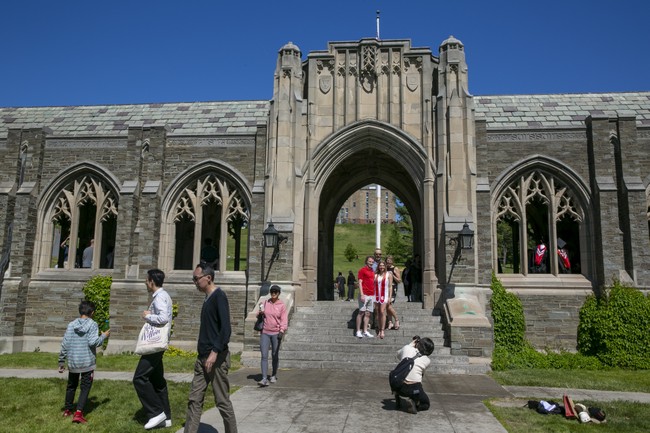
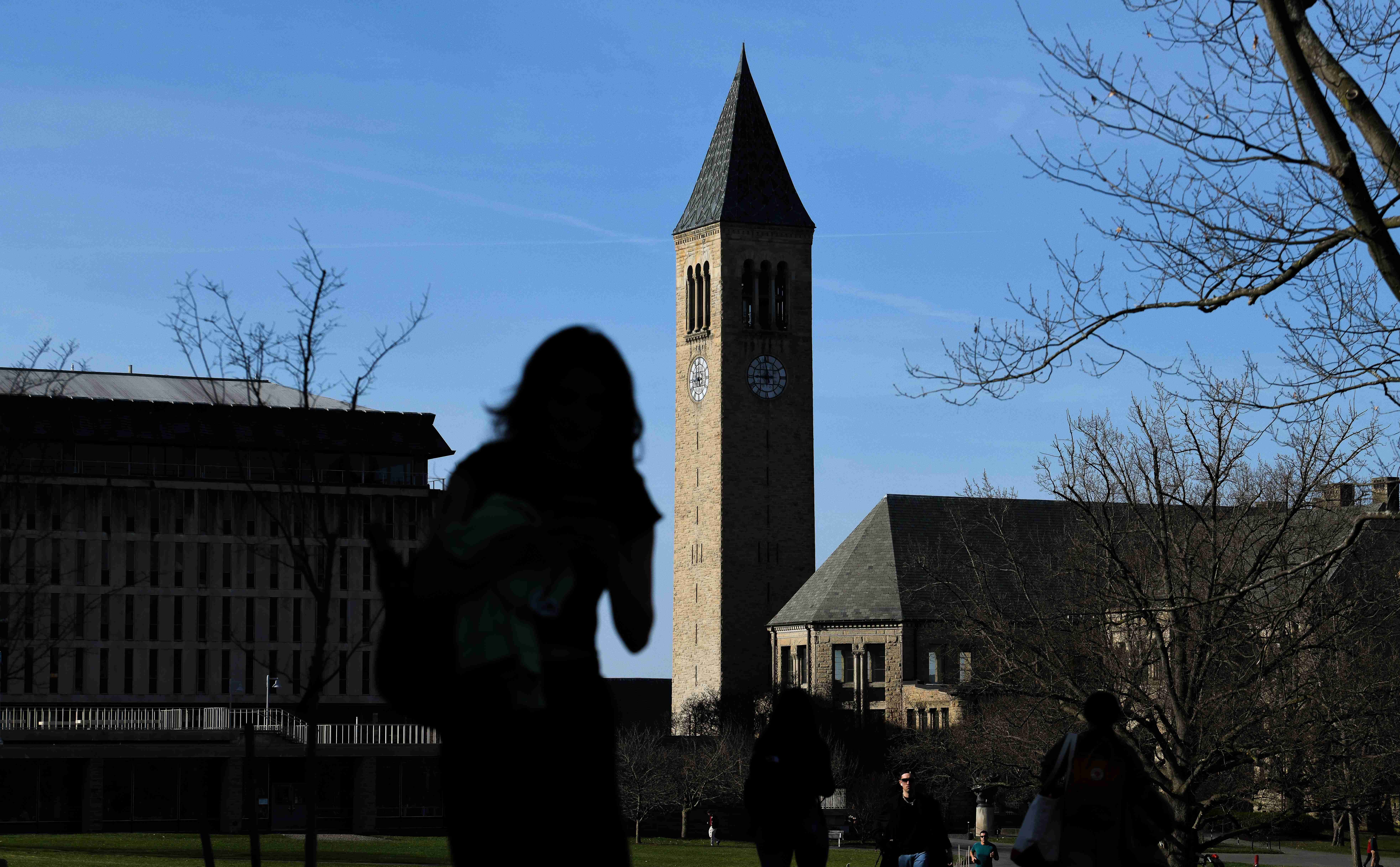 The Free PressThis piece reads center-right
“have not been proven guilty”
FramingEmphasizes risk to the accused from media attention and public judgment, framing pre-trial publicity as a form of punishment—a concern other outlets do not explicitly raise.
Read the original
Placements are generated by an AI model from each article’s own headline and summary, and every quotation above is checked to be a real substring of that article before it is published. How this is done
Prism is free and carries no advertising. Support it if it was useful.