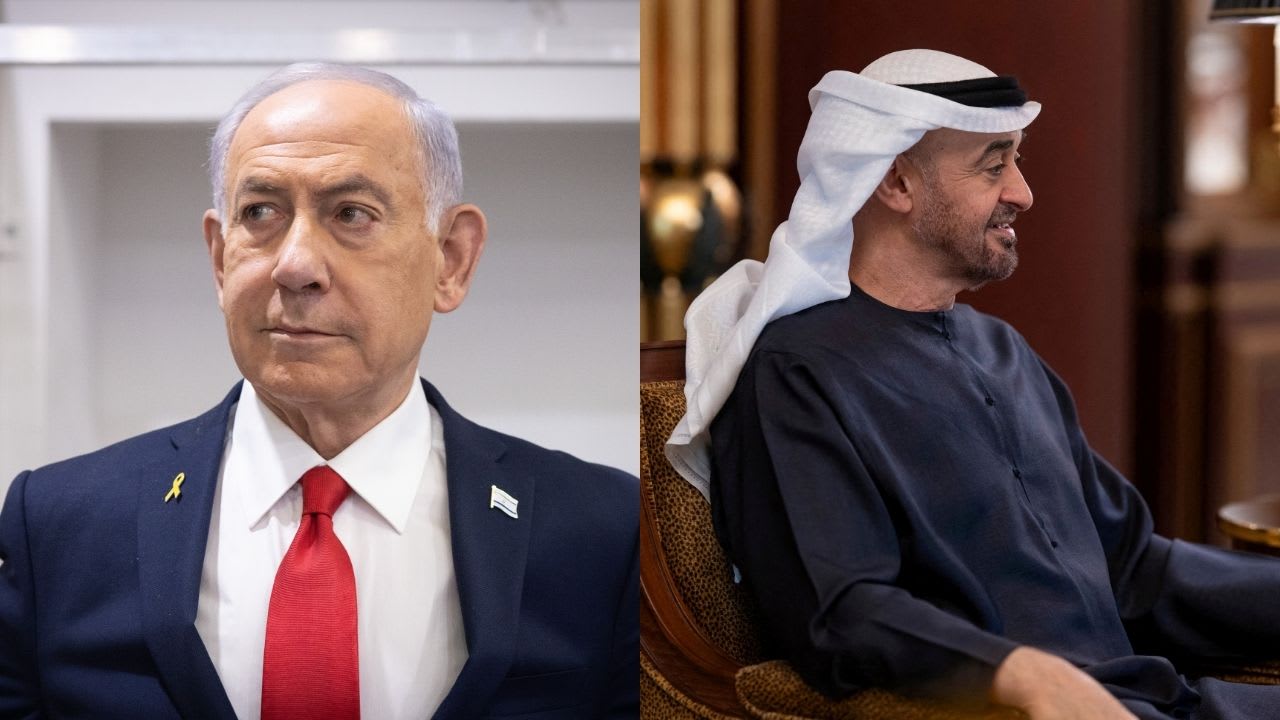
Netanyahu makes secret visit to UAE to meet President bin Zayed
Reported by
A dot shows how that piece reads — Prism rates articles, not outlets, and shows the words behind each placement below. No dot means the piece isn’t rated. How the ratings work
What happened
The account the coverage agrees on, with contested figures attributed rather than asserted. This is not one of the five framings below — it is the ground they all stand on.
Israeli Prime Minister Benjamin Netanyahu visited Abu Dhabi on Sunday, September 27, and met with UAE President Sheikh Mohammed bin Zayed Al Nahyan, according to a senior Israeli official. Netanyahu traveled on a private jet. Neither Netanyahu's office nor the UAE's foreign ministry immediately commented on the meeting.
How the spectrum reads this story
The same event, summarised as five points on the political spectrum would each tend to frame it. These are generated by an AI model and are a starting point, not the last word.
Left
Netanyahu's unannounced visit to the UAE reveals how Israel's diplomatic priorities remain focused on regional partnerships with Gulf states rather than addressing Palestinian concerns or pursuing genuine peace. The secrecy surrounding the meeting underscores how these arrangements occur outside public scrutiny or democratic accountability, prioritizing strategic interests over transparent governance and accountability to citizens.
Center-left
Netanyahu's trip to Abu Dhabi reflects Israel's ongoing efforts to strengthen ties with Gulf Arab states through quiet diplomacy. While such engagement can be constructive for regional stability, the lack of transparency from both governments raises questions about what was discussed and whether these talks address broader Middle Eastern challenges, including the Israeli-Palestinian situation.
Center
Netanyahu's private visit to meet the UAE president represents routine high-level diplomacy between allied regional partners. Both governments' decision not to publicize the meeting beforehand suggests they wanted to avoid media speculation or external pressure during sensitive discussions. Such unannounced visits are common in international relations when delicate matters require confidential discussion away from public and political interference.
Center-right
Israel's strengthening relationship with the UAE, demonstrated through this high-level meeting, reflects the success of the Abraham Accords and Israel's expanding diplomatic network in the region. Direct engagement with Gulf Arab leaders on a confidential basis allows for frank discussions on shared security interests and regional challenges without the complications that come from public announcements.
Right
Netanyahu's direct engagement with UAE leadership shows Israel's ability to forge strategic partnerships independent of international pressure or Palestinian demands. These private meetings allow Israel to pursue its interests and security objectives with regional partners who recognize the mutual benefits of cooperation, without interference from those seeking to constrain Israeli actions.
Hear two viewpoints debate it
Pick two viewpoints and Prism writes a short, six-turn exchange about this story in each one’s own voice — steel-manned, no winner declared. Each pairing is written once and then saved for every reader. The voices are AI syntheses of a tradition, not real people.
New pairing — Prism will write it now.
How each outlet covered it
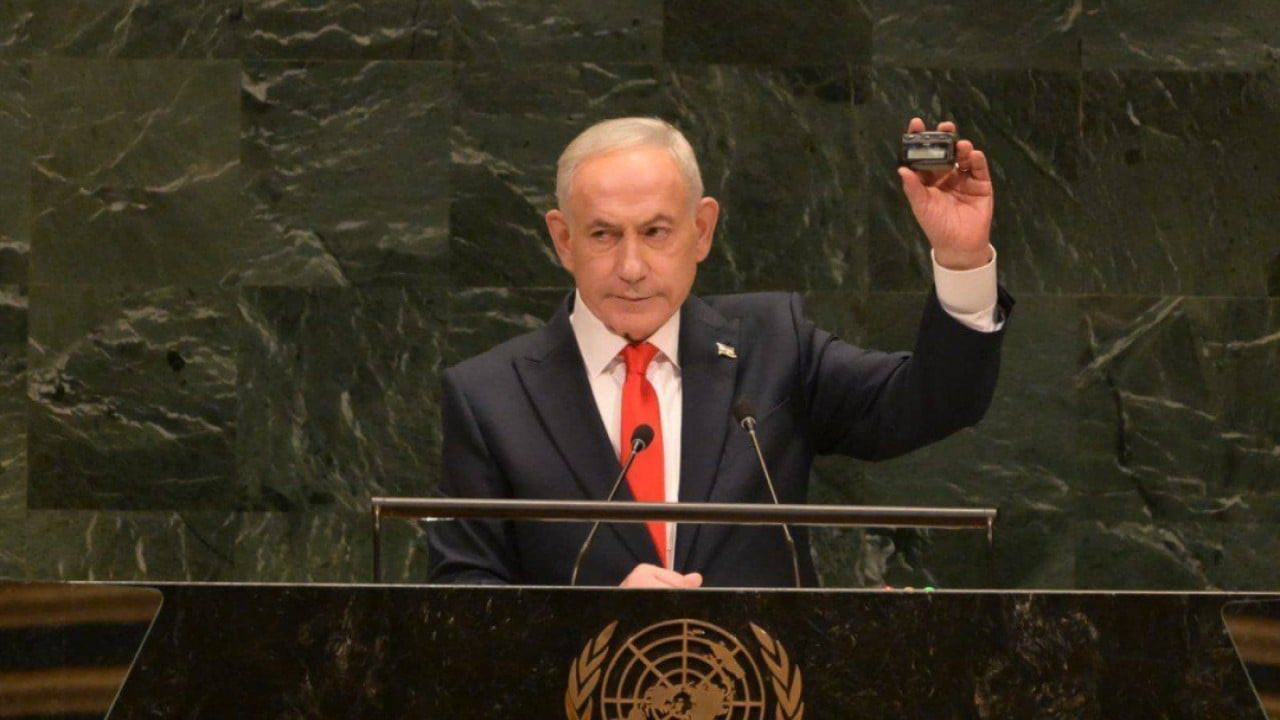
Where Prism places each piece — not the outlet in general — with the words from that piece that put it there, and the photograph the outlet chose. Picking a photo is a framing decision too.
- The Jerusalem PostThis piece reads center
“Netanyahu flew to the UAE to meet Emirati President Mohammed bin Zayed”
Word choiceEmphasizes the lack of official acknowledgment by using the formal institutional title, whereas other outlets simply note 'no immediate comment,' which sounds more neutral and routine.
Read the original - Al-Monitornot ratedRead the original
 South China Morning Postnot ratedRead the original
- The Straits Timesnot rated
What's left outIntroduces context about an earlier warning from the UAE president that other outlets do not include—reads as suggesting prior tension or concern rather than routine diplomatic contact.
Read the original  Israel Hayomnot ratedRead the original
Placements are generated by an AI model from each article’s own headline and summary, and every quotation above is checked to be a real substring of that article before it is published. How this is done
Prism is free and carries no advertising. Support it if it was useful.