CNN, Politico, and MS NOW ask court to block Trump's White House press ban
Reported by
A dot shows how that piece reads — Prism rates articles, not outlets, and shows the words behind each placement below. No dot means the piece isn’t rated. How the ratings work
What happened
The account the coverage agrees on, with contested figures attributed rather than asserted. This is not one of the five framings below — it is the ground they all stand on.
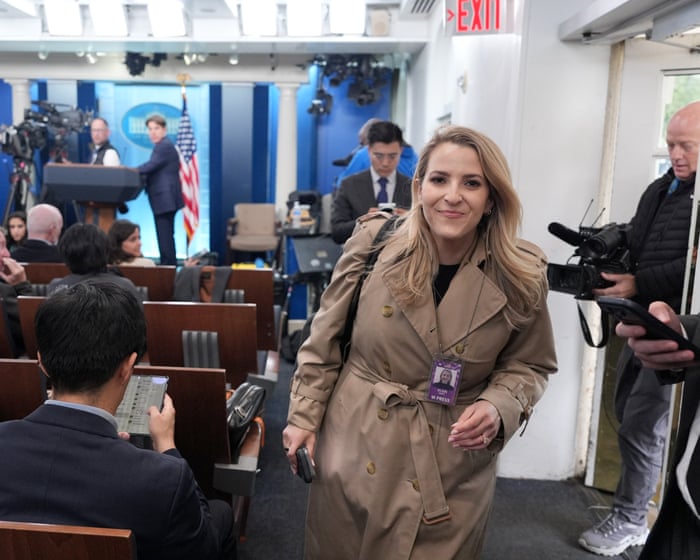
CNN, MSNBC and Politico asked a federal court on September 29 to extend a temporary restraining order blocking Trump's ban on their journalists from White House grounds. Trump announced the ban on September 18, citing his view that the outlets are "fake news." The outlets' attorney argued in the filing that the administration has "persisted in unpredictably and inconsistently implementing its ban" despite the judge's existing order.
How the spectrum reads this story
The same event, summarised as five points on the political spectrum would each tend to frame it. These are generated by an AI model and are a starting point, not the last word.
Left
Trump's attempt to ban major news organizations from the White House represents a dangerous assault on press freedom and democratic accountability. By barring outlets he labels "fake news," he is using state power to suppress critical coverage and punish journalists for reporting facts he dislikes. This is authoritarianism, plain and simple—the weaponization of executive authority against the free press. The courts must not only block this ban but recognize it as unconstitutional.
Center-left
The Trump administration's ban on CNN, MSNBC and Politico raises serious First Amendment concerns. Barring journalists from the White House based on their editorial judgment or the president's personal grievance sets a troubling precedent and undermines public access to information about government. Courts are right to scrutinize whether such sweeping exclusions meet constitutional standards, and extending protections for these outlets serves the public interest in press access.
Center
This case hinges on competing interests: the president's authority to manage White House access and the press's role in covering government. A blanket ban appears heavy-handed when partial restrictions or other measures might serve legitimate security or decorum interests without completely shutting out major outlets. The courts should balance these concerns carefully—protecting some presidential discretion while ensuring the press can still report on the administration.
Center-right
While the president has legitimate authority to manage White House access, a complete ban on major news organizations is likely too broad and invites legal challenge. Trump's frustration with hostile coverage is understandable, but targeted exclusions or other administrative tools would serve his interests better than a blanket prohibition. The courts will likely uphold some presidential discretion here, but the current approach is vulnerable to First Amendment challenge.
Right
The president should have substantial authority to control access to the White House, his residence and workplace. News organizations that engage in what Trump views as unfair or dishonest coverage are not entitled to privileged access. However, a complete ban may give courts legal grounds to intervene. The real issue is that the media has become openly hostile to this administration, and no amount of court rulings will change their fundamental bias against conservative leadership.
Hear two viewpoints debate it
Pick two viewpoints and Prism writes a short, six-turn exchange about this story in each one’s own voice — steel-manned, no winner declared. Each pairing is written once and then saved for every reader. The voices are AI syntheses of a tradition, not real people.
New pairing — Prism will write it now.
How each outlet covered it
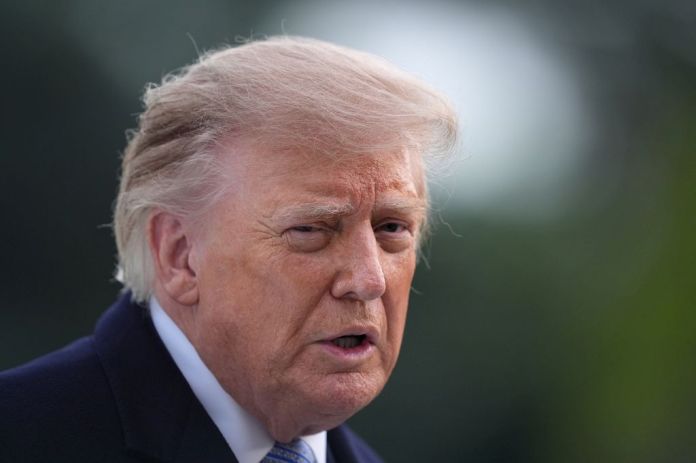
Where Prism places each piece — not the outlet in general — with the words from that piece that put it there, and the photograph the outlet chose. Picking a photo is a framing decision too.
- The Guardiannot rated
FramingIncludes a direct quote from the outlets' court filing about the administration's enforcement pattern, emphasizing alleged inconsistency—other outlets focus on the request to extend the block itself.
Read the original - LA TimesThis piece reads center-left
“Trump escalates his assault on the media”
Word choiceUses "assault" where other outlets describe a ban or legal dispute—a word that suggests violence or severity beyond the specific court action and applies a broader interpretive frame about Trump's relationship with press.
Read the original  The HillThis piece reads center
“News outlets that sued to regain access to the White House”
Read the original
 Washington Examinernot rated
FramingProvides Trump's stated rationale with scare quotes around "fake news," signaling editorial distance from the characterization—other outlets report the ban without this added framing.
Read the original
Placements are generated by an AI model from each article’s own headline and summary, and every quotation above is checked to be a real substring of that article before it is published. How this is done
Prism is free and carries no advertising. Support it if it was useful.