US and China extend two-month trade truce during Xi state visit
Reported by
A dot shows how that piece reads — Prism rates articles, not outlets, and shows the words behind each placement below. No dot means the piece isn’t rated. How the ratings work

What happened
The account the coverage agrees on, with contested figures attributed rather than asserted. This is not one of the five framings below — it is the ground they all stand on.
President Donald Trump and Chinese President Xi Jinping concluded a summit on Friday, agreeing to an extended trade truce. Analysts quoted in the coverage warn that time is limited for the two countries to resolve their strategic rivalry, though the agreement provides a temporary reprieve.
Developing story · 2 chapters
- US and China extend trade truce by two months as Xi begins state visit
- US and China extend two-month trade truce during Xi state visityou are here
How each side framed the previous chapter
Compare these with the five framings below to see what moved as the story developed — and what each side kept saying regardless.
Left
The summit exposes how US-China competition is driven by capitalist competition for markets and resources rather than genuine security concerns. Both powers use trade truces and diplomatic pageantry to manage conflicts while continuing to build military capacity and industrial dominance. The real issue is that rival capitalist powers cannot resolve fundamental contradictions through negotiation alone—temporary agreements mask deeper structural tensions that will resurface. Real stability requires moving beyond a system where superpowers compete for hegemony.
Center-left
This summit is an opportunity to reduce dangerous US-China tensions through dialogue and incremental agreements on trade and specific issues like AI safety. While a two-month extension of the truce is modest, it keeps the door open for negotiation and prevents escalation that could harm the global economy and security. The challenge is ensuring any deals don't sacrifice important US values on democracy and human rights, or leave vulnerable allies like Taiwan exposed to pressure.
Center
The summit reflects a pragmatic approach to managing great power competition: both sides benefit from talking rather than escalating, even if major breakthroughs remain unlikely. The two-month trade extension buys time for genuine negotiation on specific issues like rare earths and AI. The real test is whether Trump and Xi can compartmentalize disputes—finding agreement where possible on economic and technical matters while managing competition on security and regional issues without letting either side feel cornered into a bad deal.
Center-right
Direct engagement between Trump and Xi is the right approach to managing US-China competition. The trade truce extension signals that both countries recognize the costs of escalation and prefer negotiated solutions where mutual benefit exists. However, the US must negotiate from strength—ensuring any concessions on tariffs or trade are matched by Chinese commitments on intellectual property, market access, and fair competition. Building military capacity and industrial resilience, as noted, is essential to ensure the US negotiates as an equal.
Right
American strength and sovereignty must come first in any China negotiations. While dialogue is preferable to conflict, the US should not sacrifice strategic advantage for the appearance of cooperation. Real concerns exist that Trump might trade away Taiwan's security or other regional allies' interests for short-term trade deals. The focus must remain on building American industrial capacity, protecting critical supply chains in rare earths and semiconductors, and ensuring China cannot exploit any truce to strengthen its position at US expense.
How the spectrum reads this story
The same event, summarised as five points on the political spectrum would each tend to frame it. These are generated by an AI model and are a starting point, not the last word.
Left
The summit reveals how U.S. economic dependence on China has grown, forcing America into a weaker negotiating position. Rather than confronting systemic trade imbalances rooted in decades of corporate offshoring and financialization, Trump is merely postponing confrontation. Without addressing the structural causes—deindustrialization, weakened labor protections, and capital's mobility—any truce is temporary theater that leaves working people exposed.
Center-left
While a trade truce is better than escalation, this agreement risks kicking hard choices down the road. The U.S. and China face genuine structural competition, and a pause without serious negotiation on intellectual property, forced technology transfer, and market access leaves core issues unresolved. The administration should use this time to build durable alliances and strengthen domestic competitiveness rather than rely on temporary accommodations.
Center
Both sides benefit from stepping back from escalation, and the summit's diplomatic theater suggests room for managed competition rather than outright conflict. However, the underlying tensions—technological rivalry, geopolitical positioning, trade imbalances—remain fundamentally unresolved. Whether this breathing space becomes a foundation for stable coexistence or merely delays inevitable confrontation depends on whether both sides can negotiate concrete compromises on specific issues rather than just symbols.
Center-right
The truce is pragmatic and necessary, but the optics matter: China received ceremonial respect while America appears to have adopted a more accommodating posture. The U.S. should use this window to strengthen its own economic and technological position, shore up allied relationships, and negotiate from a position of strength rather than from a need for breathing room. American interests require clear, enforceable agreements, not extended truces that paper over fundamental disagreements.
Right
Trump's willingness to negotiate directly with Xi shows strength and realism, rejecting the failed interventionism of previous administrations. However, any agreement must be temporary and conditional—China has a record of violating commitments, and the U.S. must maintain leverage and skepticism. America should focus on reshoring critical industries, reducing dependence on Chinese supply chains, and prioritizing sovereignty over entangling trade relationships that constrain U.S. freedom of action.
Hear two viewpoints debate it
Pick two viewpoints and Prism writes a short, six-turn exchange about this story in each one’s own voice — steel-manned, no winner declared. Each pairing is written once and then saved for every reader. The voices are AI syntheses of a tradition, not real people.
New pairing — Prism will write it now.
How each outlet covered it
Where Prism places each piece — not the outlet in general — with the words from that piece that put it there, and the photograph the outlet chose. Picking a photo is a framing decision too.
- Hong Kong Free PressThis piece reads center
“analysts warn that time is running out”
Read the original 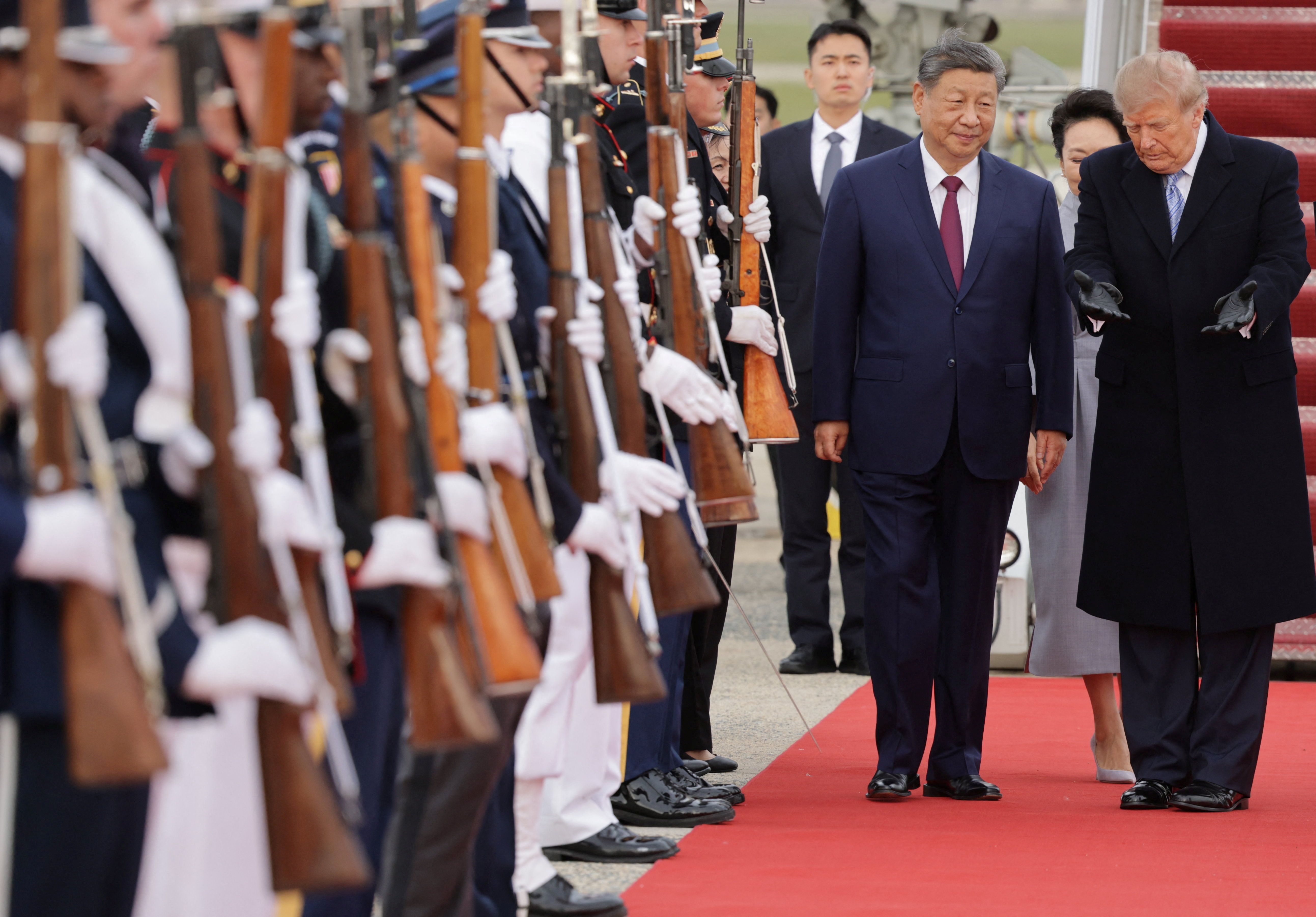 SemaforThis piece reads center-right
“balance of power in the relationship has shifted”
Word choiceUses dramatic geological metaphor to describe the power balance as fundamentally and irreversibly changed, where other coverage frames it as a temporary agreement.
Read the original
Placements are generated by an AI model from each article’s own headline and summary, and every quotation above is checked to be a real substring of that article before it is published. How this is done
Prism is free and carries no advertising. Support it if it was useful.