Trump doubles down on claims US will win war with Iran as mediated talks continue
Reported by
A dot shows how that piece reads — Prism rates articles, not outlets, and shows the words behind each placement below. No dot means the piece isn’t rated. How the ratings work
What happened
The account the coverage agrees on, with contested figures attributed rather than asserted. This is not one of the five framings below — it is the ground they all stand on.
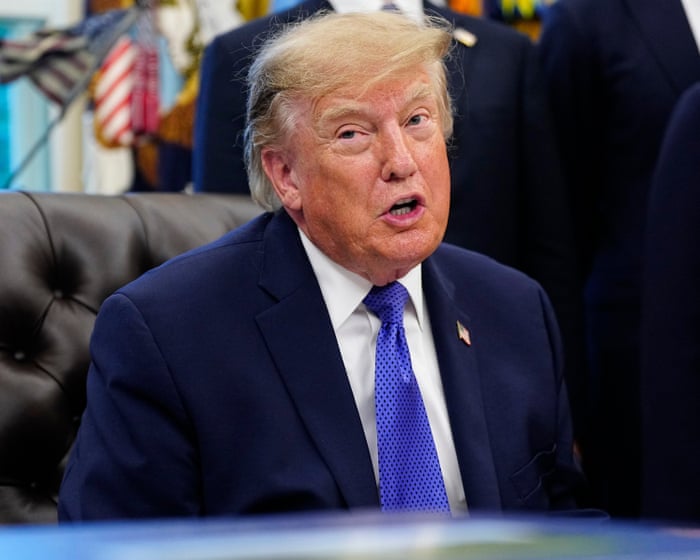
President Trump said the U.S. will win a war with Iran 'one way or the other' and 'very soon,' according to Breitbart. The American Conservative reports U.S.-Iran talks are continuing through mediators, with discussions reportedly covering the Strait of Hormuz and Iran's nuclear program. The Guardian's live blog notes these talks are now in doubt. HuffPost frames Trump's statement as a concession that the war is not over and he has not won it, contrasting it with months of prior claims to the opposite.
How the spectrum reads this story
The same event, summarised as five points on the political spectrum would each tend to frame it. These are generated by an AI model and are a starting point, not the last word.
Left
Trump's belligerent rhetoric about winning a war with Iran 'one way or the other' reveals how military escalation and bombast substitute for genuine diplomacy. Even as talks continue, his language signals a willingness to pursue military solutions, which would be catastrophic for both nations and the region. The U.S. should prioritize de-escalation and negotiated settlement; instead, Trump's framing keeps the military option on the table as a fallback, perpetuating cycles of tension and justifying massive defense spending.
Center-left
Trump's mixed messaging—simultaneously claiming imminent victory while talks continue—undermines the credibility of U.S. negotiating positions. Effective diplomacy requires predictable, measured communication; instead, the administration alternates between bellicose declarations and mediated negotiations. A serious approach to Iran would involve sustained diplomatic engagement without inflammatory rhetoric that hardens positions on both sides and makes compromise harder to achieve.
Center
Trump's statements reflect genuine tension between two competing strategies: military pressure and negotiated resolution. His 'one way or the other' framing keeps both options visible, which can be useful leverage in talks, but it also risks miscalculation if either side overestimates the other's willingness to escalate. The fact that mediated talks are continuing suggests some diplomatic path exists; whether Trump's rhetoric helps or hurts those talks depends on Iran's interpretation and how skillfully mediators manage the messaging.
Center-right
Trump is right to maintain firmness on Iran while keeping diplomatic channels open. Projecting confidence in eventual U.S. victory—whether through negotiation or military means—is appropriate when dealing with a regime hostile to American interests. The administration's dual-track approach of mediated talks alongside clear statements about military capability reflects sound strategy: it maximizes U.S. leverage by making clear that Iran cannot simply wait out American resolve.
Right
Trump's declaration that the U.S. will prevail 'one way or the other' is the correct stance toward Iran's regime. Too many administrations have been weak in their dealings with Tehran; Trump is refusing to be pushed around and is making clear the outcome is not in doubt. The mediated talks are fine as long as they serve American interests, but the key message—that the U.S. will not accept defeat—must remain unambiguous.
Hear two viewpoints debate it
Pick two viewpoints and Prism writes a short, six-turn exchange about this story in each one’s own voice — steel-manned, no winner declared. Each pairing is written once and then saved for every reader. The voices are AI syntheses of a tradition, not real people.
New pairing — Prism will write it now.
How each outlet covered it
Where Prism places each piece — not the outlet in general — with the words from that piece that put it there, and the photograph the outlet chose. Picking a photo is a framing decision too.
- HuffPostThis piece reads center-left
“Finally Admitting His War Against Iran Is Not Over”
Read the original - The American ConservativeThis piece reads center-right
“Iran War Day 213”
FramingUses numbered day-counting (Day 213) to frame the conflict as an ongoing, protracted war rather than a series of incidents or a negotiation.
Read the original 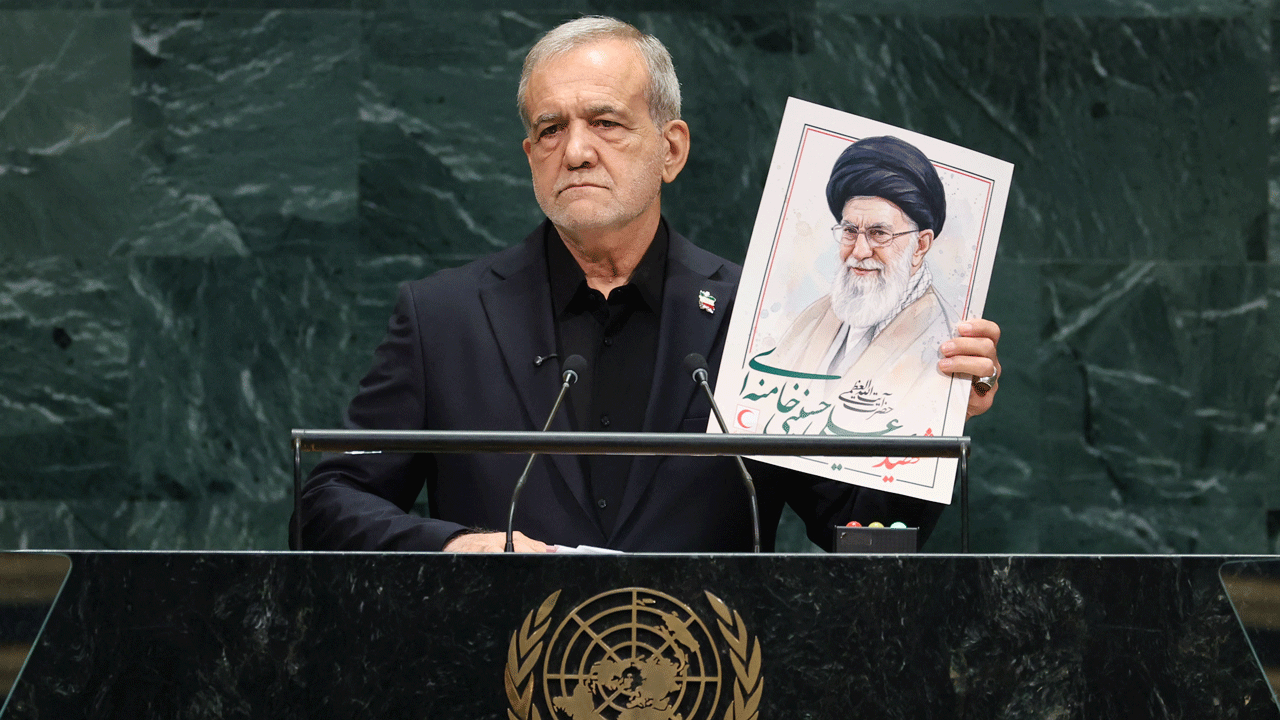
- BreitbartThis piece reads right
“U.S. Will Win Iran War 'Very Soon”
FramingPresents Trump's claim of eventual U.S. victory as established fact within the news reporting, rather than as a claim or prediction he made.
Read the original
Placements are generated by an AI model from each article’s own headline and summary, and every quotation above is checked to be a real substring of that article before it is published. How this is done
Prism is free and carries no advertising. Support it if it was useful.