Iran receives US response to ceasefire proposal as nuclear talks continue
Reported by
A dot shows how that piece reads — Prism rates articles, not outlets, and shows the words behind each placement below. No dot means the piece isn’t rated. How the ratings work
What happened
The account the coverage agrees on, with contested figures attributed rather than asserted. This is not one of the five framings below — it is the ground they all stand on.
Iran said it received a U.S. response to its ceasefire proposal, which included seven conditions for ending hostilities and reopening the Strait of Hormuz. The response was delivered via Qatari mediators in Doha on September 30. Iranian Foreign Minister Abbas Araqchi was expected to discuss the U.S. feedback in Tehran on Wednesday. Multiple sources reported that talks have made little progress, with neither side willing to compromise on key issues including sequencing of negotiations and sanctions relief.
How the spectrum reads this story
The same event, summarised as five points on the political spectrum would each tend to frame it. These are generated by an AI model and are a starting point, not the last word.
Left
The U.S. and Iran are in deadlocked negotiations mediated by Qatar over a seven-day ceasefire plan. The central dispute involves sequencing—Iran wants sanctions lifted before making concessions on its nuclear program, while Washington refuses to move on relief first. Trump's denial of offering sanctions relief, coupled with reports that neither side will budge, reflects how U.S. maximum-pressure policies have foreclosed the kind of reciprocal diplomacy that might actually work. Without a shift in approach, renewed military conflict looms.
Center-left
Qatari mediators have conveyed a U.S. response to Iran's seven-point ceasefire proposal, but talks remain stalled over sequencing disagreements—particularly whether sanctions relief or Iranian concessions should come first. Both sides are dug in, and Trump's public dismissal of sanctions-relief reports undermines the diplomatic process. While negotiations continue through official channels, the lack of visible progress raises genuine concerns about escalation. A breakthrough will require both parties to show flexibility on the order of steps.
Center
After weeks of Qatari-mediated talks, the U.S. has formally responded to Iran's ceasefire proposal, but the discussions are gridlocked over procedural questions—chiefly the sequencing of sanctions relief and Iranian concessions. Neither the U.S. nor Iran has moved significantly from its opening position. Trump's public denial of sanctions-relief offers may reflect negotiating posture or genuine policy, but it has muddied the diplomatic waters. The talks remain technically alive, though both sides are preparing for the possibility that military conflict could resume.
Center-right
The U.S. has delivered its response to Iran's ceasefire proposal through Qatar, but negotiations are stalled over fundamental disagreements. Iran wants sanctions lifted first before making concessions, while the U.S. correctly insists that Iran must demonstrate commitment on its nuclear program before relief is granted. Trump's refusal to offer blanket sanctions relief is the right position—rewarding Iran upfront would only embolden further aggression. The current impasse reflects Iran's unwillingness to negotiate seriously, not American inflexibility.
Right
Iran claims to have received a U.S. response to its ceasefire proposal, but negotiations via Qatar remain deadlocked. The core issue is Iran's demand that the U.S. lift sanctions and its naval blockade before Iran takes any steps—a non-starter position that shows Iran is not negotiating in good faith. Trump correctly rejected reports that he would cave on sanctions relief. The stalled talks and mutual unwillingness to compromise demonstrate that Iran views diplomacy as a delaying tactic while it pursues its regional ambitions.
Hear two viewpoints debate it
Pick two viewpoints and Prism writes a short, six-turn exchange about this story in each one’s own voice — steel-manned, no winner declared. Each pairing is written once and then saved for every reader. The voices are AI syntheses of a tradition, not real people.
New pairing — Prism will write it now.
How each outlet covered it
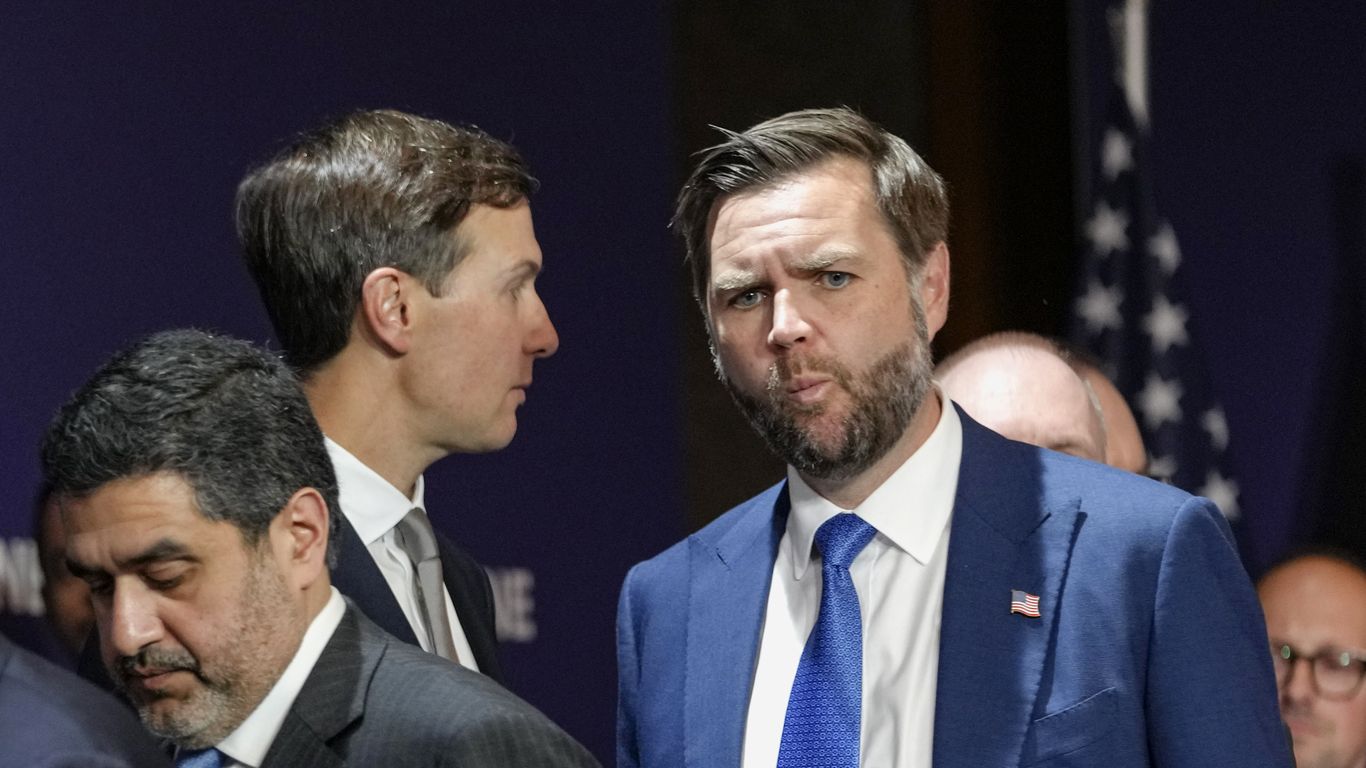
Where Prism places each piece — not the outlet in general — with the words from that piece that put it there, and the photograph the outlet chose. Picking a photo is a framing decision too.
- Stuffnot ratedRead the original
- AxiosThis piece reads center-left
“neither side willing to budge”
Word choiceUses 'budge' to describe both parties' immobility, a colloquial term that emphasizes stubbornness; other outlets use more neutral language like 'little progress' or report specific disagreements over sequencing.
Read the original - The Times of IndiaThis piece reads center-left
“US has deemed the proposal insufficient, citing worries about sanctions relief”
FramingStates as fact that the U.S. found the proposal insufficient, whereas other outlets report only that talks have made little progress and neither side moved—the Times of India offers more interpretation of the U.S. position than others provide.
Read the original - CBS NewsThis piece reads center
“Iran says it's considering ceasefire counterproposal”
Read the original - Toronto SunThis piece reads center
“Iran said it has put forward seven conditions for ending hostilities”
Read the original  Israel HayomThis piece reads center-right
“Iran talks stall as fears of renewed fighting grow”
Word choiceLeads with escalation fears and stalled talks, emphasizing the conflict risk, while other outlets focus more neutrally on the exchange of proposals and sequencing disputes.
Read the original- The American ConservativeThis piece reads center-right
“Iran War Day 214”
FramingNumbers the conflict as 'Day 214,' a framing that emphasizes duration and ongoing warfare rather than treating it as a negotiation in process, as other outlets do.
Read the original

Placements are generated by an AI model from each article’s own headline and summary, and every quotation above is checked to be a real substring of that article before it is published. How this is done
Prism is free and carries no advertising. Support it if it was useful.