Trump rejects Iran's proposal to reopen Strait of Hormuz
Reported by
A dot shows how that piece reads — Prism rates articles, not outlets, and shows the words behind each placement below. No dot means the piece isn’t rated. How the ratings work

What happened
The account the coverage agrees on, with contested figures attributed rather than asserted. This is not one of the five framings below — it is the ground they all stand on.
President Trump rejected an Iranian proposal on Saturday to reopen the Strait of Hormuz and end hostilities. Iran, presenting the plan at the UN General Assembly in New York, said the waterway could resume normal traffic within seven days if conditions were met. Trump told reporters the deal was not "acceptable." According to the Wall Street Journal, Trump told aides he expects U.S. bombing of Iran to resume after the November midterm elections, though he demurred publicly on whether strikes would restart. The conflict between the U.S. and Iran has been at a stalemate for nearly seven months.
Developing story · 2 chapters
- Iran's President Pezeshkian responds to Trump's 'annihilation' threat at UN General Assembly
- Trump rejects Iran's proposal to reopen Strait of Hormuzyou are here
How each side framed the previous chapter
Compare these with the five framings below to see what moved as the story developed — and what each side kept saying regardless.
Left
Trump's bellicose threats at the UN escalate dangerous militarism and undermine diplomacy. Iran's defensive response—asserting its sovereignty and right to nuclear capability—reflects legitimate resistance to U.S. hegemonic pressure and bullying. The U.S. and Israel's aggression in the region drives regional instability; real security requires recognizing Iran's legitimate security concerns and ending the cycle of threats and military posturing that empowers hardliners on both sides.
Center-left
Trump's inflammatory language at the UN undermines diplomatic efforts and raises tensions when dialogue is essential. Iran's response, while firm, signals it remains open to talks—a positive sign. The international community should encourage both sides to step back from threats and pursue serious negotiations. Iran's nuclear program remains a legitimate concern that requires diplomatic resolution, not ultimatums.
Center
Both sides used the UN platform to air grievances rather than seek common ground. Trump's threat and Iran's defiant response reflect the deep mistrust between Washington and Tehran, with neither side signaling flexibility. Tajani's call for Iran to change tone suggests international frustration that public posturing is drowning out quiet diplomacy. Real progress requires both leaders to lower the temperature and allow negotiators room to work.
Center-right
Iran's aggressive rhetoric and continued pursuit of nuclear weapons remain a serious regional threat. While Trump's warnings may be blunt, they reflect justified concern about Iran's destabilizing activities and nuclear ambitions. Iran claims openness to talks but defends its nuclear program unconditionally—making genuine negotiation difficult. International pressure, including firm messaging from the U.S., is necessary to push Iran toward meaningful concessions on its weapons program.
Right
Trump correctly identified the threat Iran poses and refused to be intimidated. Iran's defiant UN speech shows it will not yield to reasonable demands about its nuclear program, confirming that strong American leadership is the only language Tehran understands. Pezeshkian's blaming of the U.S. and Israel is propaganda masking Iran's regional aggression. Only sustained American resolve and clear red lines will deter Iranian expansion.
How the spectrum reads this story
The same event, summarised as five points on the political spectrum would each tend to frame it. These are generated by an AI model and are a starting point, not the last word.
Left
Trump's rejection of Iran's ceasefire proposal reveals the administration's commitment to military domination over diplomacy. A seven-day pause to reopen a vital global waterway and restart negotiations was a reasonable offer—exactly what de-escalation should look like—yet Trump dismissed it and signaled plans to resume bombing after the elections. This weaponization of the midterms shows how the war serves domestic political interests rather than genuine security, and illustrates how military-industrial priorities override peace.
Center-left
Trump's rejection of Iran's proposal is a missed opportunity for diplomacy. The plan to reopen the Strait of Hormuz within a week and restart peace talks addresses real economic harm to global energy markets and offers a clear off-ramp from a costly seven-month conflict. While Trump says he wants a deal, his public rejection and reported plans to resume strikes after the midterms suggest military escalation remains the preferred option, which risks further regional destabilization.
Center
Both sides have offered proposals, and both have rejected the other's terms—a stalemate that reflects how far apart their actual demands remain. Trump's caution about the Iranian offer is understandable given unresolved disagreements on key issues, but so is Iran's frustration after seven months of conflict. The real work lies in narrowing those gaps through sustained mediation, not in grandstanding rejections. Timing the resumption of strikes to the midterm calendar, rather than to actual negotiating progress, is a political choice that complicates any genuine settlement.
Center-right
Trump is right to be skeptical of an Iranian proposal that amounts to a tactical pause rather than a lasting settlement. Iran's offer to reopen the Strait of Hormuz for a week while negotiations continue is designed to relieve economic pressure without addressing core security concerns or the underlying conflict. Trump's insistence on unacceptable terms for any deal reflects appropriate firmness—the U.S. should not accept partial measures that benefit Iran strategically while leaving the core dispute unresolved.
Right
Trump correctly rejected Iran's deceptive ceasefire proposal. After seven months of successfully degrading Iranian military capacity through decisive action, agreeing to a temporary opening of the Strait while talks drag on would squander those gains and allow Iran to regroup. Trump's clear statement that bombing will resume after the midterms shows strength and resolve—he is not fooled by Iranian pressure tactics or international mediators pushing false equivalence between the aggressor and the defender.
Hear two viewpoints debate it
Pick two viewpoints and Prism writes a short, six-turn exchange about this story in each one’s own voice — steel-manned, no winner declared. Each pairing is written once and then saved for every reader. The voices are AI syntheses of a tradition, not real people.
New pairing — Prism will write it now.
How each outlet covered it
Where Prism places each piece — not the outlet in general — with the words from that piece that put it there, and the photograph the outlet chose. Picking a photo is a framing decision too.
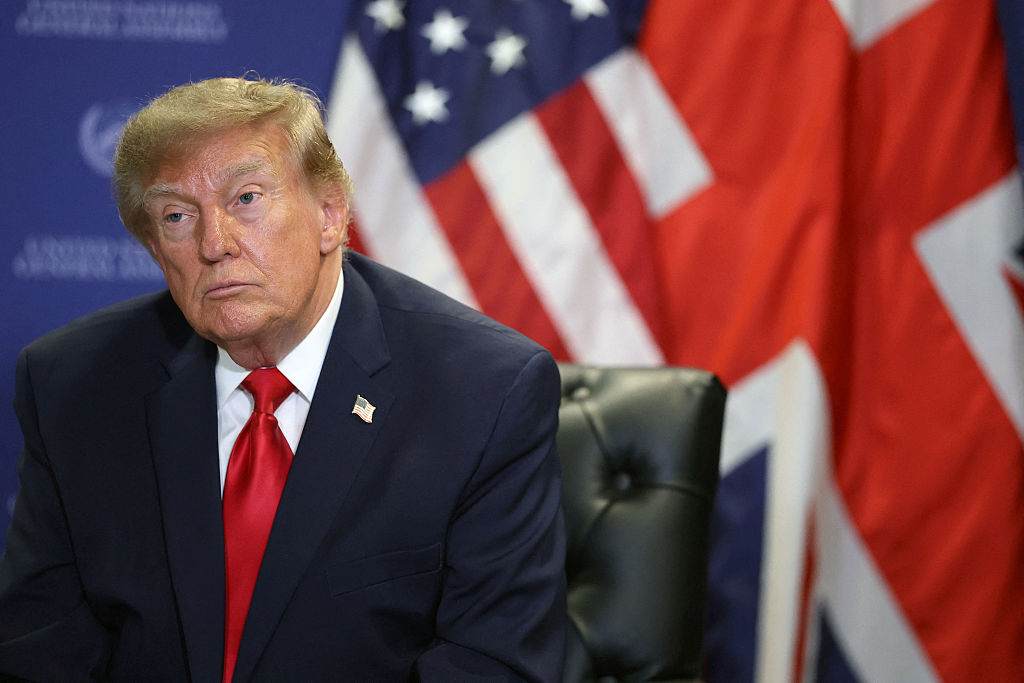 Salonnot rated
Word choiceSpecifies the exact duration of the conflict, emphasizing the length and cost of the war in a way other outlets do not.
Read the original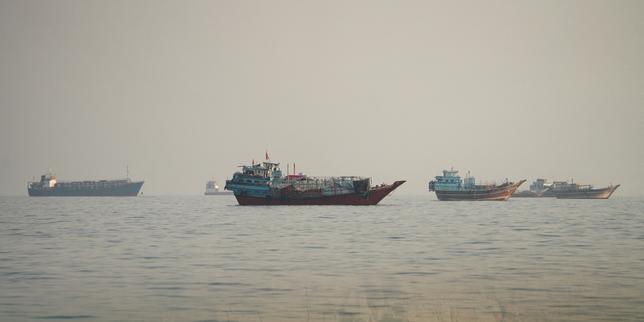 Le Mondenot rated
Word choiceDescribes the Strait as central to 'the war,' a more direct framing of the conflict than outlets that treat it as background context.
Read the original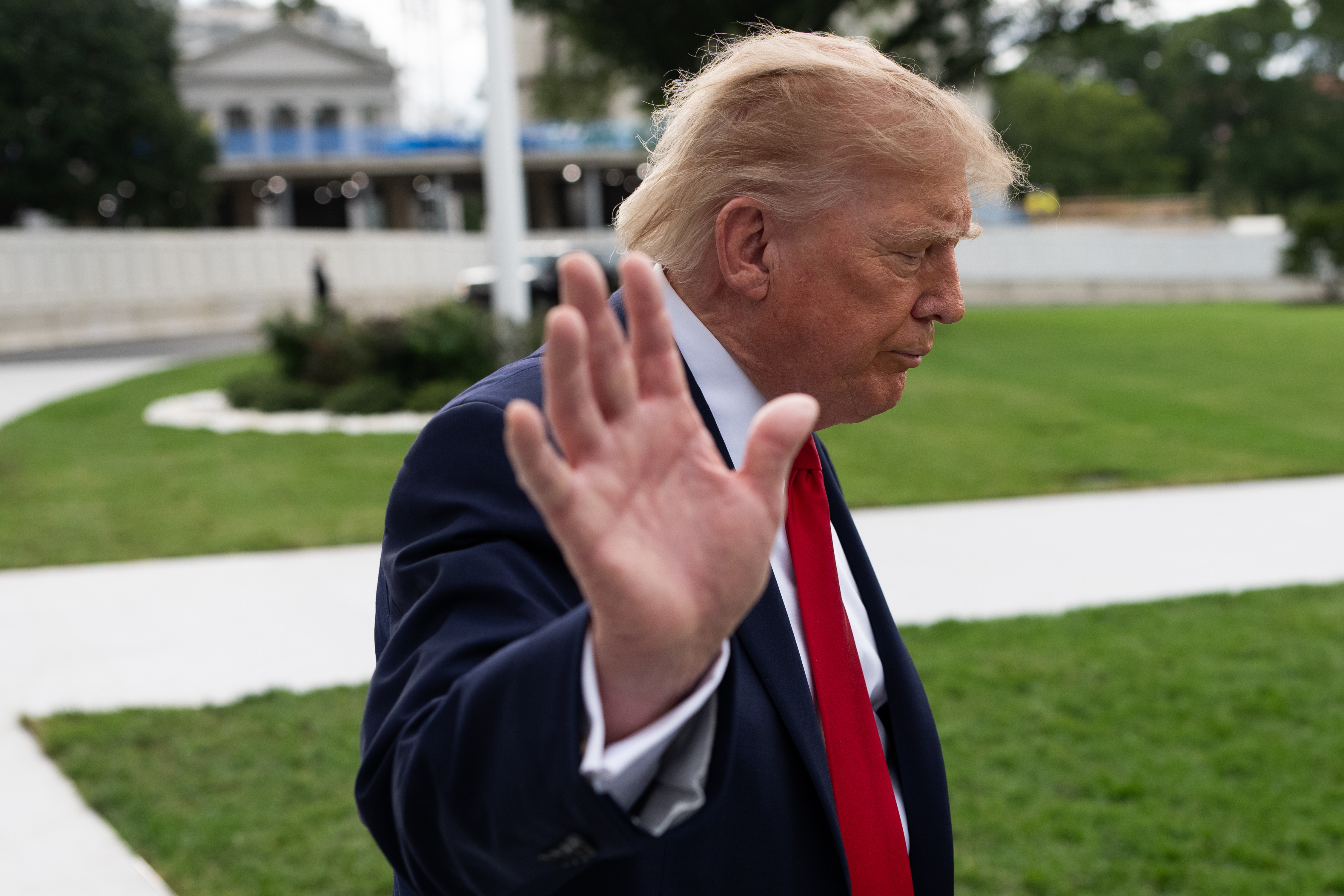 NPRThis piece reads center
“rejecting an Iranian plan to reopen the Strait of Hormuz”
Read the original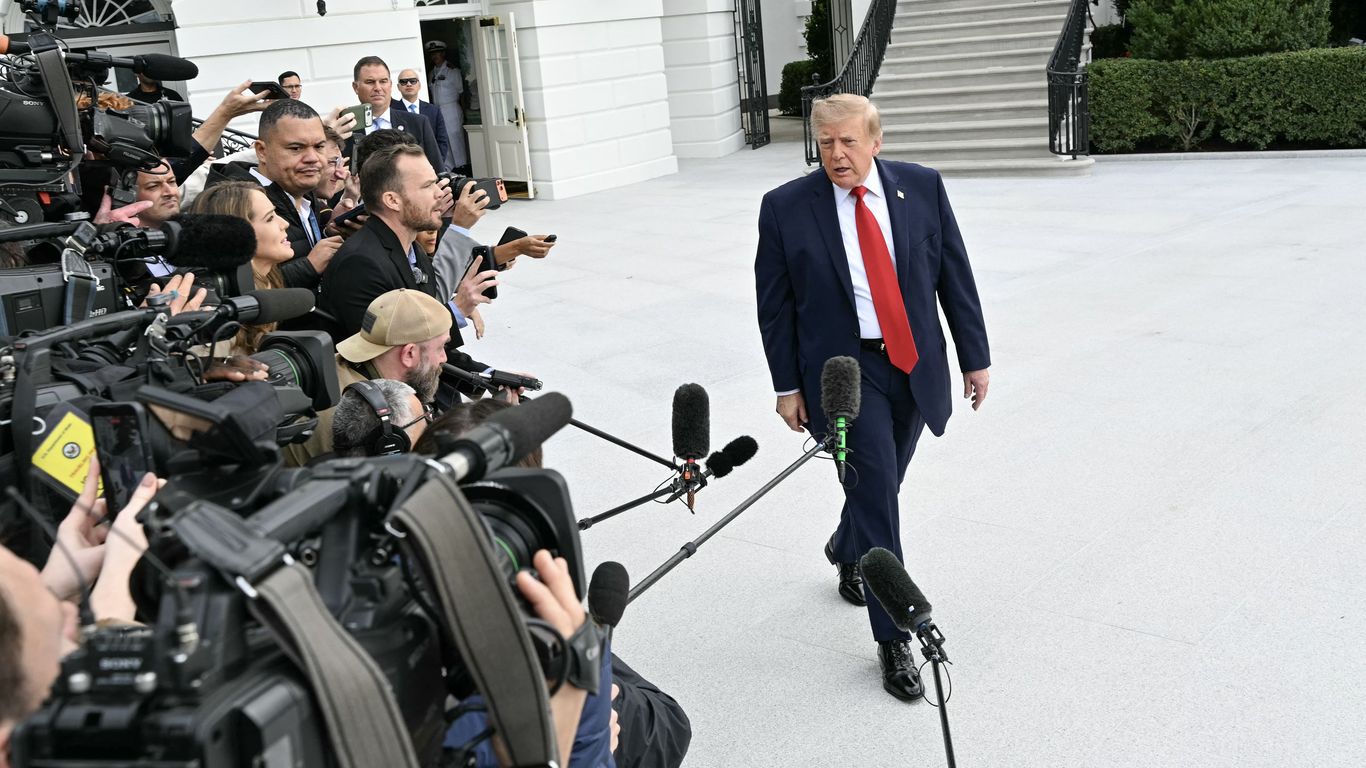
 DawnThis piece reads center
“Iran offered a plan to reopen the strategic Strait of Hormuz”
Read the original- Euronewsnot ratedRead the original
 Financial TimesThis piece reads center
“Tehran offered a week-long break in hostilities to kick-start peace talks”
Read the original- The Straits TimesThis piece reads center
“Iran wants to reopen the strait so it can earn money, said Trump”
Read the original 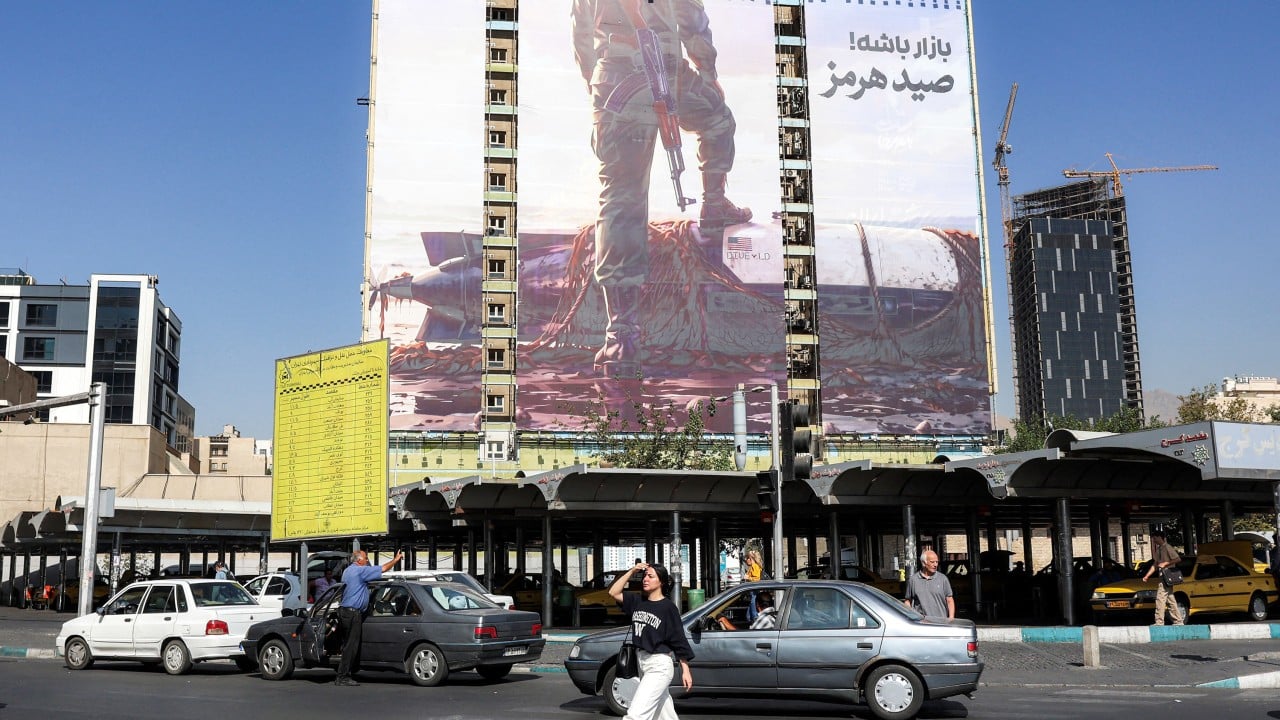 South China Morning Postnot ratedRead the original
- Al-MonitorThis piece reads center
“US President Donald Trump said on Saturday he had rejected an Iranian proposal”
Read the original - Politico Europenot rated
FramingLeads with Trump's characterization of Iran's motivation and military position, framing the proposal through Trump's competitive lens rather than on its own terms.
Read the original - Taipei TimesThis piece reads center
“Trump rejects Tehran's ceasefire proposal, report says”
Read the original  Straight Arrow NewsThis piece reads center-right
“expects the bombing of Iran to resume after the November midterm elections”
FramingStates Trump's expectation as a direct fact rather than, as other outlets do, attributing it to WSJ reporting or noting Trump merely demurred publicly on the question.
Read the original- CNBCThis piece reads center-right
“conditional ceasefire proposal”
Word choiceAdds the word 'conditional' to describe the Iranian offer, whereas most outlets simply call it a proposal or plan without that qualifier.
Read the original  UPIThis piece reads center-right
“he plans to resume attacks on Iran after the elections in November”
Read the original
Placements are generated by an AI model from each article’s own headline and summary, and every quotation above is checked to be a real substring of that article before it is published. How this is done
Prism is free and carries no advertising. Support it if it was useful.