Supreme Court allows Trump administration to use federal voter database for citizenship verification
Reported by
A dot shows how that piece reads — Prism rates articles, not outlets, and shows the words behind each placement below. No dot means the piece isn’t rated. How the ratings work
CNN
What happened
The account the coverage agrees on, with contested figures attributed rather than asserted. This is not one of the five framings below — it is the ground they all stand on.
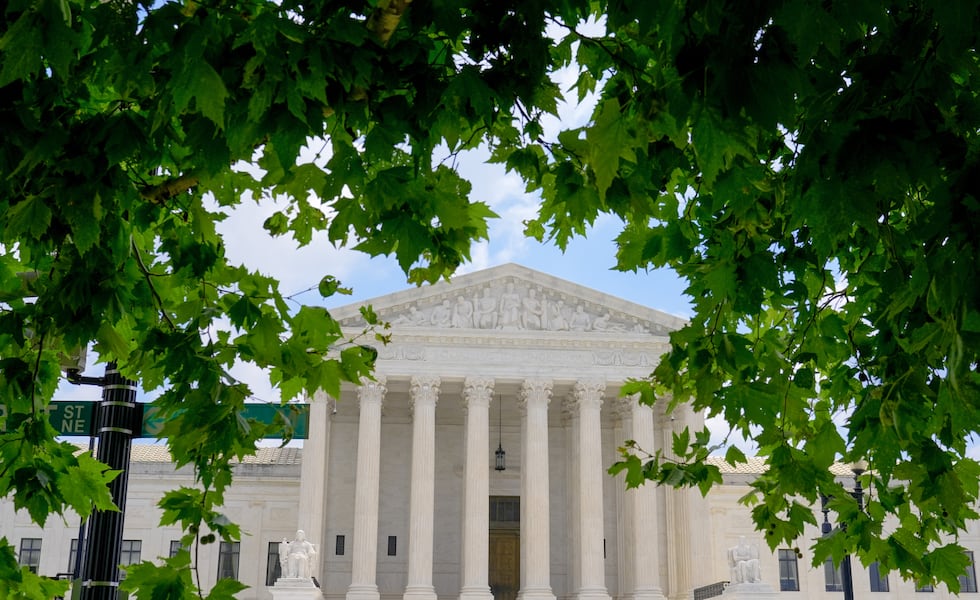
The US Supreme Court in a 6-3 decision on Friday allowed the Trump administration to use an expanded federal database containing citizenship information, including Social Security data, to help states verify voter citizenship on their rolls. The court's unsigned opinion rejected arguments that the administration violated the Social Security Act, Privacy Act, or Administrative Procedure Act. A lower court had previously ruled the program likely violated privacy rights and threatened voting access. The decision comes ahead of November midterm elections.
How the spectrum reads this story
The same event, summarised as five points on the political spectrum would each tend to frame it. These are generated by an AI model and are a starting point, not the last word.
Left
The Supreme Court has enabled a dangerous voter purge scheme that weaponizes government databases to disenfranchise citizens. By overturning the lower court's finding that the program violates privacy rights and threatens voting access, the conservative majority has prioritized an ideological crackdown on voting over constitutional protections. The database's known reliability problems mean vulnerable citizens—immigrants, minorities, people of color—face wrongful removal from rolls. This is how voting rights die: not through direct bans, but through administrative tools that manufacture pretexts to shrink the electorate.
Center-left
While election integrity matters, the Supreme Court has prioritized it in a way that risks significant harm. The Trump administration's citizenship verification program relies on databases with documented accuracy problems, and lower courts found substantial evidence it would lead to improper voter purges and privacy violations. The administration could achieve legitimate verification goals through narrower, safer means that don't put citizens at risk of losing their fundamental right to vote. Rushing this tool into use for midterms, without the safeguards courts initially required, prioritizes political timing over protecting voters.
Center
This presents a genuine tension between two legitimate concerns. States do have an interest in accurate voter rolls, and identifying noncitizens who are registered is a reasonable administrative goal. Yet the lower court raised credible concerns about data accuracy and the risk of improper purges. The Supreme Court's decision to allow the program reflects trust in the administration's implementation and the conservative majority's view that the legal violations weren't clearly established. But implementation will matter enormously—if the database leads to widespread wrongful removals, the decision will look reckless; if it works as intended with minimal error, it will vindicate the court's deference. Both outcomes are plausible.
Center-right
States should be able to maintain accurate voter rolls by identifying noncitizens, which is both a basic administrative function and a legal requirement. The Supreme Court correctly rejected claims that using federal citizenship data violates law or privacy rights—the government already holds this information and using it for a lawful purpose is reasonable. The lower court's blocking of the program was judicial overreach that tied officials' hands in performing routine election administration. Concerns about accuracy can be addressed through implementation details; they shouldn't block access to relevant, existing federal data.
Right
The Supreme Court has finally restored common sense to election administration. Preventing noncitizens from voting is neither controversial nor dangerous—it is the basic duty of government. Democrats and their allies in lower courts have weaponized privacy and accuracy concerns to block legitimate election security work, but the high court saw through the obstruction. The Trump administration's use of federal citizenship data to verify voter eligibility is straightforward and constitutional. Those claiming this threatens voting rights are either ignorant or deliberately misleading the public about what election integrity requires.
Hear two viewpoints debate it
Pick two viewpoints and Prism writes a short, six-turn exchange about this story in each one’s own voice — steel-manned, no winner declared. Each pairing is written once and then saved for every reader. The voices are AI syntheses of a tradition, not real people.
New pairing — Prism will write it now.
How each outlet covered it
Where Prism places each piece — not the outlet in general — with the words from that piece that put it there, and the photograph the outlet chose. Picking a photo is a framing decision too.
- LA TimesThis piece reads center-left
“stoking fears of voter purges”
Word choiceFrames the court's decision in terms of its effect on public concern, using language that emphasizes worry and alarm rather than describing the decision itself.
Read the original  CNNThis piece reads center-left
“major win for President Donald Trump's efforts”
Word choiceDescribes the outcome in explicitly competitive terms as a win for a political figure, whereas other outlets report the decision more neutrally.
Read the original Le Mondenot rated
FramingOpens by highlighting what the decision reverses (the lower court's privacy-rights finding) rather than what it allows, framing it as a reversal rather than as affirmative permission.
Read the original BBCThis piece reads center-left
“controversial database to check voter citizenship”
Word choiceEmphasizes dispute by calling the tool controversial, then immediately pivots to critics' concerns about wrongful removal—leading the framing toward skepticism of the database.
Read the original- CBS Newsnot ratedRead the original
 NYTnot ratedRead the original
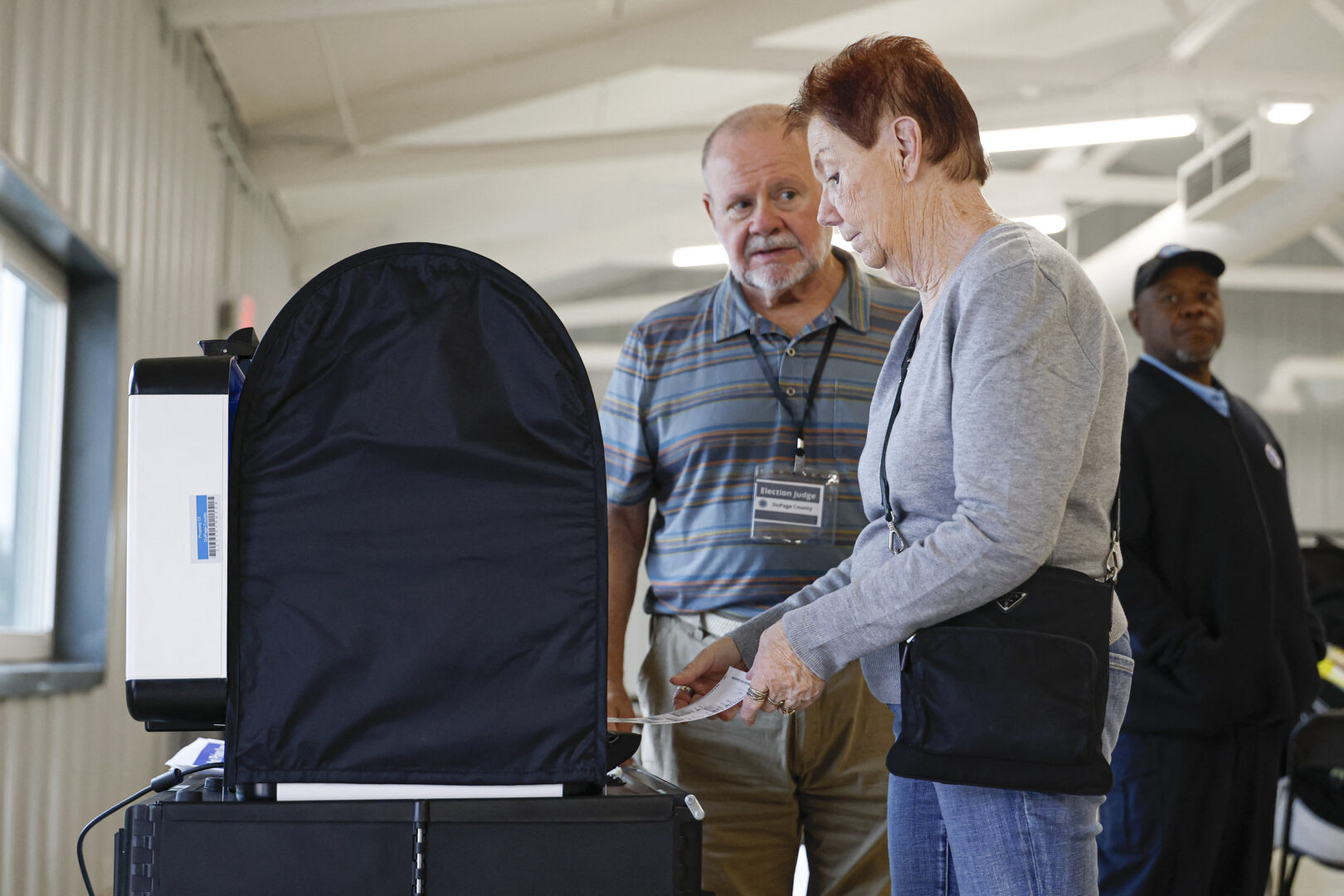 Roll CallThis piece reads center-left
“lower court ruling which found likely privacy and accuracy problems”
Word choicePlaces 'purportedly' before 'eligible,' introducing doubt about the database's claims where other outlets state what it contains factually.
Read the original CNAnot ratedRead the original
 SCOTUSblogThis piece reads center
“clears way for Trump administration to use modified voter verification database”
Read the original UPInot ratedRead the original
 Deseret NewsThis piece reads center
“allows states to use citizenship database for voter checks”
Read the original Straight Arrow Newsnot ratedRead the original
- Washington PostThis piece reads center
“Government can use Social Security data to identify noncitizen voters”
Read the original 
 Just the NewsThis piece reads center-right
“reinstated President Donald Trump's voter citizenship verification rules”
Read the original The FederalistThis piece reads right
“Restores DHS Program Used To Identify Noncitizens On Voter Rolls”
Read the original
Placements are generated by an AI model from each article’s own headline and summary, and every quotation above is checked to be a real substring of that article before it is published. How this is done
Prism is free and carries no advertising. Support it if it was useful.