Xi pushes Trump to oppose Taiwan independence during US visit
Reported by
A dot shows how that piece reads — Prism rates articles, not outlets, and shows the words behind each placement below. No dot means the piece isn’t rated. How the ratings work

What happened
The account the coverage agrees on, with contested figures attributed rather than asserted. This is not one of the five framings below — it is the ground they all stand on.
Chinese President Xi Jinping visited the White House on Thursday for his first trip to Washington in more than a decade, where he met with President Trump. During the visit, Xi pressed Trump to oppose Taiwan independence, according to reporting by the National Post, though Trump's response was unclear. Xi also laid out positions on AI, Iran, and managing US-China competition. Trump provided Xi with a state visit including a state dinner, and described their relationship as a "truly great friendship." The National Post reported that Trump has delayed a planned $14 billion arms package for Taiwan for months.
How the spectrum reads this story
The same event, summarised as five points on the political spectrum would each tend to frame it. These are generated by an AI model and are a starting point, not the last word.
Left
Trump's lavish reception for Xi while capitulating on Taiwan signals a dangerous shift in US foreign policy. By delaying military aid to Taiwan and remaining noncommittal on opposing its independence, the administration abandons democratic allies for the sake of courting an authoritarian superpower. This visit suggests Trump is willing to trade away principles and strategic commitments for personal rapport, emboldening Beijing's expansionist ambitions and undermining the rules-based international order that has underpinned stability in Asia.
Center-left
The Trump-Xi summit reflects troubling priorities. While diplomatic engagement with China is necessary, the lavish welcome and Trump's apparent openness to Xi's demands on Taiwan—coupled with the delayed arms package—suggest the administration may be negotiating away crucial commitments to Taiwan's democracy without securing concrete reciprocal concessions. A stronger negotiating stance that maintains US support for Taiwan while engaging China would better serve American interests.
Center
The summit illustrates the inherent tension in managing great-power relations: engagement requires hospitality and listening, yet concessions must be weighed carefully. Xi's state visit was appropriate protocol, but Trump should balance diplomatic courtesy with strategic clarity. The delayed Taiwan arms package and unclear response to Xi's demands suggest the administration may be prioritizing relationship-building over the deliberate, transactional approach that serves long-term US interests. Engagement and deterrence both matter.
Center-right
Trump's decision to host Xi with full diplomatic honors reflects mature statecraft—the US and China must manage their relationship pragmatically. However, the delayed Taiwan arms package and Trump's equivocation on opposing independence risk appearing weak to Beijing and could embolden Chinese aggression. The administration should maintain strong deterrence through Taiwan support while seeking genuine agreements on trade, AI, and Iran. Friendship cannot come at the expense of credibility.
Right
Trump's engagement with Xi demonstrates prudent realism: the US cannot afford constant confrontation with a nuclear-armed rival, and excessive Taiwan commitments could entangle America in conflicts that serve no vital interest. Xi's visit reflects the reset in US-China relations that Trump promised. The state visit sends the right signal that the US values the relationship and is willing to negotiate. However, any concessions on Taiwan must be matched by Chinese concessions elsewhere—trade, technology, and Iran policy. Strength comes from discipline, not ideology.
Hear two viewpoints debate it
Pick two viewpoints and Prism writes a short, six-turn exchange about this story in each one’s own voice — steel-manned, no winner declared. Each pairing is written once and then saved for every reader. The voices are AI syntheses of a tradition, not real people.
New pairing — Prism will write it now.
How each outlet covered it
Where Prism places each piece — not the outlet in general — with the words from that piece that put it there, and the photograph the outlet chose. Picking a photo is a framing decision too.
- Hong Kong Free PressThis piece reads center-left
“Xi sets red lines for Trump on AI, Taiwan and Iran”
Word choiceUses 'red lines'—language suggesting ultimatums or threats—rather than the softer framing of 'positions' or 'concerns' that other outlets employ.
Read the original - National PostThis piece reads center
“It isn't clear how Trump responded to Xi's request”
FramingEmphasizes ambiguity about Trump's position by opening with the unknown element rather than the known demand, leaving readers uncertain about US commitment.
Read the original 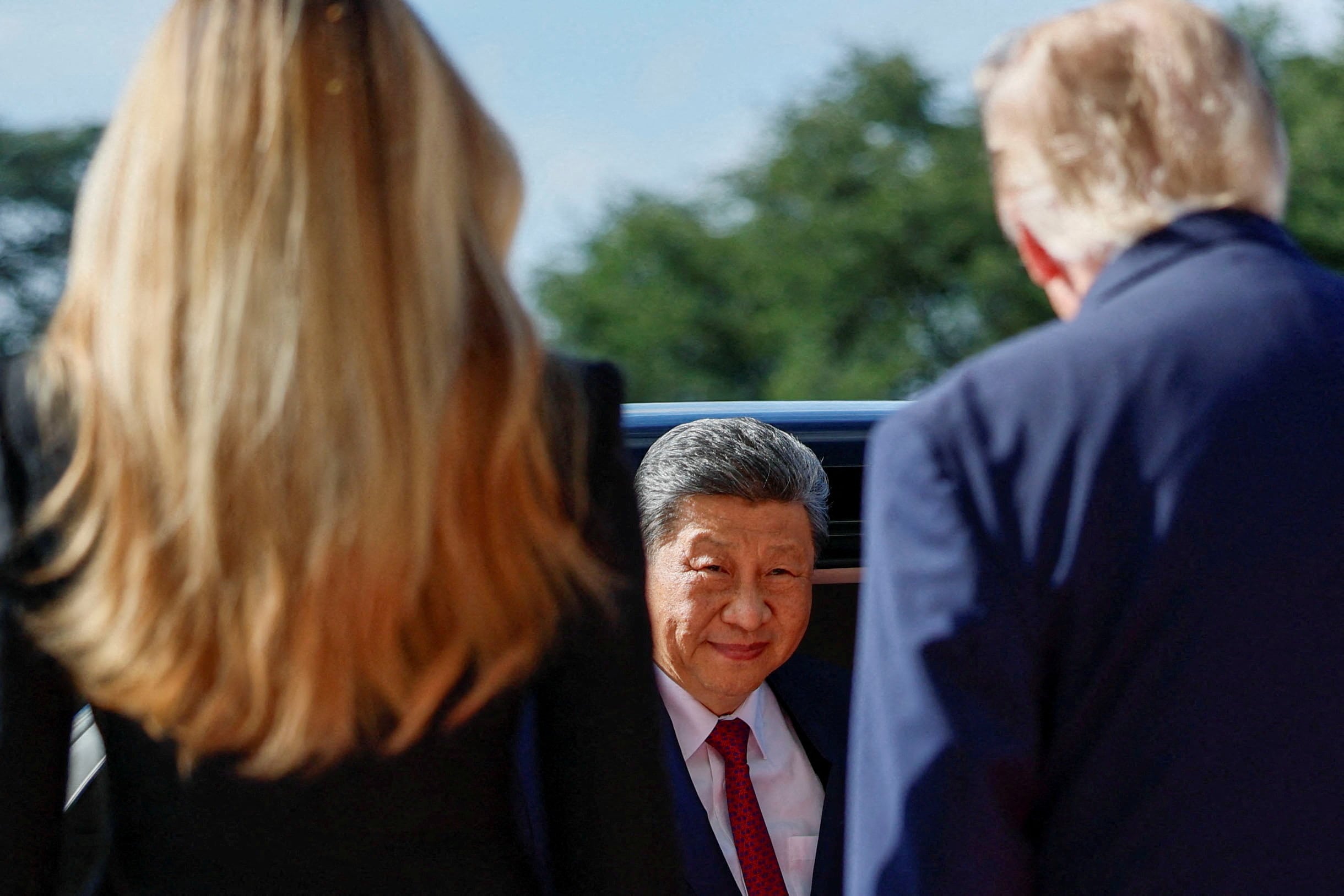 El PaísThis piece reads center
“Xi Jinping calls for 'healthy' competition between China and the United States”
Read the original- BloombergThis piece reads center
“Why Taiwan Is the Most Volatile Issue for US-China Relations”
What's left outFocuses the headline on Taiwan's structural importance to the relationship rather than on the specific interactions or requests during the summit.
Read the original 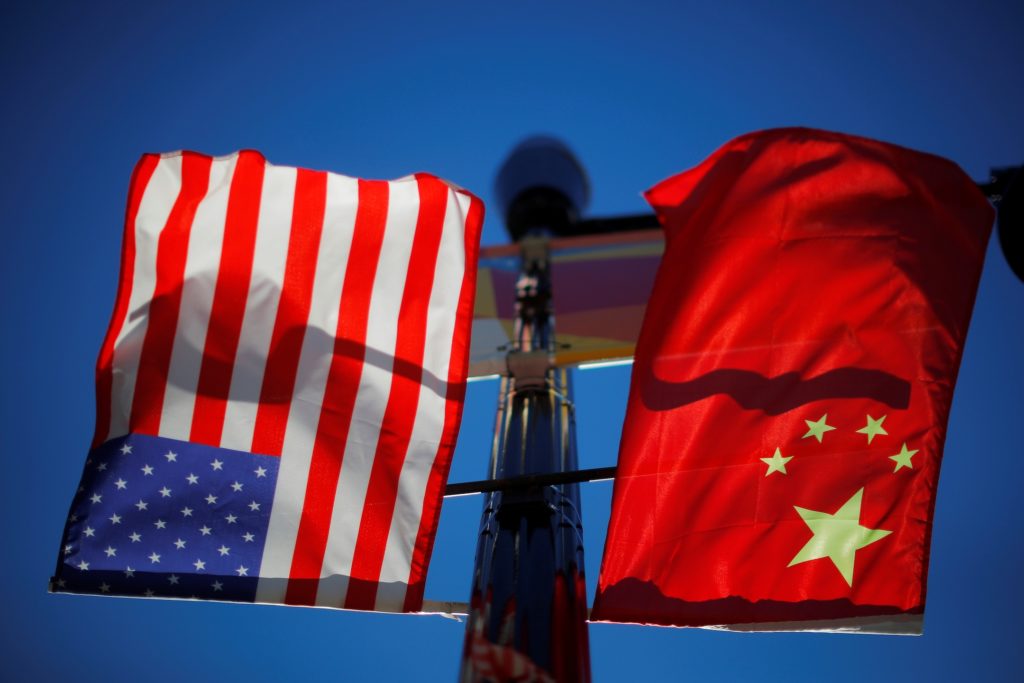 PBS NewsHourThis piece reads center
“AI, trade, Iran and Taiwan top agenda at Trump-Xi summit”
Read the original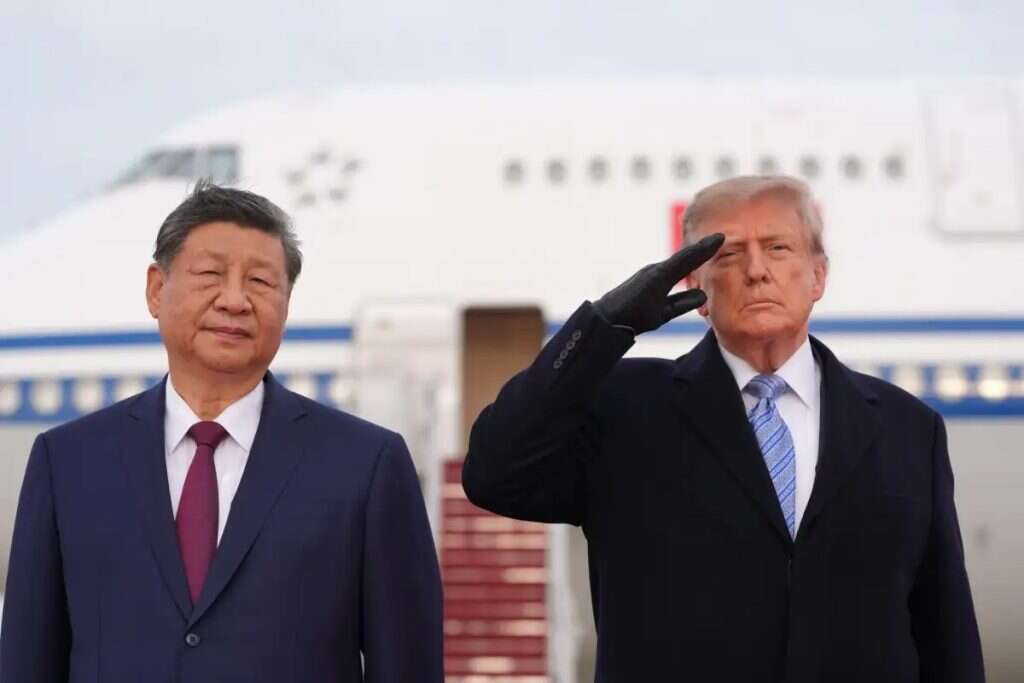 Israel HayomThis piece reads center-right
“Beijing's price could be Taiwan”
FramingFrames Taiwan as a bargaining chip or transaction cost rather than as a strategic issue, emphasizing that concessions are being demanded in exchange for the visit.
Read the original
Placements are generated by an AI model from each article’s own headline and summary, and every quotation above is checked to be a real substring of that article before it is published. How this is done
Prism is free and carries no advertising. Support it if it was useful.