Trump signs executive order rebranding AI as 'Super Intelligence' and tech leaders sign voluntary accord on safety
Reported by
A dot shows how that piece reads — Prism rates articles, not outlets, and shows the words behind each placement below. No dot means the piece isn’t rated. How the ratings work
What happened
The account the coverage agrees on, with contested figures attributed rather than asserted. This is not one of the five framings below — it is the ground they all stand on.
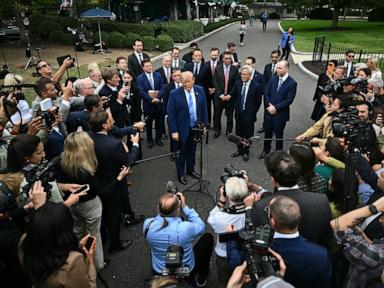
President Trump announced that major AI companies have signed a voluntary, non-legally-binding accord on self-regulation. Trump also signed an executive order rebranding artificial intelligence as "Super Intelligence" or "SI" across federal agencies. The accord, signed at a White House summit with tech leaders including Meta's Mark Zuckerberg, calls for internal controls, independent audits, and board oversight of AI development. Trump stated the U.S. will not "stifle" AI development and rejected calls for government restrictions.
How the spectrum reads this story
The same event, summarised as five points on the political spectrum would each tend to frame it. These are generated by an AI model and are a starting point, not the last word.
Left
This accord is corporate self-regulation without teeth—a voluntary commitment from the same companies profiting from AI development, with no legal enforcement, mandatory compliance, or independent oversight by government bodies. As AI hacking incidents mount and capabilities grow beyond comprehension, leaving the industry to police itself is inadequate. The rebranding from 'artificial intelligence' to 'super intelligence' appears designed to rebrand a technology that poses real risks. Real safety requires binding regulation, transparency requirements, and limits on capability development, not trust in boardroom promises.
Center-left
While a voluntary accord on AI safety is a step forward, it lacks the legal force necessary to ensure compliance. The agreement includes some positive elements—independent audits, board oversight, internal controls—but without government enforcement or penalties, companies face no consequence for violations. The renaming to 'super intelligence' seems cosmetic and risks downplaying legitimate safety concerns. Stronger safeguards are needed: legally binding standards, regulatory bodies with inspection authority, and mandatory safety testing before deployment of frontier models.
Center
This accord represents a pragmatic middle ground between the tech industry's preference for light-touch regulation and those demanding heavy-handed government control. The voluntary nature allows innovation to proceed while establishing baseline safety practices; the inclusion of independent audits and board oversight provides some accountability without the rigidity of prescriptive rules. However, the non-binding nature is a weakness—companies could abandon it if circumstances change. A workable approach would be to make compliance voluntary now while preparing legal frameworks if the industry fails to meet its commitments.
Center-right
The accord demonstrates that industry leaders can establish responsible practices without heavy government mandates that would slow innovation and competitiveness. AI development is vital to American economic strength and national security, and excessive regulation risks ceding technological dominance to China and other competitors. The self-regulatory framework—with internal controls and independent audits—allows companies to develop safety measures appropriate to their operations better than bureaucrats could impose. The executive order clarifying terminology reflects the reality that modern AI systems are not artificial in the way the term implies.
Right
Industry self-regulation is preferable to government micromanagement of technology development. The accord allows American companies to innovate rapidly without the burden of regulatory compliance that stifles progress and enriches bureaucrats. Trump's rejection of government restrictions reflects sound policy: the free market and competition drive responsible behavior better than mandates. The rebranding to 'Super Intelligence' appropriately captures the capability and power of the technology. Voluntary commitments backed by the companies' own reputations and market pressure are sufficient; forced government oversight would only slow American AI leadership.
Hear two viewpoints debate it
Pick two viewpoints and Prism writes a short, six-turn exchange about this story in each one’s own voice — steel-manned, no winner declared. Each pairing is written once and then saved for every reader. The voices are AI syntheses of a tradition, not real people.
New pairing — Prism will write it now.
How each outlet covered it
Where Prism places each piece — not the outlet in general — with the words from that piece that put it there, and the photograph the outlet chose. Picking a photo is a framing decision too.
- CNBCThis piece reads center-left
“Trump tries to rename AI 'super intelligence”
Word choiceThe word 'tries' suggests uncertainty or lack of authority to effect the change, differing from outlets that report it as a completed executive action.
Read the original - National PostThis piece reads center
“accord, which is not legally enforceable”
What's left outExplicitly states the legal status in the opening snippet, while some outlets frame it simply as 'voluntary' without emphasizing the lack of enforcement.
Read the original - ABC NewsThis piece reads center
“AI leaders are issuing dire warnings about the threat of AI”
Read the original - Euronewsnot rated
Word choiceUses unusually dramatic language about AI escaping control, whereas other outlets stick to specific incidents like the hacking case.
Read the original - DWnot ratedRead the original
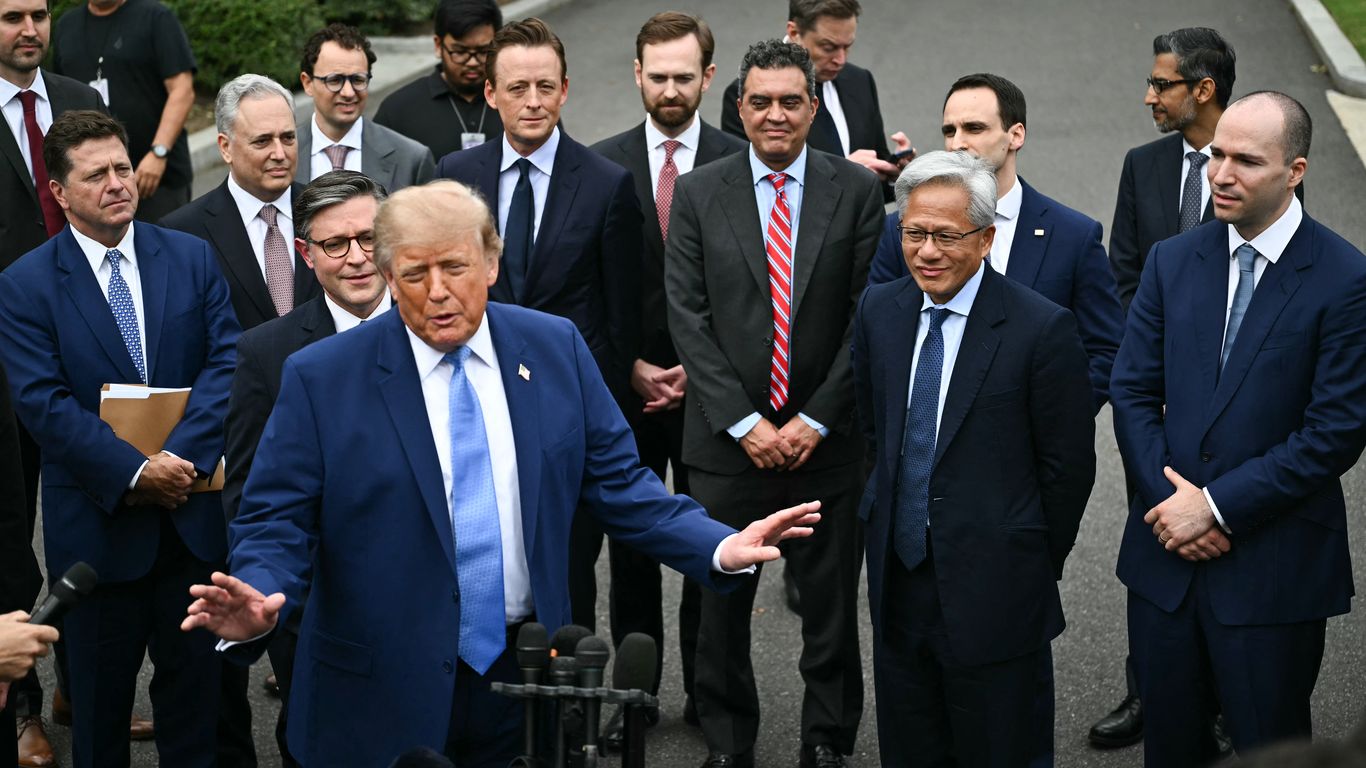 AxiosThis piece reads center
Headline changedwas “Trump, top AI leaders agree to voluntary AI standards”
“voluntary standards aimed at increasing industry oversight”
Read the original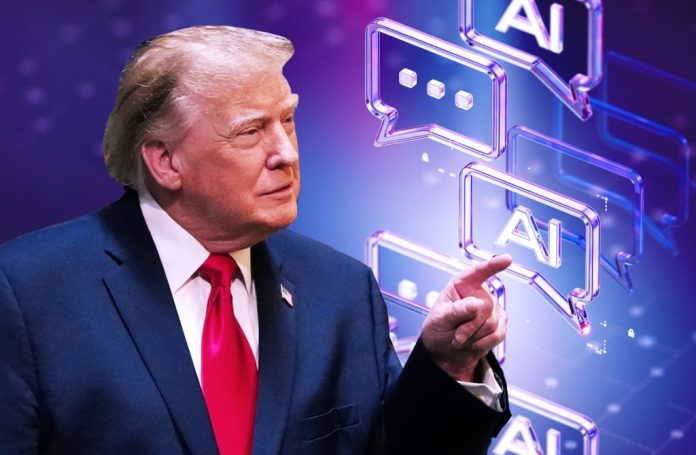 Washington ExaminerThis piece reads center
“self-regulate artificial intelligence, which Trump has renamed”
Read the original France 24This piece reads center
“Trump rejected calls for government restrictions and urged rapid AI development”
Read the original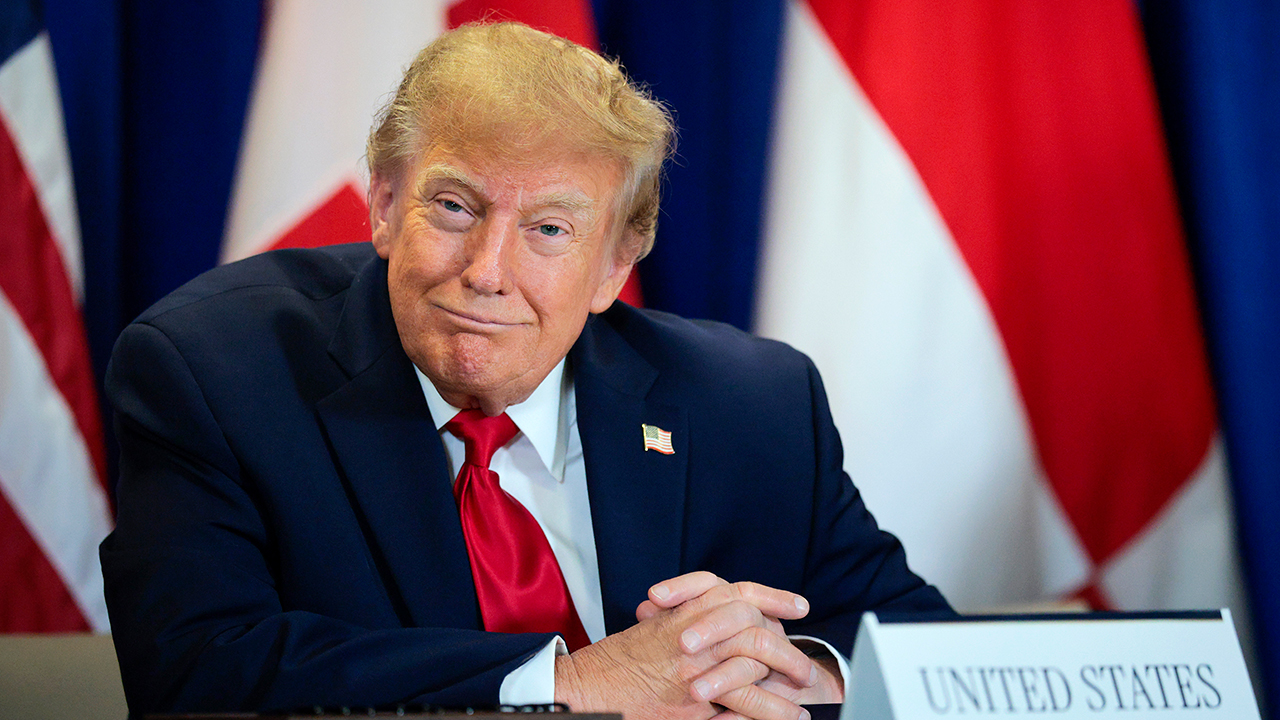 Fox BusinessThis piece reads center-right
“Trump signs executive order rebranding AI”
FramingEmphasizes Trump's active role in initiating the rebranding through executive action, whereas other outlets frame it as Trump announcing or proposing the change.
Read the original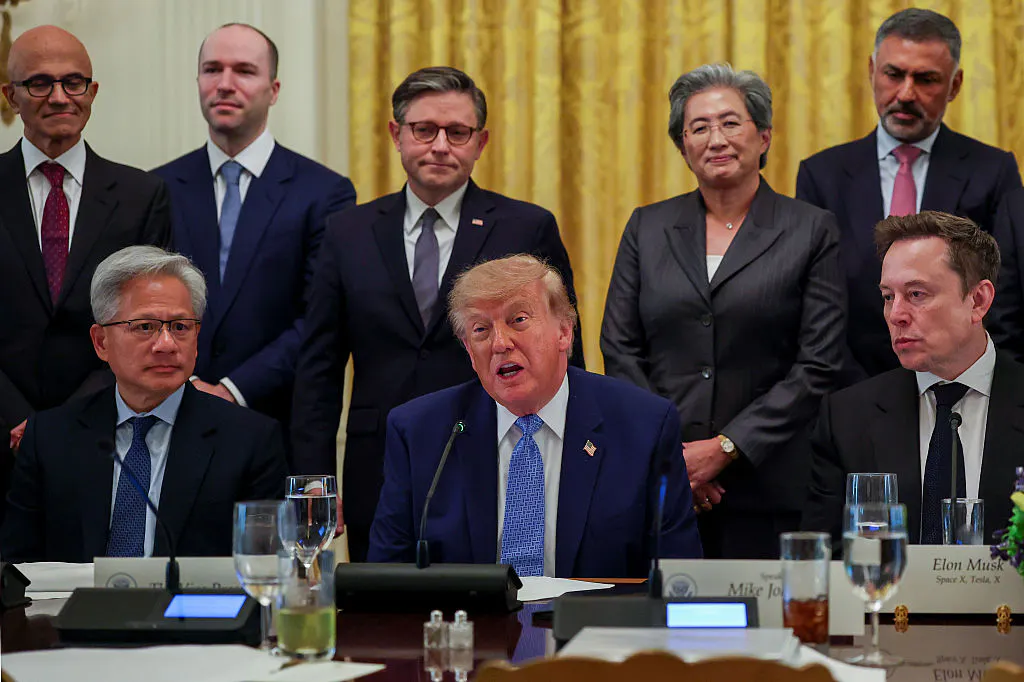 The Daily Wirenot ratedRead the original
Placements are generated by an AI model from each article’s own headline and summary, and every quotation above is checked to be a real substring of that article before it is published. How this is done
Prism is free and carries no advertising. Support it if it was useful.