A Russian military Mi-8 helicopter entered Polish airspace from the Kaliningrad exclave on September 23. According to the Polish Army Operational Command, the helicopter penetrated 300 metres (approximately 1,000 feet) into Polish territory and remained there for 42 seconds before leaving. NATO scrambled fighter jets in response.
From the center: This airspace violation is a troubling but limited incident that sits between competing interpretations. Russia may have been probing NATO's response times and defences, or the breach could have been accidental. A measured response—scrambling jets to deter further incursions while avoiding rhetoric that treats a 42-second penetration as an act of war—makes sense. Both sides have incentives to avoid escalation, and maintaining calm communication is as important as demonstrating credible deterrence.
A judge ordered an immigration enforcement hearing for Wilber Garcés Perez, a man shot by an ICE officer in Texas. The ICE officer who fired the shot had been issued a body camera but was not wearing it during the incident, according to reports.
From the center: An immigration enforcement officer shot a man during a Texas operation, and the absence of body camera footage from the incident complicates the investigation and public understanding of what occurred. A judge has now intervened, blocking deportation and ordering a hearing. The shooting has drawn attention from families affected by other ICE incidents, prompting a congressional forum. These developments reflect genuine tensions: ICE must enforce immigration law, but public safety and due process also demand clear procedures, proper documentation, and independent review when force is used. Better protocols—consistently applied—would serve both enforcement and accountability.
No ads, no paywall
Prism is free to read and carries no advertising. Reader support pays for the news gathering. Support it if it’s useful to you.
President Trump banned CNN, MS Now, and Politico from White House press credentials, citing negative coverage. CNN, MS Now, and Politico filed suit seeking a court order to reinstate their credentials. The Justice Department filed a response minutes before the court-ordered deadline, arguing the ban is lawful and that Trump has the authority to exclude journalists from the White House at his discretion.
From the center: This case hinges on a genuine constitutional tension. Presidents do have some control over their workspace and who enters it, yet the press's access to government information is also foundational. A blanket ban on entire outlets for coverage deemed unfavorable raises real concerns about retaliation for speech. The court needs to find a workable middle ground: perhaps upholding some presidential discretion while requiring it not be based on viewpoint discrimination or used to punish reporting.
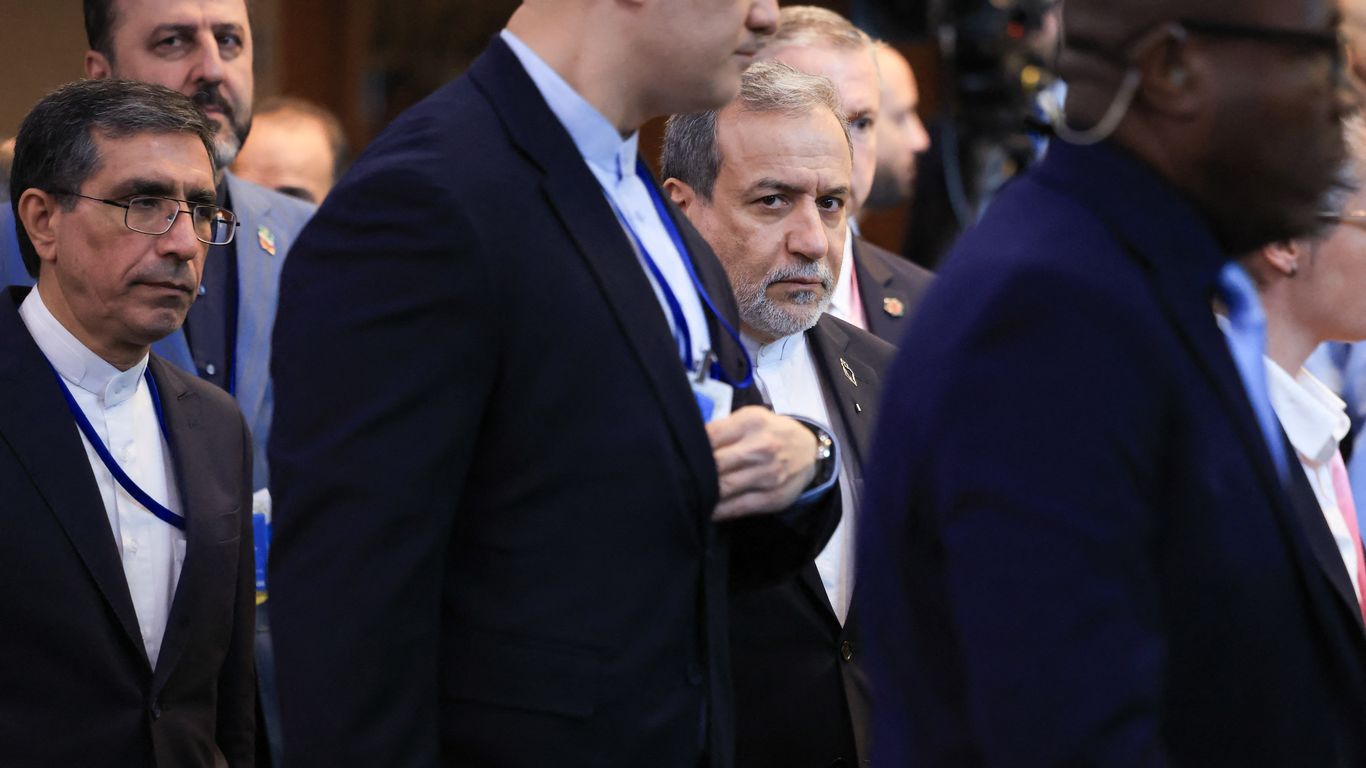
U.S. and Iranian officials held mediated talks at the United Nations General Assembly in New York on Tuesday. Trump envoys Steve Witkoff and Jared Kushner met with Iranian Foreign Minister Abbas Araghchi for three hours. According to Al Jazeera, Tehran tied diplomatic progress to lifting shipping blockades and unfreezing assets. Trump later characterized the meeting as 'productive.'
From the center: These talks represent a necessary pragmatic engagement on both sides, though the approach is unconventional. Trump's earlier threats may have motivated Iran to negotiate, or they may complicate it — the outcome remains unclear. The core issues — shipping blockades, frozen assets, and ending the war — are negotiable if both sides prioritize concrete interests over posturing. Whether this 'productive' meeting leads anywhere depends on whether either side is willing to make real concessions.
Donald Trump signed a security deal with Greenland and Denmark at the UN General Assembly. Under the agreement, the U.S. will build two military bases in Greenland. Trump said the deal gives the U.S. "permanent control over security" in the territory, while the accord reaffirms Denmark's sovereignty over the semi-autonomous Arctic island.
From the center: This is a pragmatic security arrangement addressing real Arctic strategic interests. The U.S. needs military infrastructure in the region as global competition intensifies, and building bases through negotiation with Denmark and Greenland is the responsible way to do it. The reaffirmation of Danish sovereignty alongside the security deal represents a reasonable balance—the U.S. gets what it needs, Denmark retains formal control, and all parties avoid the chaos of the earlier territorial acquisition talk.
A federal appeals court sided with Republicans on Missouri's congressional map, allowing districts redrawn last year to proceed. An anti-gerrymandering group has now asked the U.S. Supreme Court to block the map. This is the third time the dispute has reached the Supreme Court.
From the center: Missouri's map has become mired in litigation that reflects genuine disagreement about what constitutes improper gerrymandering versus legitimate redistricting. Courts face a hard task: drawing lines inevitably affects partisan outcomes, but some maps cross into unfair manipulation. The Supreme Court's involvement multiple times suggests the legal standards themselves may need clarification to avoid endless appeals.
The Trump administration announced the removal of 760,000 enrollees from Affordable Care Act exchanges. The Centers for Medicare & Medicaid Services said it has canceled about 315,000 enrollments in the Federal Health Insurance Marketplace. Vice President JD Vance's anti-fraud task force concluded that these individuals were wrongly signed up for the government health care program, citing alleged fraud as the reason.
From the center: Fraud in health insurance enrollment is a real problem that needs addressing, and the administration has a legitimate interest in removing ineligible people from the rolls. However, mass removals of this scale require careful implementation to avoid harming people who are actually eligible but caught up in the process. The administration should be transparent about its specific findings, provide clear notice to affected individuals, and allow them to contest cancellations. Neither blindly accepting the fraud claims nor reflexively opposing all enforcement serves the public interest.
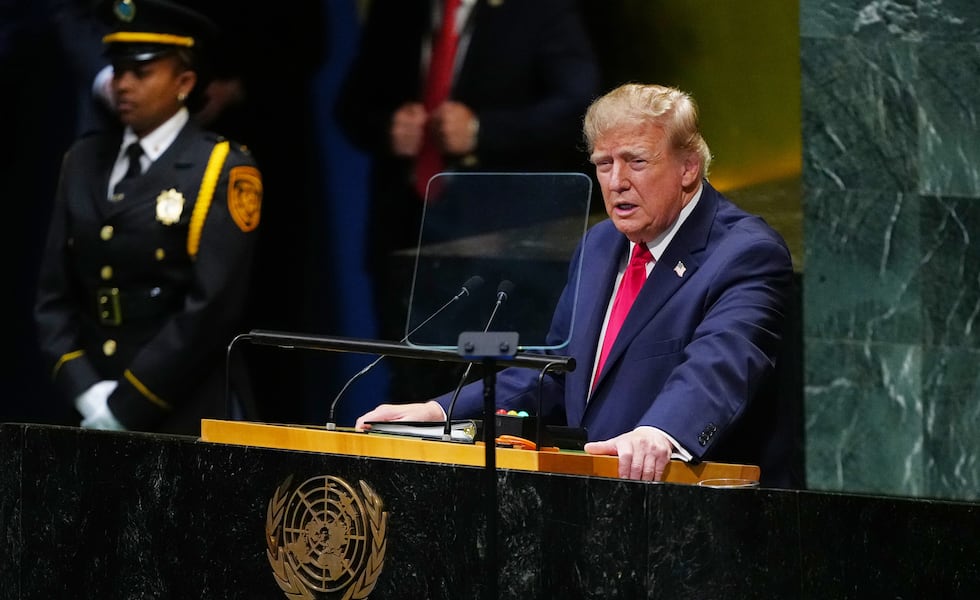
President Trump addressed the UN General Assembly on Tuesday, saying he faced a "big decision" on the ongoing Iran war and threatened to "annihilate" Iran or "drive them into hell with no chance of survival" if the country refused to make a deal. He also said he believed the conflict was coming to a resolution "one way or the other" and indicated that talks with Iran had been "good."
From the center: Trump's UN speech presents a difficult puzzle: he claims to want a deal while making annihilation threats, suggesting both negotiating positions coexist in his approach. The war's unpopularity at home is real and complicates his hand. Whether such brinkmanship actually advances negotiations or merely polarizes them depends on whether Iranian leadership reads it as a credible ultimatum or propaganda—and history suggests extravagant threats often backfire in diplomacy.
President Trump addressed the UN General Assembly on September 22, 2026, as the war with Iran continues into its seventh month. Trump met with multiple world leaders including Gulf state officials, Ukraine's leadership, and British Prime Minister Andy Burnham. The Washington Post reports he signed a new security arrangement with Denmark and Greenland.
From the center: The UN General Assembly provides an opportunity for Trump to calibrate US foreign policy across multiple crisis points—Iran, Ukraine, and Middle East stability. His meetings with diverse world leaders suggest engagement on practical security matters, including the Denmark-Greenland arrangement and Gulf state coordination. However, his administration's historical friction with multilateral bodies and the ICC creates complications. Effective leadership requires balancing principled positions with the institutional cooperation necessary to manage overlapping global conflicts and economic uncertainty.
On Monday, the U.S. Court of Appeals for the 8th Circuit ruled that Missouri's 2025 congressional map, drawn by the Republican-controlled legislature, must be used in November elections. The decision reinstates the GOP-favored map and sets up a third potential Supreme Court hearing on the issue. The appeals court issued a weeklong stay for appellate review.
From the center: The redistricting dispute highlights the genuine tension between deferring to state legislatures' traditional authority over district lines and preventing maps so partisan they violate constitutional principles. The repeated Supreme Court involvement suggests the legal standards here remain unsettled. Courts must balance respecting elected representatives' roles with ensuring the voting system remains legitimate and responsive to voters across the political spectrum.
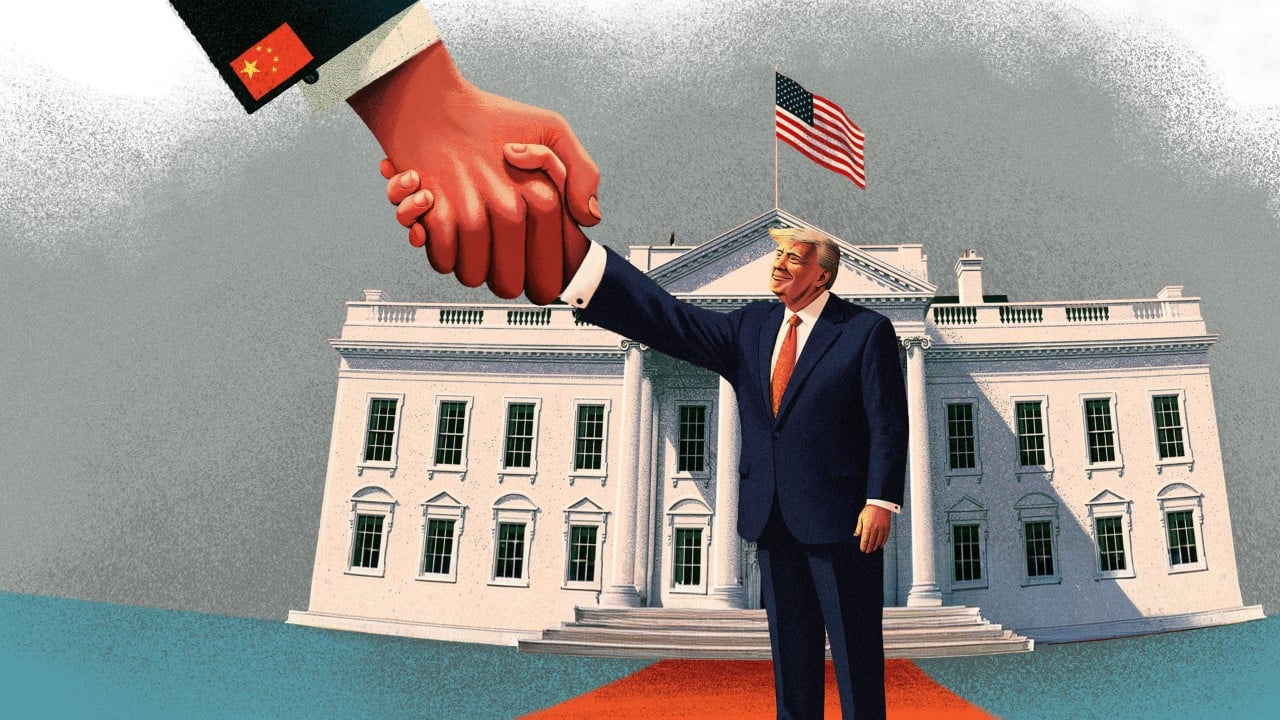
U.S. President Donald Trump is hosting Chinese leader Xi Jinping in Washington for a summit beginning September 24, 2026. The meeting follows their previous summit in May 2026. Discussions are expected to cover trade, technology and AI, Taiwan, and Iran.
From the center: Both sides have legitimate concerns and leverage in this relationship, and the summit reflects that realistic stalemate. China wants to lock in a trade deal and maintain space on Taiwan; the U.S. wants to protect its technology edge and contain Beijing's influence. Low expectations may actually be realistic rather than pessimistic—major breakthroughs on such fundamental disagreements rarely happen quickly. Trump's electoral incentives for a trade win could actually create an opening if both sides want a win they can announce. The real value here may be simply preventing dangerous miscalculation and establishing communication channels, not transforming the relationship.
President Trump banned CNN, MS NOW, and Politico from White House grounds on Friday, citing their coverage of his economy and the war in Iran. The three outlets sued Monday in U.S. District Court for the District of Columbia, arguing the ban violates their First Amendment rights to free speech and press access.
From the center: This standoff reflects both genuine principle and performative politics on both sides. Trump's ban is extraordinary and legally questionable—courts will likely scrutinize it—yet the networks' boycott, while dramatic, also denies the public information about presidential activities. Trump TV offers direct communication but lacks journalistic independence. The real issue is that both sides benefit from conflict: Trump gains an enemy to rally his base against, while networks gain compelling coverage of a crisis. A functioning press system requires both access and skepticism, not wholesale rejection or state-run alternatives.
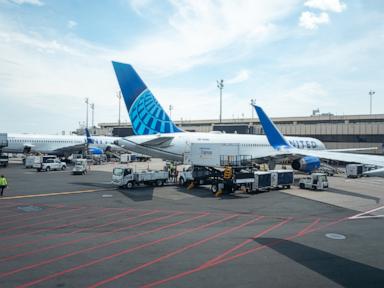
An Amtrak construction crew accidentally cut a fiber-optic cable in New Jersey, causing an air traffic control outage on September 21 that disrupted flights across Northeast airports. Newark Liberty, JFK, LaGuardia, Philadelphia, and Teterboro airports were affected. According to FlightAware, Newark had 168 flights canceled and 97 delayed; Philadelphia had 63 canceled and 189 delayed.
From the center: A construction accident caused significant but manageable disruption to air travel, triggering an appropriate emergency response from the FAA. While the incident was avoidable through standard precautions, it also demonstrates that the system's circuit breakers worked—flights were paused rather than crashing. The real question is whether the costs of mandating gold-standard redundancy everywhere exceed the occasional disruption from human error, and whether this particular outcome justifies that investment.
President Trump banned CNN, MS NOW, and Politico from White House access on Friday. On Monday, the three outlets sued the administration to overturn the ban. In response, major TV networks—ABC, CBS, Fox News, and NBC—suspended live coverage of Trump's remarks at a White House helipad dedication ceremony, leaving his speech inaudible on the White House-provided video feed.
From the center: This episode reflects genuine tension between presidential authority and press access rights, but both sides escalated in ways that served nobody well. Trump has legitimate discretion over White House operations, but targeting specific outlets for coverage crosses into dangerous territory. The networks' boycott was understandable but also somewhat theatrical—it made Trump's speech inaudible while proving his point that media and the administration are in conflict. A resolution needs clearer rules about what access presidents can actually control.
Iran's Revolutionary Guard claims to have captured a U.S. Navy submarine drone worth $2.5 million near the Strait of Hormuz. Iran warned it would deploy "new weapons with new capabilities" if the U.S. launched fresh assaults. President Trump said he is in "deciding mode" on whether to take military action against Iran.
From the center: The situation reflects genuine tension between two sides taking hardening positions. Iran's weapons threat and drone capture are confrontational, but Trump's public deliberation about "annihilating" an entire nation is extraordinarily risky rhetoric that could trigger unintended escalation. Both sides have leverage and stated conditions; quiet diplomatic back-channels might achieve more than public threats or military action. The uncertainty itself—Trump genuinely undecided—creates dangerous miscalculation risk that responsible statecraft should reduce.
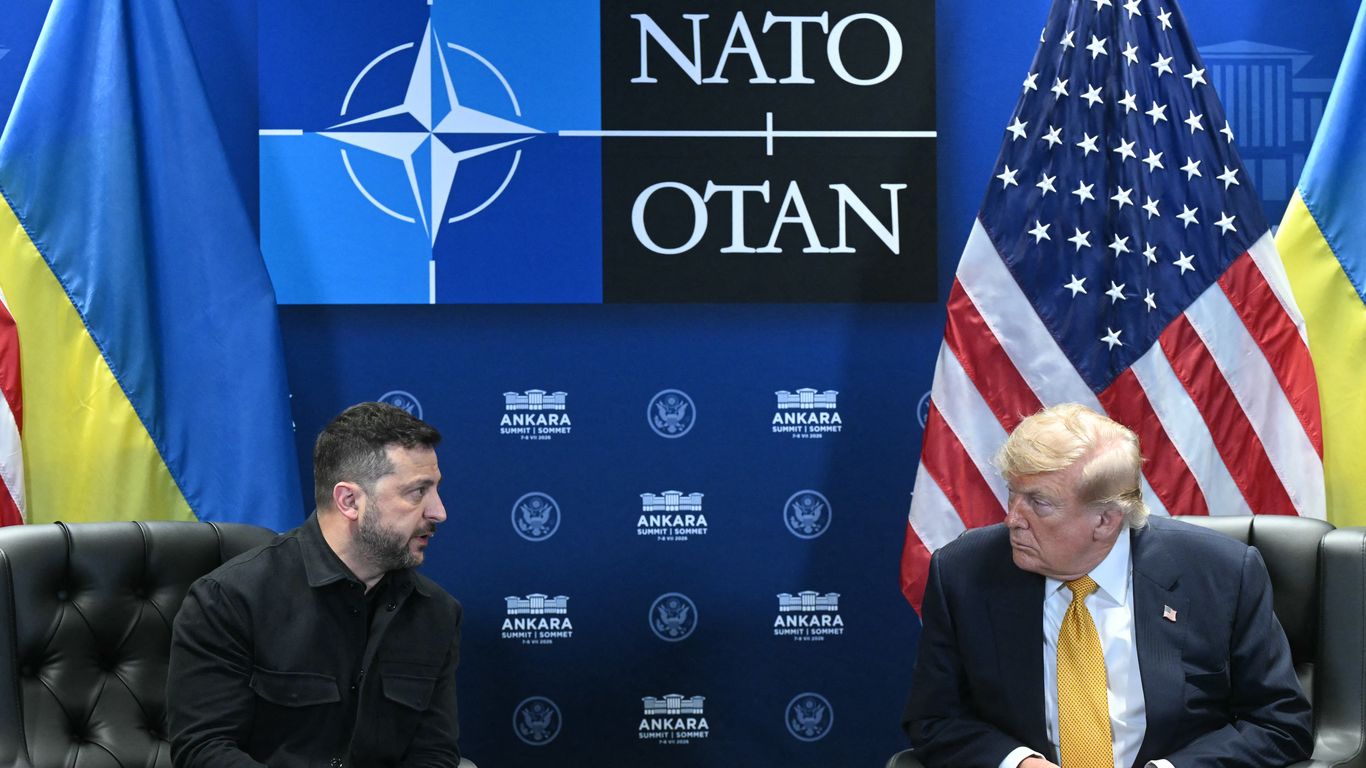
Ukrainian President Volodymyr Zelensky announced on Sunday following a phone call with President Trump that the two will meet this week in New York on the sidelines of the UN General Assembly. The White House is working to broker an agreement between Russia and Ukraine for reciprocal deescalation and resumed negotiations, while fighting between the sides continues.
From the center: A meeting between Trump and Zelensky offers a practical opportunity to explore diplomatic solutions while the conflict grinds on. The challenge is balancing support for Ukraine with genuine negotiation: the U.S. has invested heavily in the fight, but perpetual war serves no one. Any progress requires both sides to move toward compromise, though determining what each will actually accept remains unclear.
An ICE agent shot and wounded a man in Austin, Texas on Sunday afternoon. The man, identified by his lawyer as 28-year-old Venezuelan national Wilber Rafael Garces Perez, was shot at least once in the torso while working as a DoorDash delivery driver on the city's north side near Research Boulevard and Anderson Square. Austin Police Chief Lisa Davis said he was in serious but stable condition at a hospital.
From the center: An ICE agent shot a man during a Sunday afternoon operation in Austin, Texas. The man was injured and hospitalized in serious but stable condition. Local authorities have called for investigation and transparency. Key facts remain unclear: what prompted the encounter, whether the shooting was justified, and what policies governed the officer's actions. A credible independent investigation is needed to establish what happened and whether procedures were followed. The custody question also requires clarification given the man's role as a potential witness.
Russia's parliamentary elections concluded on September 20 after three days of voting. Exit polls showed the ruling United Russia party winning approximately 49.4 per cent of the vote, on track to retain its dominance in the Duma. The election included residents of four Ukrainian regions Moscow illegally annexed and Crimea.
From the center: Russia held parliamentary elections on a schedule set before the Ukraine war began, and the ruling party performed about as well as it did in 2011—49.4 per cent—suggesting continuity rather than dramatic change. The elections did expand the electorate to include annexed territories, which Ukraine and the West reject as legitimate; Russia sees this as affirming sovereignty over those regions. Ukraine's drone strikes during voting were a tactical choice that didn't prevent the election from proceeding. The outcome reflects the constraints of Russia's political system: limited genuine opposition and high state control over information, which exist independently of the current conflict.
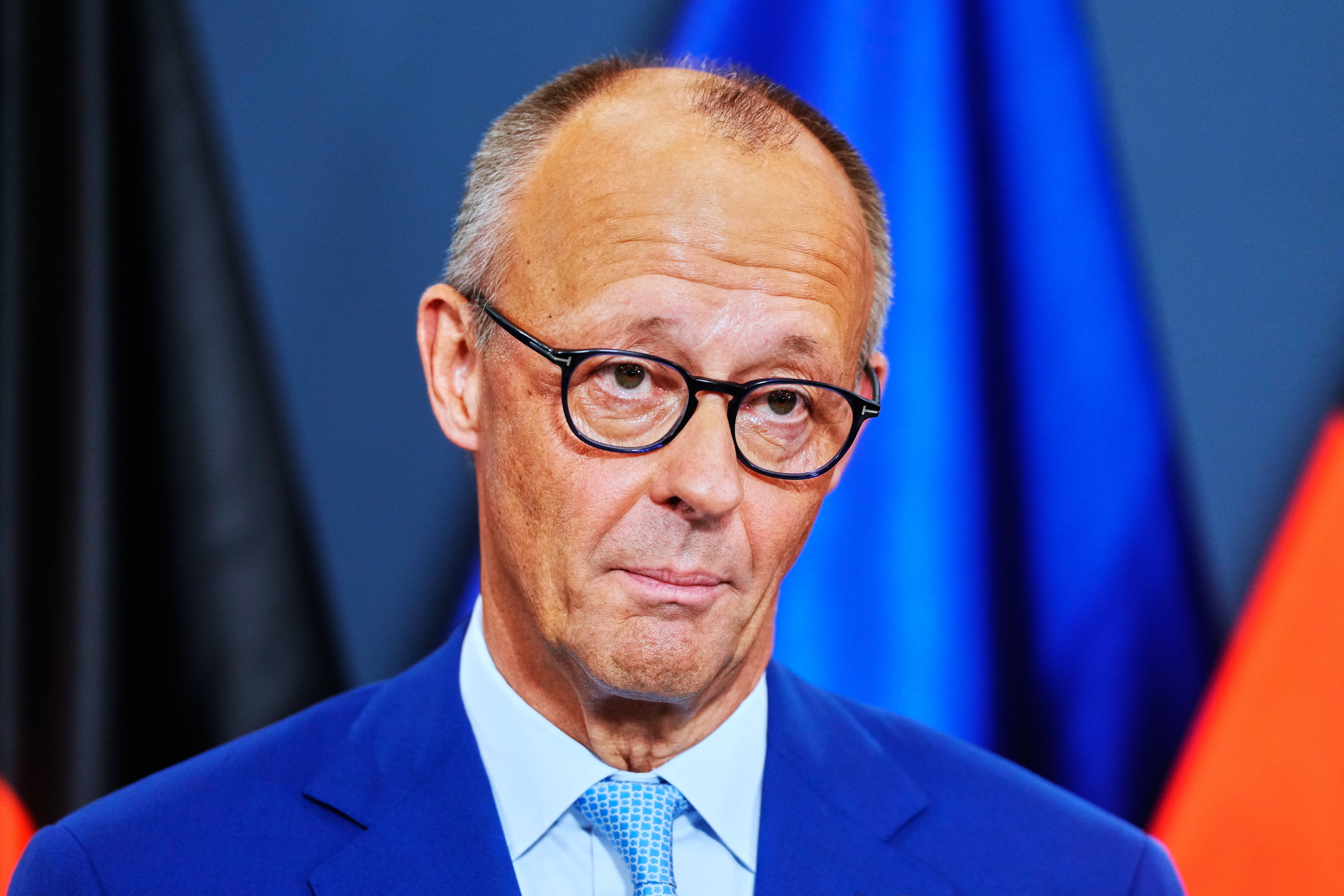
German Chancellor Friedrich Merz's Christian Democratic Union suffered historic defeats in state elections in Berlin and Mecklenburg-Western Pomerania on Sunday. In Mecklenburg-Western Pomerania, the CDU won around 4.8–5 percent, its lowest result in any German state since World War II and risking loss of parliamentary representation entirely.
From the center: Germany faces a genuine political crisis that neither pole's prescriptions will solve. The AfD gains are real and serious, but the party remains isolated—unable to govern and corrosive to democratic norms. Merz's CDU has lost credibility through mismanagement. The path forward requires: competent, honest administration that addresses legitimate grievances; cross-party cooperation to isolate extremists; and acceptance that governing coalitions will be difficult and messy, not ideologically pure.
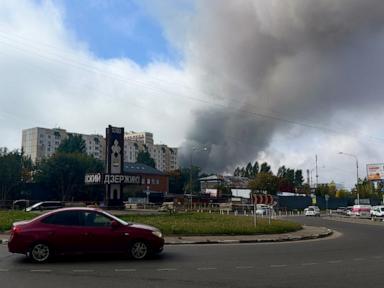
Ukraine launched what Moscow's mayor called the largest-ever drone attack on the Russian capital on Sunday, the final day of Russia's parliamentary elections. Ukrainian forces fired over 1,000 drones at Russia, with hundreds targeting Moscow. A major oil refinery in Moscow caught fire. Russian officials reported two deaths in the Moscow region and said air defenses shot down 450 drones approaching the city.
From the center: Ukraine launched a major drone attack on Moscow during Russia's final day of parliamentary voting, striking an oil refinery and causing two reported deaths. Moscow's air defenses claimed to have intercepted most drones, though significant damage occurred. The attack's scale—over 1,000 drones—and the use of new ballistic missile technology represent notable military developments. The timing during elections appears deliberate but the strike's primary military purpose was damaging energy infrastructure. Both sides report different casualty and interception figures, making independent verification difficult.
President Trump announced Sunday that his proposed Triumphal Arch near Arlington National Cemetery will be converted into a military complex to house drones, snipers, and ammunition. Trump said the change was made at the request of the U.S. military for national security purposes. The project faces opposition from veterans groups and historic preservationists who have filed lawsuits challenging its construction.
From the center: Trump has shifted his arch proposal from a commemorative monument to a dual-use military facility, citing national security. This reframing may help overcome legal challenges from veterans and preservationists, though its sincerity is hard to assess. Courts and relevant agencies will need to weigh security benefits against legitimate concerns about Arlington's sanctity and the project's actual necessity versus its symbolic value.
The US military struck a boat in the Caribbean on Saturday, killing four people, according to Pentagon statements. The vessel was alleged to be involved in drug smuggling. This strike is the latest in a series: since the Trump administration began targeting what it calls "narcoterrorists" approximately one year ago, at least 231 people have been killed in 69 boat strikes by US forces in the region.
From the center: The US military has conducted 69 strikes on alleged drug-smuggling boats in the Caribbean over the past year, resulting in at least 231 deaths. This campaign reflects a genuine security challenge—drug trafficking destabilizes the region—but also raises practical questions about effectiveness and costs. Reasonable people differ on whether the scale of operations is justified by results, whether targeting procedures are sufficiently rigorous, and how to balance interdiction needs against potential for error. The government should provide transparent metrics on outcomes to inform this debate.
Yemen's Houthi rebels attacked Saudi Arabia's capital Riyadh on Saturday with ballistic missiles and drones, according to both Houthi claims and Saudi confirmation. Flames and smoke were seen near Riyadh's main airport and at an Aramco fuel depot nearby. The Houthis said they targeted "sensitive" sites in Riyadh and oil facilities in the port city of Yanbu.
From the center: This attack demonstrates how Yemen's civil war has become a wider regional flashpoint with global consequences. Both sides—Saudi Arabia and the Iran-backed Houthis—have legitimate security concerns, but the cycle of military strikes and retaliation serves neither. A sustainable solution requires pressure on all parties to return to ceasefire negotiations, international mediation, and agreements that address underlying grievances while protecting critical infrastructure and civilian populations.
President Donald Trump announced Saturday that he will create an "AI Force" and appoint an "AI czar" to oversee artificial intelligence development. Trump made the announcement on Truth Social but provided few operational details.
From the center: Trump is taking a hands-on approach by naming a czar and creating a task force, acknowledging that AI needs some government attention—but he's doing so while firmly rejecting the regulatory impulse both parties increasingly favor. The middle ground would be a structure that accelerates beneficial AI development while establishing basic safety standards, something this proposal skips. His dismissal of all concerns as 'hoax' suggests ideology over pragmatism.
President Trump signed into law a sweeping sanctions bill against Russia on September 19, 2026, named after late Senator Lindsey Graham. The law targets Russia's energy and defense industries and its shadow fleet of oil tankers. It also imposes measures against countries including India and China that continue buying Russian energy.
From the center: The bill represents a pragmatic compromise: it establishes tough baseline sanctions on Russian energy and defense while preserving presidential flexibility to negotiate. The tariff authority concerns some, but presidential discretion in foreign policy is standard. The real test is implementation. Some provisions may prove unworkable (pressuring India and China to abandon Russian energy is ambitious), and Russia's warning about peace efforts deserves serious consideration. Effectiveness will depend on how Trump calibrates enforcement.
President Donald Trump announced Friday via Truth Social that he is banning CNN, MS NOW, and Politico from the White House 'effective immediately,' accusing them of spreading 'fake news' and 'fiction and lies.' On Saturday morning, journalists from MS NOW were denied access to White House grounds. Trump indicated additional outlets may face similar bans.
From the center: Trump's ban raises genuine First Amendment concerns and represents an unusual escalation in press-president relations, though it operates in a gray area legally since the White House is government property. The practical impact is limited—these outlets report from other sources and locations—but the symbolic message is troubling and could invite retaliation if future presidents follow suit. A workable system requires both presidential access to explain policy and press independence to scrutinize it. This action undermines that balance and invites judicial intervention.
President Trump announced Friday that the U.S. has reached a security agreement with Denmark covering Greenland. Trump said the deal grants the U.S. "permanent control over security" in the territory.
From the center: Trump's push for Greenland dominance has been channeled into a security framework with Denmark that appears to give the U.S. enhanced military capabilities in the Arctic while preserving Danish sovereignty and the nominal independence of Greenland. The vagueness about what "permanent control over security" actually means—emphasized by multiple outlets and acknowledged by Danish officials—suggests the real substance is still being negotiated. Before judging whether this represents a reasonable Arctic security arrangement or an overreach, more details are needed. The requirement for Danish parliamentary approval is a sensible check on executive action, though it also introduces uncertainty about whether the deal holds.
Pentagon investigators found that flawed intelligence, outdated imagery, and overreliance on AI contributed to a missile strike that killed 123 children at a school in Minab, Iran. The war with Iran has cost $43.6 billion to $45.1 billion as of September 2026, according to Pentagon estimates to Congress, with an additional $28 billion needed to replace spent munitions.
From the center: The Pentagon's investigation into the school strike shows a system with real flaws in execution that need fixing, but it's not clear these reflect uniquely bad decisions rather than the friction inherent in military operations. The cost estimates ($43.6–$45.1 billion) should be scrutinized for completeness—congressional officials suggest they're understated—and the casualty discrepancy (four additional deaths) warrants explanation. Both the intelligence failures and the undercounting of losses raise legitimate questions about oversight and candor. The appropriate response is strengthened internal checks, clearer congressional reporting requirements, and a measured review of whether the war's strategic value justifies its mounting cost.
California Gov. Gavin Newsom signed an executive order on September 18 directing state agencies to explore AI safety regulations and report by November 16 on whether a 'kill switch'—a mechanism to halt malfunctioning AI systems—is feasible. The order accelerates third-party oversight of AI safety and calls for stronger regulation of frontier AI models.
From the center: Newsom's move reflects real uncertainty about AI risks and federal capacity. A study of kill-switch feasibility is sensible: it gathers facts before overreaching. But the order also raises questions: will a state-level kill switch actually work if AI systems operate nationally? Will oversight requirements push companies out of California? Some urgency is warranted, yet premature mandates risk unintended consequences. The best path combines state experimentation with genuine federal-state coordination, not parallel regulation.
A suicide attacker drove an explosives-laden vehicle into a police compound in Kohat, northwest Pakistan, on Friday, September 18, detonating it near a mosque where officers and their families were praying. At least 16 people were killed, including five police officers, and more than 50 wounded. Gunmen accompanying the vehicle then opened fire inside the compound.
From the center: This is a brutal terrorist attack that killed and wounded dozens, and Pakistan's security forces must respond to protect citizens and facilities. However, distinguishing between effective counterterrorism and measures that breed resentment is crucial; heavy-handed security responses can sometimes fuel recruitment for groups like the TTP. A measured approach combining targeted security improvements, intelligence work, and measured engagement with underlying grievances offers better prospects than either military escalation alone or inaction.
Anthony Kazmierczak, 56, was sentenced Thursday to 14 months in prison for spraying vinegar at Democratic Rep. Ilhan Omar during a Minneapolis town hall on January 27. Kazmierczak reached a plea deal with prosecutors after pleading guilty in May. He admitted to the attack, citing disagreement with Omar's progressive political views.
From the center: A man who assaulted a U.S. Representative was convicted and sentenced to prison through the normal legal process. The plea deal allowed the case to resolve without trial while securing jail time and accountability. This represents the justice system functioning as designed: allegations investigated, guilt established, punishment proportionate to the offense.
A UN fact-finding mission reported evidence of possible U.S. war crimes in two airstrikes in Iran. The mission cited a missile strike on a primary school that killed over 150 people and an airstrike that killed 22 civilians; one outlet specified 123 children killed in Minab. The U.S. rejected the report.
From the center: The UN's fact-finding mission has raised important questions about civilian protection in these military operations. Different outlets report varying death tolls—a concerning gap that underscores the need for rigorous, independent verification. While the U.S. rejects the findings, their credibility depends on examination rather than dismissal. Both thorough investigation and respect for military necessity in conflict are necessary; blanket acceptance or rejection of either serves no one.
European Commission President Ursula von der Leyen proposed that Canada become the first "associate member" of the European Union. Canadian Prime Minister Mark Carney addressed the European Parliament in France, receiving a standing ovation, and called for deeper partnership between Canada and Europe. The proposal emerged as Canada navigates an ongoing trade war with the United States.
From the center: Canada is exploring a significant realignment of its international relationships, balancing its traditional North American ties against emerging opportunities in Europe. While closer EU ties could diversify Canada's economic and strategic interests, the practical mechanics of associate membership remain unclear and untested. Both the costs and benefits need serious analysis before commitment; enthusiasm from European leaders doesn't guarantee either rapid implementation or that the model will work as intended for either party.
A federal judge ordered the Kennedy Center to give 30 days' written notice before making any changes to the building, including potential demolition. The order came after President Trump suggested the center could be "ripped down" if his demands regarding the venue were not met. Trump had sought to add his name to the performing arts center, but an earlier ruling blocked this without Congressional authorization.
From the center: A dispute over the Kennedy Center's governance has escalated into a demolition threat, prompting judicial intervention through a mandatory notice requirement. The underlying issue—whether Trump's name belongs on the building—involves legitimate questions about institutional independence, presidential authority, and naming conventions. A 30-day notice requirement buys time for negotiation, but resolving this requires all parties to recognize that threatening to destroy a major arts venue is counterproductive, and that governance disputes should be settled through institutional channels rather than ultimatums.
The family of Tierra Walker, a 37-year-old San Antonio woman who died in December 2024, has filed a lawsuit in Bexar County, Texas against Attorney General Ken Paxton and doctors. Walker died after being unable to obtain an abortion while pregnant. The lawsuit argues that Texas's near-total abortion ban violates state and U.S. constitutions.
From the center: This case highlights the tension between abortion restrictions and medical emergencies. The facts—a woman's death after being denied abortion care—are tragic and demand serious attention from both legal and medical perspectives. However, the full details matter: what exactly prevented treatment, what warnings existed, and whether clearer emergency protocols could have helped. Rather than viewing this as simply about the ban or the lawsuit, policymakers should examine whether existing exceptions for life-threatening conditions are clearly understood by doctors and hospitals, and whether communication between medical and legal authorities can improve without abandoning either health protections or abortion regulations.
Rep. Thomas Massie, R-Ky., filed articles of impeachment against Defense Secretary Pete Hegseth on Tuesday. House Speaker Mike Johnson moved to adjourn the chamber a day early on Wednesday, before a scheduled seven-week recess, preventing a vote on Massie's impeachment articles. Massie said the early adjournment blocked his impeachment effort.
From the center: A Republican filed impeachment articles against a Republican Defense Secretary, triggering a procedural standoff. The Speaker chose to adjourn early rather than hold a vote, citing the upcoming election recess. Both outcomes—holding the vote or avoiding it—carry downsides: a vote could embarrass party members, but sidelining it looks like the leadership is blocking accountability. The real question is whether Massie's impeachment had substantive merit or was a political gesture.
Two House Republicans from battleground Iowa districts voted for a war powers resolution on Tuesday to halt President Donald Trump's military action against Iran without congressional approval. The resolution was the sixth such measure considered by the House, and it drew support from Democrats and a small number of GOP dissenters.
From the center: Battleground-district Republicans are reassessing their political position as midterms approach, and some have concluded voting to constrain the Iran war aligns with constituent concerns about military overreach. War powers resolutions reflect a legitimate congressional role, though whether they accomplish their aim depends on veto-proof majorities and enforcement. The vote shows normal political calculation rather than ideological rupture, with members weighing electoral risk against party loyalty.
Speaker Mike Johnson announced Wednesday that the House will adjourn early, ending votes Wednesday night instead of Thursday as previously scheduled. This cancellation delays a planned impeachment vote on Defense Secretary Pete Hegseth, introduced by Rep. Thomas Massie (R-KY) on Tuesday over Hegseth's handling of the war in Iran. The House will not reconvene until after the November midterm elections.
From the center: Both major parties use procedural tactics to avoid politically difficult votes when convenient. Johnson's decision to adjourn early is a legitimate scheduling choice that saves taxpayer money and lets members campaign before a major election—a common occurrence in both parties in election years. That said, Massie introduced a serious impeachment resolution, and reasonable people disagree on whether the full House should have voted on it regardless of the political inconvenience. The real question is whether this sets a precedent that leadership can simply cancel votes it dislikes.
Speaker Mike Johnson sent the House home for its midterm recess early despite calls from Democratic lawmakers and a bipartisan coalition to address artificial intelligence regulation. Rep. Don Beyer (D-Va.) led a bipartisan group urging congressional leaders to "urgently advance legislation" on AI risks to critical infrastructure. Sen. Elizabeth Warren (D-Mass.) backed a pause on advanced AI development.
From the center: Congress faces genuine pressure to address AI risks, with lawmakers from both parties expressing concern and calling for some form of guardrails. The challenge is that 'regulation' means different things to different people, and no legislative consensus has emerged. Sending lawmakers home early was poor optics given the stated urgency, but it's also unrealistic to expect major policy shifts during an election year when neither party has a worked-out position. The most realistic path is for post-election legislators to study the issue carefully and build a bipartisan framework based on evidence, not panic.
The Trump administration is preparing a $2.8 billion arms sale to Israel consisting of approximately 20,000 to 40,000 2,000-pound bombs, described as the largest single transfer of these munitions in recent years. The Biden administration had paused delivery of similar weapons two years ago citing concerns about mass casualties in Gaza; Trump lifted that pause upon taking office.
From the center: The Trump administration is exercising its executive authority to proceed with a major arms sale to a strategic regional ally, reversing a Biden-era pause. This represents a genuine policy disagreement between administrations about how to balance security partnership with accountability concerns. Reasonable people differ on whether resuming the sales prioritizes alliance strength and deterrence, or whether conditions should attach to weapons that have caused civilian casualties. Congressional review is the appropriate place for this debate.