Trump administration approves $2.8-3 billion arms sale of bombs to Israel
Reported by
A dot shows how that piece reads — Prism rates articles, not outlets, and shows the words behind each placement below. No dot means the piece isn’t rated. How the ratings work

What happened
The account the coverage agrees on, with contested figures attributed rather than asserted. This is not one of the five framings below — it is the ground they all stand on.
The Trump administration is preparing a $2.8 billion arms sale to Israel consisting of approximately 20,000 to 40,000 2,000-pound bombs, described as the largest single transfer of these munitions in recent years. The Biden administration had paused delivery of similar weapons two years ago citing concerns about mass casualties in Gaza; Trump lifted that pause upon taking office. Congress has been notified, and the deal faces Democratic opposition. A separate $5 billion bomb sale to Saudi Arabia has also been announced.
How the spectrum reads this story
The same event, summarised as five points on the political spectrum would each tend to frame it. These are generated by an AI model and are a starting point, not the last word.
Left
The Trump administration is escalating U.S. involvement in Middle East conflicts by rushing massive bomb shipments to Israel and Saudi Arabia, using American taxpayer funds to finance weapons that have caused documented mass casualties in Gaza and Lebanon. This represents a deliberate reversal of Biden's limited restraint and signals unconditional support for Israeli military operations regardless of civilian harm—fundamentally committing the U.S. to backing what critics characterize as disproportionate force.
Center-left
The administration's decision to resume and expand bomb sales to Israel, after the Biden team paused them over Gaza casualty concerns, raises serious questions about accountability for civilian harm. While the U.S. has long supplied Israel with military aid, the scale and timing of this sale—without meaningful conditions on use—suggests the new administration is abandoning even modest oversight mechanisms. Congress needs to examine whether these sales align with stated humanitarian values.
Center
The Trump administration is exercising its executive authority to proceed with a major arms sale to a strategic regional ally, reversing a Biden-era pause. This represents a genuine policy disagreement between administrations about how to balance security partnership with accountability concerns. Reasonable people differ on whether resuming the sales prioritizes alliance strength and deterrence, or whether conditions should attach to weapons that have caused civilian casualties. Congressional review is the appropriate place for this debate.
Center-right
The administration is restoring a normal military partnership with Israel after the previous administration imposed arbitrary restrictions that complicated defense cooperation. Israel faces genuine security threats and has a right to acquire defensive weapons; the U.S. benefits from a strong regional ally. The scale of this sale reflects both strategic necessity and the restoration of a relationship that should not be weaponized by second-guessing Israeli military operations in complex conflict zones.
Right
The Trump administration is reasserting American strength and honoring our commitment to Israel's security after years of bureaucratic obstruction and moral preening. Arms sales serve legitimate U.S. strategic interests in the region and support an ally facing real threats. The focus on bomb specifications and casualty concerns reflects misplaced priorities that undermine military effectiveness and create artificial constraints on how democracies defend themselves.
Hear two viewpoints debate it
Pick two viewpoints and Prism writes a short, six-turn exchange about this story in each one’s own voice — steel-manned, no winner declared. Each pairing is written once and then saved for every reader. The voices are AI syntheses of a tradition, not real people.
New pairing — Prism will write it now.
How each outlet covered it
Where Prism places each piece — not the outlet in general — with the words from that piece that put it there, and the photograph the outlet chose. Picking a photo is a framing decision too.
 TruthoutThis piece reads left
“Funded by US Taxpayers”
Word choiceEmphasizes the taxpayer-funding aspect in the headline itself, whereas most outlets present it as a sale figure; this framing questions the characterization of the transaction.
Read the original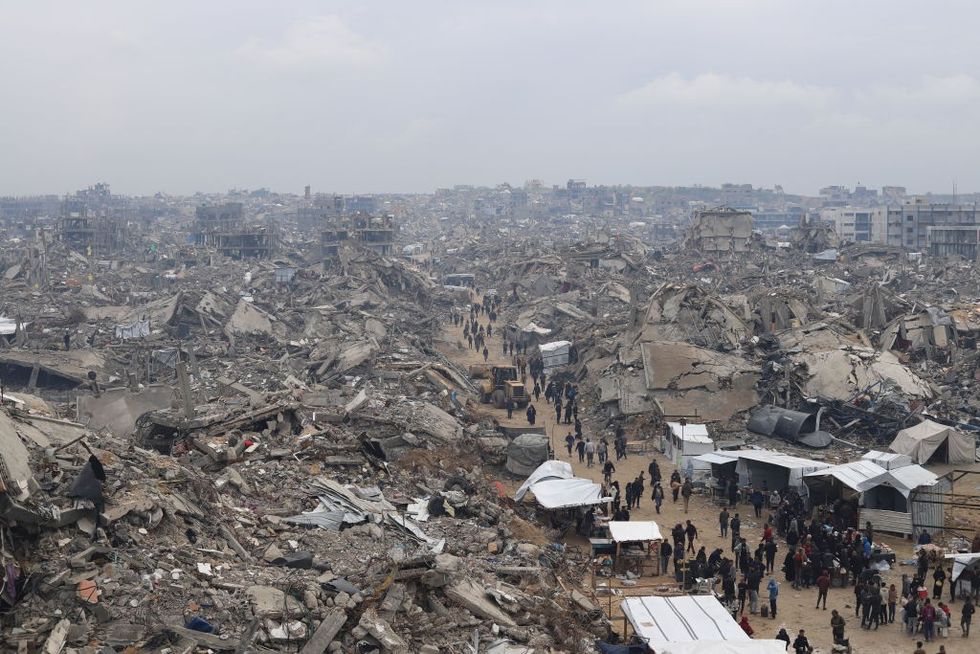 Common DreamsThis piece reads left
“Which Keeps Using Them to Massacre Gazans”
Word choiceUses charged language in the headline itself—'massacre' is a characterization of Israeli operations, not a neutral descriptor. Other outlets describe the weapons or the sale; this headline characterizes the intended use.
Read the original- The i PaperThis piece reads center-left
“Even Hegseth's Pentagon is contradicting Trump's war claims”
Read the original - Rolling StoneThis piece reads center-left
“You're Paying for Them”
FramingFrames the transaction as a hidden transfer of taxpayer money rather than a sale, addressing the reader directly in second person to emphasize personal financial stake.
Read the original  NewsNationThis piece reads center
“one of the largest U.S. sales of 2,000-pound munitions”
Read the original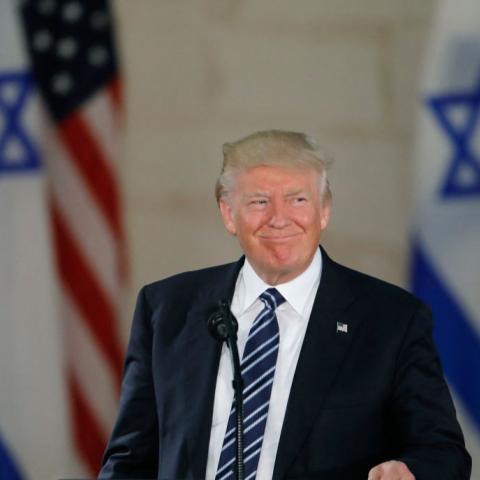 Just the NewsThis piece reads center-right
“Trump lifted the pause when he took office”
FramingProvides historical context about the pause and its rationale in a single sentence, anchoring the Trump action as a reversal of a specific prior decision.
Read the original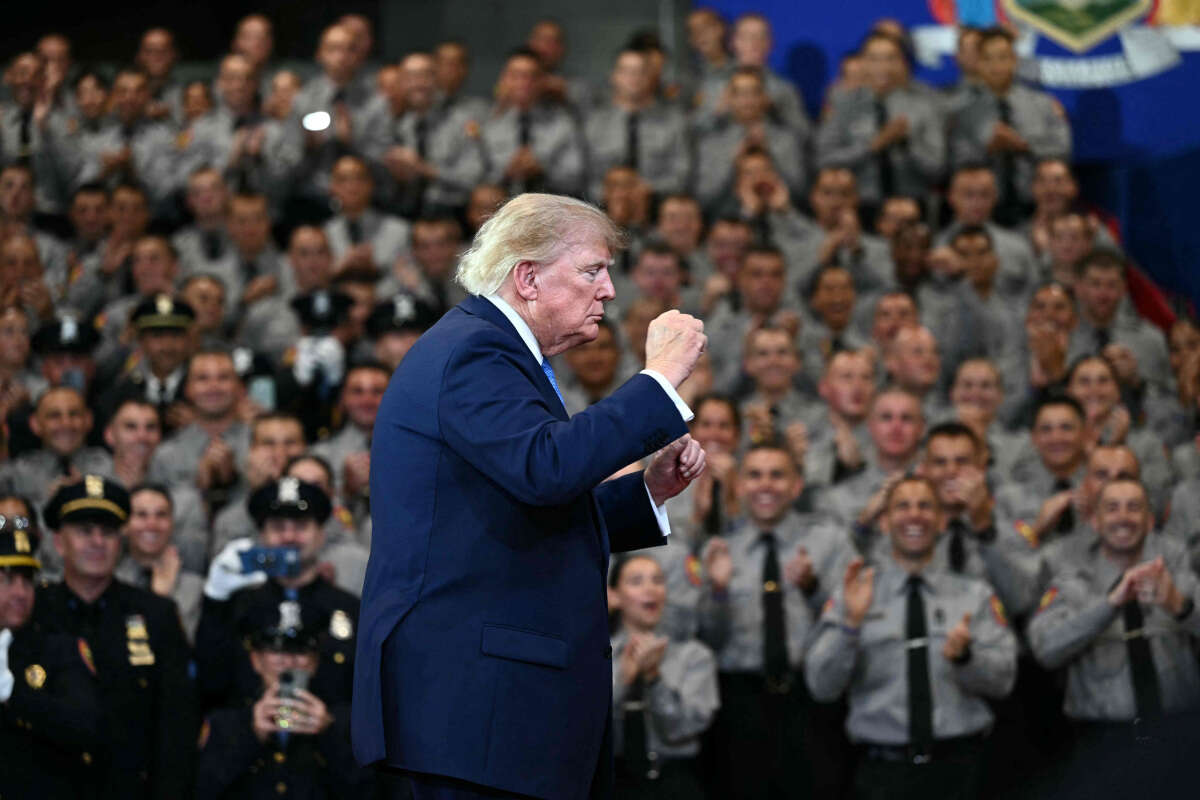 Israel HayomThis piece reads center-right
“jaw-dropping arms package for Israel”
Word choiceAcknowledges the munitions are 'controversial' while framing the package positively as 'jaw-dropping' in the headline, balancing different perspectives within a single piece.
Read the original
Placements are generated by an AI model from each article’s own headline and summary, and every quotation above is checked to be a real substring of that article before it is published. How this is done
Prism is free and carries no advertising. Support it if it was useful.