Trump signs sweeping Russia sanctions bill
Reported by
A dot shows how that piece reads — Prism rates articles, not outlets, and shows the words behind each placement below. No dot means the piece isn’t rated. How the ratings work

What happened
The account the coverage agrees on, with contested figures attributed rather than asserted. This is not one of the five framings below — it is the ground they all stand on.
President Trump signed into law a sweeping sanctions bill against Russia on September 19, 2026, named after late Senator Lindsey Graham. The law targets Russia's energy and defense industries and its shadow fleet of oil tankers. It also imposes measures against countries including India and China that continue buying Russian energy. Trump has broad authority to waive the law's requirements and to impose tariffs of up to 100% on nations that don't comply, with limited congressional oversight. Russia warned the sanctions would harm Trump's peace efforts.
How the spectrum reads this story
The same event, summarised as five points on the political spectrum would each tend to frame it. These are generated by an AI model and are a starting point, not the last word.
Left
This bill is a necessary but insufficient step to constrain Russia's capacity to wage war in Ukraine. The real problem is that Trump retains sweeping waiver authority—he can nullify the law's teeth whenever he chooses. The tariff power granted to him without oversight is a dangerous precedent that lets any president unilaterally punish trading partners. We need binding sanctions with no executive escape hatches, not legislation Trump can gut on a whim.
Center-left
Trump's signature shows the bill had bipartisan support and reflects serious concern about funding Russia's war. However, the broad waiver authority and tariff powers are troubling checks on congressional power. Democrats were right to worry: giving the president this much discretionary power over trade undermines the legislature's role. The law should work, but its effectiveness depends entirely on Trump's willingness to enforce it—a risky bet.
Center
The bill represents a pragmatic compromise: it establishes tough baseline sanctions on Russian energy and defense while preserving presidential flexibility to negotiate. The tariff authority concerns some, but presidential discretion in foreign policy is standard. The real test is implementation. Some provisions may prove unworkable (pressuring India and China to abandon Russian energy is ambitious), and Russia's warning about peace efforts deserves serious consideration. Effectiveness will depend on how Trump calibrates enforcement.
Center-right
A significant sanctions package that meaningfully targets Russian war-making capacity, particularly the shadow fleet and energy revenues. The bill wisely gives Trump flexibility to negotiate from strength—blanket sanctions sometimes entrench conflict. Tariff authority is a practical tool for enforcing compliance without constant legislative wrangling. Russia's complaints about peace efforts are posturing; the law protects American interests by degrading an adversary's ability to wage war while keeping diplomatic doors open.
Right
Trump signing this bill shows he's serious about constraining Russian aggression through economic pressure rather than military confrontation—a more sensible approach than the endless-war mentality of some. The broad waiver and tariff powers preserve American sovereignty and Trump's negotiating flexibility. Congressional attempts to strip those powers reflect distrust of the executive that hampers effective foreign policy. The law provides leverage without tying Trump's hands for future diplomacy.
Hear two viewpoints debate it
Pick two viewpoints and Prism writes a short, six-turn exchange about this story in each one’s own voice — steel-manned, no winner declared. Each pairing is written once and then saved for every reader. The voices are AI syntheses of a tradition, not real people.
New pairing — Prism will write it now.
How each outlet covered it
Every outlet that reported this event, with the photograph it chose. Picking a photo is a framing decision too.
- NYTnot rated
FramingEmphasizes Trump's discretionary power to circumvent the law—placing the focus on what he can avoid rather than what the law requires.
Read the original 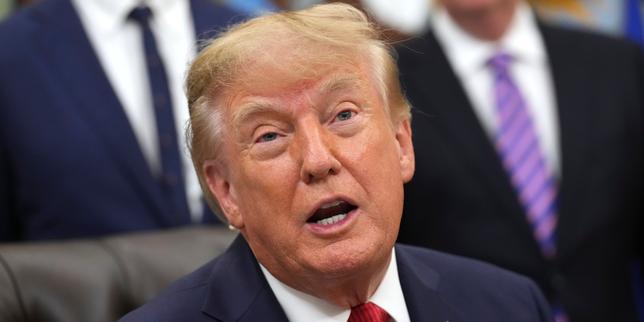 Le Mondenot rated
What's left outHighlights the lack of congressional check on tariff power; other outlets describe the power itself but not this democratic accountability gap.
Read the original- Meduzanot ratedRead the original
- The Moscow Timesnot ratedRead the original
- Euronewsnot rated
FramingNames Ukraine's war as the explicit goal, grounding the sanctions in a humanitarian purpose that other outlets leave implicit.
Read the original  BBCnot ratedRead the original
Prism is free and carries no advertising. Support it if it was useful.