Ukraine launches massive drone attack on Moscow during Russian parliamentary elections
Reported by
A dot shows how that piece reads — Prism rates articles, not outlets, and shows the words behind each placement below. No dot means the piece isn’t rated. How the ratings work

What happened
The account the coverage agrees on, with contested figures attributed rather than asserted. This is not one of the five framings below — it is the ground they all stand on.
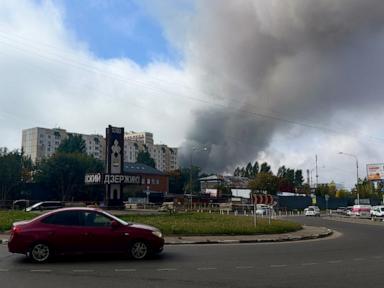
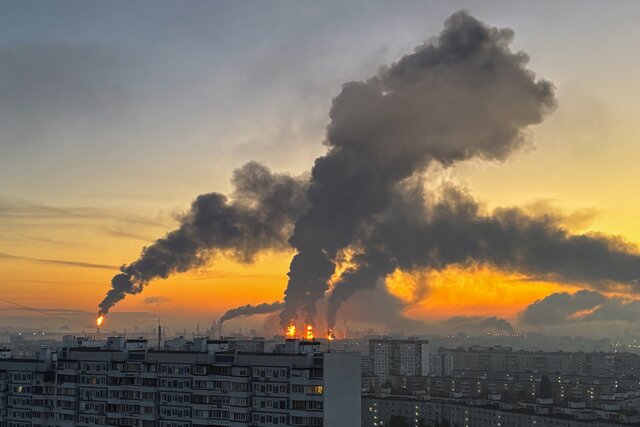
Ukraine launched what Moscow's mayor called the largest-ever drone attack on the Russian capital on Sunday, the final day of Russia's parliamentary elections. Ukrainian forces fired over 1,000 drones at Russia, with hundreds targeting Moscow. A major oil refinery in Moscow caught fire. Russian officials reported two deaths in the Moscow region and said air defenses shot down 450 drones approaching the city. Zelenskyy said Ukraine used a new ballistic missile in the strike.
How the spectrum reads this story
The same event, summarised as five points on the political spectrum would each tend to frame it. These are generated by an AI model and are a starting point, not the last word.
Left
Ukraine's massive drone strike on Moscow during Russian elections represents a bold defensive escalation against an invading power. The timing—disrupting a stage-managed election—underscores how Russia weaponizes its political processes to legitimize aggression. Ukraine's use of new missile technology reflects the technological innovation necessary when facing a numerically superior opponent. This attack demonstrates Ukraine's capacity to strike at Russian infrastructure and decision-making centers, shifting the military balance and imposing real costs on continued occupation.
Center-left
Ukraine conducted a significant drone strike on Moscow during Russia's parliamentary elections, hitting critical oil refinery infrastructure and demonstrating growing strike capability deep into Russian territory. The attack, involving over 1,000 drones and new ballistic missiles, shows Ukraine adapting its military strategy to inflict economic damage and military pressure. While the timing coinciding with elections suggests strategic messaging, the focus on energy infrastructure reflects a legitimate effort to degrade Russia's war-fighting capacity. The strike marks an important shift in Ukraine's ability to project power.
Center
Ukraine launched a major drone attack on Moscow during Russia's final day of parliamentary voting, striking an oil refinery and causing two reported deaths. Moscow's air defenses claimed to have intercepted most drones, though significant damage occurred. The attack's scale—over 1,000 drones—and the use of new ballistic missile technology represent notable military developments. The timing during elections appears deliberate but the strike's primary military purpose was damaging energy infrastructure. Both sides report different casualty and interception figures, making independent verification difficult.
Center-right
During Russia's parliamentary elections, Ukraine conducted an extensive drone assault on Moscow targeting oil refinery infrastructure. The attack involved over 1,000 drones and new ballistic missiles, resulting in fires and two reported deaths. Russian air defenses said they intercepted hundreds of drones approaching the capital, limiting damage. The strike's coordination with Russia's elections suggests political messaging intent alongside military objectives. The attack underscores the war's expansion into direct strikes on civilian infrastructure and populations within Russian territory.
Right
Ukraine launched a massive drone attack on Moscow during Russia's democratic parliamentary elections, striking civilian energy infrastructure and killing two people. The coordinated assault of over 1,000 drones—timed to disrupt the voting process—represents an escalation in targeting Russian civilians and critical infrastructure. Russia's air defenses successfully intercepted the majority of attacking drones, preventing greater casualties. The attack demonstrates how the conflict increasingly involves direct strikes on civilian populations and economic targets, raising questions about escalation and the rules governing modern warfare.
Hear two viewpoints debate it
Pick two viewpoints and Prism writes a short, six-turn exchange about this story in each one’s own voice — steel-manned, no winner declared. Each pairing is written once and then saved for every reader. The voices are AI syntheses of a tradition, not real people.
New pairing — Prism will write it now.
How each outlet covered it
Where Prism places each piece — not the outlet in general — with the words from that piece that put it there, and the photograph the outlet chose. Picking a photo is a framing decision too.
 Financial TimesThis piece reads center-left
“stage-managed parliamentary elections”
Word choiceCharacterizes Russia's elections with skepticism absent from other outlets; other sources report the elections neutrally or note only that they are occurring.
Read the original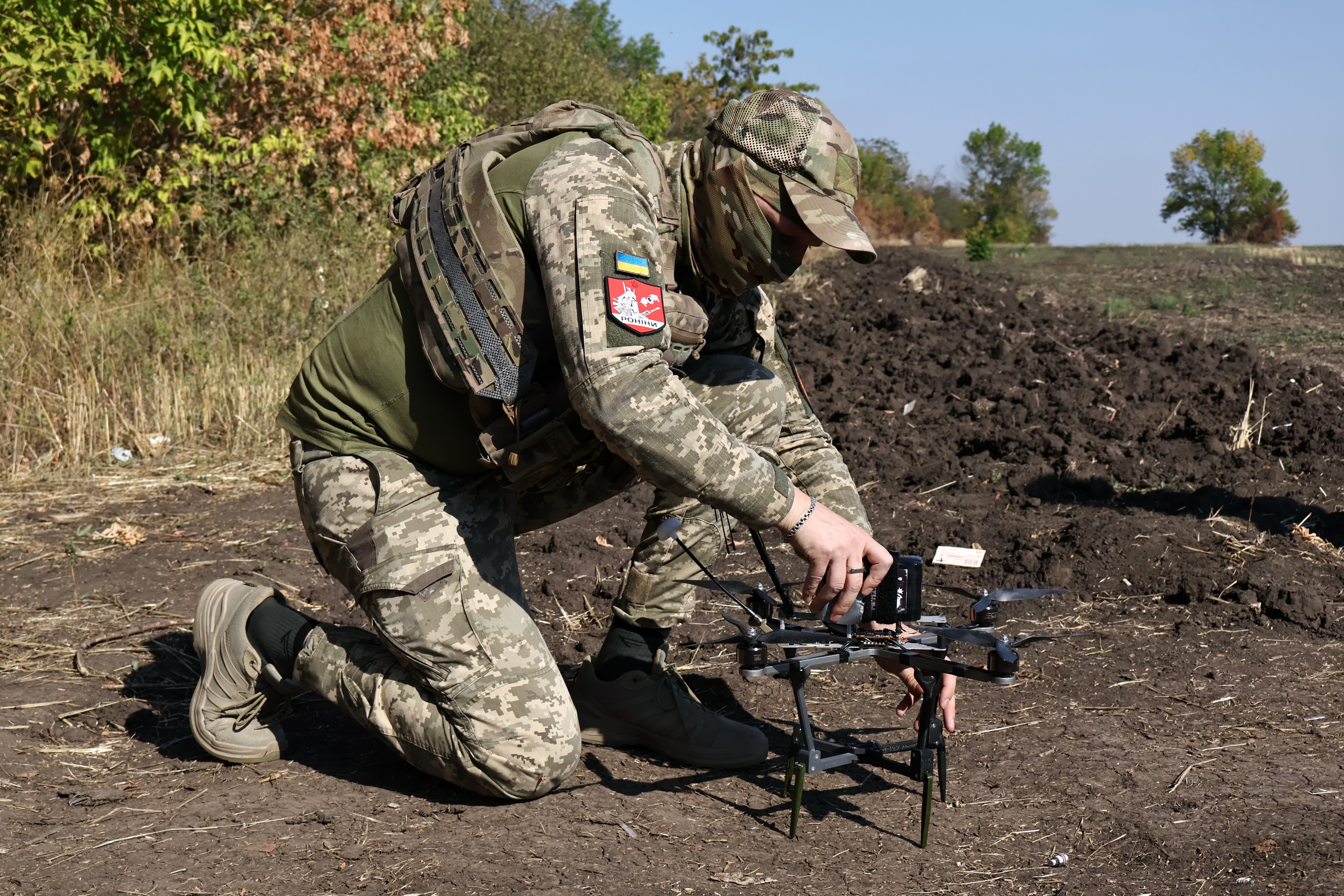 NPRnot ratedRead the original
 ABC Newsnot ratedRead the original
- Meduzanot rated
FramingDirectly quotes Russian officials' characterization of intent; other outlets report the timing coincidence without adopting the claim that disruption was the attack's primary purpose.
Read the original  The Japan Timesnot rated
What's left outIncludes background on Russian election history and outcomes; other outlets focus on the immediate attack and this election cycle without contextualizing Russia's electoral pattern.
Read the original RTÉnot ratedRead the original
 France 24not ratedRead the original
- The Chosun Dailynot ratedRead the original
 Daily Mailnot rated
FramingEmphasizes the election timing differently than other outlets—framing it as 'the last day' rather than 'final day' or 'as voting draws to a close,' which reads more as deadline drama.
Read the original
Placements are generated by an AI model from each article’s own headline and summary, and every quotation above is checked to be a real substring of that article before it is published. How this is done
Prism is free and carries no advertising. Support it if it was useful.