UN mission finds evidence of possible US war crimes in Iran strikes
Reported by
A dot shows how that piece reads — Prism rates articles, not outlets, and shows the words behind each placement below. No dot means the piece isn’t rated. How the ratings work
What happened
The account the coverage agrees on, with contested figures attributed rather than asserted. This is not one of the five framings below — it is the ground they all stand on.
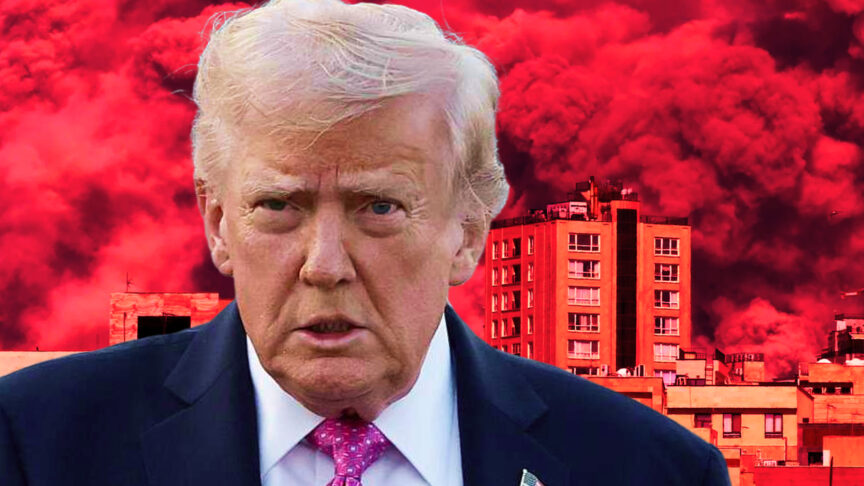
A UN fact-finding mission reported evidence of possible U.S. war crimes in two airstrikes in Iran. The mission cited a missile strike on a primary school that killed over 150 people and an airstrike that killed 22 civilians; one outlet specified 123 children killed in Minab. The U.S. rejected the report.
How the spectrum reads this story
The same event, summarised as five points on the political spectrum would each tend to frame it. These are generated by an AI model and are a starting point, not the last word.
Left
The UN's findings expose systematic violations of international humanitarian law by the U.S. military. Killing over 150 civilians in a school strike and deliberately targeting identifiable civilian areas like hospitals represents criminality on a massive scale. The rejection of the report by Washington demonstrates how imperial powers treat international accountability as optional—a pattern the U.S. repeats with impunity while prosecuting others for identical acts.
Center-left
A credible UN investigation has documented serious civilian casualties in U.S. airstrikes that appear to violate the laws of war. Over 150 deaths in a school strike and attacks on civilian infrastructure demand genuine investigation and accountability through proper channels. The U.S. should engage seriously with these findings rather than dismiss them, and work toward transparency and changes to targeting procedures to prevent future civilian harm.
Center
The UN's fact-finding mission has raised important questions about civilian protection in these military operations. Different outlets report varying death tolls—a concerning gap that underscores the need for rigorous, independent verification. While the U.S. rejects the findings, their credibility depends on examination rather than dismissal. Both thorough investigation and respect for military necessity in conflict are necessary; blanket acceptance or rejection of either serves no one.
Center-right
The UN report makes serious allegations against U.S. forces that require careful examination of the actual targeting decisions and intelligence available at the time. War involves tragic civilian casualties; the question is whether rules of engagement were followed and whether targets were legitimate. Washington's rejection should be accompanied by transparency about what intelligence drove the strikes. Unfounded accusations of war crimes undermine legitimate accountability mechanisms and can handicap necessary military operations.
Right
The UN has become a forum for delegitimizing American military action through selective fact-finding that ignores broader context. U.S. forces operate under strict rules of engagement and targeting procedures designed to minimize civilian harm. Allegations of war crimes based on unverified casualty claims serve hostile interests rather than genuine accountability. The U.S. is right to reject reports from institutions that apply standards to America they never apply to adversaries.
Hear two viewpoints debate it
Pick two viewpoints and Prism writes a short, six-turn exchange about this story in each one’s own voice — steel-manned, no winner declared. Each pairing is written once and then saved for every reader. The voices are AI syntheses of a tradition, not real people.
New pairing — Prism will write it now.
How each outlet covered it
Where Prism places each piece — not the outlet in general — with the words from that piece that put it there, and the photograph the outlet chose. Picking a photo is a framing decision too.
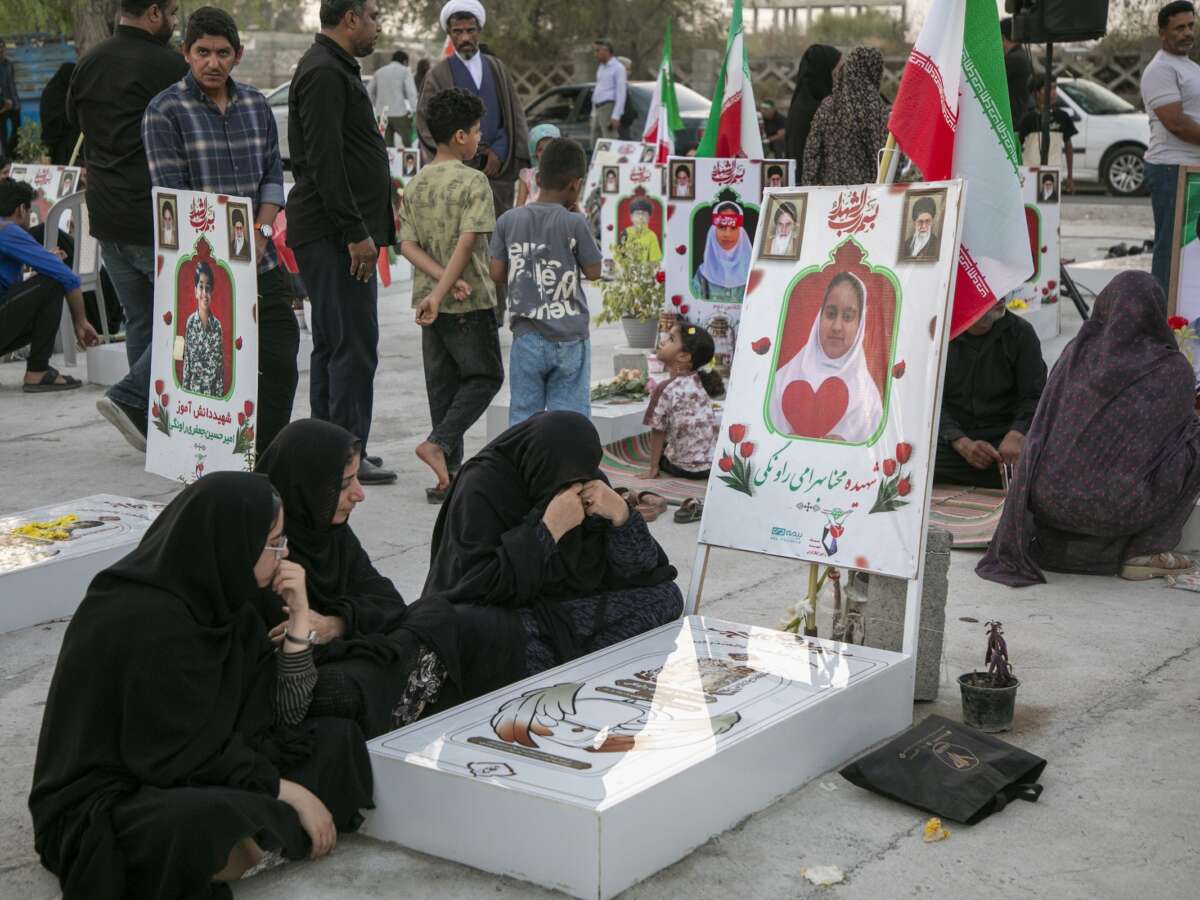 TruthoutThis piece reads left
“That Killed 123 Children Was War Crime”
Word choiceStates the UN finding as established fact ('was war crime') in the headline itself, whereas other outlets use language like 'suspects' or 'notes possible'—a more definitive framing than the softer probability language others employ.
Read the original- Novara MediaThis piece reads center-left
“constitute war crimes”
Word choiceStates that airstrikes 'constitute war crimes' as a direct assertion, stronger language than 'suspects' or 'notes possible,' bringing the UN's conclusion closer to fact.
Read the original - CNBCnot rated
Word choiceUses 'signaling' rather than 'constituting' or 'indicating,' a more cautious verb that describes the evidence as a signal rather than establishing the conclusion directly.
Read the original - DWnot rated
FramingQuotes the UN's own cautious legal standard directly, foregrounding the tentative nature of the finding rather than moving toward stronger characterization.
Read the original
Placements are generated by an AI model from each article’s own headline and summary, and every quotation above is checked to be a real substring of that article before it is published. How this is done
Prism is free and carries no advertising. Support it if it was useful.