German Chancellor Merz vows to press ahead with reforms after historic CDU defeat in state elections
Reported by
A dot shows how that piece reads — Prism rates articles, not outlets, and shows the words behind each placement below. No dot means the piece isn’t rated. How the ratings work
What happened
The account the coverage agrees on, with contested figures attributed rather than asserted. This is not one of the five framings below — it is the ground they all stand on.
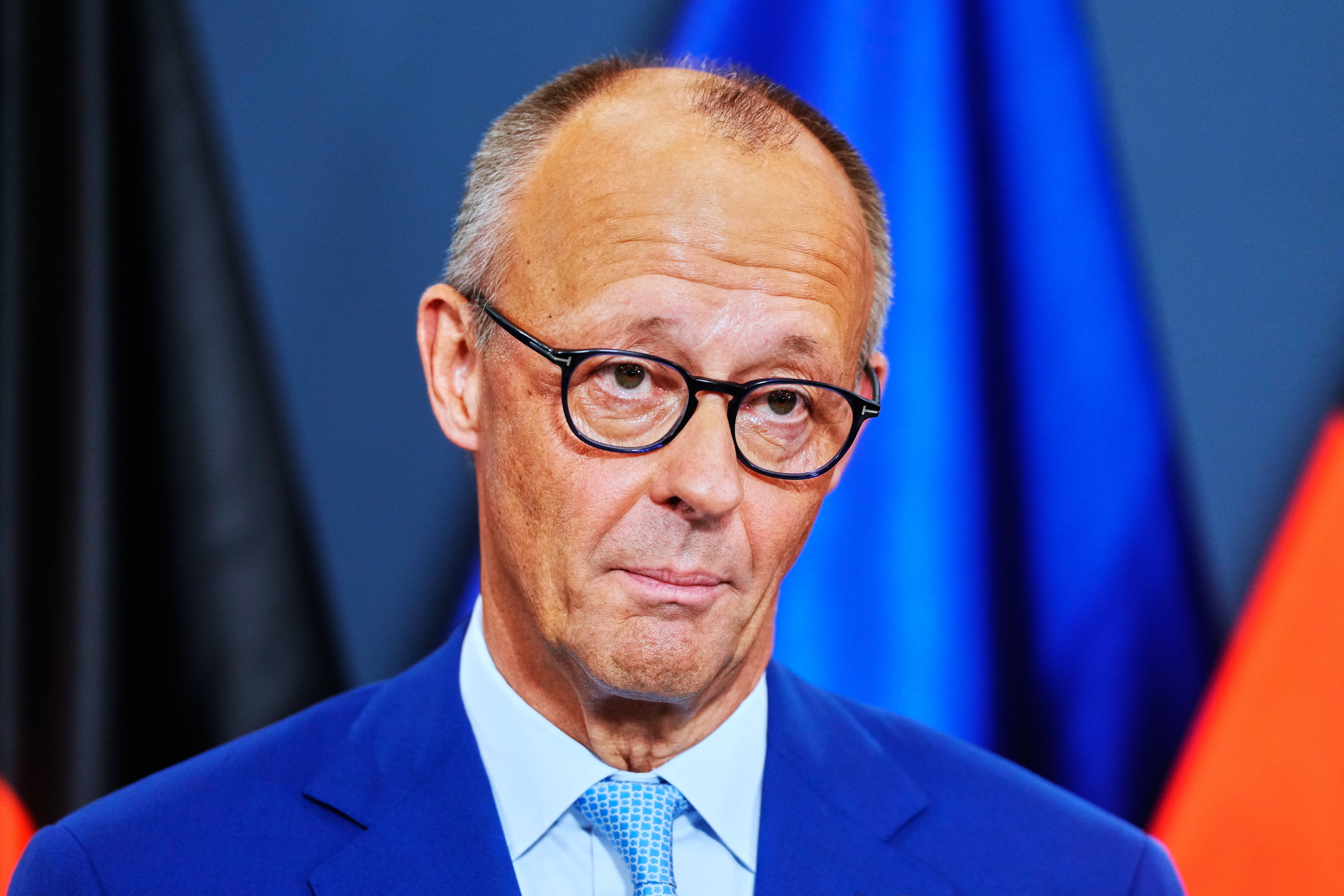
German Chancellor Friedrich Merz's Christian Democratic Union suffered historic defeats in state elections in Berlin and Mecklenburg-Western Pomerania on Sunday. In Mecklenburg-Western Pomerania, the CDU won around 4.8–5 percent, its lowest result in any German state since World War II and risking loss of parliamentary representation entirely. The far-right Alternative for Germany (AfD) won 38.4 percent in Mecklenburg-Western Pomerania, its second state-election victory in two weeks after Saxony-Anhalt. Merz called the result a 'disaster' but vowed to remain as chancellor and continue with reforms.
How the spectrum reads this story
The same event, summarised as five points on the political spectrum would each tend to frame it. These are generated by an AI model and are a starting point, not the last word.
Left
The CDU's collapse reflects the failure of establishment politics to address working people's real concerns—inequality, insecurity, and institutional neglect. The AfD's rise is a symptom of a broken system that serves elites while ordinary Germans feel left behind. These results demand not just personnel changes but structural reform: wealth redistribution, stronger worker protections, and genuine democratic participation rather than technocratic governance from above.
Center-left
This is a warning signal for moderate conservatives and social democrats across Europe. The CDU's poor performance shows that centrist parties lose ground when they ignore popular anxieties about migration, economic instability, and social cohesion. The answer is not to chase the AfD rightward but to rebuild trust through competent governance, targeted investment in struggling regions, and policies that visibly improve ordinary people's lives while maintaining democratic values.
Center
Germany faces a genuine political crisis that neither pole's prescriptions will solve. The AfD gains are real and serious, but the party remains isolated—unable to govern and corrosive to democratic norms. Merz's CDU has lost credibility through mismanagement. The path forward requires: competent, honest administration that addresses legitimate grievances; cross-party cooperation to isolate extremists; and acceptance that governing coalitions will be difficult and messy, not ideologically pure.
Center-right
The CDU's defeat reflects voter frustration with weak leadership and unclear direction under Merz. Germans want strong governance, fiscal responsibility, and firm action on border security and integration—not ideological gestures. While the AfD's electoral success is concerning, it also shows mainstream parties must take seriously the concerns driving voters rightward: uncontrolled migration, crime, and economic uncertainty. The CDU must rebuild by demonstrating competence and acknowledging legitimate worries without surrendering to extremism.
Right
German voters are sending a clear message: they reject the failed policies of the establishment consensus. Mass immigration, bureaucratic overreach, and economic decline have destroyed confidence in traditional parties. The AfD's gains reflect genuine grassroots demand for sovereignty, border control, and leaders who put German interests first. Only when mainstream parties stop dismissing these concerns and actually address them—secure borders, strict immigration rules, economic nationalism—will voters return from the AfD.
Hear two viewpoints debate it
Pick two viewpoints and Prism writes a short, six-turn exchange about this story in each one’s own voice — steel-manned, no winner declared. Each pairing is written once and then saved for every reader. The voices are AI syntheses of a tradition, not real people.
New pairing — Prism will write it now.
How each outlet covered it
Where Prism places each piece — not the outlet in general — with the words from that piece that put it there, and the photograph the outlet chose. Picking a photo is a framing decision too.
 RTÉThis piece reads center-left
“in a fight for his political life tonight”
FramingAdds dramatic framing—'fight for his political life'—that most other outlets avoid. Suggests Merz's position as chancellor is in immediate peril, whereas other outlets report his vow to stay on without that urgency.
Read the original- DWThis piece reads center
“far-right AfD remains without options to form a state government”
FramingEmphasizes in the headline what other outlets treat as secondary: that despite gains, the AfD cannot form a government. This frames the AfD's victory as constrained rather than consequential.
Read the original  Financial TimesThis piece reads center
“German chancellor Merz vows to stay on despite 'disaster”
Read the original France 24not ratedRead the original
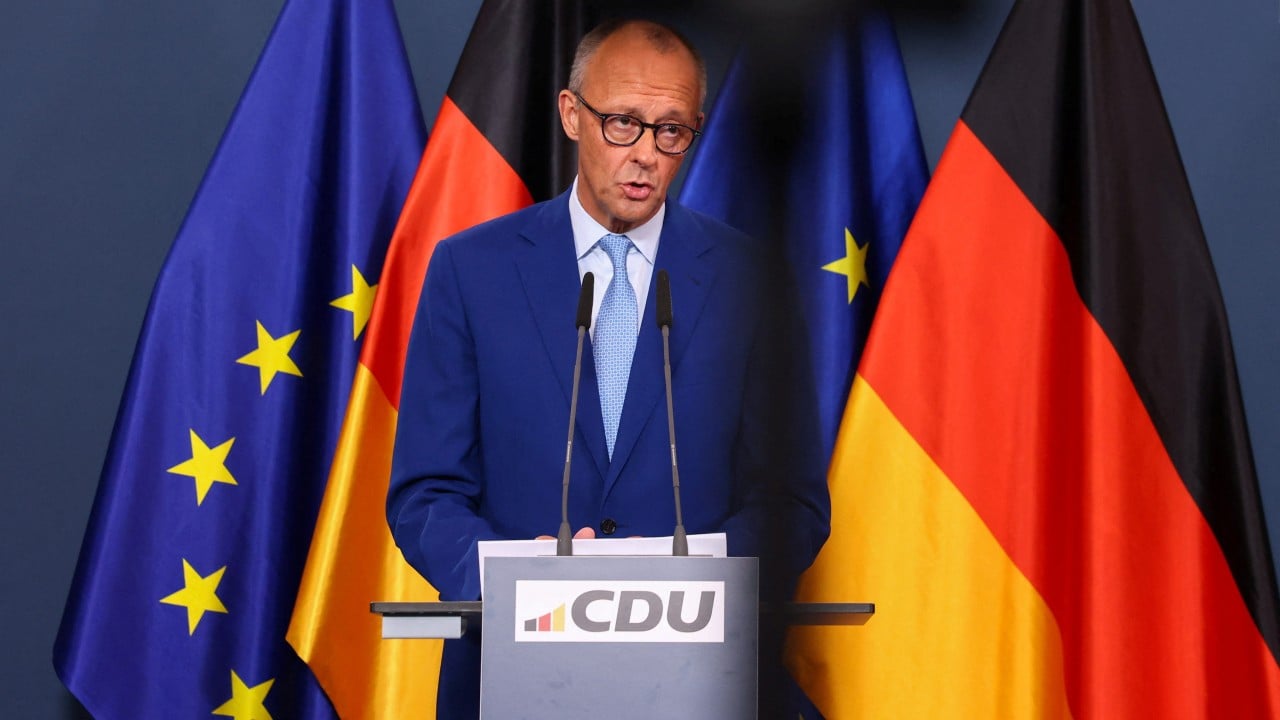 South China Morning PostThis piece reads center
“bruising electoral setback in two state elections”
Read the original- BloombergThis piece reads center
“conservatives poised to be expelled from a regional assembly”
Word choiceUses 'expelled' where outlets like CNBC and Politico say 'fail to secure representation' or 'lowest result.' The word choice—though technically accurate—carries sharper language about the CDU's fate.
Read the original 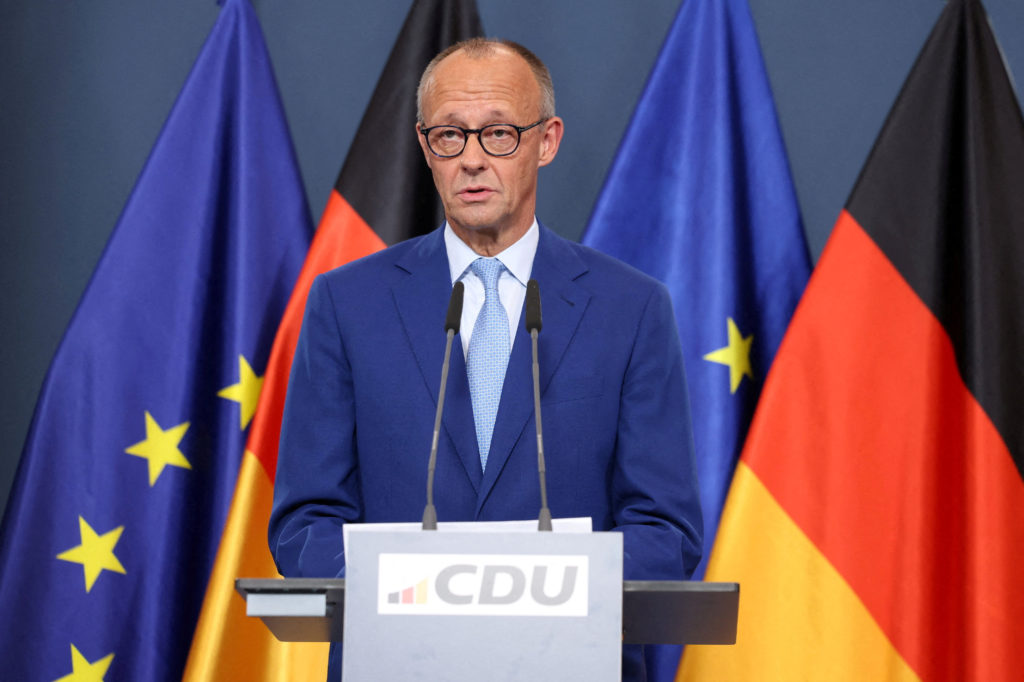
- Hungarian ConservativeThis piece reads right
“AfD Wins Another Key State, Merz's CDU on Track to Be Wiped Out”
Word choiceUses emphatic language—'wiped out'—where other outlets say 'historic defeat' or 'collapse.' The phrasing suggests near-total elimination rather than a severe loss.
Read the original
Placements are generated by an AI model from each article’s own headline and summary, and every quotation above is checked to be a real substring of that article before it is published. How this is done
Prism is free and carries no advertising. Support it if it was useful.