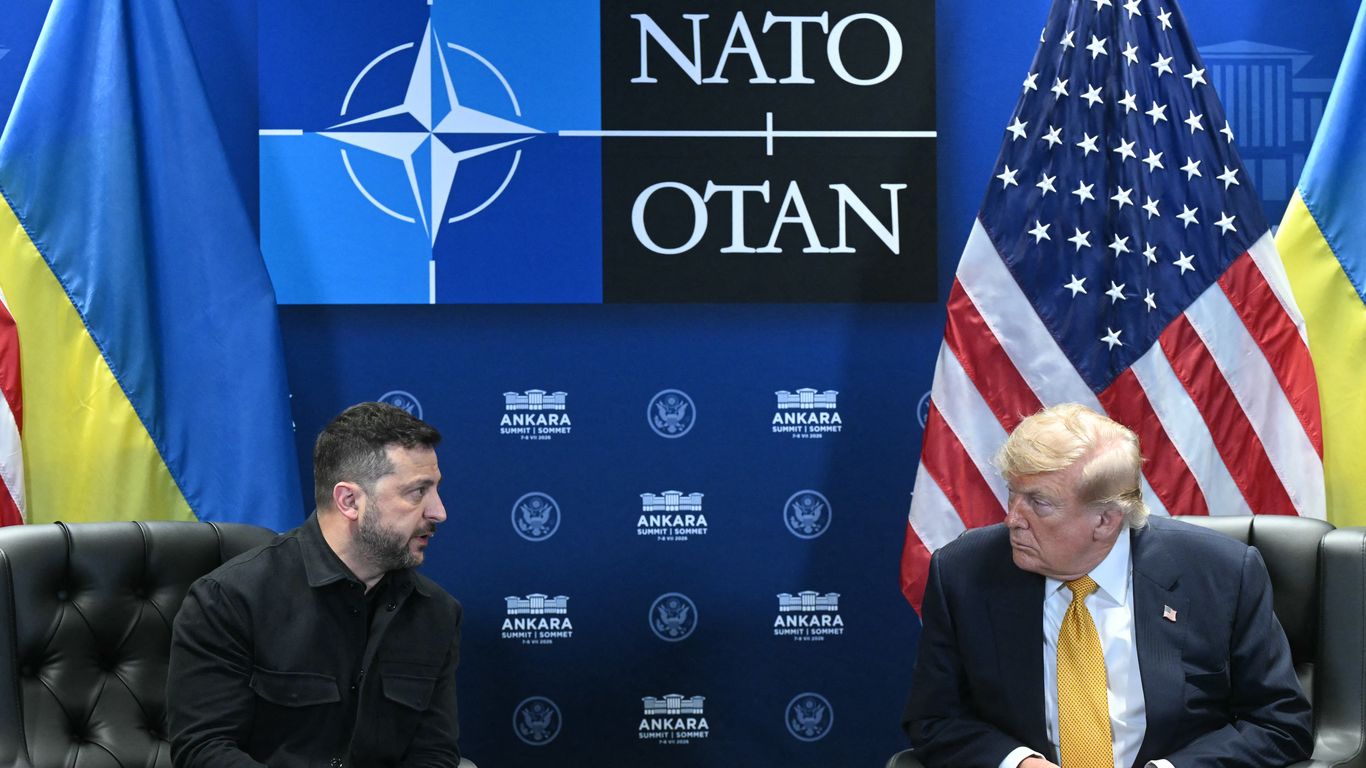
Trump to meet Zelensky in New York during UN General Assembly
Reported by
A dot shows how that piece reads — Prism rates articles, not outlets, and shows the words behind each placement below. No dot means the piece isn’t rated. How the ratings work
What happened
The account the coverage agrees on, with contested figures attributed rather than asserted. This is not one of the five framings below — it is the ground they all stand on.
Ukrainian President Volodymyr Zelensky announced on Sunday following a phone call with President Trump that the two will meet this week in New York on the sidelines of the UN General Assembly. The White House is working to broker an agreement between Russia and Ukraine for reciprocal deescalation and resumed negotiations, while fighting between the sides continues.
How the spectrum reads this story
The same event, summarised as five points on the political spectrum would each tend to frame it. These are generated by an AI model and are a starting point, not the last word.
Left
Trump is using diplomatic theater to suggest progress while Ukraine faces intensifying Russian attacks and the U.S. continues pouring billions into military support rather than pushing harder for a genuine ceasefire. A meeting on the sidelines of the UN does little to address the structural power imbalance that forced Ukraine into this war or the weapons-industry interests driving the conflict's continuation.
Center-left
The meeting represents a positive step toward de-escalation and peace negotiations, which are necessary as the war has dragged on for years with enormous human and economic costs. However, sustained U.S. commitment to Ukraine's security through military aid remains essential while diplomatic channels are explored, and any agreement must protect Ukrainian sovereignty and reflect the reality that Russia initiated the invasion.
Center
A meeting between Trump and Zelensky offers a practical opportunity to explore diplomatic solutions while the conflict grinds on. The challenge is balancing support for Ukraine with genuine negotiation: the U.S. has invested heavily in the fight, but perpetual war serves no one. Any progress requires both sides to move toward compromise, though determining what each will actually accept remains unclear.
Center-right
Direct diplomatic engagement between Trump and Zelensky is overdue and potentially productive, especially given the U.S. financial commitment to Ukraine's defense. The meeting signals a serious attempt to negotiate an end to the conflict while maintaining pressure on Russia. The U.S. should pursue peace while ensuring Ukraine doesn't accept terms that leave it vulnerable, and the talks should move quickly given the ongoing costs.
Right
Trump is right to pursue direct negotiations and seek an end to a war that has drained American resources and created dependency on U.S. support. The U.S. should not be drawn into indefinite conflict between Ukraine and Russia; American interests lie in a negotiated settlement that respects national sovereignty and reduces endless foreign entanglement. A diplomatic off-ramp is far preferable to continuing escalation.
Hear two viewpoints debate it
Pick two viewpoints and Prism writes a short, six-turn exchange about this story in each one’s own voice — steel-manned, no winner declared. Each pairing is written once and then saved for every reader. The voices are AI syntheses of a tradition, not real people.
New pairing — Prism will write it now.
How each outlet covered it
Where Prism places each piece — not the outlet in general — with the words from that piece that put it there, and the photograph the outlet chose. Picking a photo is a framing decision too.
- LA TimesThis piece reads center-left
“ethically bankrupt Senate nominee Ken Paxton”
Word choiceUses intensely evaluative language—'worst, most vile'—that frames the candidate as objectively categorizable in those terms rather than reporting the facts of his conduct or statements and letting readers judge.
Read the original - AxiosThis piece reads center
“comes as the White House works to broker an agreement”
What's left outThe sentence cuts off mid-clause—it trails without completing the thought about how fighting is evolving, leaving the reader without the full factual picture Axios began to provide.
Read the original 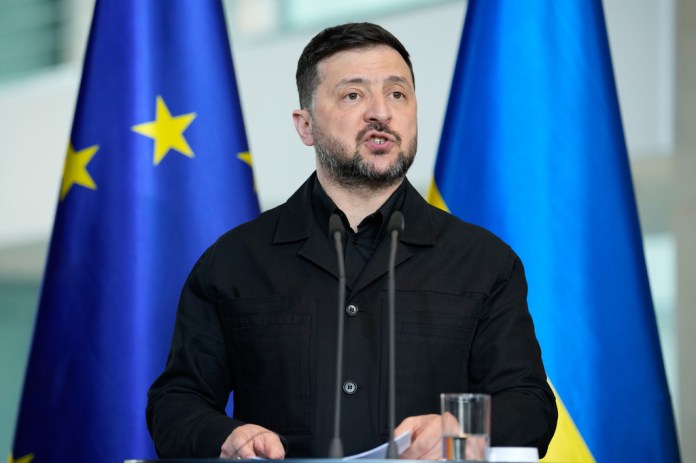 Washington ExaminerThis piece reads center
“high-stakes meeting with President Donald Trump in New York”
What's left outAdds context about relationship friction where other outlets simply report the meeting announcement, emphasizing difficulty and tension in their dynamic.
Read the original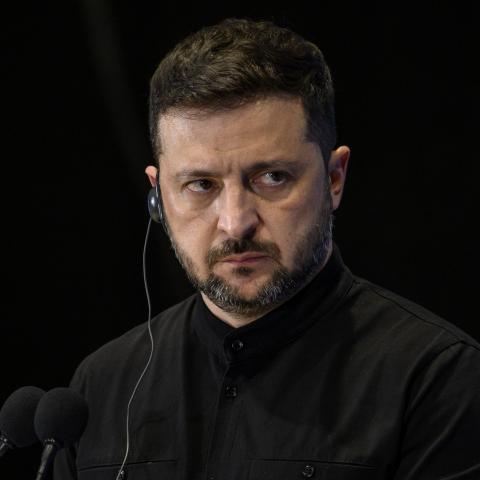

Placements are generated by an AI model from each article’s own headline and summary, and every quotation above is checked to be a real substring of that article before it is published. How this is done
Prism is free and carries no advertising. Support it if it was useful.