FAA grounds flights at major US Northeast airports due to fiber line cut at construction site
Reported by
A dot shows how that piece reads — Prism rates articles, not outlets, and shows the words behind each placement below. No dot means the piece isn’t rated. How the ratings work
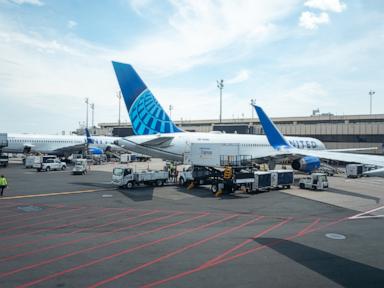
What happened
The account the coverage agrees on, with contested figures attributed rather than asserted. This is not one of the five framings below — it is the ground they all stand on.
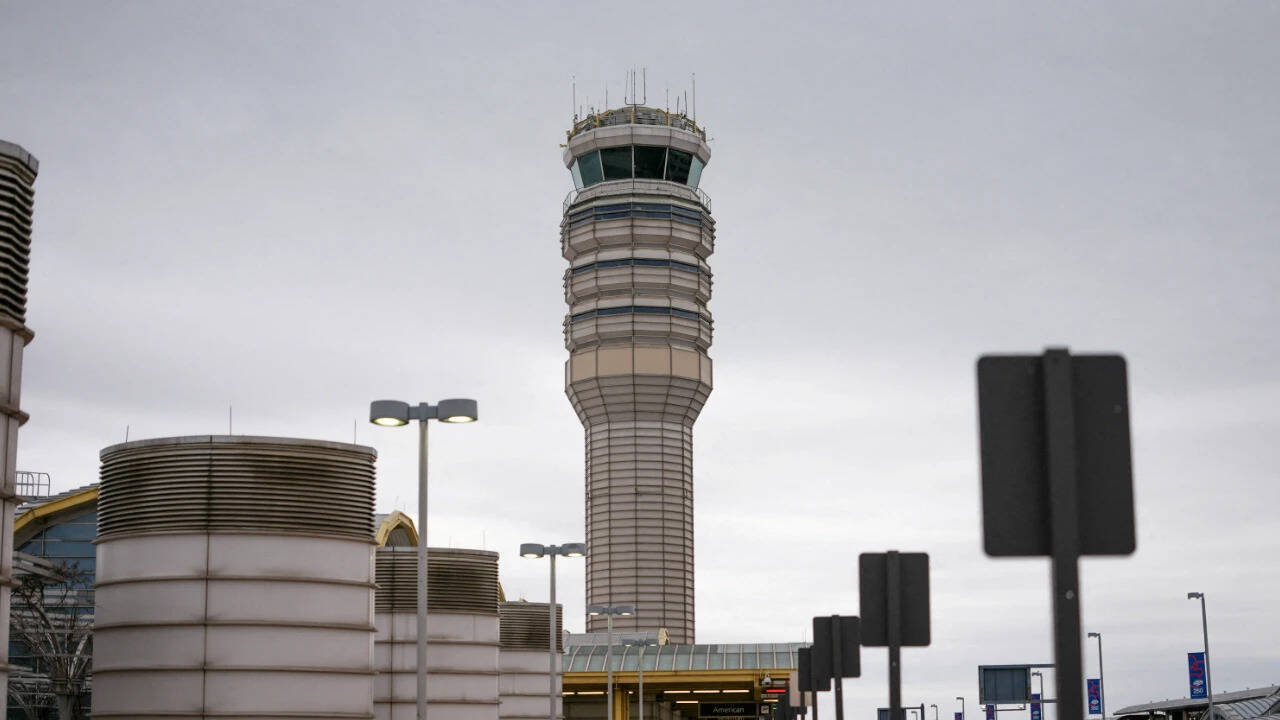
An Amtrak construction crew accidentally cut a fiber-optic cable in New Jersey, causing an air traffic control outage on September 21 that disrupted flights across Northeast airports. Newark Liberty, JFK, LaGuardia, Philadelphia, and Teterboro airports were affected. According to FlightAware, Newark had 168 flights canceled and 97 delayed; Philadelphia had 63 canceled and 189 delayed. The FAA paused flights in the region in response to the backup line failure.
How the spectrum reads this story
The same event, summarised as five points on the political spectrum would each tend to frame it. These are generated by an AI model and are a starting point, not the last word.
Left
This disruption exposes how dependent critical infrastructure remains on aging, vulnerable systems and privatized contractors with inadequate oversight. A single accident by a construction crew caused cascading failures affecting thousands of travelers, revealing the risks of underinvestment in public systems and the need for stronger safety protocols, redundancy requirements, and direct public control over essential infrastructure rather than reliance on private operators cutting corners.
Center-left
The outage demonstrates the need for better infrastructure maintenance and construction safety standards. While accidents happen, this incident highlights that firms working near critical systems must follow stricter protocols and that the FAA and relevant agencies need more resources for oversight and backup systems. Investing in infrastructure resilience and enforcing stronger safety regulations on construction near vital networks would help prevent such disruptions from affecting thousands of travelers.
Center
A construction accident caused significant but manageable disruption to air travel, triggering an appropriate emergency response from the FAA. While the incident was avoidable through standard precautions, it also demonstrates that the system's circuit breakers worked—flights were paused rather than crashing. The real question is whether the costs of mandating gold-standard redundancy everywhere exceed the occasional disruption from human error, and whether this particular outcome justifies that investment.
Center-right
An Amtrak construction crew's failure to follow basic safety procedures—cutting a critical fiber line—caused thousands of flight cancellations and delays affecting the traveling public. This is a case of poor execution and inadequate attention to detail by a contractor, not a systemic failure. The FAA responded appropriately by halting flights to prevent danger. The focus should be on holding the responsible party accountable and ensuring construction crews follow established protocols near sensitive infrastructure.
Right
A government-owned rail company's construction crew carelessly damaged critical telecommunications infrastructure, causing a major disruption across the Northeast. This illustrates how public agencies often lack the accountability and efficiency of private enterprise, and how monopolistic government operators face little pressure to maintain quality standards. The incident should prompt a review of whether such essential infrastructure management would be safer and more reliable under private sector oversight and competition.
Hear two viewpoints debate it
Pick two viewpoints and Prism writes a short, six-turn exchange about this story in each one’s own voice — steel-manned, no winner declared. Each pairing is written once and then saved for every reader. The voices are AI syntheses of a tradition, not real people.
New pairing — Prism will write it now.
How each outlet covered it
Where Prism places each piece — not the outlet in general — with the words from that piece that put it there, and the photograph the outlet chose. Picking a photo is a framing decision too.
- ABC NewsThis piece reads center
“Hundreds of flights canceled due to equipment outage”
What's left outUses the generic term 'equipment outages' in the snippet, leaving the cause unexplained, whereas other outlets specify it was a fiber-optic line cut by construction workers.
Read the original - CBS NewsThis piece reads center
“Flights disrupted at NYC-area airports due to equipment outage, FAA says”
FramingAttributes 'equipment outage' to the FAA without specifying the underlying cause (fiber line cut) until later, making the initial framing vaguer than outlets that lead with the construction accident.
Read the original 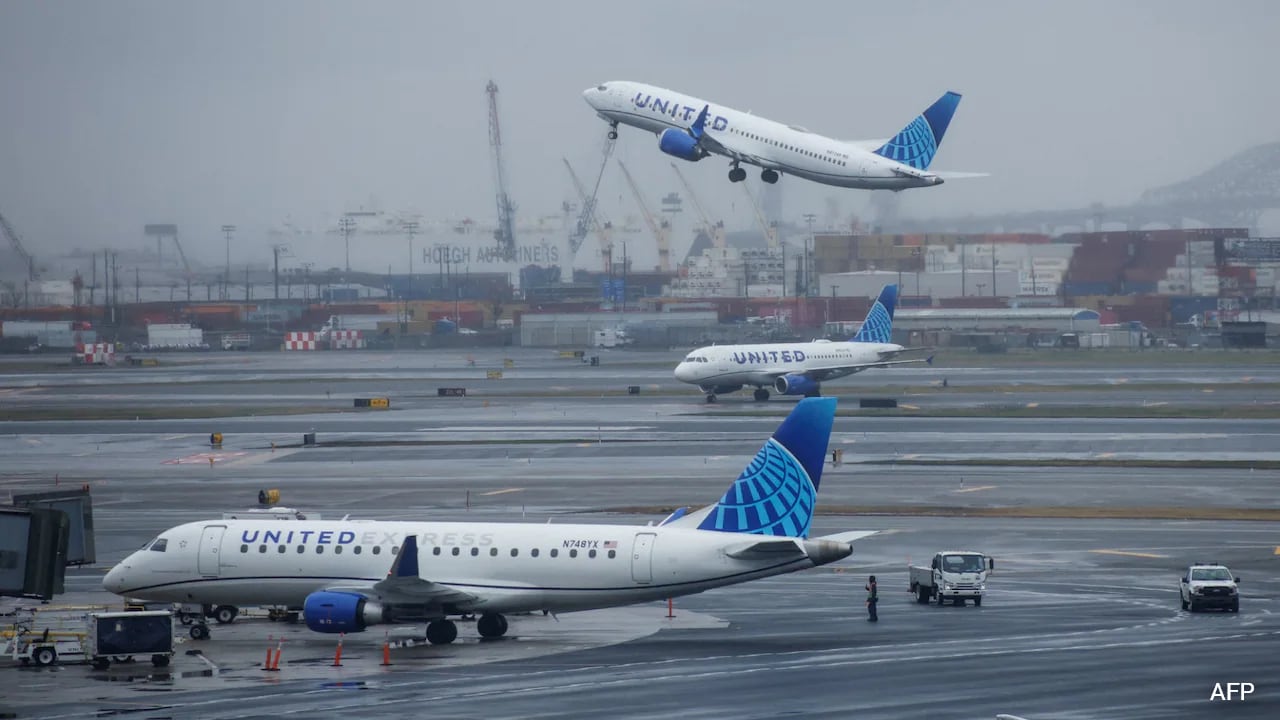 NDTVThis piece reads center
“Hundreds Of US Flights Cancelled After Air Traffic Control Malfunction”
Word choiceCalls it a 'malfunction,' which implies a system failure, rather than identifying the root cause (an external construction crew cutting the line), shifting blame toward equipment rather than human action.
Read the original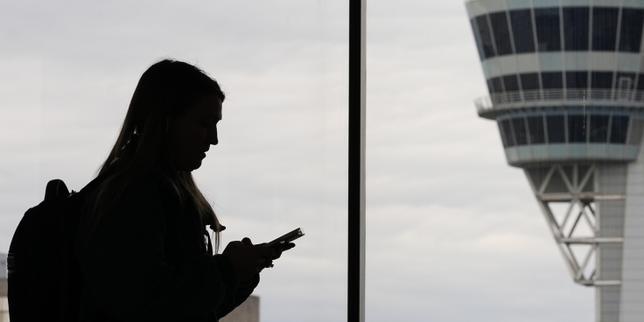 Le MondeThis piece reads center
“An Amtrak construction crew accidentally cut into a fiber line”
Read the original- Business InsiderThis piece reads center
“A construction crew accidentally cut a backup fiber line”
FramingOpens with 'broken circuit' before mentioning that a construction crew caused it, framing the problem as a technical failure rather than leading with the human error that triggered it.
Read the original 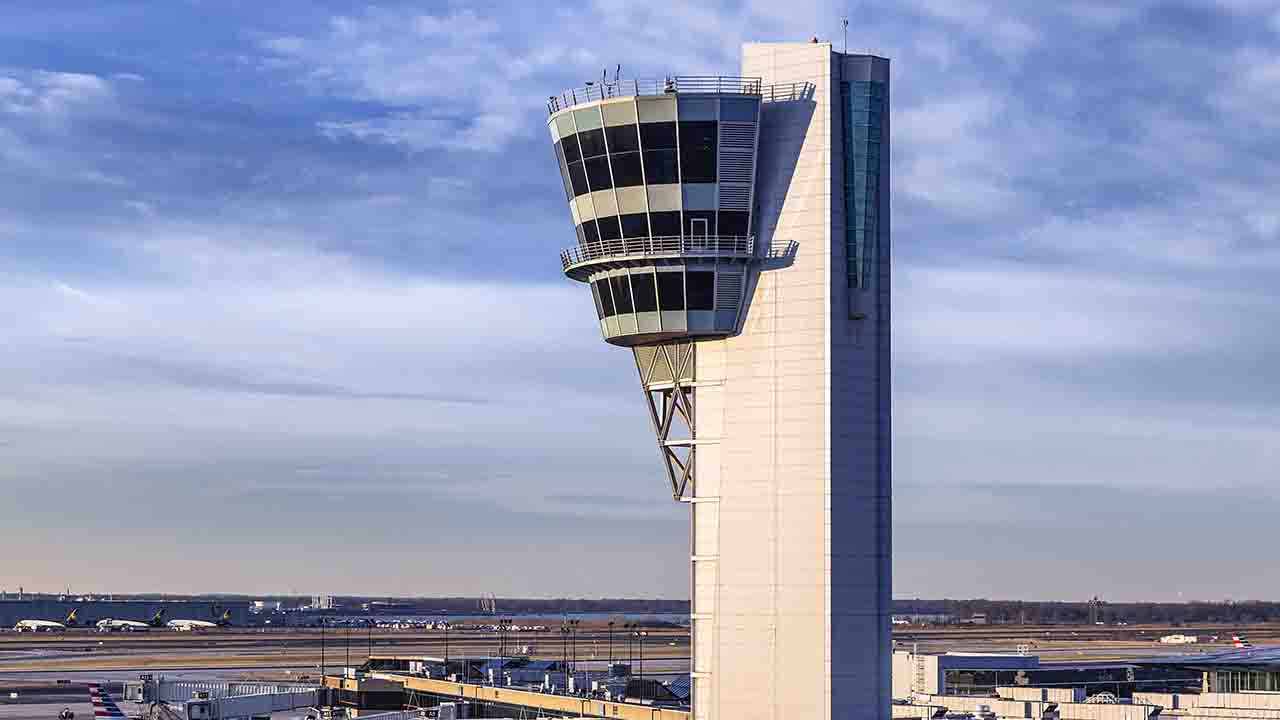 Fox BusinessThis piece reads center
“An Amtrak construction crew accidentally cut a fiber-optic line”
Read the original
- Euronewsnot rated
What's left outRepeats the FAA's own language ('equipment outage') in quotes from the airport, without clarifying in the snippet that the outage was caused by construction workers cutting a fiber line, keeping the framing abstract.
Read the original
Placements are generated by an AI model from each article’s own headline and summary, and every quotation above is checked to be a real substring of that article before it is published. How this is done
Prism is free and carries no advertising. Support it if it was useful.