U.S. and Denmark reach security deal on Greenland after Trump's annexation threats
Reported by
A dot shows how that piece reads — Prism rates articles, not outlets, and shows the words behind each placement below. No dot means the piece isn’t rated. How the ratings work

What happened
The account the coverage agrees on, with contested figures attributed rather than asserted. This is not one of the five framings below — it is the ground they all stand on.
President Trump announced Friday that the U.S. has reached a security agreement with Denmark covering Greenland. Trump said the deal grants the U.S. "permanent control over security" in the territory. Denmark's Prime Minister Mette Frederiksen said the agreement "strengthens our common security in the Arctic and the North Atlantic area" and confirmed it will be signed at the UN General Assembly next week, pending parliamentary approval. The Washington Post reports the agreement "stops far short of Trump's often-stated goal of taking possession of the territory." The New York Times notes the full contours remain unclear.
How the spectrum reads this story
The same event, summarised as five points on the political spectrum would each tend to frame it. These are generated by an AI model and are a starting point, not the last word.
Left
Trump's obsession with acquiring Greenland—a NATO ally's sovereign territory—has finally been redirected into a security arrangement, but this deal still represents a troubling expansion of American military control without consent from Greenlandic residents. The fact that Trump spent months threatening forcible seizure and now claims "permanent control" over security shows how U.S. imperialism, even when nominally constrained by diplomacy, still treats other nations' territory as available for American strategic interests. This militarization of the Arctic serves corporate resource extraction and geopolitical dominance rather than genuine regional stability.
Center-left
After months of inflammatory rhetoric about annexing Greenland, Trump has negotiated a security deal with Denmark that achieves increased U.S. military presence without claiming outright territorial possession. While this is preferable to the earlier takeover threats, the vague language about "permanent control over security" raises legitimate concerns about what Washington has actually committed to and whether Greenlandic self-determination is genuinely respected. The deal requires Danish parliamentary approval, and it's important to clarify the actual terms before declaring this a responsible resolution of what became an unnecessarily fractious episode with a key NATO ally.
Center
Trump's push for Greenland dominance has been channeled into a security framework with Denmark that appears to give the U.S. enhanced military capabilities in the Arctic while preserving Danish sovereignty and the nominal independence of Greenland. The vagueness about what "permanent control over security" actually means—emphasized by multiple outlets and acknowledged by Danish officials—suggests the real substance is still being negotiated. Before judging whether this represents a reasonable Arctic security arrangement or an overreach, more details are needed. The requirement for Danish parliamentary approval is a sensible check on executive action, though it also introduces uncertainty about whether the deal holds.
Center-right
Trump has successfully leveraged U.S. strategic interests in the Arctic into an expanded security footprint in Greenland through firm negotiation with Denmark, avoiding both the diplomatic disaster that annexation threats created and the weakness of accepting Danish veto over American defense needs. The U.S. military presence in Greenland is strategically vital as Russia expands its Arctic capabilities, and this deal recognizes that reality while respecting the formal sovereignty Denmark and Greenland prefer. The agreement's requirement for parliamentary approval ensures democratic legitimacy, and Trump's willingness to negotiate a compromise after setting a tough opening position demonstrates effective statecraft.
Right
Trump secured a major strategic win by refusing to back down on Greenland's importance to American security and forcing Denmark to accept expanded U.S. military control over the territory. The deal gives America the "permanent control" it needs to defend its interests in the Arctic against Russian expansion, without the complications of formal annexation. The fact that Danish parliamentarians will rubber-stamp what their government has already committed to shows that serious American pressure, applied credibly, works in international negotiations. This proves that traditional diplomacy works when the U.S. negotiates from strength rather than apologizing for its own interests.
Hear two viewpoints debate it
Pick two viewpoints and Prism writes a short, six-turn exchange about this story in each one’s own voice — steel-manned, no winner declared. Each pairing is written once and then saved for every reader. The voices are AI syntheses of a tradition, not real people.
New pairing — Prism will write it now.
How each outlet covered it
Where Prism places each piece — not the outlet in general — with the words from that piece that put it there, and the photograph the outlet chose. Picking a photo is a framing decision too.
- NPRThis piece reads center-left
“after months of threatening to take the island by force”
What's left outDirectly names Trump's prior threats as a context-setting fact, whereas most outlets either omit or euphemize this history.
Read the original - HuffPostThis piece reads center-left
“after months of threatening to take island by force”
Read the original 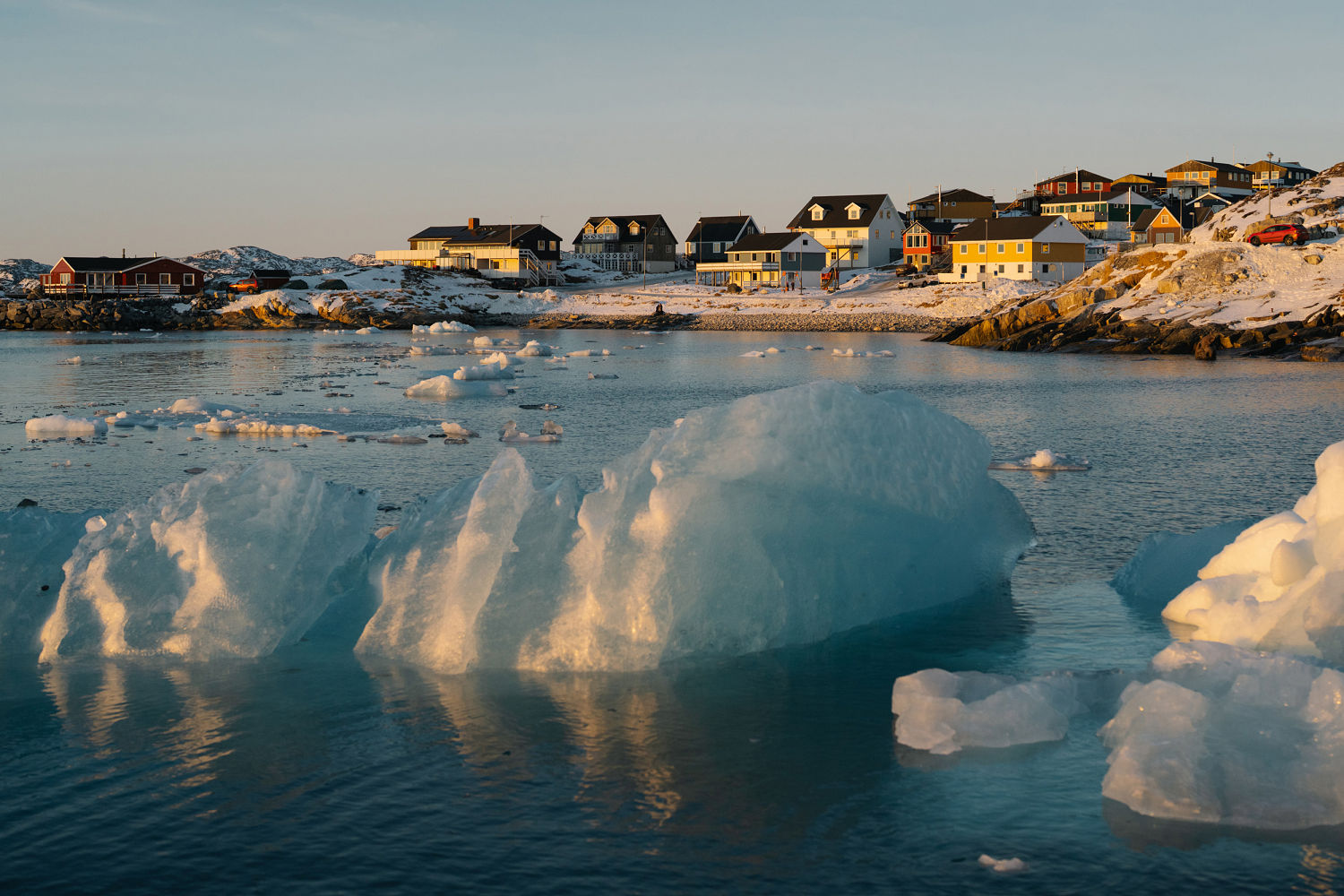 NBC Newsnot ratedRead the original
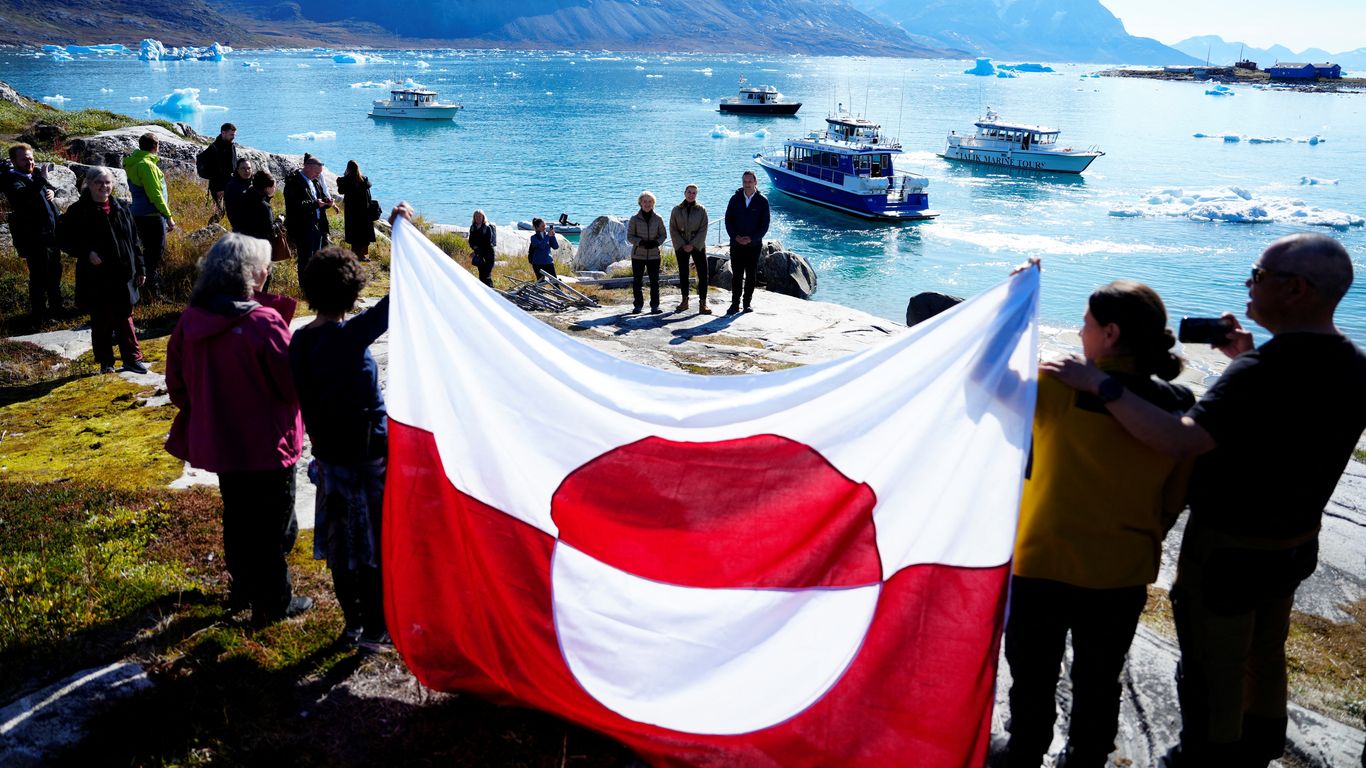 AxiosThis piece reads center-left
“Control over Greenland has been a fixation of Trump's”
Word choiceUses "fixation," a loaded characterization that implies obsessive or irrational focus, rather than the more neutral framing other outlets use.
Read the original- Politico EuropeThis piece reads center
“agreement is expected to be signed next week”
Read the original 
- Washington PostThis piece reads center
“falls short of takeover”
FramingExplicitly frames what the deal is NOT, emphasizing the gap between Trump's stated ambitions and what was actually achieved—a framing most outlets avoid.
Read the original - CBS NewsThis piece reads center
“permanent control over security”
FramingUses Trump's own language directly, presented without qualification or clarification that the phrase's meaning remains disputed or unclear.
Read the original  PBS NewsHourThis piece reads center
“Trump has long coveted the mineral-rich island”
Read the original NewsNationThis piece reads center
“gives the United States permanent control over security”
Read the original
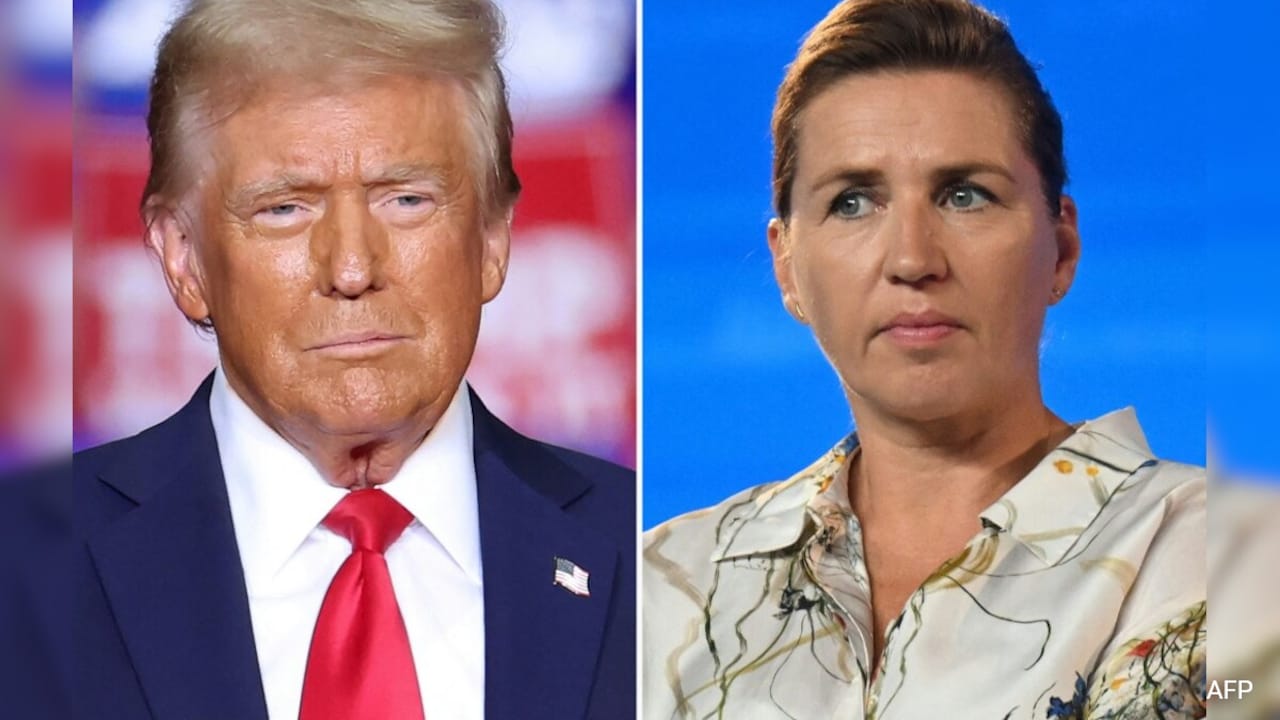
 ABC NewsThis piece reads center
“Trump made the announcement in a social media post”
Read the original- DWnot ratedRead the original
 BBCThis piece reads center
“after Trump annexation threats”
Word choiceExplicitly names the prior annexation threats as the immediate background context, similar to NPR in foregrounding this history.
Read the original RTÉnot ratedRead the original
- Toronto SunThis piece reads center-right
“President has long sought to take possession”
Read the original  The Daily Callernot ratedRead the original
Placements are generated by an AI model from each article’s own headline and summary, and every quotation above is checked to be a real substring of that article before it is published. How this is done
Prism is free and carries no advertising. Support it if it was useful.