Major TV networks suspend White House press pool coverage after Trump bans CNN
Reported by
A dot shows how that piece reads — Prism rates articles, not outlets, and shows the words behind each placement below. No dot means the piece isn’t rated. How the ratings work
MSNBC
What happened
The account the coverage agrees on, with contested figures attributed rather than asserted. This is not one of the five framings below — it is the ground they all stand on.
President Trump banned CNN, MS NOW, and Politico from White House access on Friday. On Monday, the three outlets sued the administration to overturn the ban. In response, major TV networks—ABC, CBS, Fox News, and NBC—suspended live coverage of Trump's remarks at a White House helipad dedication ceremony, leaving his speech inaudible on the White House-provided video feed. The networks' boycott of the presidential TV pool was a protest against the ban. A Hofstra University law professor stated Trump cannot legally ban media outlets from White House access.
Developing story · 2 chapters
- Trump bans CNN, MS NOW, and Politico from White House
- Major TV networks suspend White House press pool coverage after Trump bans CNNyou are here
How each side framed the previous chapter
Compare these with the five framings below to see what moved as the story developed — and what each side kept saying regardless.
Left
Trump has launched a direct authoritarian assault on the First Amendment and press freedom itself. This is textbook dictatorial behavior—using state power to punish outlets for unfavorable coverage. The three banned outlets, while imperfect, engage in legitimate journalism, and Trump's labeling of their work as 'fake news' is a smokescreen for silencing dissent. This represents a dangerous escalation that threatens democracy; courts will likely strike it down, but the intent to control media mirrors historical authoritarian playbooks.
Center-left
Trump's ban on three major news outlets represents an unprecedented and troubling abuse of presidential power. While presidents have had contentious relationships with the press, explicitly barring outlets from White House access crosses a constitutional line and sets a dangerous precedent. The outlets targeted—CNN, MS NOW, and Politico—produce legitimate news reporting, and disagreement with coverage does not justify exclusion. This warrants swift legal challenge and congressional scrutiny of press access protections.
Center
Trump's ban raises genuine First Amendment concerns and represents an unusual escalation in press-president relations, though it operates in a gray area legally since the White House is government property. The practical impact is limited—these outlets report from other sources and locations—but the symbolic message is troubling and could invite retaliation if future presidents follow suit. A workable system requires both presidential access to explain policy and press independence to scrutinize it. This action undermines that balance and invites judicial intervention.
Center-right
Trump's frustration with what he views as unfair coverage is understandable—these outlets do lean left and often frame his actions negatively. However, banning them from White House grounds is a blunt instrument that creates legal vulnerabilities and feeds narratives about authoritarian impulses, even if that characterization is overblown. A president unhappy with coverage should use other tools: giving interviews to friendlier outlets, explaining his case directly, or ignoring hostile press. This ban plays into critics' hands and weakens his position.
Right
Trump is right to push back against the relentless bias of CNN, MS NOW, and Politico, which have waged a years-long campaign of dishonest reporting against him and his agenda. These outlets don't deserve the privilege of White House access when they abuse it to spread propaganda and 'fake news.' The president has the authority to control access to executive facilities, and using it to exclude bad-faith actors is justified. The predictable outcry from establishment media and their allies proves the point about their bias.
How the spectrum reads this story
The same event, summarised as five points on the political spectrum would each tend to frame it. These are generated by an AI model and are a starting point, not the last word.
Left
Trump's banning of critical news outlets is an authoritarian assault on press freedom and democracy itself. By targeting CNN, MS NOW, and Politico for unfavorable coverage, he's punishing journalism and chilling free speech—exactly what a First Amendment crisis looks like. The fact that major networks felt compelled to boycott shows how severe the threat is. This isn't normal political conflict; it's a direct attack on the institutions that hold power accountable. Courts must stop this immediately.
Center-left
Trump's ban on specific news outlets raises serious constitutional concerns about press freedom and the First Amendment. While presidents can control White House access in narrow ways, targeting outlets for their coverage crosses a line into retaliation. The networks' decision to suspend coverage was a principled stand in defense of press rights. This should be resolved through courts and by reaffirming longstanding norms that protect media access regardless of coverage tone.
Center
This episode reflects genuine tension between presidential authority and press access rights, but both sides escalated in ways that served nobody well. Trump has legitimate discretion over White House operations, but targeting specific outlets for coverage crosses into dangerous territory. The networks' boycott was understandable but also somewhat theatrical—it made Trump's speech inaudible while proving his point that media and the administration are in conflict. A resolution needs clearer rules about what access presidents can actually control.
Center-right
While Trump has legitimate authority to manage White House access and operations, singling out specific outlets based on their coverage invites legal and political trouble. The networks' coordinated boycott proves that confrontation with media outlets doesn't end well for anyone—it makes the president look thin-skinned and validates press complaints about retaliation. Better to let coverage speak for itself and not create First Amendment drama. Courts will likely side with the media, so this was strategically unwise.
Right
The mainstream media has waged relentless, dishonest attacks on Trump for years, and he has every right to limit access to outlets engaged in partisan hostility rather than journalism. The networks' collective boycott reveals their unified opposition to Trump and proves his point about media bias. However, this fight plays into media narratives about authoritarian behavior. Better to focus on governing and let the public judge biased coverage on its merits, rather than handing the press a First Amendment grievance.
Hear two viewpoints debate it
Pick two viewpoints and Prism writes a short, six-turn exchange about this story in each one’s own voice — steel-manned, no winner declared. Each pairing is written once and then saved for every reader. The voices are AI syntheses of a tradition, not real people.
New pairing — Prism will write it now.
How each outlet covered it
Where Prism places each piece — not the outlet in general — with the words from that piece that put it there, and the photograph the outlet chose. Picking a photo is a framing decision too.
 MSNBCnot ratedRead the original
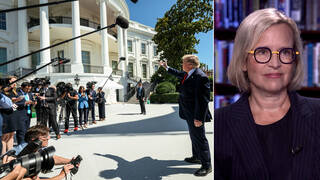 Democracy NowThis piece reads left
“War on the Press”
FramingPlaces the event in a frame of systematic persecution rather than a specific access dispute, language not used by other outlets.
Read the original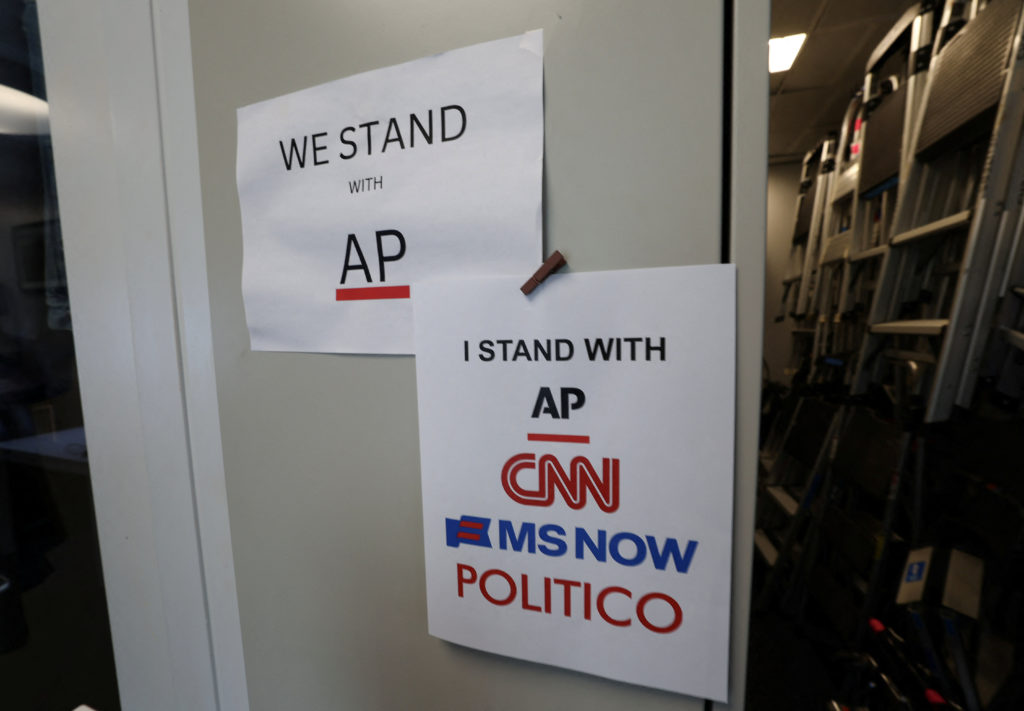 PBS NewsHourThis piece reads center-left
“First Amendment firestorm”
FramingDescribes the event as creating a constitutional crisis, emphasizing legal stakes more than outlets that treat it as a news access dispute.
Read the original- TruthoutThis piece reads center-left
“CNN, MS NOW, and Politico are suing the Trump administration for banning”
Read the original  The Daily BeastThis piece reads center-left
“Trump's Crackpot Press Ban Instantly Becomes Humiliating Farce”
Word choiceUses loaded language—'crackpot' is a dismissive judgment of the policy itself, not just its outcome—where other outlets describe the facts neutrally.
Read the original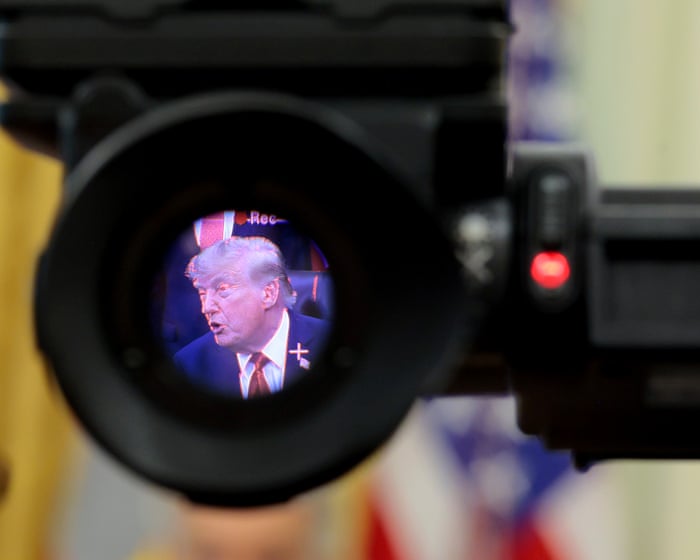
 Premium TimesThis piece reads center
“The move is a protest against the White House's decision to restrict access”
Read the original- Al JazeeraThis piece reads center
“Trump speech inaudible as US networks boycott White House event”
Read the original 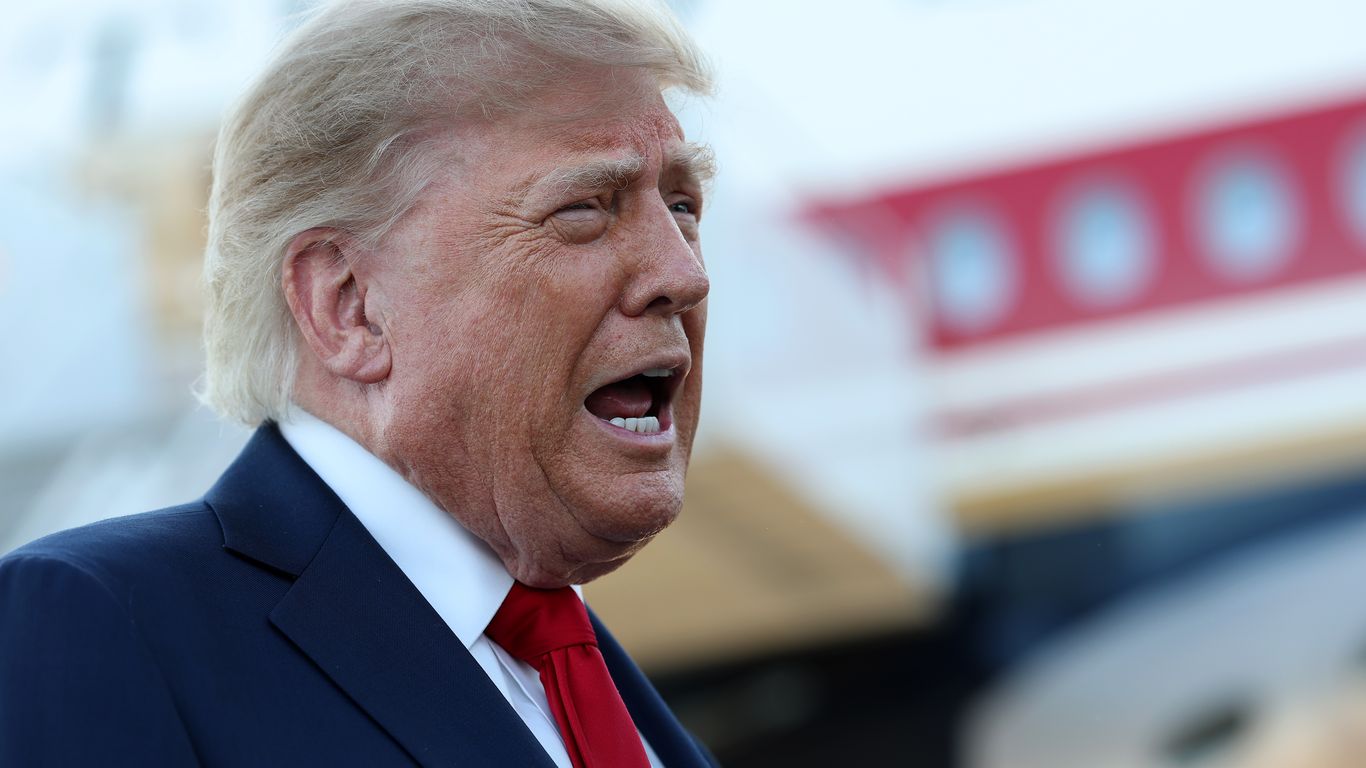 AxiosThis piece reads center
“remarkable and immediate ramification of Trump's attempt to limit pool access”
Read the original- CNBCThis piece reads center
“The decision comes as CNN, MS NOW and Politico sued Trump”
Read the original 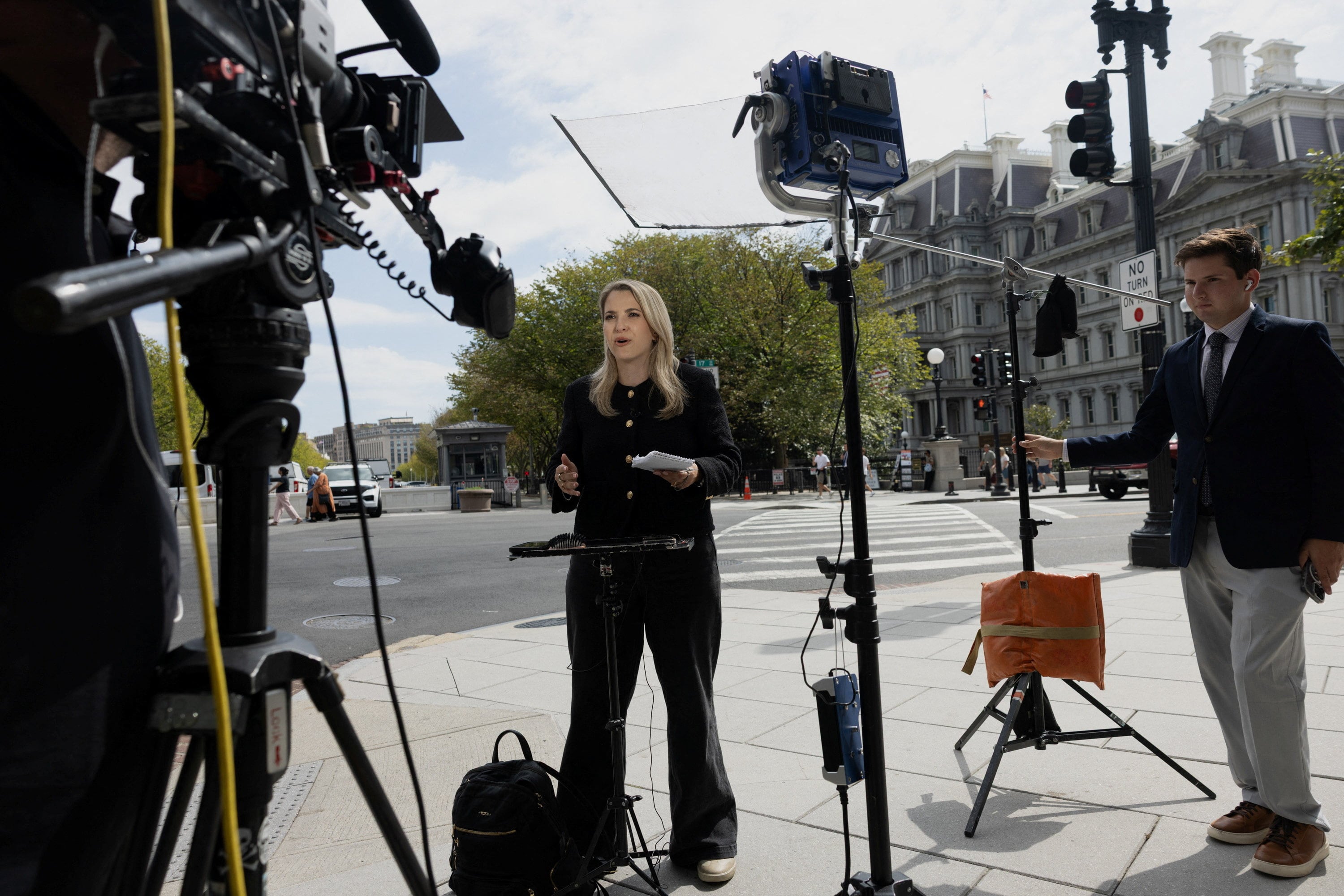 El PaísThis piece reads center
“The president barred them from the White House as punishment for their coverage”
Read the original- CBS NewsThis piece reads center
“Presidential TV pool suspended after Trump bans CNN”
Read the original 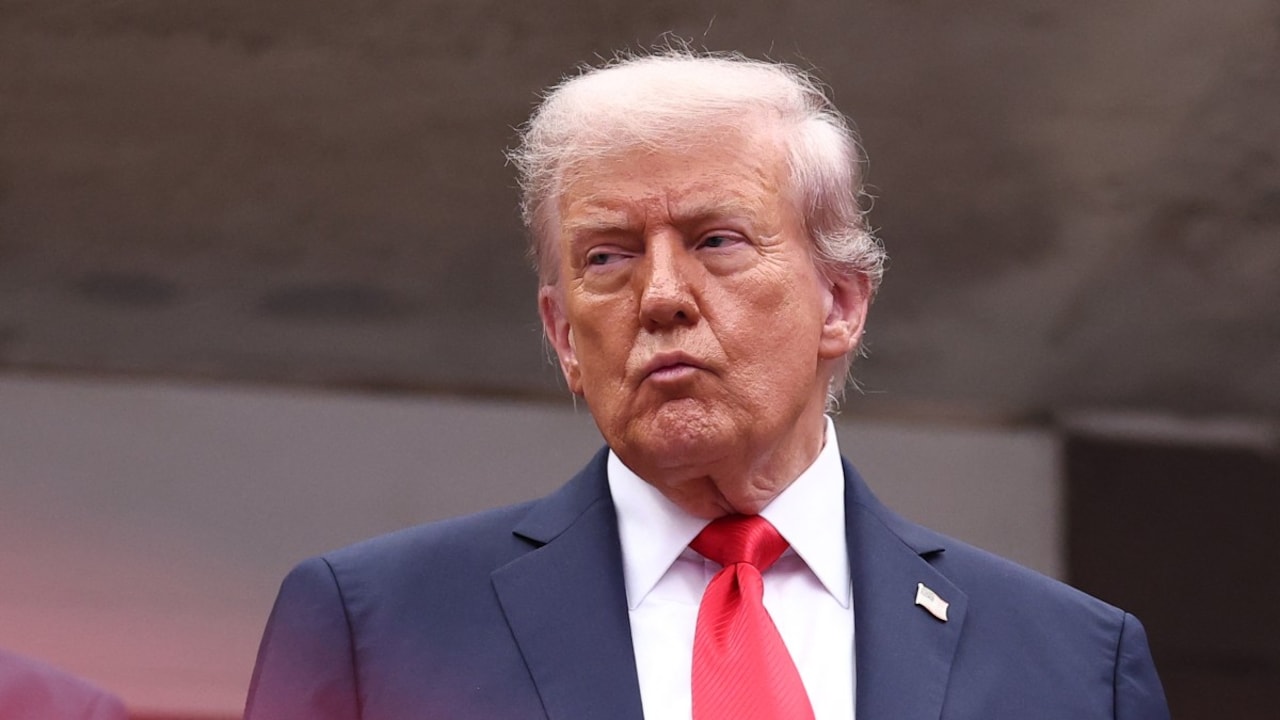 NDTVThis piece reads center
“US Networks Boycott Trump Coverage In Revolt Over White House Ban”
Read the original- BreitbartThis piece reads center-right
“retaliation for his revocation of CNN, MS NOW, and Politico's White House access”
FramingFrames the networks' boycott as retaliation by them against Trump's action, inverting the causality from how most outlets present it.
Read the original 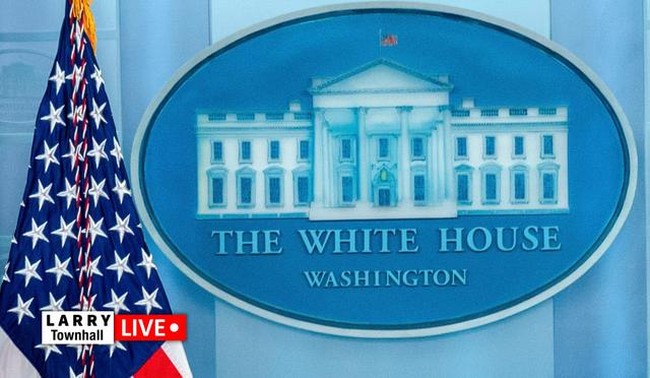 PJ MediaThis piece reads center-right
“boycott President Trump's decision to ban certain outlets from press coverage”
Read the original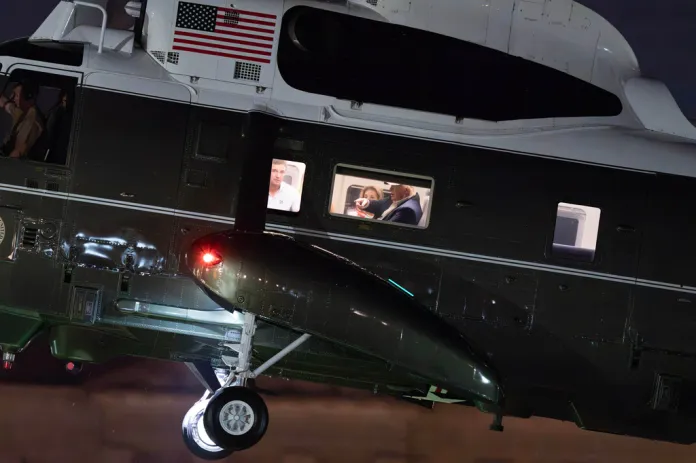 Washington ExaminerThis piece reads center-right
“Trump's war against the media came back to bite him”
Word choiceUses military/conflict language—'war against'—to describe the access ban, echoing the president's framing rather than describing the action directly.
Read the original
Placements are generated by an AI model from each article’s own headline and summary, and every quotation above is checked to be a real substring of that article before it is published. How this is done
Prism is free and carries no advertising. Support it if it was useful.