US and Iran hold mediated talks at UN on ending war
Reported by
A dot shows how that piece reads — Prism rates articles, not outlets, and shows the words behind each placement below. No dot means the piece isn’t rated. How the ratings work
What happened
The account the coverage agrees on, with contested figures attributed rather than asserted. This is not one of the five framings below — it is the ground they all stand on.
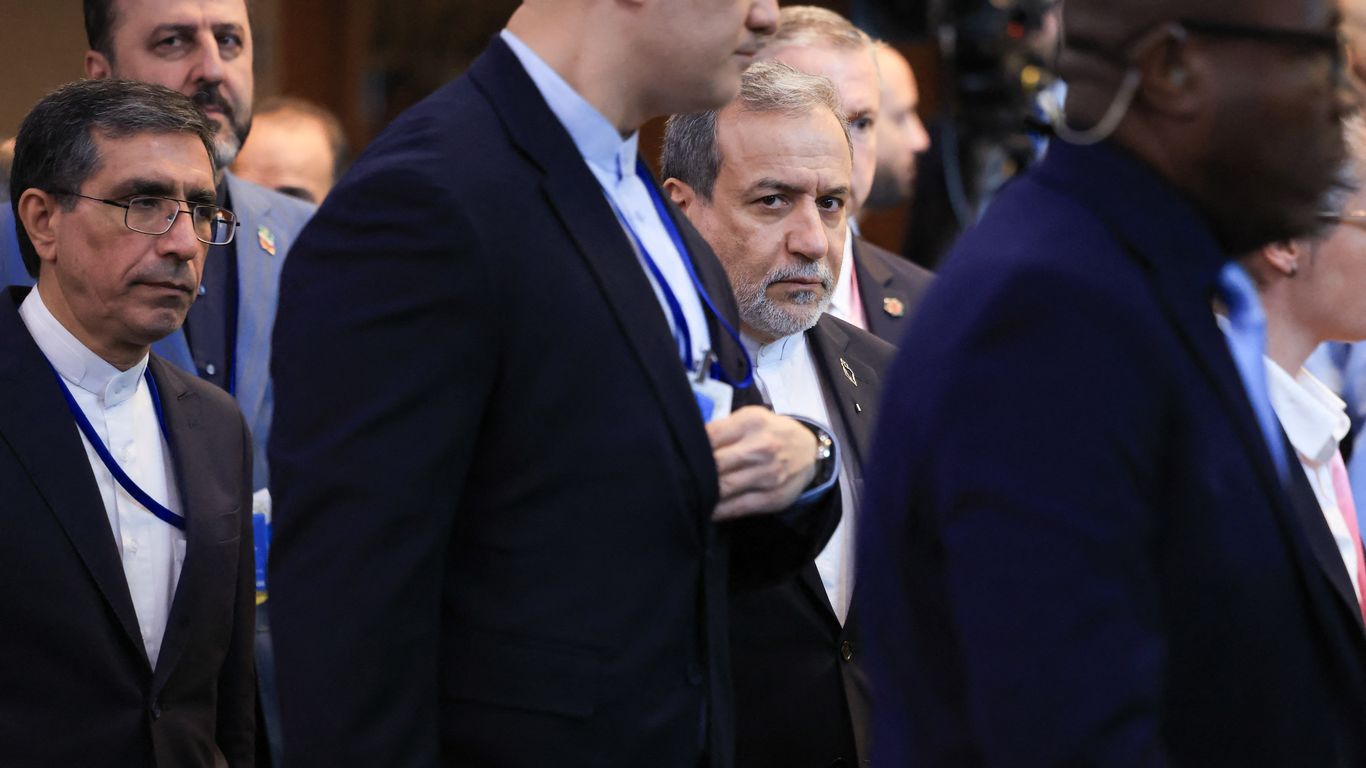
U.S. and Iranian officials held mediated talks at the United Nations General Assembly in New York on Tuesday. Trump envoys Steve Witkoff and Jared Kushner met with Iranian Foreign Minister Abbas Araghchi for three hours. According to Al Jazeera, Tehran tied diplomatic progress to lifting shipping blockades and unfreezing assets. Trump later characterized the meeting as 'productive.' He had previously threatened to 'annihilate' Iran unless it agreed to end the war.
How the spectrum reads this story
The same event, summarised as five points on the political spectrum would each tend to frame it. These are generated by an AI model and are a starting point, not the last word.
Left
Trump's military threats against Iran are counterproductive coercion that undermine genuine diplomacy. While talks are welcome, they occur under duress rather than as a good-faith negotiation between equals. The U.S. should lift its blockades and asset freezes as a confidence-building measure to enable real progress, rather than using them as leverage to extract concessions. True peace requires addressing root causes of conflict, not just threats and transactional deals.
Center-left
Direct talks between the U.S. and Iran are a positive step that could reduce regional tensions. However, Trump's threats of 'annihilation' create an unstable foundation for negotiations. Both sides have legitimate concerns — Iran's about sanctions relief and the Strait of Hormuz, the U.S. about ending conflict — that could be resolved through sustained diplomatic engagement. The administration should emphasize dialogue over ultimatums to reach a durable settlement.
Center
These talks represent a necessary pragmatic engagement on both sides, though the approach is unconventional. Trump's earlier threats may have motivated Iran to negotiate, or they may complicate it — the outcome remains unclear. The core issues — shipping blockades, frozen assets, and ending the war — are negotiable if both sides prioritize concrete interests over posturing. Whether this 'productive' meeting leads anywhere depends on whether either side is willing to make real concessions.
Center-right
Direct talks with Iran are appropriate when conducted from a position of strength. Trump's willingness to use credible pressure — the threat of military action — alongside negotiation reflects sound statecraft. Iran's willingness to discuss lifting blockades and unfreezing assets suggests the pressure is working. The U.S. should maintain this firm stance while exploring whether Iran will genuinely commit to ending the conflict and securing the Strait of Hormuz.
Right
Trump's tough stance — combining military threats with direct negotiation — is the right approach to dealing with Iran. The regime only responds to strength, and Trump's threat to 'annihilate' Iran brought them to the table. Any agreement must require Iran to fully capitulate on ending the war and opening the Strait, not merely negotiate about asset freezes. U.S. sanctions and blockades should remain in place until Iran demonstrates sustained compliance, not be lifted upfront.
Hear two viewpoints debate it
Pick two viewpoints and Prism writes a short, six-turn exchange about this story in each one’s own voice — steel-manned, no winner declared. Each pairing is written once and then saved for every reader. The voices are AI syntheses of a tradition, not real people.
New pairing — Prism will write it now.
How each outlet covered it
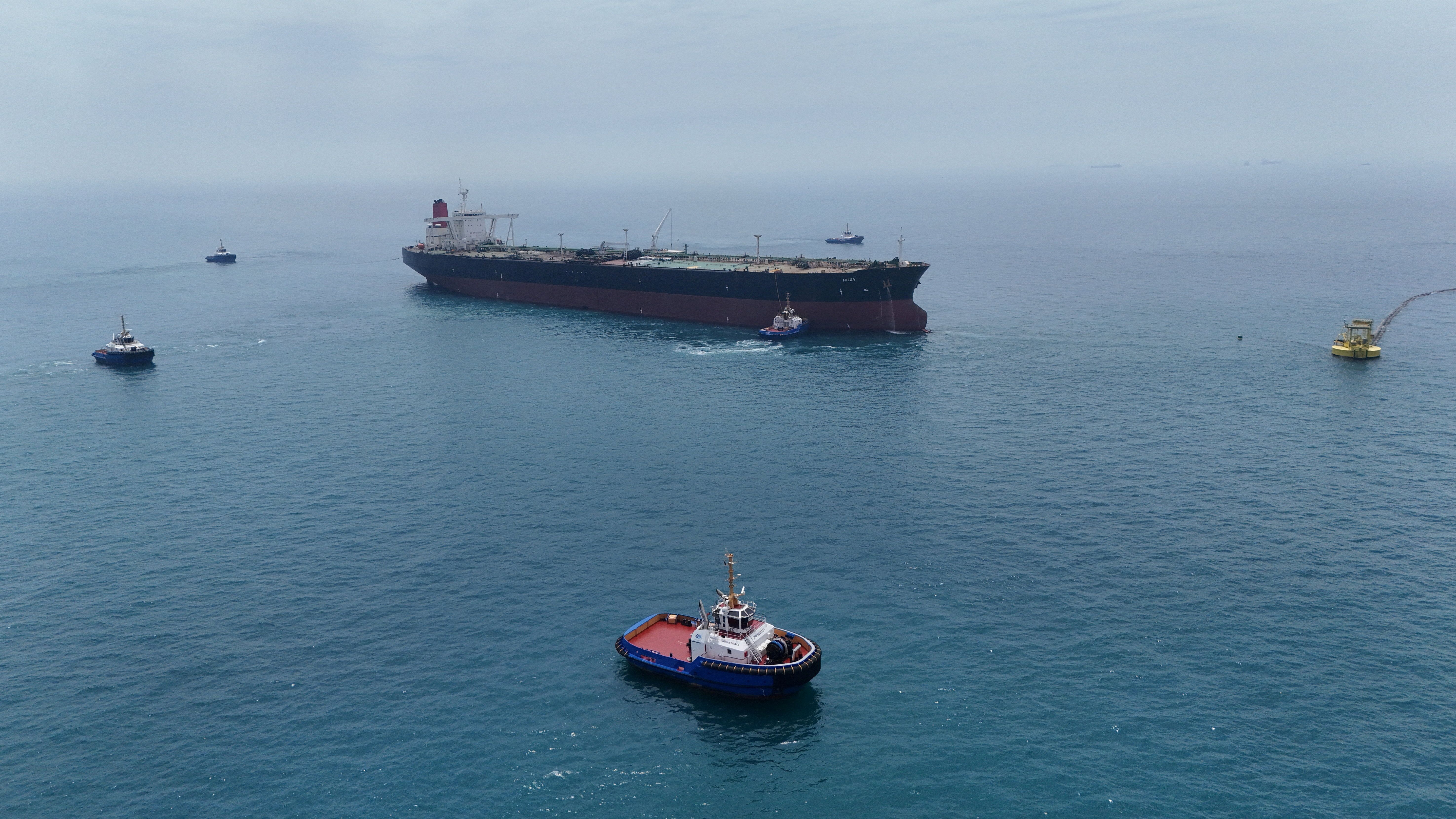
Every outlet that reported this event, with the photograph it chose. Picking a photo is a framing decision too.
- Axiosnot ratedRead the original
 Semafornot rated
FramingLeads with Trump's prior military threat rather than the talks themselves, emphasizing coercion over diplomacy where other outlets lead with the meeting.
Read the original- Al Jazeeranot ratedRead the original
Prism is free and carries no advertising. Support it if it was useful.