Trump weighs military response to Iran as tensions escalate
Reported by
A dot shows how that piece reads — Prism rates articles, not outlets, and shows the words behind each placement below. No dot means the piece isn’t rated. How the ratings work
What happened
The account the coverage agrees on, with contested figures attributed rather than asserted. This is not one of the five framings below — it is the ground they all stand on.
Iran's Revolutionary Guard claims to have captured a U.S. Navy submarine drone worth $2.5 million near the Strait of Hormuz. Iran warned it would deploy "new weapons with new capabilities" if the U.S. launched fresh assaults. President Trump said he is in "deciding mode" on whether to take military action against Iran. Iran stated it will not negotiate until the U.S. ends hostilities, unfreezes Iranian assets, and lifts a naval blockade. Some Trump administration officials reportedly warned such action would be "political suicide."
How the spectrum reads this story
The same event, summarised as five points on the political spectrum would each tend to frame it. These are generated by an AI model and are a starting point, not the last word.
Left
The Trump administration's escalating threats against Iran risk catastrophic war against a nation of 90 million people. Rather than pursue diplomacy, Trump is rattling sabers while his own advisers warn of political disaster. Iran's defensive posture—capturing surveillance equipment and warning of retaliation—is a rational response to U.S. aggression. The U.S. should heed Iran's conditions for negotiations: cease hostilities, restore frozen assets, and lift blockades that amount to economic warfare.
Center-left
Trump's bellicose rhetoric toward Iran raises serious concerns about another destructive Middle East conflict. While Iran's military actions are provocative, the administration should exhaust diplomatic channels before considering major military strikes. Trump's own team reportedly fears escalation could backfire politically and destabilize the region further. De-escalation through negotiation—addressing Iran's legitimate grievances about sanctions and asset freezes—would serve American interests better than military brinkmanship.
Center
The situation reflects genuine tension between two sides taking hardening positions. Iran's weapons threat and drone capture are confrontational, but Trump's public deliberation about "annihilating" an entire nation is extraordinarily risky rhetoric that could trigger unintended escalation. Both sides have leverage and stated conditions; quiet diplomatic back-channels might achieve more than public threats or military action. The uncertainty itself—Trump genuinely undecided—creates dangerous miscalculation risk that responsible statecraft should reduce.
Center-right
Iran continues to provoke the U.S. with military captures and weapons threats, demonstrating the failures of past diplomatic approaches. Trump is right to keep military options on the table as leverage for better terms. However, military action should be measured, targeted, and coordinated with allies rather than a sweeping campaign. The administration should clarify its precise demands and preferred resolution to focus international pressure on Iran and avoid unnecessary escalation that might unite regional actors against U.S. interests.
Right
Iran is testing American resolve by seizing U.S. military assets and threatening new weapons. The regime uses negotiation demands—unfreezing assets, lifting blockades—as cover for continued hostility. Trump is correct to maintain a credible military threat; weakness invites further Iranian aggression. However, any military response should be decisive and overwhelming to prevent prolonged conflict. America must not be constrained by international opinion or internal hand-wringing when national security is at stake.
Hear two viewpoints debate it
Pick two viewpoints and Prism writes a short, six-turn exchange about this story in each one’s own voice — steel-manned, no winner declared. Each pairing is written once and then saved for every reader. The voices are AI syntheses of a tradition, not real people.
New pairing — Prism will write it now.
How each outlet covered it
Every outlet that reported this event, with the photograph it chose. Picking a photo is a framing decision too.
 The Young Turksnot ratedRead the original
 MSNBCnot ratedRead the original
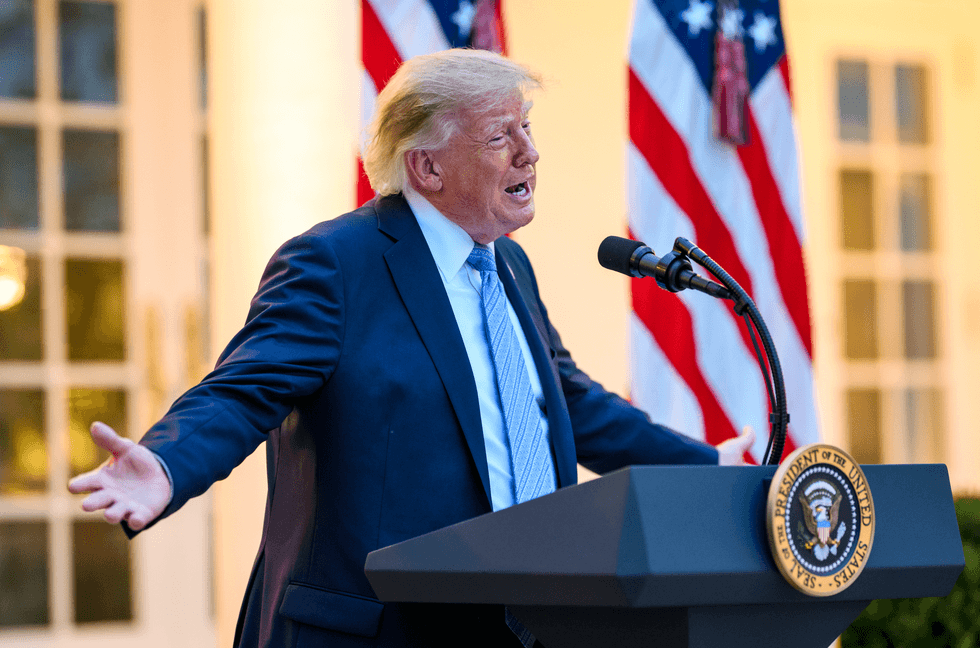 Common Dreamsnot rated
Word choiceUses Trump's most extreme phrasing verbatim in the headline, emphasizing the scale and rhetoric of potential destruction rather than paraphrasing or contextualizing it—which makes the threat sound more dramatic than headlines describing the same comments as being "in deciding mode."
Read the original Raw Storynot rated
FramingLeads with internal administration dissent and political cost warnings, foregrounding the governance risk to Trump rather than the military or diplomatic dimensions that other outlets emphasize.
Read the original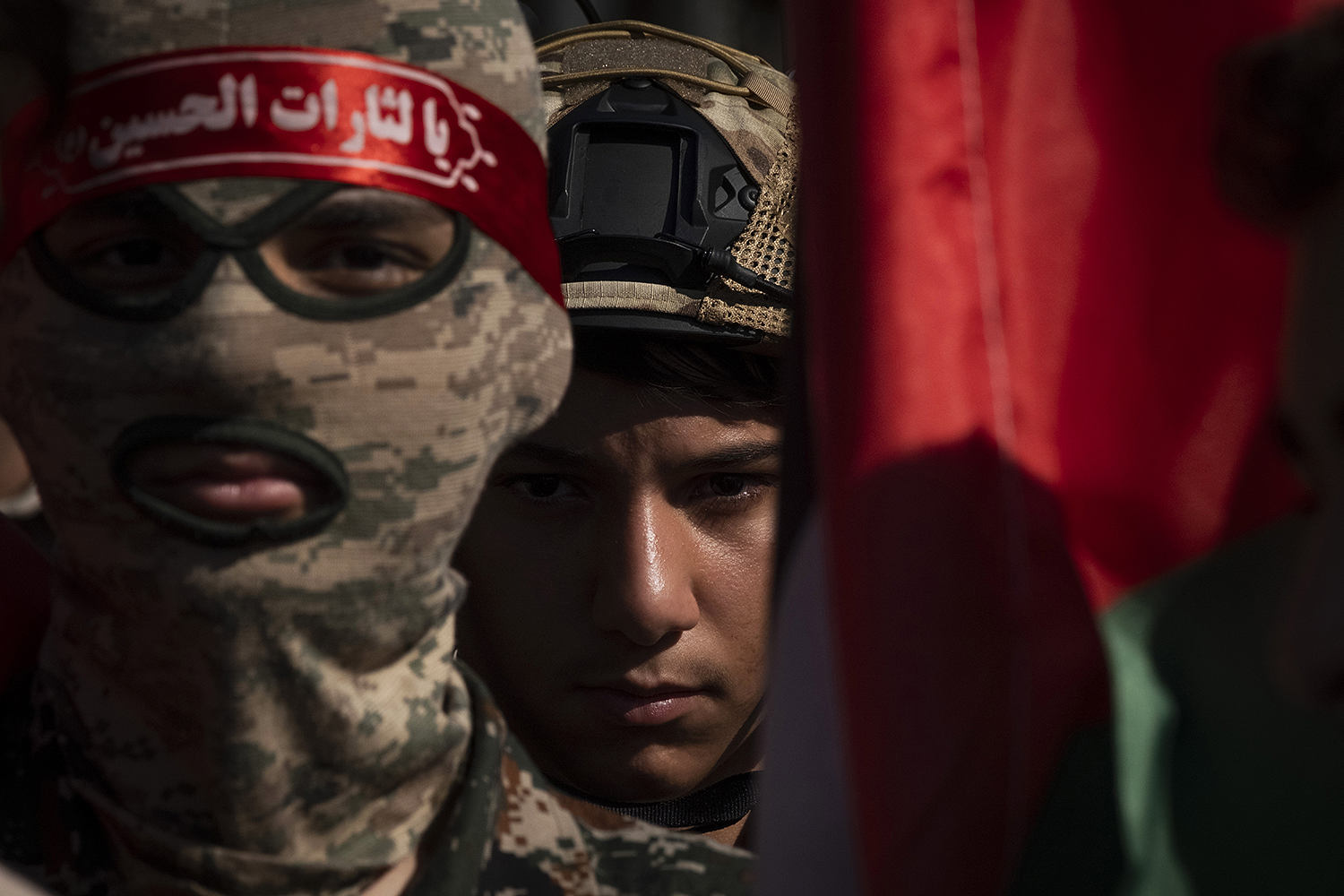 NBC Newsnot ratedRead the original
- CBS Newsnot ratedRead the original
 Straight Arrow Newsnot ratedRead the original
- The Times of Indianot ratedRead the original
 Newsmaxnot rated
Word choiceAttributes Iran's motive as sabotaging Trump's presidency rather than describing Iran's stated conditions for negotiation, which frames Iranian action primarily through Trump's political interests.
Read the original- The American Conservativenot rated
FramingOpens with a day-count format that narrates an ongoing conflict as established fact, whereas other outlets present it as an escalating crisis or diplomatic standoff without this implicit confirmation of war status.
Read the original
Prism is free and carries no advertising. Support it if it was useful.