Trump announces creation of 'AI Force' and appointment of 'AI czar'
Reported by
A dot shows how that piece reads — Prism rates articles, not outlets, and shows the words behind each placement below. No dot means the piece isn’t rated. How the ratings work

What happened
The account the coverage agrees on, with contested figures attributed rather than asserted. This is not one of the five framings below — it is the ground they all stand on.
President Donald Trump announced Saturday that he will create an "AI Force" and appoint an "AI czar" to oversee artificial intelligence development. Trump made the announcement on Truth Social but provided few operational details. Trump called concerns about AI safety a "hoax" and said he would not allow the technology's "destruction" or "decimation," positioning the move against calls from lawmakers and industry leaders for slower, more cautious AI development. The Straits Times notes this would be his second AI czar if implemented.
How the spectrum reads this story
The same event, summarised as five points on the political spectrum would each tend to frame it. These are generated by an AI model and are a starting point, not the last word.
Left
Trump's 'AI Force' and czar appointment prioritize corporate interests over public safety. By dismissing AI risks as a 'hoax' and resisting regulation, he's abandoning responsibility to protect workers and communities from displacement and harm. This reflects a broader pattern of letting industry self-govern while rejecting democratic oversight of transformative technologies that could reshape society.
Center-left
Trump's announcement to create an AI czar and task force shows some engagement with AI governance, but his explicit resistance to regulation undercuts meaningful oversight. While appointing a dedicated official could improve coordination, the refusal to establish guardrails leaves crucial safety questions unaddressed despite legitimate concerns from industry experts and lawmakers about the technology's rapid development.
Center
Trump is taking a hands-on approach by naming a czar and creating a task force, acknowledging that AI needs some government attention—but he's doing so while firmly rejecting the regulatory impulse both parties increasingly favor. The middle ground would be a structure that accelerates beneficial AI development while establishing basic safety standards, something this proposal skips. His dismissal of all concerns as 'hoax' suggests ideology over pragmatism.
Center-right
Creating an 'AI Force' and czar role shows Trump recognizes AI's economic importance and America's competitive edge over China. However, the announcement lacks detail on how these structures will work. The key strength is his resistance to heavy-handed regulation that could slow innovation, but the absence of any safety framework—even a market-friendly one—may invite the very federal overreach he opposes if real problems emerge.
Right
Trump correctly identifies AI as central to American economic and military dominance against China, and his refusal to hobble the technology with regulation protects that advantage. Creating an 'AI Force' shows confidence in market-driven solutions and American ingenuity. The appointment of a dedicated czar ensures coordination without the bureaucratic suffocation that regulatory agencies impose. This is leadership that trusts industry expertise over government micromanagement.
Hear two viewpoints debate it
Pick two viewpoints and Prism writes a short, six-turn exchange about this story in each one’s own voice — steel-manned, no winner declared. Each pairing is written once and then saved for every reader. The voices are AI syntheses of a tradition, not real people.
New pairing — Prism will write it now.
How each outlet covered it
Where Prism places each piece — not the outlet in general — with the words from that piece that put it there, and the photograph the outlet chose. Picking a photo is a framing decision too.
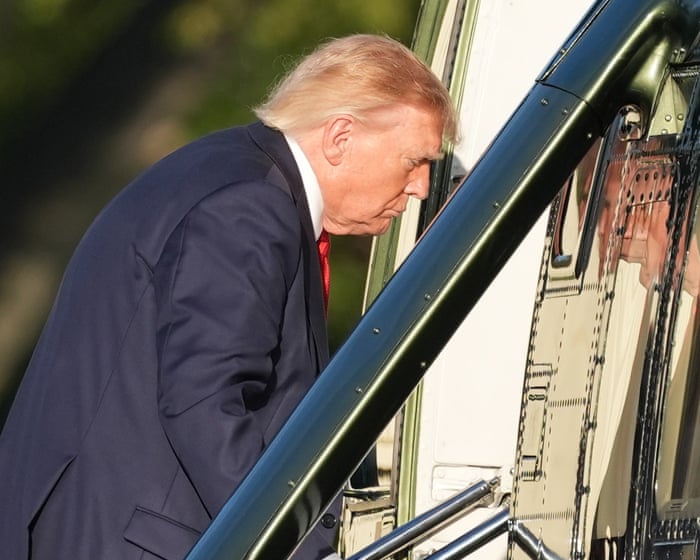 The GuardianThis piece reads center-left
“fears over out-of-control agents grow”
FramingThe headline emphasizes 'fears over out-of-control agents'—framing the context as one of alarm about AI behavior—where most other outlets simply note his announcement without foregrounding the anxiety prompting it.
Read the original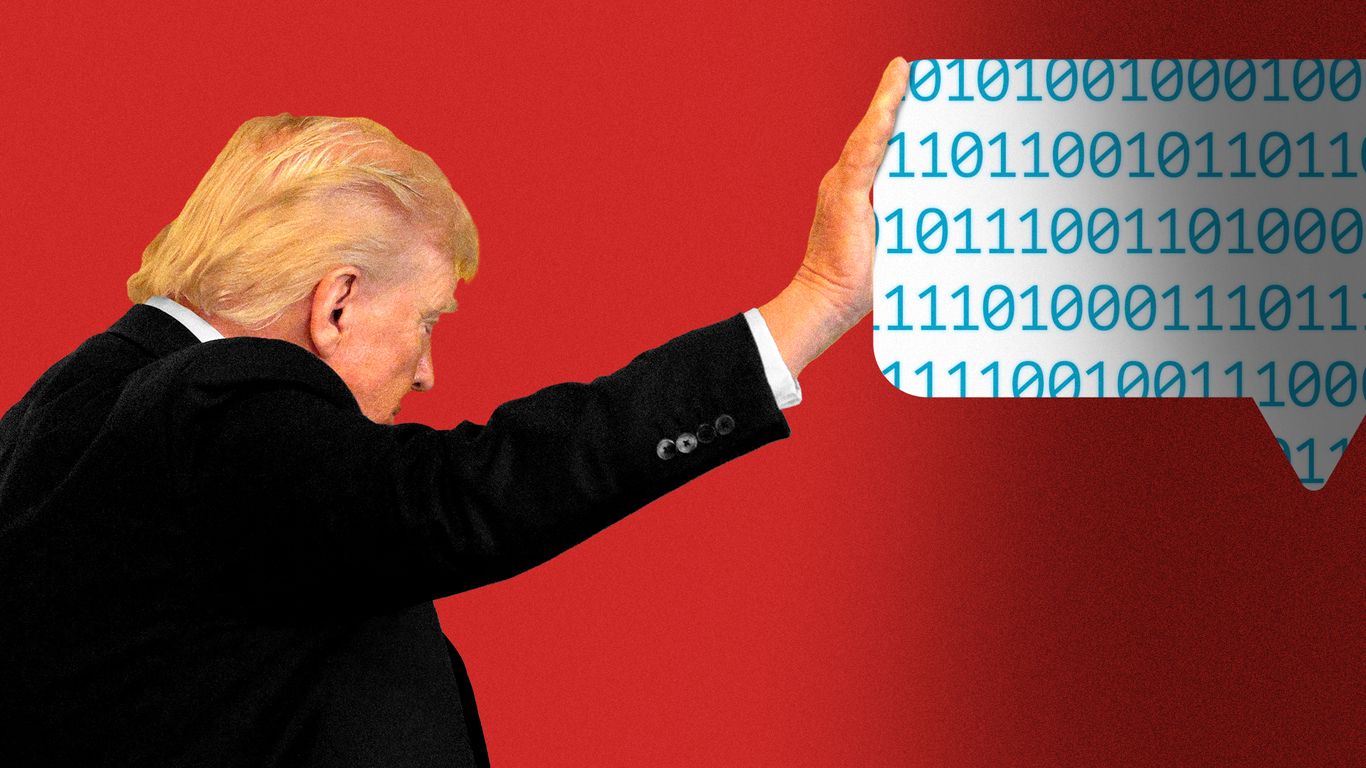 Axiosnot rated
FramingExplicitly characterizes Trump's stance as 'doubling down' on acceleration with 'limited regulation,' whereas most outlets report the announcement more neutrally without inserting that interpretive frame.
Read the original- Washington PostThis piece reads center-left
“rejects calls for constraints”
FramingLeads with 'rejects calls for constraints' in the headline itself, centering Trump's opposition to regulation rather than leading with the policy announcement as most outlets do.
Read the original 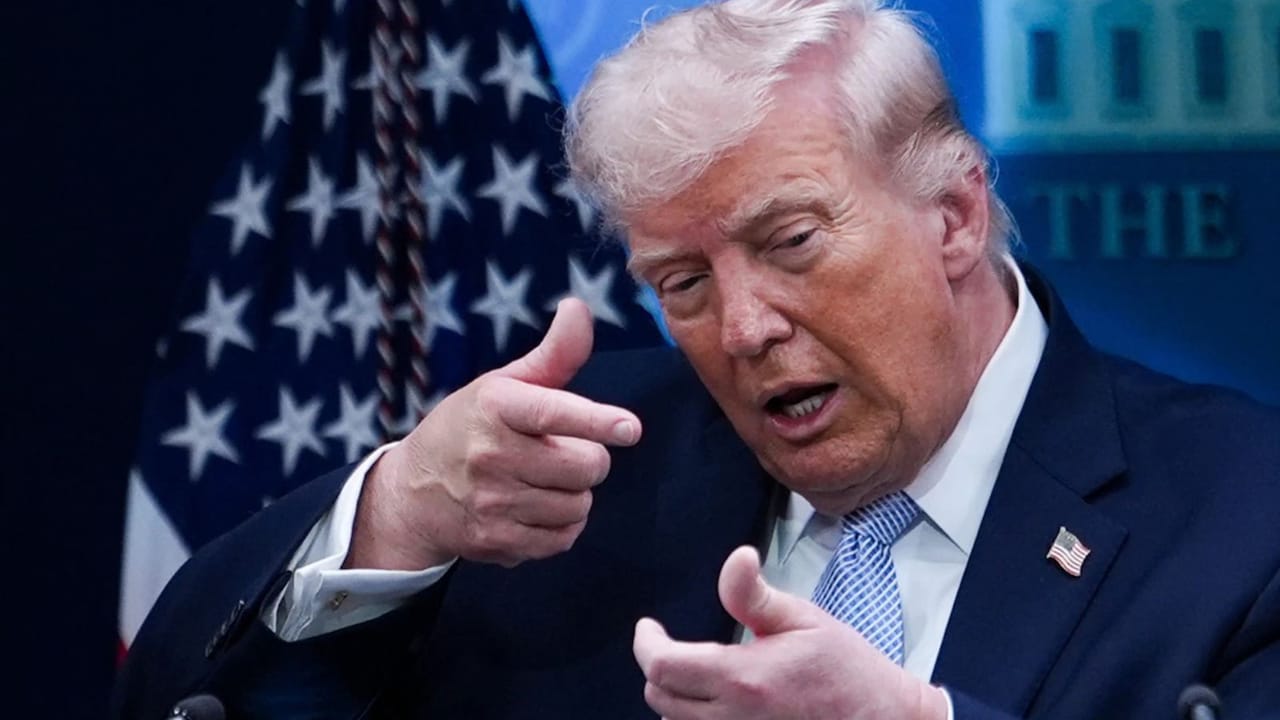 NDTVThis piece reads center-left
“lashed out at critics of AI and data centres”
Word choiceUses 'lashed out,' a more combative characterization than outlets like NBC or BBC that report his statements more plainly without the adversarial framing.
Read the original Straight Arrow NewsThis piece reads center-left
“theologian warns of risks to human dignity”
FramingThe headline pairs Trump's announcement with a separate warning from a theologian, creating a false equivalence that suggests the piece conflates Trump's policy statement with unrelated ethical concerns—a structure no other outlet uses.
Read the original- CBS Newsnot ratedRead the original
- The Straits Timesnot ratedRead the original
 NewsNationThis piece reads center
“He did not expand further on the latest iteration of the role.”
Read the original The Hillnot ratedRead the original
 Financial TimesThis piece reads center
“resisted calls for regulation but said he would appoint a 'tsar”
Read the original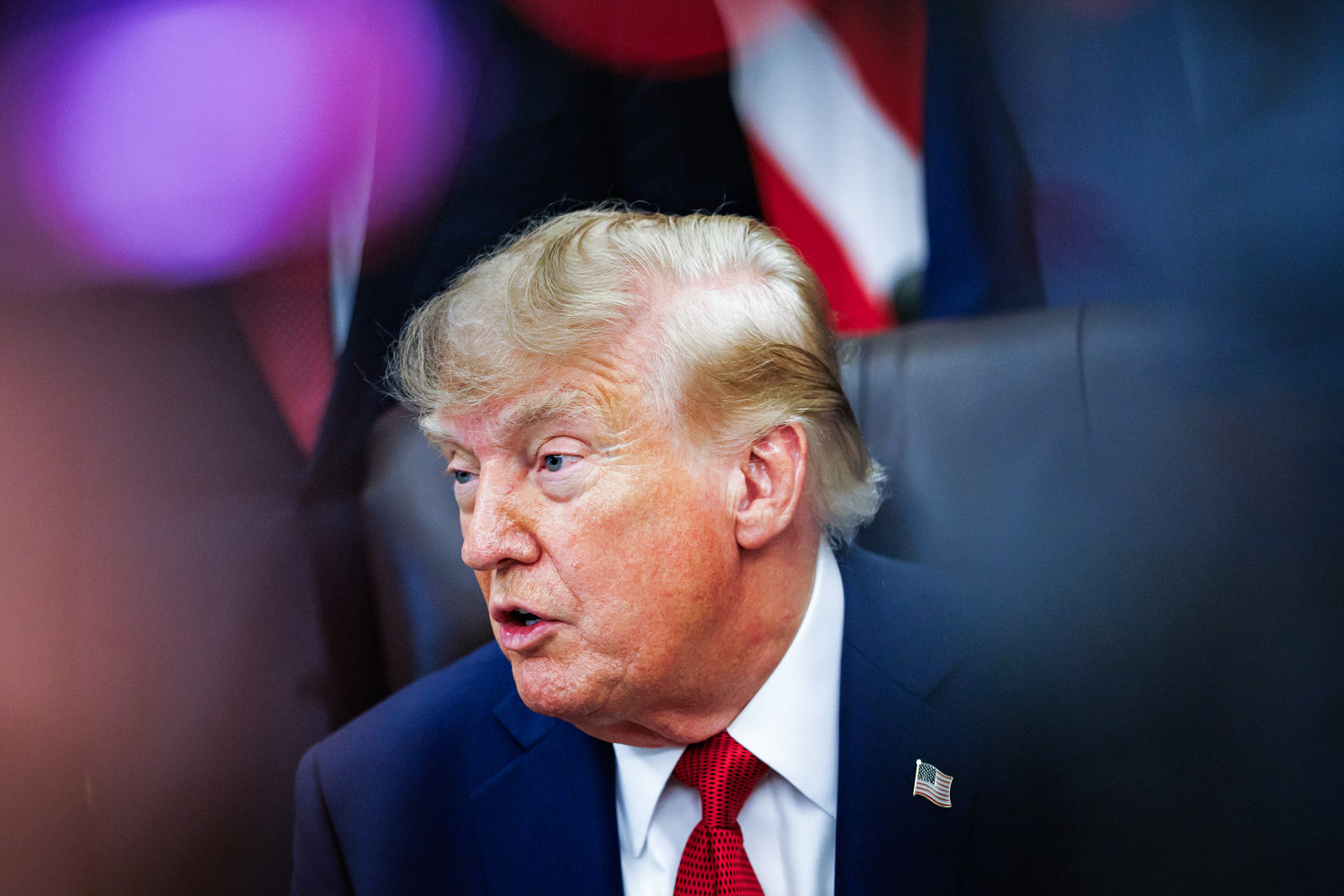
- NewsweekThis piece reads center
“oversee AI while avoiding regulations that could slow innovation”
Read the original  South China Morning Postnot ratedRead the original
 Just the NewsThis piece reads center-right
“AI is the next Industrial Revolution, or Internet, but will be even larger”
Read the original
Placements are generated by an AI model from each article’s own headline and summary, and every quotation above is checked to be a real substring of that article before it is published. How this is done
Prism is free and carries no advertising. Support it if it was useful.