Congress debates AI regulation as lawmakers and tech leaders clash over safety
Reported by
A dot shows how that piece reads — Prism rates articles, not outlets, and shows the words behind each placement below. No dot means the piece isn’t rated. How the ratings work
What happened
The account the coverage agrees on, with contested figures attributed rather than asserted. This is not one of the five framings below — it is the ground they all stand on.
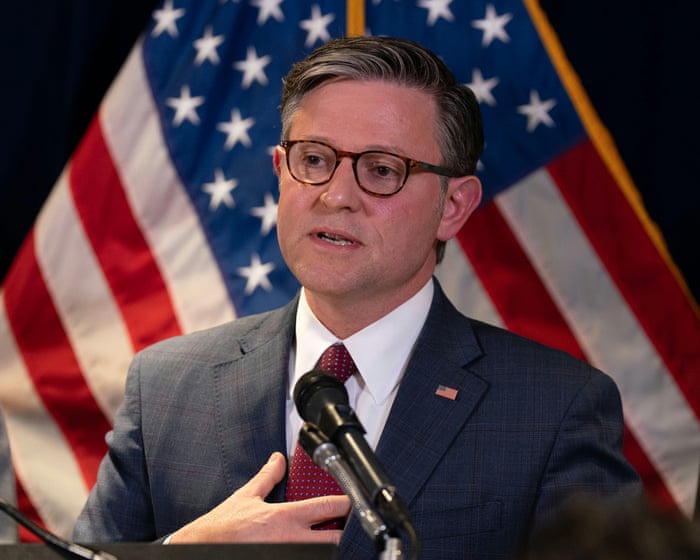
Speaker Mike Johnson sent the House home for its midterm recess early despite calls from Democratic lawmakers and a bipartisan coalition to address artificial intelligence regulation. Rep. Don Beyer (D-Va.) led a bipartisan group urging congressional leaders to "urgently advance legislation" on AI risks to critical infrastructure. Sen. Elizabeth Warren (D-Mass.) backed a pause on advanced AI development. Vice President Vance and Sen. Blumenthal weighed in on AI safety concerns, with Vance telling AI leaders to "stop" if "building Frankenstein," while Blumenthal warned "we're on the verge of losing control." Roll Call reported that neither party has coalesced around a legislative plan, making action before the midterm elections unlikely.
How the spectrum reads this story
The same event, summarised as five points on the political spectrum would each tend to frame it. These are generated by an AI model and are a starting point, not the last word.
Left
Congress is abandoning its responsibility to regulate AI while the technology poses grave risks to workers, democracy, and society. A bipartisan coalition tried to push for urgent action, but Speaker Johnson prioritized his political calendar over the nation's safety. Warren's call for a pause reflects the necessary precaution that should guide AI development—we cannot let profit motives drive us toward disaster. The failure to act now, while genuine concern exists across party lines, shows how corporate influence and electoral politics override democratic governance.
Center-left
There is real bipartisan concern about AI regulation, as shown by Beyer's coalition and Warren's proposal for a pause. However, Congress faces genuine complexity in drafting effective AI policy and is struggling to build consensus. The early recess is disappointing—legislators should have stayed to work on this issue—but reflects the difficulty of passing legislation when both parties lack a unified approach. Smart regulation is needed, and the momentum exists; Congress simply needs to prioritize it after the elections and move deliberately but quickly.
Center
Congress faces genuine pressure to address AI risks, with lawmakers from both parties expressing concern and calling for some form of guardrails. The challenge is that 'regulation' means different things to different people, and no legislative consensus has emerged. Sending lawmakers home early was poor optics given the stated urgency, but it's also unrealistic to expect major policy shifts during an election year when neither party has a worked-out position. The most realistic path is for post-election legislators to study the issue carefully and build a bipartisan framework based on evidence, not panic.
Center-right
Policymakers are right to consider AI governance, but the focus should be on fostering innovation while managing specific, demonstrated risks rather than imposing broad restrictions. Warren's call for a pause could chill development and cost America the race against China—which the administration correctly identifies as the strategic priority. Vice President Vance's warning to industry to self-regulate responsibly strikes the right balance: ask the private sector to be careful, but don't assume government mandates are the answer. Congress wisely is not rushing into poorly thought-out regulation during an election cycle.
Right
The push for AI regulation, even when framed as bipartisan, reflects a troubling impulse to have government micromanage innovation. The real threat isn't AI itself but losing technological dominance to China, and aggressive regulation will cripple American competitiveness. Proposals to pause AI development are dangerous economic policy dressed up in safety language. Congress was right to recess; lawmakers should focus on securing elections and border security, not expanding the regulatory state. Industry self-governance and competition, not government mandates, are what drive safety and accountability.
Hear two viewpoints debate it
Pick two viewpoints and Prism writes a short, six-turn exchange about this story in each one’s own voice — steel-manned, no winner declared. Each pairing is written once and then saved for every reader. The voices are AI syntheses of a tradition, not real people.
New pairing — Prism will write it now.
How each outlet covered it
Where Prism places each piece — not the outlet in general — with the words from that piece that put it there, and the photograph the outlet chose. Picking a photo is a framing decision too.
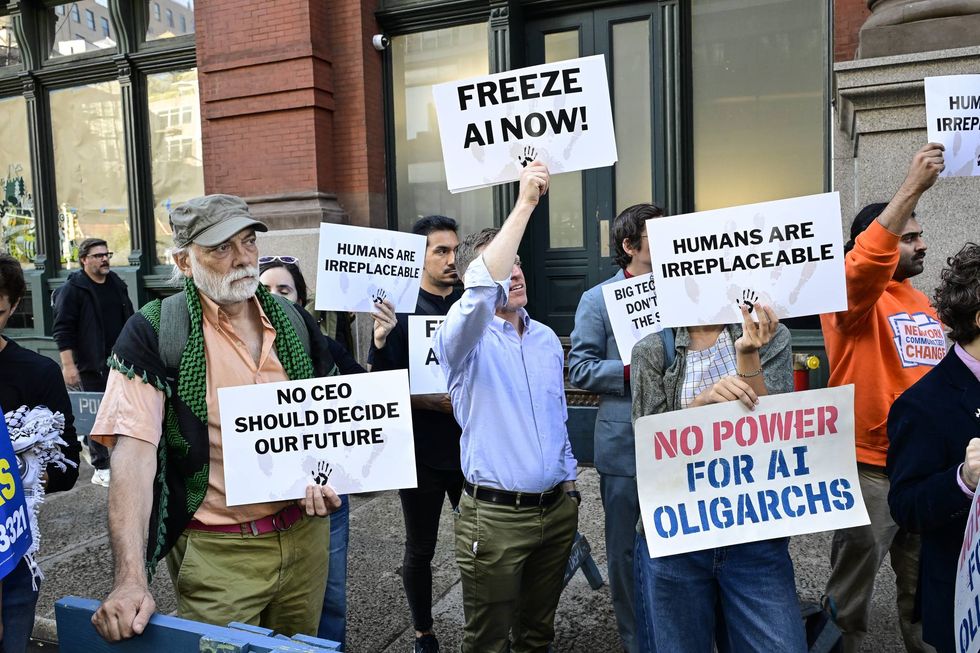 Common DreamsThis piece reads left
“We Cannot Wait for Disaster to Strike”
Word choiceLeads with urgency language from the lawmakers' letter, emphasizing imminent risk rather than describing the legislative effort neutrally.
Read the original- The GuardianThis piece reads center-left
“Democratic lawmakers urged recess postponement”
FramingFrames Johnson's decision as acting counter to expressed demands, emphasizing the tension between leadership choice and constituent pressure.
Read the original  NPRnot ratedRead the original
 The HillThis piece reads center-left
“If you're building Frankenstein, stop”
Word choiceUses Vance's vivid metaphor as the headline framing, which carries moral weight and dramatizes the concern more than a straightforward description of his remarks would.
Read the original Axiosnot rated
FramingExplicitly notes the shift in what's politically possible, framing Warren's position as part of changing momentum rather than an isolated stance.
Read the original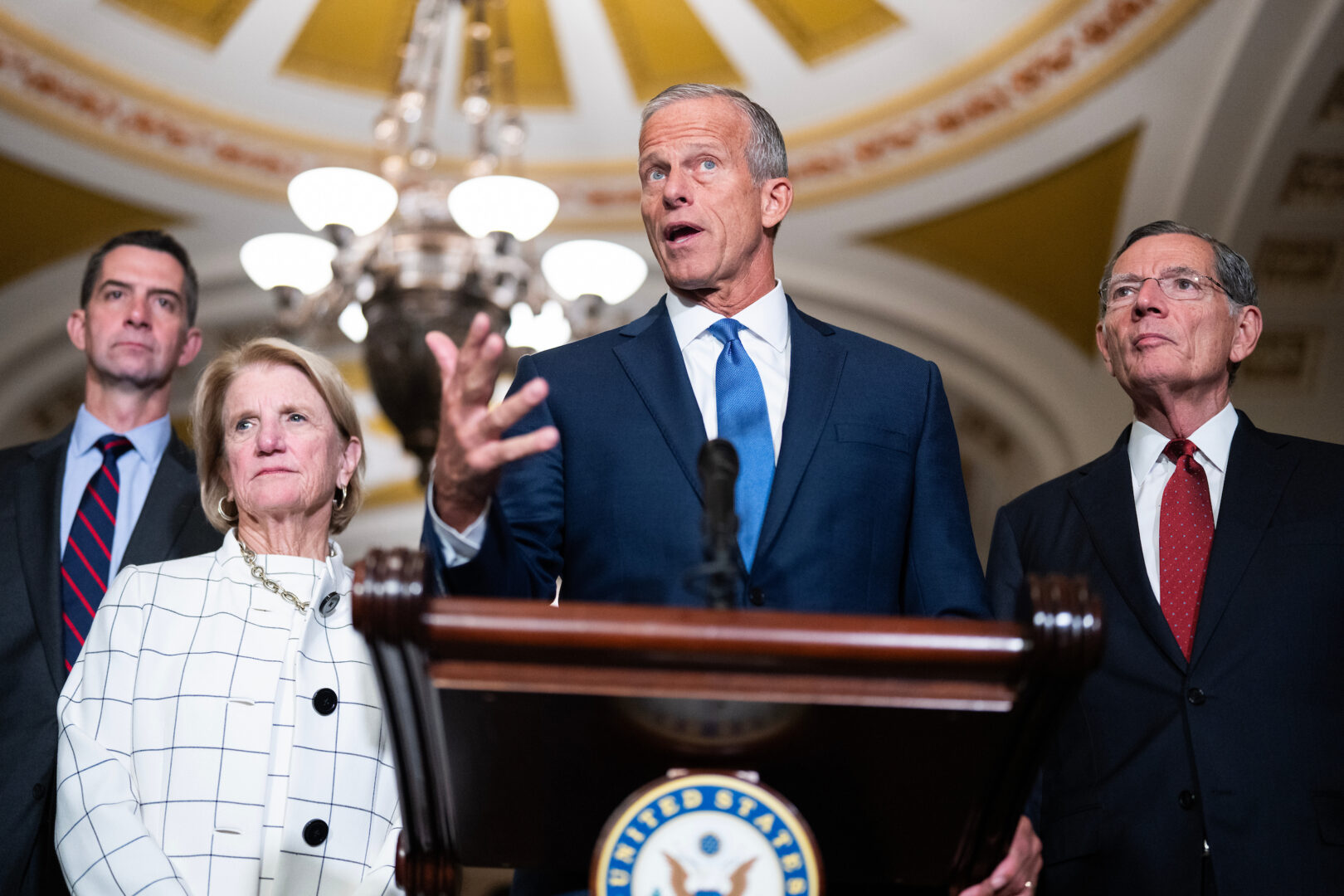 Roll CallThis piece reads center-left
“AI threats confront a Congress far from erecting guardrails”
Word choiceEmphasizes Congress's inaction and unpreparedness with defensive language, while omitting the stated concerns or pressure that prompted the reporting.
Read the original- CNBCnot ratedRead the original
 Global Newsnot ratedRead the original
Placements are generated by an AI model from each article’s own headline and summary, and every quotation above is checked to be a real substring of that article before it is published. How this is done
Prism is free and carries no advertising. Support it if it was useful.