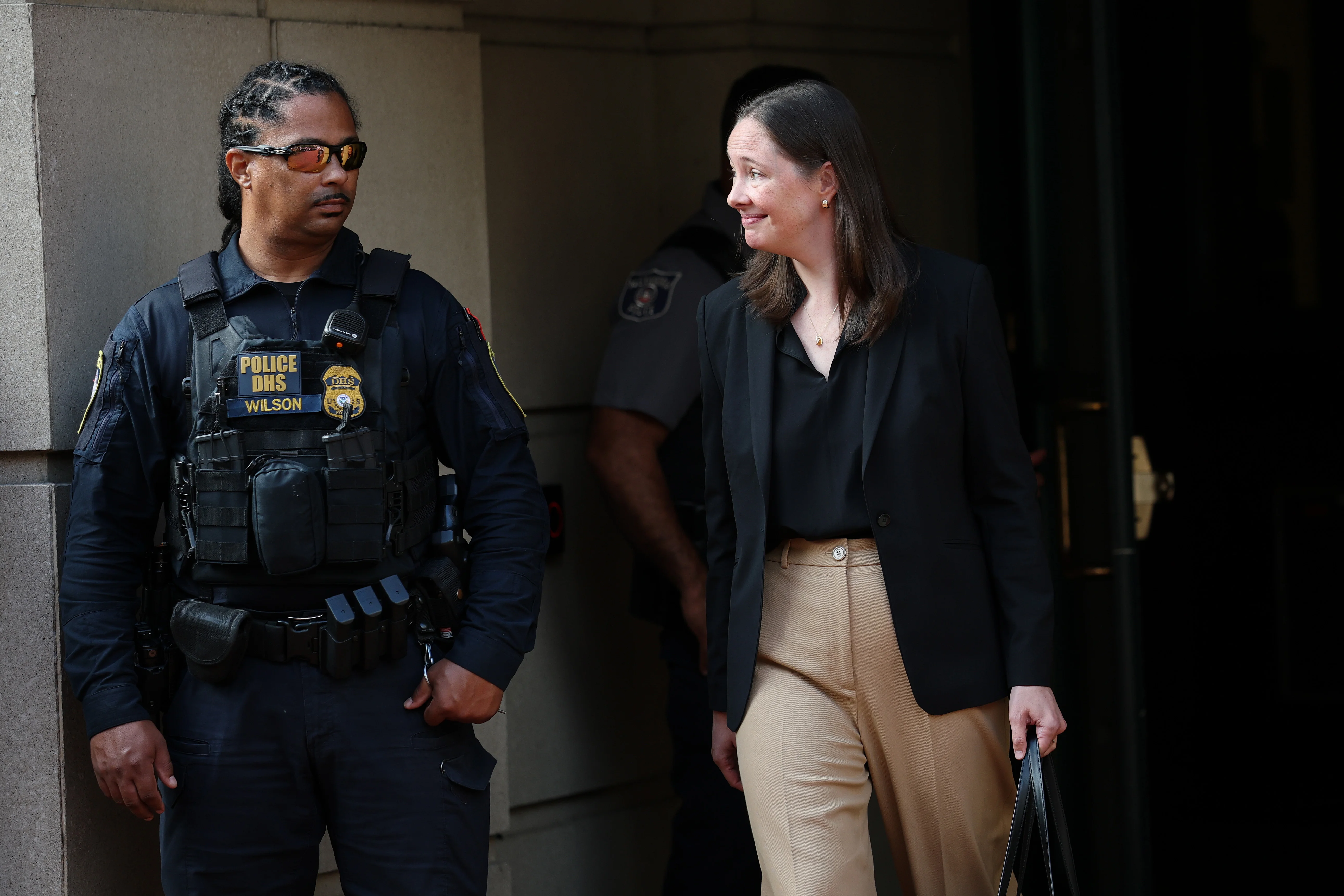
A federal judge ruled that the Trump DOJ illegally fired Maurene Comey, a federal prosecutor in Manhattan and daughter of former FBI director James Comey, who had served as an assistant U.S. attorney for around a decade. The judge ordered her retroactive reinstatement to her position.
From the center: A judge has determined that Maurene Comey's dismissal violated legal procedures, even though the DOJ technically has the power to fire prosecutors. The ruling balances two legitimate concerns: that political appointees should have management authority, but also that such authority must be exercised according to law. Reinstatement orders serve as a brake on arbitrary action without removing discretion entirely.
In Serbian parliamentary elections held Sunday, October 26, the Student List—a movement of first-time politicians selected by student-led popular assemblies—won an outright majority of seats. The victory ended 14 years of rule by Aleksandar Vučić's Serbian Progressive Party. Vučić, described as a strongman leader, has been swept from power.
From the center: Serbian voters delivered a striking rebuke to 14 years of one-party rule, opting for political newcomers over an entrenched establishment. The Student List's majority raises both promise and questions: these first-time politicians now face the practical demands of governing a complex country with serious economic and regional challenges. Their ability to deliver on reform while managing real-world constraints will determine whether this shift proves lasting.
Drawn from 2 articles placed here, below.
No ads, no paywall
Prism is free to read and carries no advertising. Reader support pays for the news gathering. Support it if it’s useful to you.
At a Sunday campaign rally in Michigan, President Trump made anti-Muslim remarks about Abdul El-Sayed, the Democratic nominee for U.S. Senate who would be the first Muslim senator if elected. Trump called El-Sayed a "jihadist," invoked 9/11, suggested he should pass through a metal detector before entering the Senate, and claimed an El-Sayed victory would mean canceling Christmas.
From the center: Trump's comments about El-Sayed are inflammatory and inappropriate for a presidential candidate, using religious identity as a campaign weapon rather than addressing policy differences. That said, El-Sayed's record and positions deserve scrutiny on their merits. The incident highlights how both parties sometimes prioritize identity and symbolism over substance, and how campaigns increasingly resort to personal attacks rather than serious debate about governing.
No article in this story reads this way. This is how the position tends to frame events like it — written by a model, not quoted from anyone.
President Trump announced a $1 million reward for information leading to the arrest and conviction of people committing voter fraud, posting the offer on Truth Social on Monday, eight days before the 2026 midterm elections. The offer applies to fraud in past elections and the upcoming midterms. NBC News reported it is unclear where the funding would come from.
From the center: Trump has announced a $1 million reward for voter fraud convictions timed to the midterm elections. The proposal raises practical questions: the source of funding is unclear, the standard for what constitutes prosecutable fraud varies by jurisdiction, and the incentive structure could generate false reports. While election security matters, a bounty program mixing political messaging with financial motivation may muddy rather than clarify actual fraud. The announcement's timing and framing invite skepticism about whether the goal is genuine fraud prevention or pre-election messaging.
The 9th U.S. Circuit Court of Appeals rejected a Trump administration request in a 2-1 decision Monday evening, declining to order California to set aside 20,000 mail-in ballots. The Justice Department had sought an emergency expedited ruling to segregate ballots from voters the federal government suspects are noncitizens ineligible to vote.
From the center: The appeals court applied standard jurisdictional limits by declining emergency intervention and letting the lower court proceed with the full case. This approach balances respect for both federal election concerns and state administration authority while ensuring disputes get thorough judicial review rather than rushed rulings. Allowing the trial judge to weigh the evidence before any ballots are handled protects all parties' interests.
The Justice Department charged former FBI Director James Comey on October 5, 2026, with transmitting national defense information and conspiracy to transmit it. Prosecutors allege Comey disclosed classified information to the New York Times in October 2016. Comey's lawyers say the case concerns an issue that was previously investigated without resulting in charges.
From the center: The facts are contested and the timing raises questions. A judge has ruled the administration acted unlawfully in firing Comey's daughter, which suggests some Trump administration actions lack legal foundation. However, the underlying allegation—unauthorized disclosure of classified information—is serious if true. The fact that prosecutors previously investigated similar allegations without charging Comey, yet are doing so now, could reflect new evidence or could suggest selective prosecution. The legal process should determine guilt or innocence on the merits, but the appearance of political persecution is damaging to confidence in institutions either way.
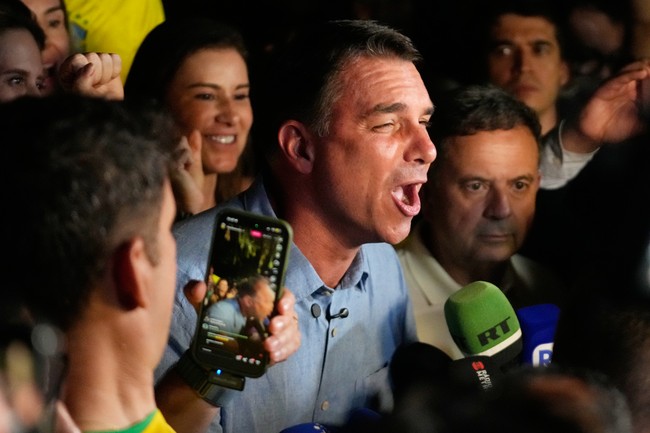
Luiz Inácio Lula da Silva won Brazil's presidential runoff election on Sunday, securing a record fourth term after losing the first round. He defeated Flávio Bolsonaro, son of former President Jair Bolsonaro, by 4 million votes according to Democracy Now.
From the center: Brazil's electorate has spoken narrowly in Lula's favor, and democratic procedures must be respected—the results should be certified and normal constitutional order maintained. That said, Bolsonaro's refusal to concede reflects genuine divisions in the country that won't disappear with one election. Market volatility shows investor anxiety about fiscal policy under Lula. Both sides' commitment to institutional rules and acceptance of outcomes matters more now than the margin of victory.
Marine Le Pen, leader of France's National Rally (RN) and the frontrunner in polls for the 2027 presidential election, formally launched her campaign on Sunday, October 25, at a rally in Orléans attended by approximately 8,500 people.
From the center: Le Pen's launch reflects genuine public anxiety about French governance—the protests, economic trouble, and sense that Macron has lost control are real. Yet Le Pen's diagnosis and remedy deserve scrutiny. Her appeal to 'rule of law' and 'national community' could mean different things; the details matter enormously. France needs a leader who can restore public confidence and address disorder without dismantling the institutional checks that protect everyone. The election will test whether voters prioritize stability enough to overlook the deeper questions her agenda raises.
Venezuelan opposition leader María Corina Machado returned to Venezuela on Sunday after nearly 10 months abroad. Machado, a Nobel Peace Prize winner, had left in December 2025 after the government barred her from running in elections; she spent the intervening months in the United States and Panama. Her return poses a direct challenge to the current Venezuelan government.
From the center: Machado's return is a notable development in Venezuela's political standoff, where the opposition and government remain at an impasse. Her arrival after nearly a year abroad signals either growing confidence in her safety or shifting political calculations. The sustainability and practical impact of her return remain uncertain—symbolic gestures matter in politics, but whether this translates to concrete changes depends on many factors beyond her physical presence.
At a Sunday campaign rally in Michigan, President Trump attacked Democratic Senate candidate Abdul El-Sayed, a Muslim physician, invoking 9/11 and calling him a "jihadist" and "Muslim Brotherhood member." Trump said he was in Michigan "to keep a jihadist, Muslim Brotherhood member from becoming a United States senator" and stated "we're not going to let that happen."
From the center: Trump's invocation of 9/11 and use of loaded terms like "jihadist" is hyperbolic campaign rhetoric that inflames rather than informs. El-Sayed's Muslim faith is irrelevant to his fitness for office, and religious identity should not be a disqualifying factor in American politics. That said, candidates' actual statements and records deserve scrutiny regardless of background. The real issue here is that both sides are increasingly using polarizing language—Trump with inflammatory religious framing, Democrats with dismissals of any criticism as bigotry—when voters deserve a substantive debate about policy and qualifications.
Aleksandar Vučić, Serbia's president and leader of the Serbian Progressive Party, conceded defeat in snap parliamentary elections on Sunday after 14 years in power. A student-led movement, the Student List, won the election with over 2 million votes in the country of 6.5 million, achieving an absolute majority in parliament according to projections.
From the center: Serbia's election reflects public exhaustion with Vučić's 14-year tenure and his government's real or perceived failures on corruption and democracy. A student-led opposition succeeded in channeling discontent into electoral victory, achieved record turnout, and appears to have won a parliamentary majority. The snap election Vučić called backfired tactically. Whether this represents genuine democratic renewal or simply a change of faces depends on what the Student List actually does in office, how quickly they address the grievances that mobilized voters, and whether institutional checks and reforms can prevent new forms of power concentration.
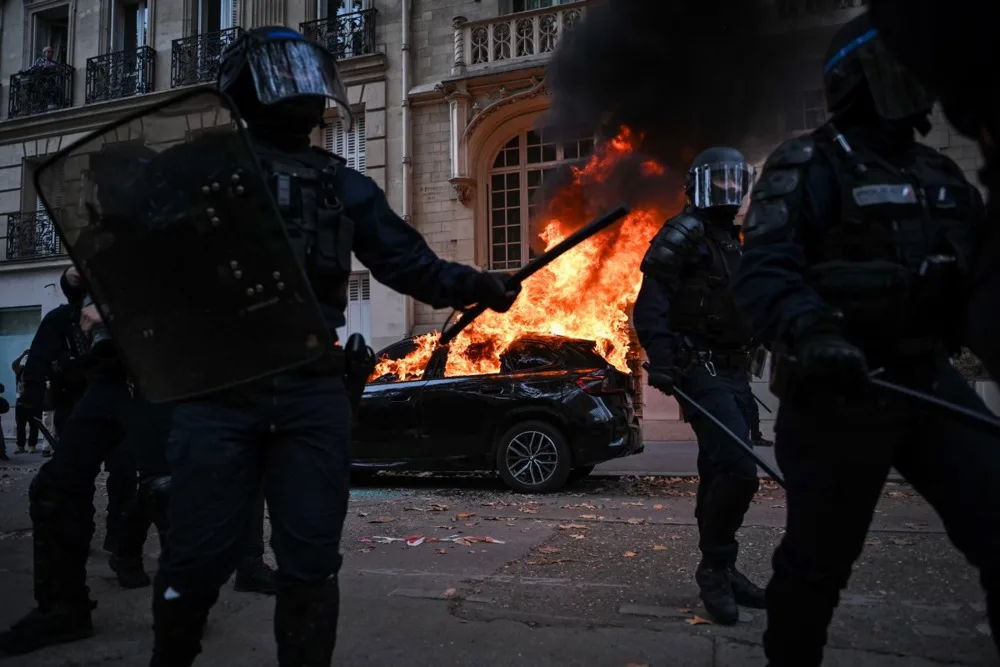
Protests erupted across Europe on Saturday, with the largest demonstrations in France drawing over 400,000 people. French police arrested 1,314 people, with 53 officers injured according to the interior ministry. In Paris, masked protesters threw fireworks and projectiles; police responded with tear gas, sound grenades and water cannons.
From the center: Europe is experiencing significant social unrest driven by real economic pressures, but the picture is mixed. Most demonstrations were peaceful and represent normal democratic expression; violence in some locations appears limited to smaller groups within larger marches. The challenge for governments is taking economic concerns seriously without either dismissing protesters or allowing disorder to escalate. France's upcoming elections provide an institutional channel for these grievances, which is preferable to ongoing street conflict.
The Justice Department filed a lawsuit Thursday to block Alaska from certifying its Senate election results if Republican incumbent Dan Sullivan loses. President Trump accused opponents of exploiting voter confusion in the race. Democratic candidate Mary Peltola called the move desperate. The action drew surprise from officials in both parties.
From the center: The DOJ lawsuit raises serious concerns about institutional overreach and the politicization of federal agencies. While elections should be properly administered and voter integrity matters, attempting to block certification before votes are even counted reverses normal legal procedure and looks like the outcome is being predetermined. Both parties' surprise suggests this crosses established norms. The courts will likely need to address whether this is proper use of federal authority.
Hundreds of thousands of people protested across France on Saturday, October 24, over rising living costs and school funding. The Interior Ministry reported 410,000 protesters; the General Confederation of Labour claimed 800,000. Demonstrations in Paris and other cities began peacefully but saw clashes toward their end, prompting police to deploy tear gas and water cannons. Nearly 1,000 people were arrested.
From the center: France witnessed a second weekend of large-scale protests with conflicting estimates of turnout (410,000 to 800,000) over living costs and school funding. Authorities learned from last week's chaos: deploying 70,000 police prevented widespread looting and property damage, though clashes still occurred and nearly 1,000 were arrested. The challenge is balancing public order with legitimate protest rights—this weekend showed better containment, but the underlying grievances remain unresolved. Sustainable solutions require both effective security and genuine policy response.
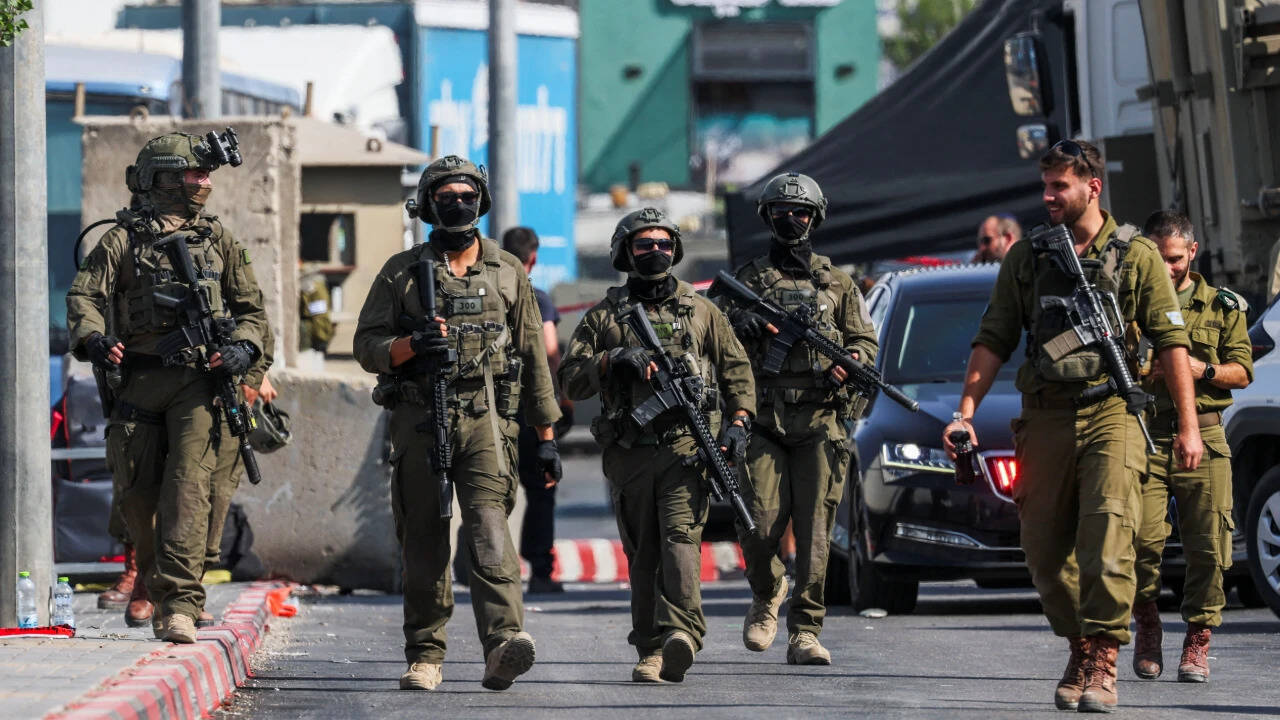
Israeli forces demolished homes and forcibly evacuated Palestinian residents from Hebron in the occupied West Bank on Friday following a Palestinian attack that killed two Israeli soldiers at a checkpoint. Displacement figures vary: Euronews reports around 250 families, Die Welt reports approximately 2,000 people, and RTÉ cites a Palestinian official saying around 1,200.
From the center: Israel responded to a deadly militant attack in Hebron with a major military operation involving home demolitions and family displacements, with figures ranging from hundreds to thousands depending on the source. Netanyahu framed it as unprecedented in scale since 1967. The operation presents a genuine tension: governments have legitimate security interests after attacks on soldiers, yet mass civilian displacement raises practical and legal questions. The unclear casualty and displacement figures, combined with the political timing before elections, suggest the full picture remains uncertain and warrants scrutiny of both the security rationale and its implementation.
Director of National Intelligence Jay Clayton sent an unclassified memo to Secretary of State Marco Rubio on October 23 warning that Iran has intensified efforts to target U.S. personnel in the Middle East and beyond, with lethal plots reaching "advanced stages." The warning prompted the State Department to reduce staffing at several diplomatic posts in the region.
From the center: The intelligence warning appears credible and U.S. officials must protect American personnel—that is their first obligation. However, the appropriate response requires careful calibration: enhanced security at diplomatic posts makes sense, but wholesale staff reductions can backfire by limiting communication channels and signaling weakness or panic. The administration should strengthen defenses while maintaining enough diplomatic presence to manage crises and pursue negotiated solutions where possible.
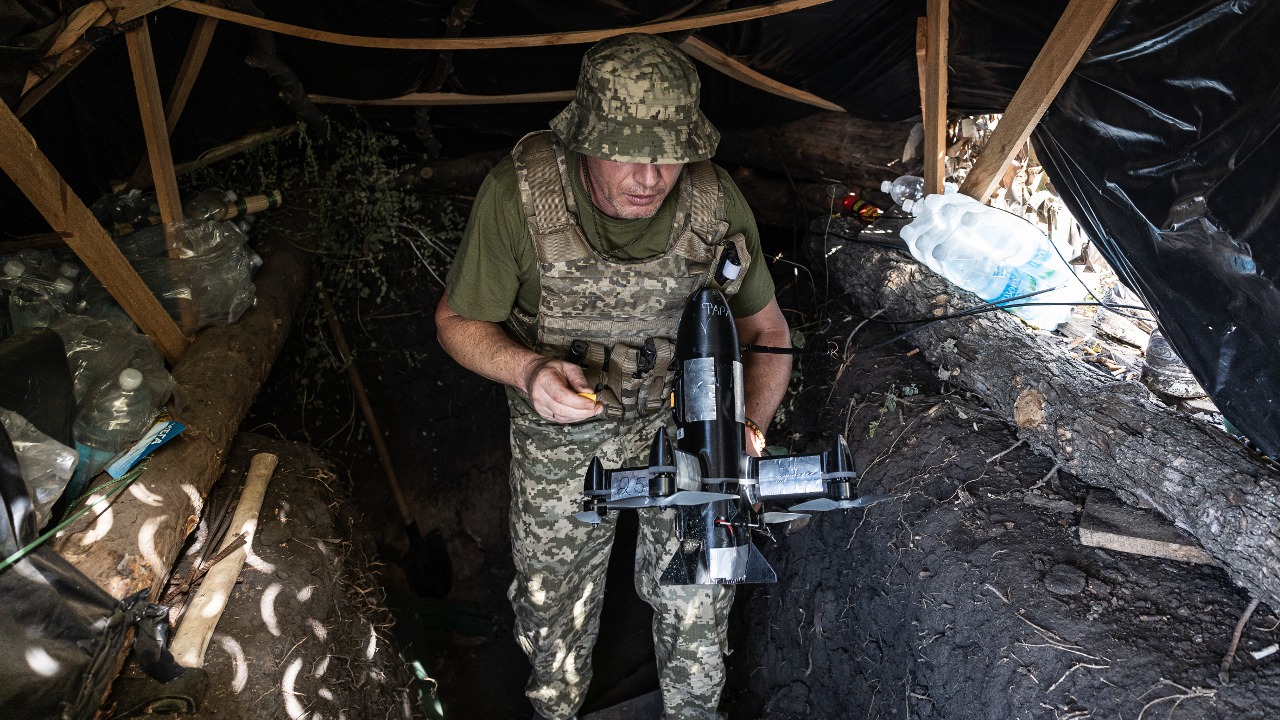
Starlink and Starshield satellite connections in Ukraine were restored to normal speeds after a two-week throttling period that had disrupted drone operations. Ukrainian officials said the restrictions hampered their ability to intercept Russian attack drones and conduct supply missions. Elon Musk said Ukraine had violated Starlink's terms of service, stating the country used it "to kill people."
From the center: A critical military communications tool was restricted for ten days, disrupting Ukrainian operations against Russian attacks. Musk cited terms-of-service violations; Ukraine disputed this and appealed for restoration. The service has now been restored after political pressure, including from U.S. officials. The episode illustrates both the value and the vulnerability of relying on private satellite infrastructure for national defense. Going forward, governments should develop redundancy and clearer agreements with providers.
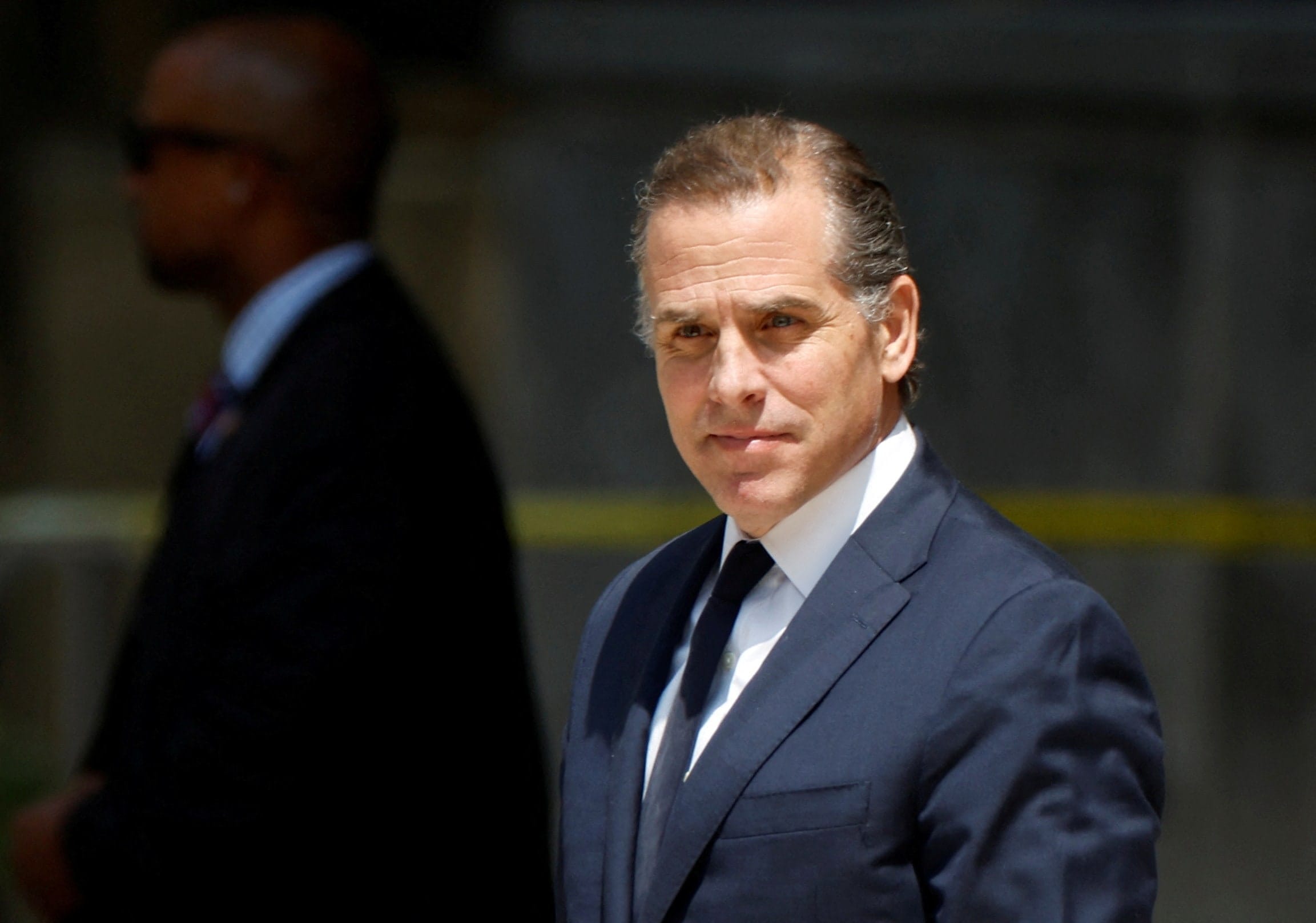
The Department of Justice charged two former FBI officials, Nicole Floris and Bradley Benavides, with lying to Congress about the agency's investigation of Hunter Biden's laptop. According to the complaint, they made false statements on two occasions in 2023. They were released on Friday morning after appearing before a federal magistrate judge; if convicted, each faces up to five years in prison.
From the center: Two former FBI officials face criminal charges for allegedly misleading Congress about the bureau's investigation into Hunter Biden's laptop—a straightforward accountability matter, though the timing near midterms invites legitimate questions about political motivations. The actual facts of what they said, to whom, and whether it was intentionally false or negligent will determine whether this represents appropriate prosecution of false testimony or a more troubling pattern of selective enforcement.
A federal investigation into Rep. Ilhan Omar's path to U.S. citizenship and campaign finances has intensified amid disputes over her identity and past marriage. A DOJ court filing identified her as "Ilhan Nur Said Elmi," matching her ex-husband's surname, prompting Trump to accuse her of living under a false identity. Omar responded that her name has always been Ilhan Omar.
From the center: A federal investigation into Omar's citizenship process and campaign finances proceeds on its merits, but the surrounding political theater—competing claims about her name, unverified allegations of voter manipulation, and Trump's public accusations—has obscured what should be a straightforward legal review. A DOJ court filing using a different name deserves explanation; Omar's response that she has always used her current name is reasonable but incomplete transparency on her past documentation would help. The voter fraud claim needs independent verification before shaping the narrative.
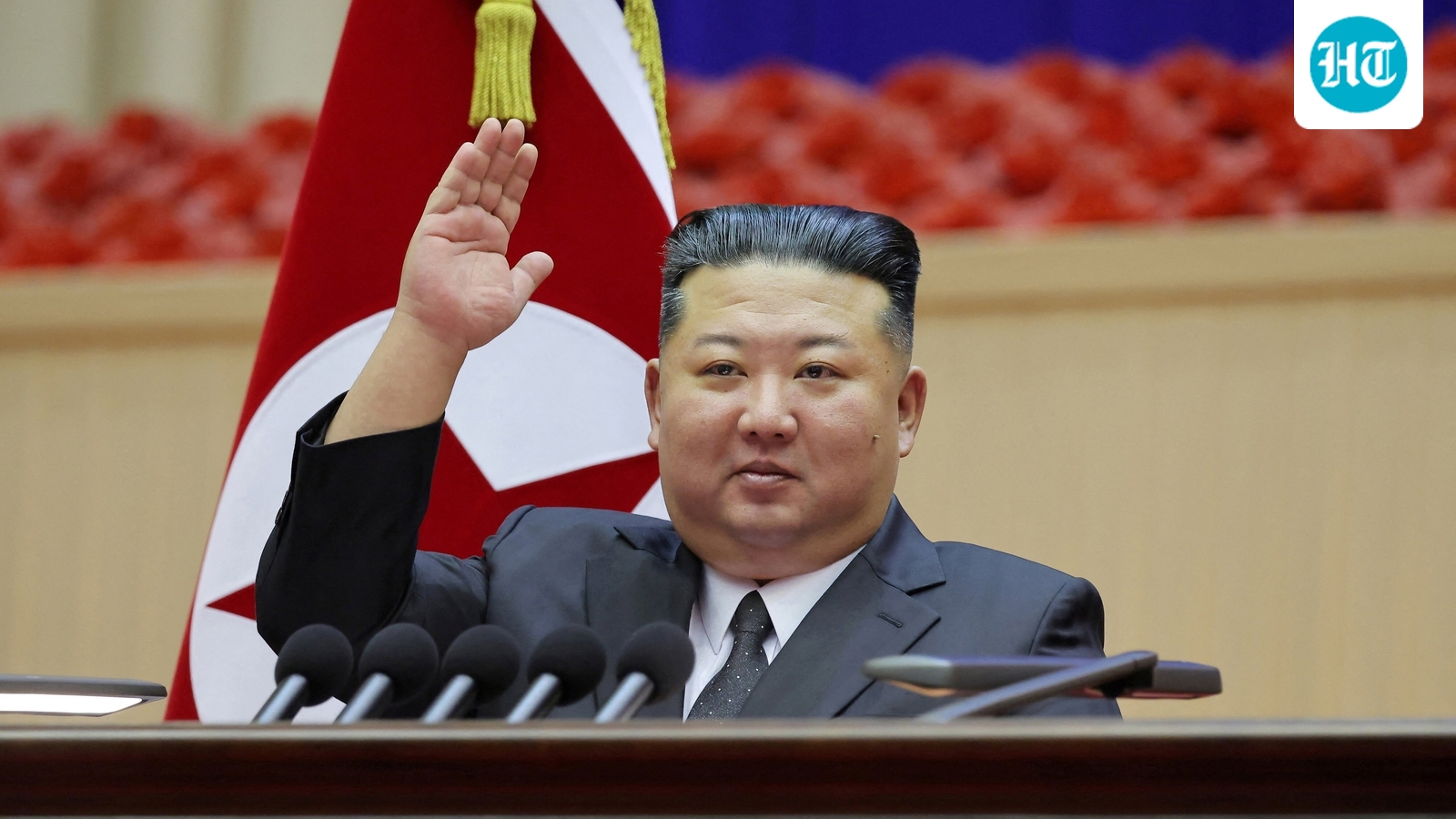
North Korean leader Kim Jong-un visited the Chinese border city of Dandong on Saturday, October 24, travelling via a newly opened bridge linking the two countries. He met with Wang Huning, China's top political adviser, according to state news agency Xinhua. This is Kim's first visit to China in more than a year and his sixth since taking power in 2011.
From the center: Kim Jong-un's visit to China is a significant diplomatic and infrastructure milestone that signals both countries' commitment to strengthened ties. The timing—ahead of the Asia-Pacific Economic Cooperation summit in Shenzhen where Trump and other leaders will gather—adds diplomatic weight to the visit. Both the new bridge and the high-level meeting with a senior Chinese official suggest practical cooperation on trade and regional stability, though the longer strategic implications remain to be seen.
The White House announced that First Lady Melania Trump brokered a localized ceasefire in Oleshky, a Russian-occupied Ukrainian city. Ukraine and Russia confirmed the truce, which will allow civilian evacuation and humanitarian aid delivery. The city's residents have faced severe conditions, including food shortages.
From the center: A localized ceasefire allowing evacuation and aid to reach desperate civilians is a concrete good outcome. The involvement of the First Lady outside traditional diplomatic channels is unconventional, and the timing amid tensions between the two governments is complicated. Whether this becomes a model for further agreements or remains a one-off pause depends on what both sides are signaling about their broader intentions.
Two Israeli soldiers were killed and several others wounded in a shooting attack at a checkpoint near Hebron in the occupied West Bank on Friday. Two suspected gunmen were shot dead by Israeli forces at the scene. In response, the IDF and Shin Bet launched a multi-day counterterrorism operation in the Hebron area.
From the center: A shooting attack near Hebron killed two Israeli soldiers and wounded others, prompting an Israeli military response described variously as "limited" and as "unprecedented since 1967"—a significant gap in how officials and different outlets characterize the same operation. Both the immediate tactical response and Netanyahu's broader strategic framing warrant scrutiny: military operations should be proportionate and clearly bounded, and rhetoric matters because it shapes what publics and militaries believe is justified.
US President Donald Trump said on Friday at a Florida rally that the US may launch another military operation against Iran, referring to it as "another little Epic Fury." Trump was referencing a joint Israeli-American military operation that sparked the current war with Iran in late February. The conflict is now in its eighth month. Trump did not provide details about when or how such an operation might occur.
From the center: Trump indicated at a political rally that additional military operations against Iran remain possible, though he offered no specifics. The comment is notable given existing tensions and the eight-month duration of the current conflict. Weighing the stated security rationale against costs of escalation, policymakers face a genuine dilemma: whether deterrence requires demonstrated willingness to act again, or whether restraint and negotiation offer better long-term outcomes. Clarity on actual plans and contingencies would serve both security and democratic deliberation.
The Trump administration's Justice Department filed a lawsuit in Alaska federal court Thursday seeking to block certification of the Senate race if Republican incumbent Dan Sullivan loses. The suit argues that the presence of another candidate named Daniel J. Sullivan on the ballot could confuse voters and taint results.
From the center: This lawsuit raises genuine questions about voter confusion and election integrity that deserve serious attention, but the administration's approach is backward. If two candidates with the same name genuinely pose a ballot confusion problem, that should be addressed before the election through ballot design, clear naming conventions, or candidate withdrawal—not after the fact through litigation that conveniently protects only one party. Courts reviewing this will have to weigh whether preventing voter confusion justifies blocking certification, a difficult question that shouldn't become routine. Both sides should want elections administered fairly from the start, not litigated afterward.
The White House removed 50% tariffs on 22 Canadian products effective October 30, including plywood sheets, paper products, machinery, and refrigeration equipment, while simultaneously imposing new tariffs on 100 additional products including carpets, certain valves, and waste products.
From the center: The White House has made a tactical adjustment to tariff policy before the midterms, removing duties on products important to Maine while adding them to others. Collins successfully lobbied for relief for her state's economy, which depends on Canadian trade. Whether this represents good policy or political calculation depends on one's view of Trump's broader tariff strategy, but the move is clearly timed to help vulnerable Republicans in competitive races. Both the removal and addition of tariffs merit scrutiny on their merits.
At an Iowa rally on Thursday, President Trump called for Rep. Ilhan Omar's resignation and alleged she used a 'fake name' in Congress, citing an unspecified new report. Trump also questioned whether she was 'allowed to marry your brother.' Ten days earlier, the Justice Department raided Omar's home as part of an immigration fraud probe. Rep. Randy Fine said he would pursue House expulsion if the DOJ finds her guilty.
From the center: Multiple allegations have surfaced against Omar—immigration fraud under federal investigation, and claims about her name and personal history—but the facts remain contested and unverified. Trump is using the issue politically, while Omar denies wrongdoing. Rather than premature demands for resignation or dismissals as pure conspiracy, the appropriate course is to let the Justice Department investigation proceed with transparency, allow Omar to answer the charges, and let Congress decide any disciplinary action based on actual findings, not campaign rhetoric.
France deployed 70,000 police officers nationwide ahead of expected protests and demonstrations planned for Saturday. Interior Minister Laurent Nunez said authorities would take a hardline stance against those committing violence, looting, and vandalism.
From the center: France faces a genuine dilemma: managing the real risk of escalating violence while respecting the right to protest. Last week's rioting was serious enough to warrant a strong preventive response, but 70,000 officers and curfews risk inflaming tensions further if they're perceived as heavy-handed. The government's challenge is calibrating force—enough to deter vandalism and looting without appearing to suppress legitimate dissent. Shopkeepers' precautions show the cycle of escalation: fear of unrest leads to visible security measures, which can themselves provoke confrontation.
Two Israeli soldiers, Staff Sergeant Ron Yonatan Roytman and Sergeant Yuval Shai Svilem, were killed in a shooting attack near Hebron in the occupied West Bank on Friday morning. Two Palestinian gunmen, whom Israeli authorities alleged were members of Hamas, opened fire at an IDF position; three others were also injured. Israeli soldiers killed the two alleged attackers.
From the center: A tragic attack and a serious security breach, but the announced response requires careful calibration. Lockdowns and demolitions are blunt instruments that harm civilians and rarely achieve lasting security gains. Israel faces a genuine threat that demands action, yet broad collective measures often backfire by deepening grievance and recruitment to militant groups. A focused investigation into the attackers and their networks, coupled with targeted security measures, would better serve both security and long-term stability than sweeping closures.
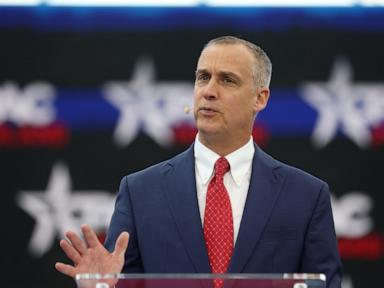
The Justice Department is investigating Corey Lewandowski, a Trump ally who served as a top aide to DHS Secretary Kristi Noem, following a referral from Homeland Security investigators. Rolling Stone reports he has been accused of soliciting payments in exchange for DHS contracts. No charges have been filed and details of the inquiry remain unclear.
From the center: A Justice Department investigation into a Trump administration official for alleged contract-related misconduct has been triggered by internal DHS referrals. The specifics are still emerging, and it is premature to draw conclusions about either guilt or systemic problems. Both the fact that career inspectors identified concerns and that the DOJ is examining them suggest institutions are functioning, though the rarity of such investigations under this administration—per the NYT—is worth noting as context.
The Supreme Court on Thursday granted an emergency application by New Hampshire Secretary of State David Scanlan, allowing the state to enforce a directive prohibiting the use of student IDs in elections. Justice Ketanji Brown Jackson dissented alone. The ruling overturned a lower court decision that had blocked the ban ahead of the November midterm elections.
From the center: The Supreme Court faced a genuine tension between two principles: respecting state authority over elections and ensuring voting access. The court chose to defer to the state's judgment and avoid changing election rules close to voting day—a reasonable but not costless choice. Whether student IDs pose a genuine fraud risk or whether the ban will meaningfully affect turnout remains disputed.
The U.S. and Israel have drawn up plans for renewed military strikes on Iran targeting nuclear, energy, and military facilities, to occur after U.S. midterm elections on November 3, according to reporting by The New York Times cited across multiple outlets. The White House stated Thursday it will not resume attacks before the election.
From the center: Both military readiness and diplomatic efforts are underway simultaneously—a pragmatic hedging of bets. The U.S. and Israel plainly have legitimate concerns about Iranian capabilities, which justifies planning for contingencies. Yet restraint before the election shows political judgment about not widening war during a campaign. The genuine problem is that neither side fully trusts the other enough to de-escalate confidently. Mediators attempting talks is the right move; so is keeping military options prepared if talks fail. The challenge is managing this balance without letting either track undermine the other.
President Trump called Elon Musk on Wednesday and asked him to lift restrictions on Starlink access in Ukraine, according to the Wall Street Journal. Musk had previously restricted the service, affecting Ukraine's military communications and drone operations. Trump said Musk had restored access, though Ukrainian President Zelenskiy said Thursday that Starlink speeds had not been fully restored.
From the center: This situation illustrates the messy reality of modern warfare and corporate power. Starlink has genuinely helped Ukraine defend itself, but relying on one private system leaves it vulnerable to the owner's personal decisions. Trump's successful intervention shows the value of having access to influential figures, yet also highlights Ukraine's precarious position. The real lesson is that allied nations need redundant, independent communications systems rather than depending on any single provider, however helpful it has been.
Vivek Ramaswamy, the Republican gubernatorial nominee in Ohio, released a campaign ad featuring Amy Acton's estranged mother criticizing the Democratic nominee. Ohio Gov. Mike DeWine, a Republican, called the ad "deeply, deeply troubling" and "wrong" on Thursday and urged Ramaswamy to remove it. Ramaswamy has refused to apologize and said he would spend more to promote the ad.
From the center: This ad illustrates a genuine tension in campaign ethics. Opposition research and tough messaging are standard, but using a candidate's estranged family member—particularly one involved in a sensitive personal matter—raises real questions about where lines should be drawn. DeWine and Trump's disagreement reflects legitimate disagreement about campaign norms: how aggressive can you be without crossing into exploitation? The fact that Ramaswamy won't remove it despite significant pressure suggests he calculates the ad helps him electorally, which may be true, but it's worth asking whether winning this way damages the political process itself.
Michigan and Kansas held major Senate debates on Wednesday night ahead of the 2026 midterm elections. The Michigan debate between Democrat Abdul El-Sayed and Republican Mike Rogers was described as bitterly personal and ferociously contested, in a race that outlets note could affect control of the Senate chamber. President Trump campaigned for Republican candidates in South Carolina.
From the center: Michigan and Kansas held major Senate debates Wednesday, with Michigan's race between El-Sayed and Rogers proving especially contentious. Both parties recognize these contests as pivotal to the midterm outcome and Senate control. The contrast in tone between the two states' debates underscores how races vary by state and candidate—some combative, others more measured—each reflecting local dynamics and what voters there care about most.
From the center: A polling firm's fabrication of survey data is a concrete wrongdoing that damaged individual campaigns and raises legitimate questions about data integrity in elections. The incident merits investigation to establish facts and accountability. However, the scale and impact remain unclear—how many races were affected, and to what degree? Careful scrutiny of both the fraud itself and any attempts to exploit it for broader political claims is warranted.
U.S. District Judge Araceli Martínez-Olguín blocked Department of Homeland Security field operations in nine states, including California, Connecticut, Georgia, Missouri and Nevada. The ruling, issued Wednesday, bars DHS agents from conducting elections-related field interviews aimed at identifying noncitizens registered to vote.
From the center: A judge has blocked a controversial DHS effort to investigate noncitizen voter registration in nine states, citing Voting Rights Act violations. The operations raised genuine questions about implementation and civil liberties protections, though election security is a legitimate government interest. The court's decision reflects tension between preventing fraud and protecting voters from overly broad investigations. Both election integrity and voting access matter; courts must weigh these competing interests carefully, and this judge determined the operations as conducted crossed the line.
Federal agents conducted a pre-dawn raid on Minnesota congresswoman Ilhan Omar's Washington DC apartment last week as part of an immigration investigation. According to Omar, agents seized over a dozen items including cell phones and notebooks. Omar has not been charged with a crime and maintains she has done nothing wrong.
From the center: Federal agents raided congresswoman Ilhan Omar's apartment in a pre-dawn operation connected to an immigration investigation. They collected over a dozen items including phones and notebooks. Omar, who has not been charged, says the raid and subsequent public attention have created safety risks forcing her to relocate. The facts of the investigation itself—what sparked it, what it concerns, and what evidence exists—remain largely unknown to the public, making it difficult to assess whether the raid's intensity was justified or whether safety concerns are well-founded.
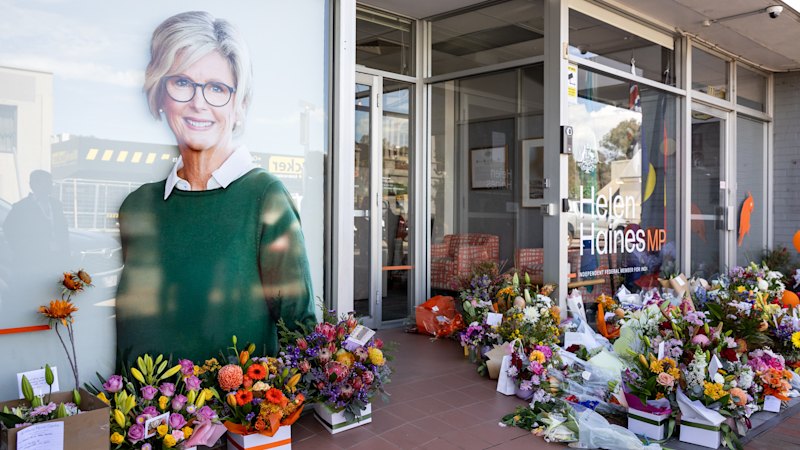
Australian independent MP Helen Haines was struck by a Toyota Land Cruiser outside her Wangaratta office in Victoria on Monday. She was pinned against her car and has had both legs amputated. Police arrested a man; outlets identify him as Brendan Nugent. Police are investigating the motivation, which they describe as needing to be explored. Haines remains in critical but stable condition in hospital.
From the center: An independent MP was hit by a vehicle outside her office, resulting in amputation of both legs. She is in critical but stable condition. A man has been arrested and police are investigating his motivation. The incident has prompted politicians to raise safety concerns with security officials and sparked vigils in the community. The facts of what happened are clear; the causes and broader implications will become clearer as the investigation proceeds. Both supporting the victim and understanding what drove the attacker are important.
A New Mexico judge ordered Meta to pay $25 billion on Wednesday after a jury found the company misled consumers about data privacy in connection with the Cambridge Analytica scandal, when a political consulting firm obtained Facebook user data without consent during Donald Trump's 2016 presidential campaign. The jury found Meta committed over 43 million violations of New Mexico's consumer protection laws.
From the center: The ruling reflects appropriate judicial enforcement of consumer protection law against documented corporate wrongdoing. A jury found Meta misled users; a judge imposed a substantial penalty. The question of whether $25 billion is the right amount involves genuine trade-offs: enough to deter misconduct, but not so large it destabilizes the company or sets precedent that chills innovation. The case also raises the broader question of what mix of enforcement, regulation, and market pressure best protects consumers.
The U.S. State Department ordered the departure of non-essential embassy staff and their families from Saudi Arabia and other Gulf states (Jordan, UAE, Qatar, Bahrain) on Wednesday, citing sustained attacks by Yemen's Houthis. The order came after Houthi drone strikes killed at least one person, including an attack on Saudi Aramco's Shaybah oilfield, and damaged civilian airports and critical infrastructure.
From the center: The State Department made a reasonable decision to protect embassy staff and families from documented Houthi attacks that have already caused casualties. Evacuations of non-essential personnel are standard practice when security deteriorates. The challenge is balancing necessary precautions with maintaining diplomatic presence and regional engagement. The order affects multiple Gulf states, suggesting U.S. officials assess this as a regional risk requiring a coordinated response rather than a crisis isolated to Saudi Arabia.