White House says Melania Trump brokered ceasefire truce for Ukrainian city on brink of disaster
Reported by
A dot shows how that piece reads — Prism rates articles, not outlets, and shows the words behind each placement below. No dot means the piece isn’t rated. How the ratings work

What happened
The account the coverage agrees on, with contested figures attributed rather than asserted. This is not one of the five framings below — it is the ground they all stand on.
The White House announced that First Lady Melania Trump brokered a localized ceasefire in Oleshky, a Russian-occupied Ukrainian city. Ukraine and Russia confirmed the truce, which will allow civilian evacuation and humanitarian aid delivery. The city's residents have faced severe conditions, including food shortages.
How the spectrum reads this story
The same event, summarised as five points on the political spectrum would each tend to frame it. These are generated by an AI model and are a starting point, not the last word.
Left
While a ceasefire in any location is welcome, this isolated agreement in one city should not obscure the broader Russian invasion of Ukraine or substitute for meaningful diplomatic pressure toward genuine peace. A single humanitarian pause, brokered by the First Lady without institutional diplomatic channels, risks being a symbolic gesture that allows the administration to claim progress while fundamental territorial aggression continues.
No article in this story reads this way. This is how the position tends to frame events like it — written by a model, not quoted from anyone.
Center-left
This ceasefire represents a positive humanitarian outcome for Oleshky's residents, and Melania Trump's involvement shows the administration can play a constructive role on Ukraine. However, the agreement's narrow scope—one city—and tensions between the Trump administration and Ukraine's government raise questions about whether this reflects a broader diplomatic strategy or a limited humanitarian intervention.
Drawn from 1 article placed here, below.
Center
A localized ceasefire allowing evacuation and aid to reach desperate civilians is a concrete good outcome. The involvement of the First Lady outside traditional diplomatic channels is unconventional, and the timing amid tensions between the two governments is complicated. Whether this becomes a model for further agreements or remains a one-off pause depends on what both sides are signaling about their broader intentions.
Drawn from 2 articles placed here, below.
Center-right
The Trump administration has successfully negotiated a ceasefire that will help vulnerable populations escape a war zone and receive humanitarian assistance. This demonstrates that direct engagement and practical diplomacy can achieve results where entrenched positions fail. The agreement shows the value of exploring diplomatic channels and focusing on concrete humanitarian needs.
Drawn from 1 article placed here, below.
Right
The First Lady's successful negotiation of this ceasefire proves that the Trump administration's approach to Ukraine—prioritizing dialogue over endless military support—can produce real results for civilians suffering in the conflict. This demonstrates the administration's commitment to ending the war and protecting innocent lives, and shows that direct engagement works better than the previous approach of unconditional support.
No article in this story reads this way. This is how the position tends to frame events like it — written by a model, not quoted from anyone.
Hear two viewpoints debate it
Pick two viewpoints and Prism writes a short, six-turn exchange about this story in each one’s own voice — steel-manned, no winner declared. Each pairing is written once and then saved for every reader. The voices are AI syntheses of a tradition, not real people.
New pairing — Prism will write it now.
How each outlet covered it
Where Prism places each piece — not the outlet in general — with the words from that piece that put it there, and the photograph the outlet chose. Picking a photo is a framing decision too.
- HuffPostThis piece reads center-left
“tensions have increased to new highs”
FramingEmphasizes friction between the Trump administration and Ukraine by highlighting rising tensions, whereas other outlets focus on the ceasefire itself as the main development.
Read the original 
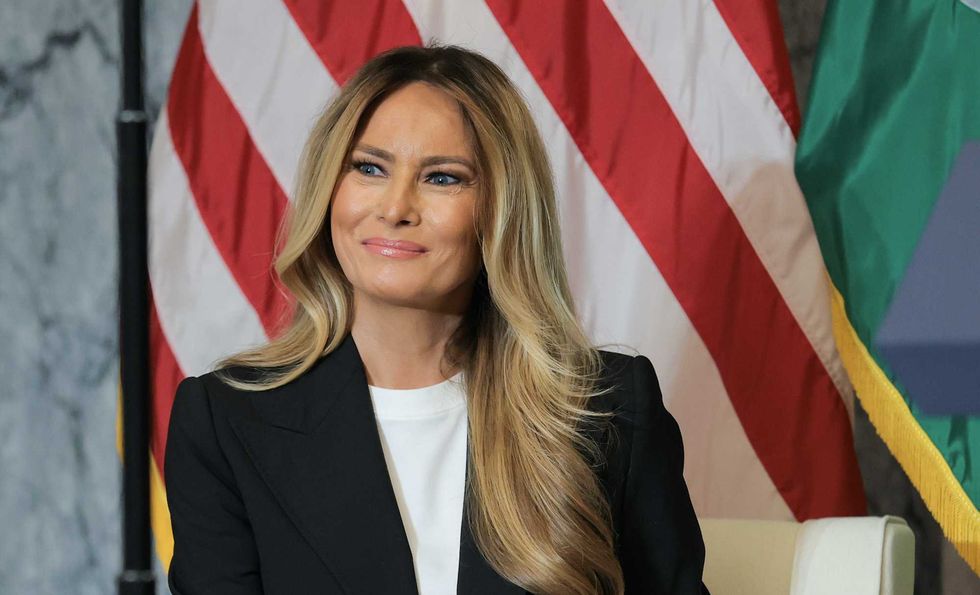 The BlazeThis piece reads center-right
“successfully negotiates ceasefire”
Word choiceUses 'successfully' to affirm the outcome before presenting details, while BBC and Daily Mail state the facts more plainly without pre-judging the significance.
Read the original
Placements are generated by an AI model from each article’s own headline and summary, and every quotation above is checked to be a real substring of that article before it is published. How this is done
Prism is free and carries no advertising. Support it if it was useful.