North Korean leader Kim Jong-un visits Chinese border city of Dandong via newly opened bridge
Reported by
A dot shows how that piece reads — Prism rates articles, not outlets, and shows the words behind each placement below. No dot means the piece isn’t rated. How the ratings work

What happened
The account the coverage agrees on, with contested figures attributed rather than asserted. This is not one of the five framings below — it is the ground they all stand on.
North Korean leader Kim Jong-un visited the Chinese border city of Dandong on Saturday, October 24, travelling via a newly opened bridge linking the two countries. He met with Wang Huning, China's top political adviser, according to state news agency Xinhua. This is Kim's first visit to China in more than a year and his sixth since taking power in 2011.
How the spectrum reads this story
The same event, summarised as five points on the political spectrum would each tend to frame it. These are generated by an AI model and are a starting point, not the last word.
Left
Kim Jong-un's visit to China underscores how geopolitical alignments are shifting in response to U.S. dominance and military posturing. North Korea and China are strengthening economic and diplomatic ties—symbolized by the new bridge—as they build a counterweight to American hegemony in the Asia-Pacific. This represents a rational move by smaller powers to assert independence and regional cooperation free from U.S. pressure, especially as tensions in the region remain high.
No article in this story reads this way. This is how the position tends to frame events like it — written by a model, not quoted from anyone.
Center-left
Kim Jong-un's visit to China reflects deepening ties between Pyongyang and Beijing, likely driven by shared strategic interests and concerns about U.S. policy in the region. The new bridge opening suggests both countries are committed to expanding trade and cooperation. While this move is concerning from a U.S.-allied perspective, it represents a normal diplomatic engagement between neighbouring countries seeking closer economic integration.
No article in this story reads this way. This is how the position tends to frame events like it — written by a model, not quoted from anyone.
Center
Kim Jong-un's visit to China is a significant diplomatic and infrastructure milestone that signals both countries' commitment to strengthened ties. The timing—ahead of the Asia-Pacific Economic Cooperation summit in Shenzhen where Trump and other leaders will gather—adds diplomatic weight to the visit. Both the new bridge and the high-level meeting with a senior Chinese official suggest practical cooperation on trade and regional stability, though the longer strategic implications remain to be seen.
Drawn from 6 articles placed here, below.
Center-right
Kim Jong-un's visit to China represents a concerning deepening of ties between two authoritarian regimes at a time when the U.S. and its allies face complex challenges in the Indo-Pacific. The new cross-border bridge facilitates not just trade but potentially military coordination and sanctions evasion. This alignment between Pyongyang and Beijing demonstrates the need for Western democracies to strengthen their own regional partnerships and maintain vigilance about Chinese-North Korean cooperation.
Drawn from 1 article placed here, below.
Right
Kim Jong-un's visit to China and the opening of a new bridge illustrate how authoritarian powers are consolidating their bloc against Western interests. North Korea and China are explicitly coordinating to counter U.S. influence in Asia, leveraging infrastructure and economic ties to bind themselves closer together. This is a direct challenge to American sovereignty and regional leadership that demands a strong response to ensure the U.S. maintains its position in the Indo-Pacific.
No article in this story reads this way. This is how the position tends to frame events like it — written by a model, not quoted from anyone.
Hear two viewpoints debate it
Pick two viewpoints and Prism writes a short, six-turn exchange about this story in each one’s own voice — steel-manned, no winner declared. Each pairing is written once and then saved for every reader. The voices are AI syntheses of a tradition, not real people.
New pairing — Prism will write it now.
How each outlet covered it
Where Prism places each piece — not the outlet in general — with the words from that piece that put it there, and the photograph the outlet chose. Picking a photo is a framing decision too.
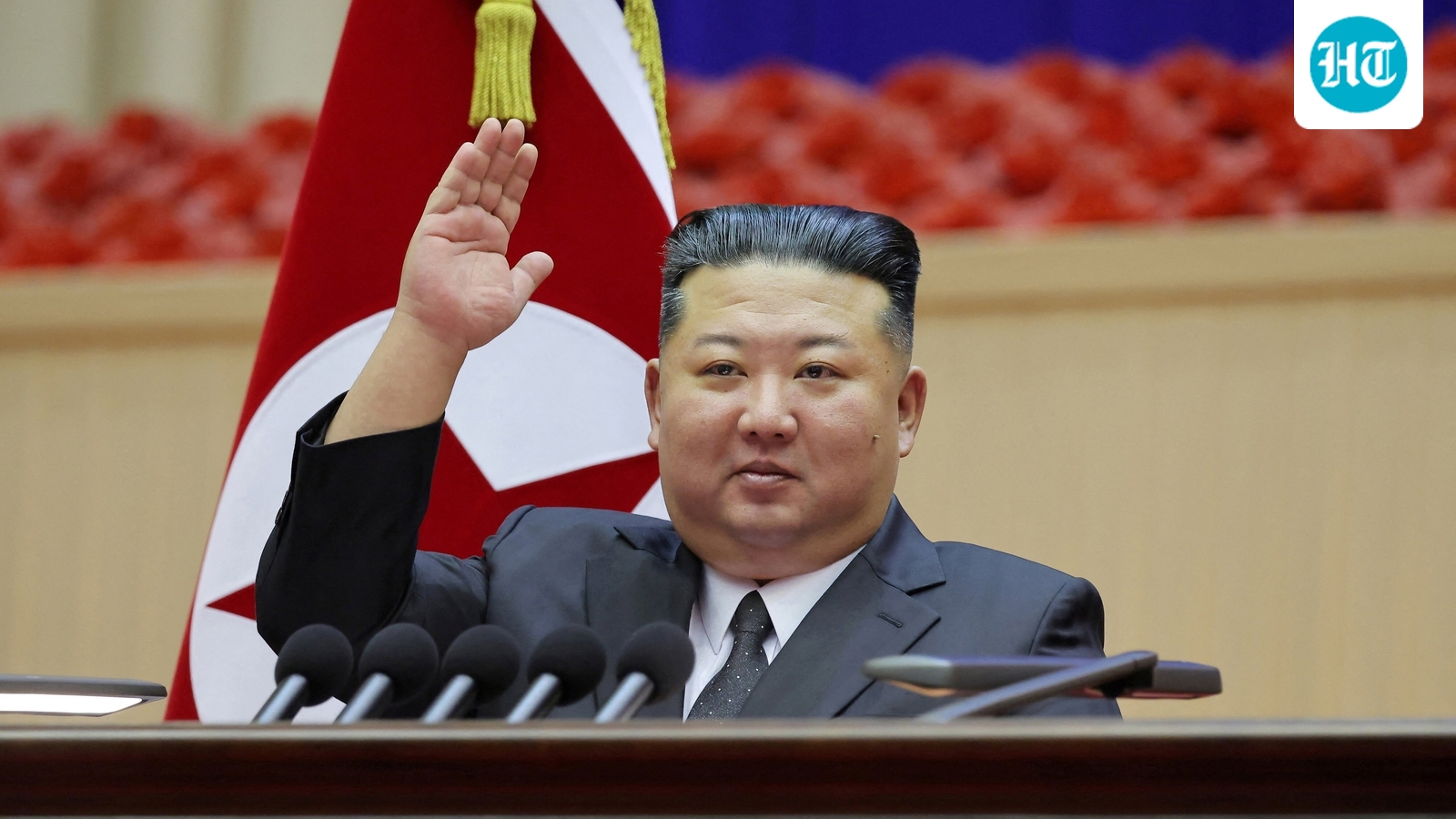 Hindustan TimesThis piece reads center
“visits China to inaugurate new cross-border bridge”
Read the original
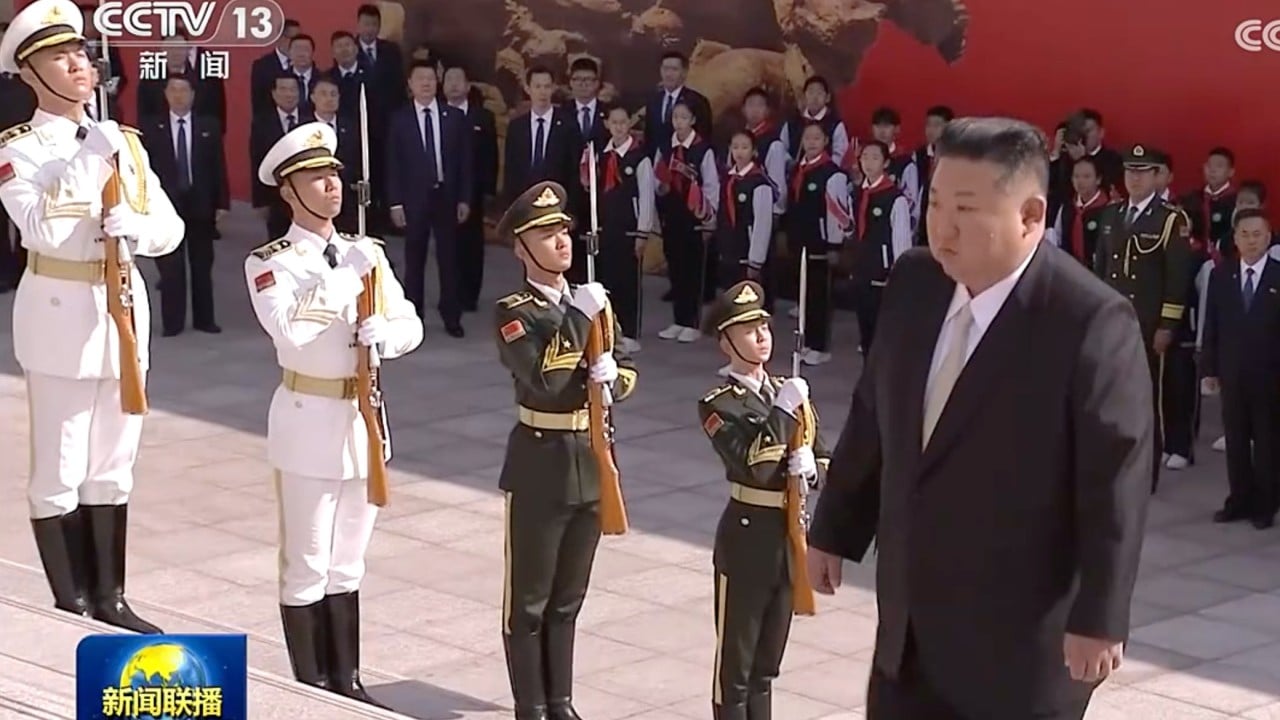 South China Morning PostThis piece reads centerHeadline changed after publishing
Headline changed from: North Korean leader Kim Jong-un visits Chinese border city of Dandong. To: North Korean leader Kim Jong-un pays unexpected visit to Chinese border city of Dandong.
“visited the Chinese border city of Dandong on Saturday”
Read the original- DWnot ratedRead the original
- Die WeltThis piece reads center
“Besuch fällt in eine Phase engerer Beziehungen”
Word choiceDescribes the visit as 'surprising' (überraschend), suggesting the timing or nature was unexpected, whereas English-language outlets present it more straightforwardly as a scheduled diplomatic visit.
Read the original - StuffThis piece reads center-right
“increasingly assertive foreign policy as he seeks to align Pyongyang with”
Word choiceCharacterizes Kim's policy as 'increasingly assertive' and frames the alignment as seeking a united front—language that emphasizes confrontational intent, whereas other outlets simply report the visit and tie-strengthening as factual events.
Read the original


Placements are generated by an AI model from each article’s own headline and summary, and every quotation above is checked to be a real substring of that article before it is published. How this is done
Prism is free and carries no advertising. Support it if it was useful.