U.S. intelligence warns Iran has advanced plots to target American personnel in Middle East
Reported by
A dot shows how that piece reads — Prism rates articles, not outlets, and shows the words behind each placement below. No dot means the piece isn’t rated. How the ratings work
CNN
What happened
The account the coverage agrees on, with contested figures attributed rather than asserted. This is not one of the five framings below — it is the ground they all stand on.
Director of National Intelligence Jay Clayton sent an unclassified memo to Secretary of State Marco Rubio on October 23 warning that Iran has intensified efforts to target U.S. personnel in the Middle East and beyond, with lethal plots reaching "advanced stages." The warning prompted the State Department to reduce staffing at several diplomatic posts in the region.
How the spectrum reads this story
The same event, summarised as five points on the political spectrum would each tend to frame it. These are generated by an AI model and are a starting point, not the last word.
Left
The Trump administration is using selective intelligence warnings to justify military escalation against Iran while simultaneously withdrawing diplomatic staff—a pattern that reduces channels for negotiation and increases the risk of miscalculation. This memo conveniently supports hawkish policy while undermining the diplomacy that might prevent conflict. The timing and framing suggest the administration is building a case for confrontation rather than pursuing de-escalation.
No article in this story reads this way. This is how the position tends to frame events like it — written by a model, not quoted from anyone.
Center-left
While Iran's hostile intentions toward U.S. personnel deserve to be taken seriously, the administration's response raises concerns about balance. Withdrawing diplomats based on threat warnings reduces America's ability to communicate directly with Tehran and may itself be destabilizing. The intelligence should prompt better security measures and diplomatic engagement, not a retreat from the region that could make misunderstandings more likely.
No article in this story reads this way. This is how the position tends to frame events like it — written by a model, not quoted from anyone.
Center
The intelligence warning appears credible and U.S. officials must protect American personnel—that is their first obligation. However, the appropriate response requires careful calibration: enhanced security at diplomatic posts makes sense, but wholesale staff reductions can backfire by limiting communication channels and signaling weakness or panic. The administration should strengthen defenses while maintaining enough diplomatic presence to manage crises and pursue negotiated solutions where possible.
Drawn from 3 articles placed here, below.
Center-right
Iran's escalating plots against Americans represent a serious threat that demands a strong response. The intelligence assessment justifies the State Department's decision to reduce personnel at risk and take defensive measures. This is what happens when adversaries perceive weakness: they test U.S. resolve. The administration is right to take the threat seriously and protect its people, though it should also make clear to Iran that any attack will face severe consequences.
Drawn from 3 articles placed here, below.
Right
Iran has been emboldened by years of weak responses and is now actively plotting to kill Americans. The administration's decision to withdraw vulnerable personnel is overdue prudence. The real question is whether it goes far enough: U.S. policy must make unmistakably clear that Iran will pay a heavy price for any attack on American citizens or interests. Strength and resolve are the only language adversaries understand, and this threat requires more than defensive posturing.
No article in this story reads this way. This is how the position tends to frame events like it — written by a model, not quoted from anyone.
Hear two viewpoints debate it
Pick two viewpoints and Prism writes a short, six-turn exchange about this story in each one’s own voice — steel-manned, no winner declared. Each pairing is written once and then saved for every reader. The voices are AI syntheses of a tradition, not real people.
New pairing — Prism will write it now.
How each outlet covered it
Where Prism places each piece — not the outlet in general — with the words from that piece that put it there, and the photograph the outlet chose. Picking a photo is a framing decision too.
 CNNnot rated
What's left outFocuses on Houthi attacks and U.S. military response rather than the Iranian plots memo that is the central event in other coverage.
Read the original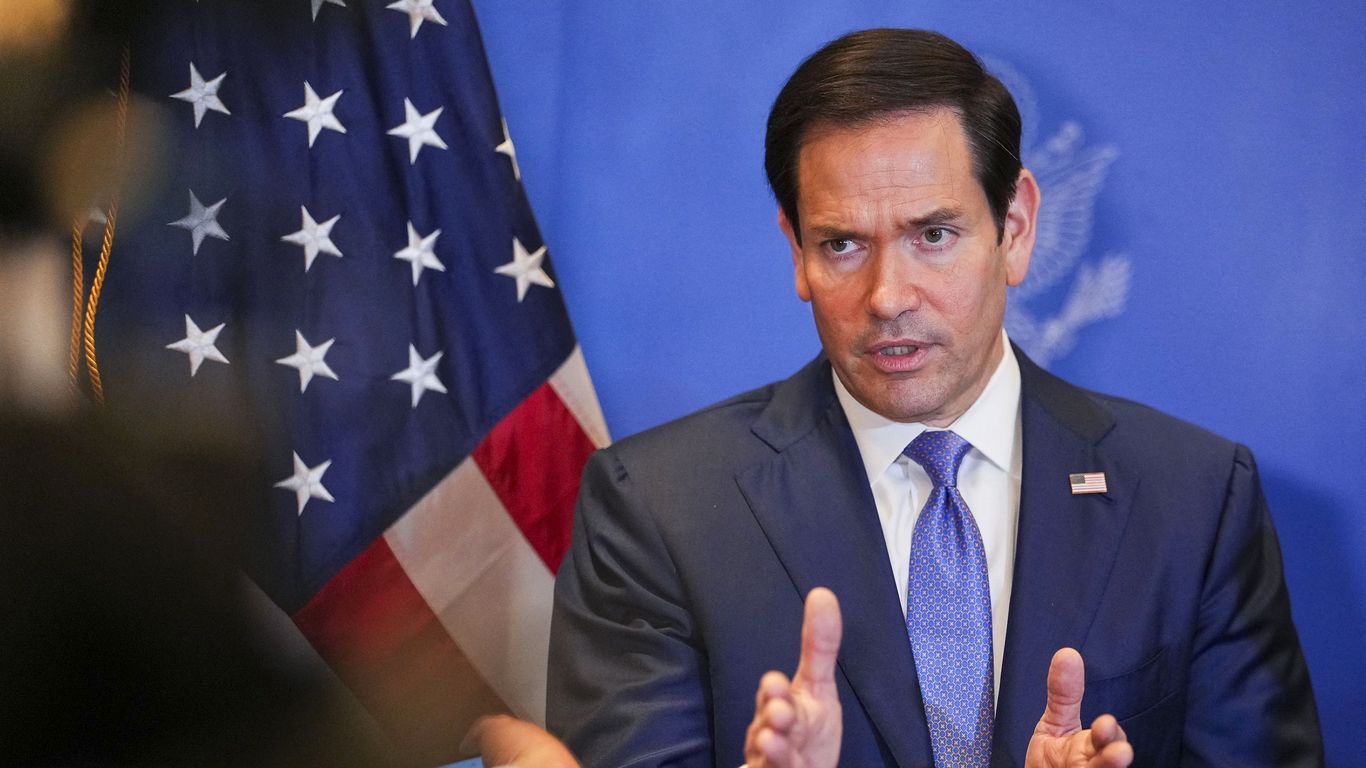 Axiosnot ratedRead the original

 Financial TimesThis piece reads center
“plotting to kill Americans”
FramingAdds context about rising tensions not present in the intelligence memo itself—frames the warning within a broader escalatory narrative.
Read the original
- Al-Monitornot ratedRead the original
- CBS NewsThis piece reads center-right
“war with Iran could last another year”
FramingRefers to a hypothetical military conflict as "war" rather than a potential threat; other outlets discuss intelligence warnings about plots, not an ongoing war.
Read the original  Israel National NewsThis piece reads center-right
“advanced Iranian assassination plots”
Read the original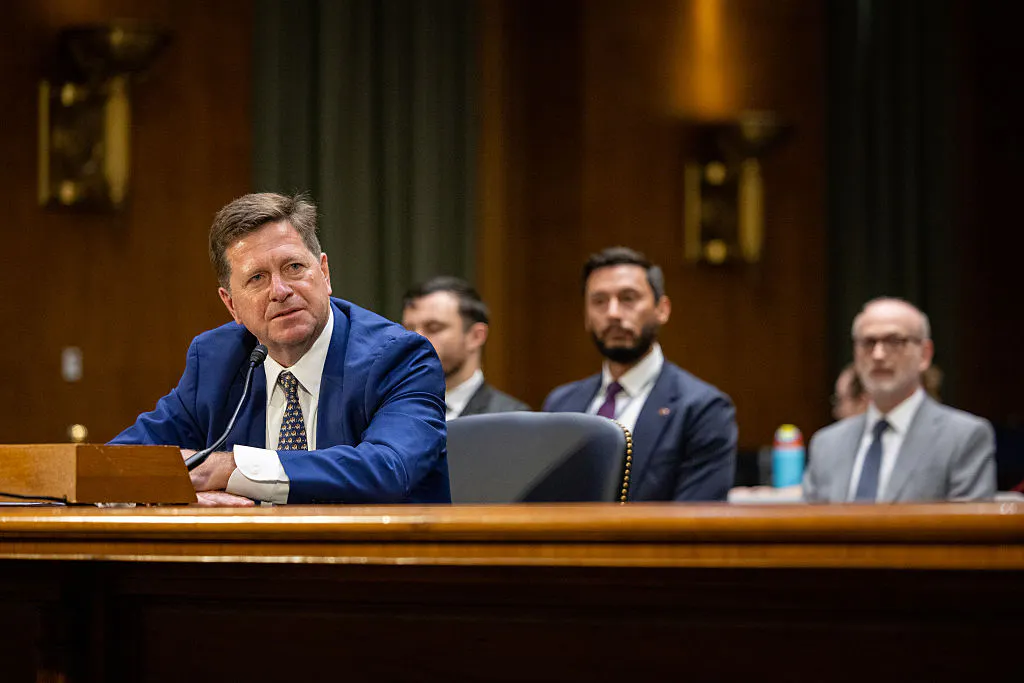 The Daily Wirenot ratedRead the original
Placements are generated by an AI model from each article’s own headline and summary, and every quotation above is checked to be a real substring of that article before it is published. How this is done
Prism is free and carries no advertising. Support it if it was useful.