France deploys 70,000 police officers ahead of weekend protests and potential civil unrest
Reported by
A dot shows how that piece reads — Prism rates articles, not outlets, and shows the words behind each placement below. No dot means the piece isn’t rated. How the ratings work
What happened
The account the coverage agrees on, with contested figures attributed rather than asserted. This is not one of the five framings below — it is the ground they all stand on.
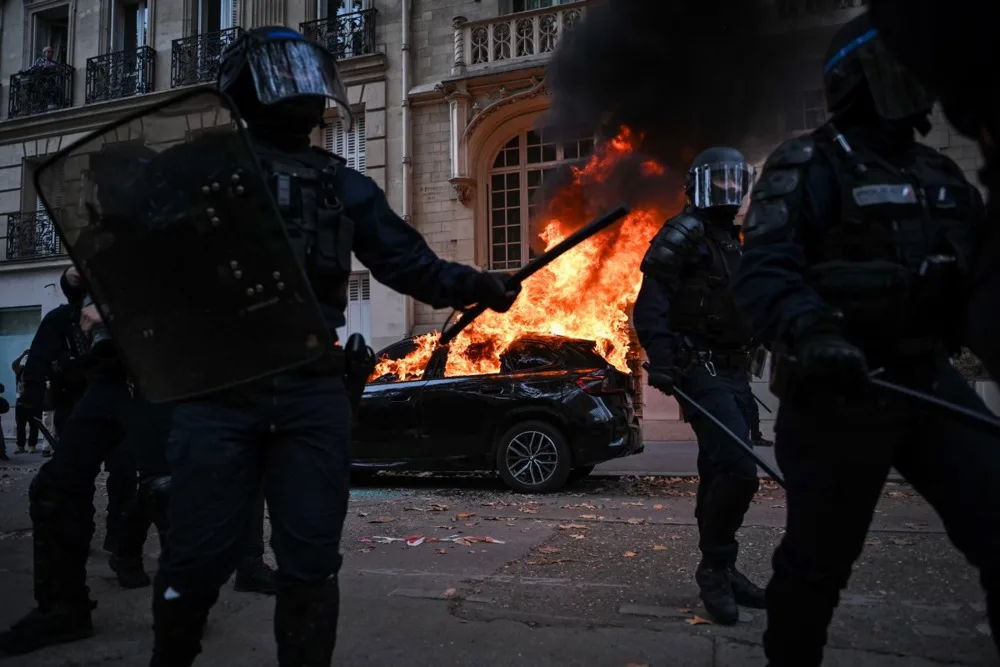
France deployed 70,000 police officers nationwide ahead of expected protests and demonstrations planned for Saturday. Interior Minister Laurent Nunez said authorities would take a hardline stance against those committing violence, looting, and vandalism. The deployment follows rioting the previous week in which protesters set fires, stormed buildings, smashed shop windows, and clashed with police—described by outlets as France's most violent unrest in years. Authorities imposed curfews and gathering restrictions in major cities, and shopkeepers in Lyon and Orléans boarded up storefronts in anticipation of unrest.
How the spectrum reads this story
The same event, summarised as five points on the political spectrum would each tend to frame it. These are generated by an AI model and are a starting point, not the last word.
Left
France's massive police mobilization reflects the government's prioritization of control over addressing the grievances driving protest. The previous week's unrest stemmed from legitimate anger over living costs and economic hardship, yet the response is militarized suppression rather than dialogue or policy change. Boarding up shops and imposing curfews treat working people's legitimate dissent as a security threat, exemplifying how state power protects property and order while ignoring the structural economic failures fueling discontent.
No article in this story reads this way. This is how the position tends to frame events like it — written by a model, not quoted from anyone.
Center-left
While the government must maintain order and protect public safety—and last week's rioting caused real damage and danger—the scale of this police response raises questions about whether it addresses root causes. The deployment is necessary to prevent violence, but authorities should also engage with the substantive concerns about cost of living that motivated the protests. Security measures alone won't resolve the underlying economic frustration driving people into the streets.
No article in this story reads this way. This is how the position tends to frame events like it — written by a model, not quoted from anyone.
Center
France faces a genuine dilemma: managing the real risk of escalating violence while respecting the right to protest. Last week's rioting was serious enough to warrant a strong preventive response, but 70,000 officers and curfews risk inflaming tensions further if they're perceived as heavy-handed. The government's challenge is calibrating force—enough to deter vandalism and looting without appearing to suppress legitimate dissent. Shopkeepers' precautions show the cycle of escalation: fear of unrest leads to visible security measures, which can themselves provoke confrontation.
Drawn from 3 articles placed here, below.
Center-right
France's government is right to act decisively to prevent a repeat of last week's violence. Riots that involve arson, looting, and property destruction are not legitimate protest—they're criminal behaviour that authorities must stop. The 70,000-officer deployment is a proportionate response to demonstrated threat, and Interior Minister Nunez is correct that those committing violence deserve stern consequences. Protecting public order, businesses, and citizens' safety is a core government responsibility that must take precedence over accommodating those bent on mayhem.
Drawn from 2 articles placed here, below.
Right
France's authorities are correct to mobilize force against violent actors and those using protests as cover for looting and destruction. The scale of last week's rioting—arson, storming buildings, smashing windows—demonstrates that some groups view protests as an opportunity for lawlessness rather than civic engagement. The 70,000-officer deployment protects French citizens and businesses from chaos. The government must maintain order and sovereignty within its own borders, and those bent on violence must face serious consequences. Shutting down unrest preserves the rule of law that allows legitimate society to function.
Drawn from 1 article placed here, below.
Hear two viewpoints debate it
Pick two viewpoints and Prism writes a short, six-turn exchange about this story in each one’s own voice — steel-manned, no winner declared. Each pairing is written once and then saved for every reader. The voices are AI syntheses of a tradition, not real people.
New pairing — Prism will write it now.
How each outlet covered it
Where Prism places each piece — not the outlet in general — with the words from that piece that put it there, and the photograph the outlet chose. Picking a photo is a framing decision too.
- Brussels SignalThis piece reads center
“imposing curfews and restricting gatherings in major cities to maintain order”
Read the original - EuronewsThis piece reads center
“businesses fear damage and disruption”
FramingOpens with images of preventive fortification rather than the police deployment itself, emphasizing civilian fear and economic disruption over state response.
Read the original - Toronto SunThis piece reads center
“demonstrations over at the rising cost of living”
Read the original - StuffThis piece reads center-right
“Protests last week devolved into mayhem, with people setting fires, storming”
Read the original 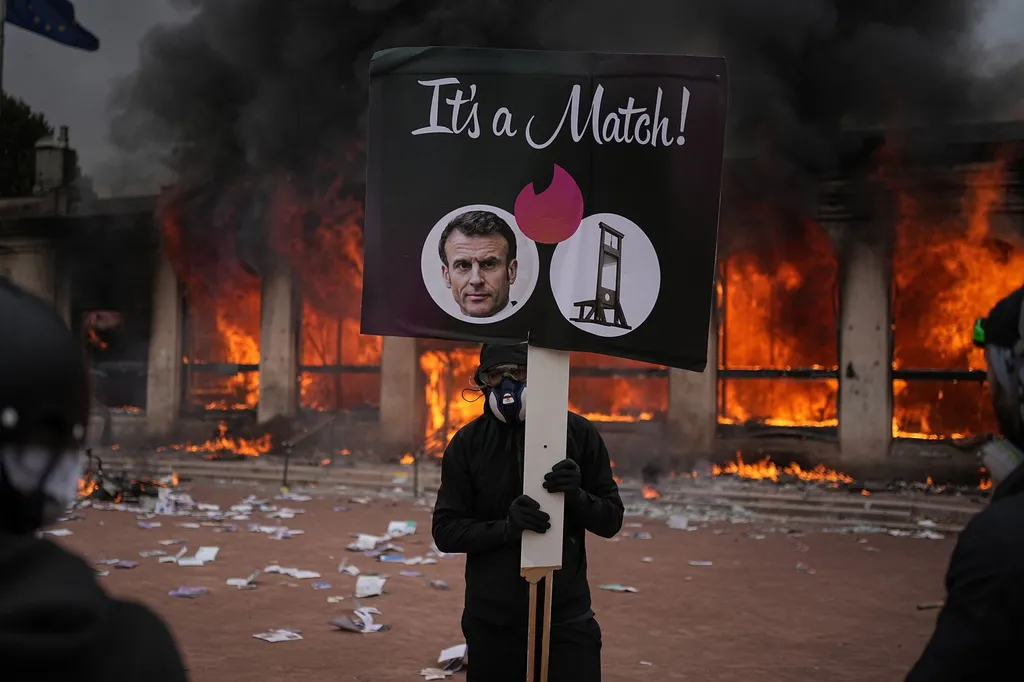 Washington ExaminerThis piece reads center-right
“expected wave of violence”
Word choiceDescribes the anticipated Saturday events as an 'expected wave of violence' before confirming what form the protests will actually take—presumes violence rather than stating it as conditional.
Read the original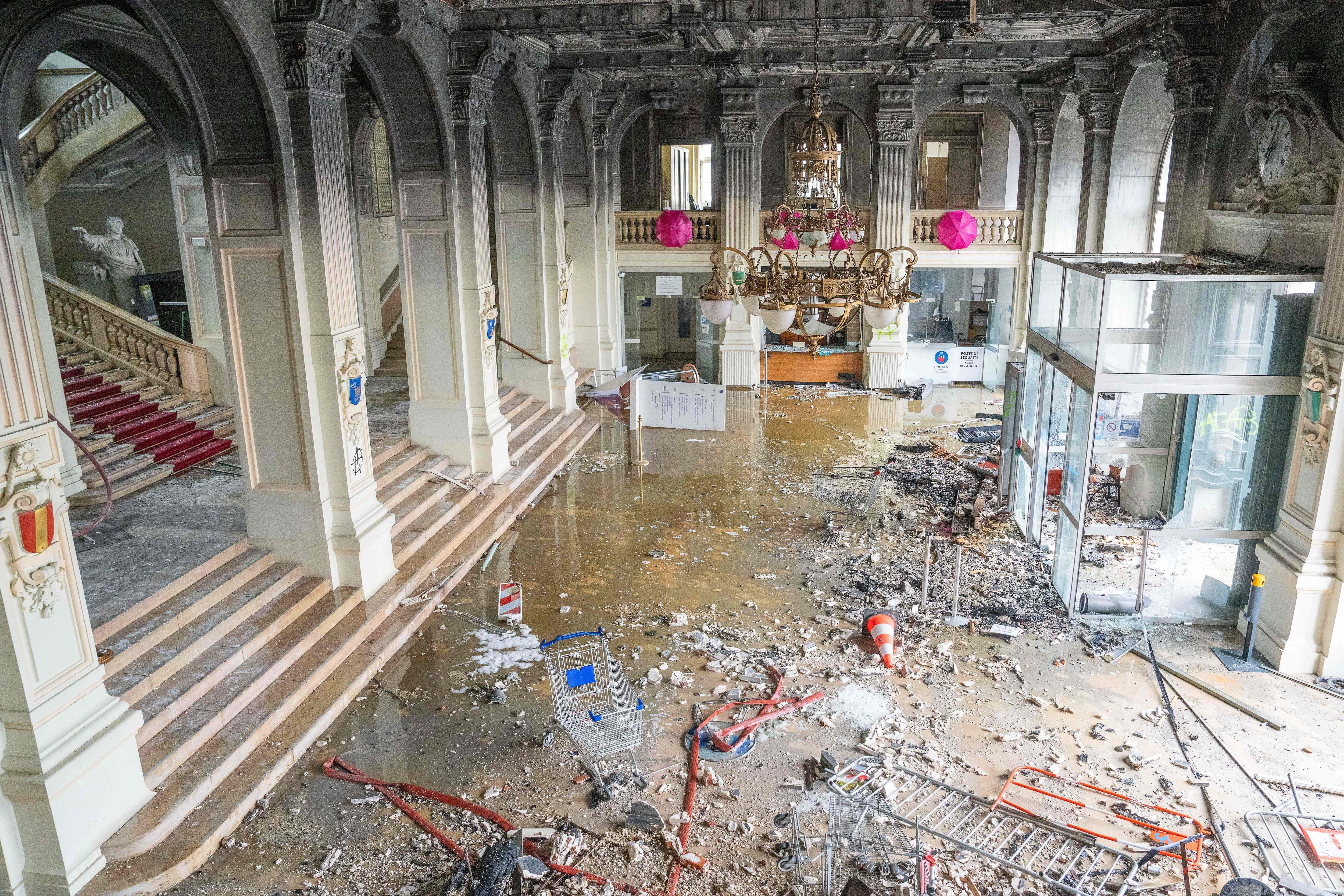 Deseret NewsThis piece reads right
“급진 극좌 세력이 폭력과 약탈을 선동”
What's left outAttributes blame for incitement to 'radical far-left forces' using social media, a characterization other outlets do not make—the others report the rioting as fact without identifying an ideological driver.
Read the original

Placements are generated by an AI model from each article’s own headline and summary, and every quotation above is checked to be a real substring of that article before it is published. How this is done
Prism is free and carries no advertising. Support it if it was useful.