Federal appeals court rejects DOJ's bid to block California mail-in ballots in election challenge
Reported by
A dot shows how that piece reads — Prism rates articles, not outlets, and shows the words behind each placement below. No dot means the piece isn’t rated. How the ratings work
CNN
What happened
The account the coverage agrees on, with contested figures attributed rather than asserted. This is not one of the five framings below — it is the ground they all stand on.
The 9th U.S. Circuit Court of Appeals rejected a Trump administration request in a 2-1 decision Monday evening, declining to order California to set aside 20,000 mail-in ballots. The Justice Department had sought an emergency expedited ruling to segregate ballots from voters the federal government suspects are noncitizens ineligible to vote. The appeals court found it lacked jurisdiction and said the lower-court judge should hear the case first; a hearing is scheduled Tuesday before Judge David O. Carter in Los Angeles.
How the spectrum reads this story
The same event, summarised as five points on the political spectrum would each tend to frame it. These are generated by an AI model and are a starting point, not the last word.
Left
The court properly rejected an unprecedented federal overreach by the Trump DOJ attempting to disenfranchise voters through accusation alone. This effort to suppress mail ballots—a method disproportionately used by minorities and working people—shows how the administration will weaponize election administration to tilt outcomes. The 9th Circuit's refusal to fast-track this injustice is a crucial check on executive power targeting voting rights.
No article in this story reads this way. This is how the position tends to frame events like it — written by a model, not quoted from anyone.
Center-left
The appeals court correctly blocked an emergency administration move that lacked proper legal basis and could have disenfranchised eligible voters without due process. The DOJ's attempt to bypass normal procedures and force California to set aside ballots raises concerns about federal interference in state elections and fundamental fairness to voters. The ruling ensures the case proceeds through proper judicial channels with adequate fact-finding.
Drawn from 2 articles placed here, below.
Center
The appeals court applied standard jurisdictional limits by declining emergency intervention and letting the lower court proceed with the full case. This approach balances respect for both federal election concerns and state administration authority while ensuring disputes get thorough judicial review rather than rushed rulings. Allowing the trial judge to weigh the evidence before any ballots are handled protects all parties' interests.
Drawn from 6 articles placed here, below.
Center-right
The 9th Circuit's decision delays necessary election security measures on a technicality. Federal authorities have legitimate concerns about noncitizen voting on a list of 20,000 suspected ineligible voters, and the administration properly sought swift action to protect election integrity. While the court's jurisdictional reasoning may be legally sound, the delay means these ballots may be counted without proper verification, undermining confidence in the result.
Drawn from 2 articles placed here, below.
Right
The appeals court obstructed the DOJ's effort to enforce election integrity by blocking ballots from noncitizens. California's failure to remove ineligible voters from its rolls is an ongoing problem, and the administration's attempt to segregate questionable ballots for verification was a reasonable safeguard. The court's refusal to act expeditiously leaves potentially illegal votes in the system and weakens faith in election security.
No article in this story reads this way. This is how the position tends to frame events like it — written by a model, not quoted from anyone.
Hear two viewpoints debate it
Pick two viewpoints and Prism writes a short, six-turn exchange about this story in each one’s own voice — steel-manned, no winner declared. Each pairing is written once and then saved for every reader. The voices are AI syntheses of a tradition, not real people.
New pairing — Prism will write it now.
How each outlet covered it
Where Prism places each piece — not the outlet in general — with the words from that piece that put it there, and the photograph the outlet chose. Picking a photo is a framing decision too.
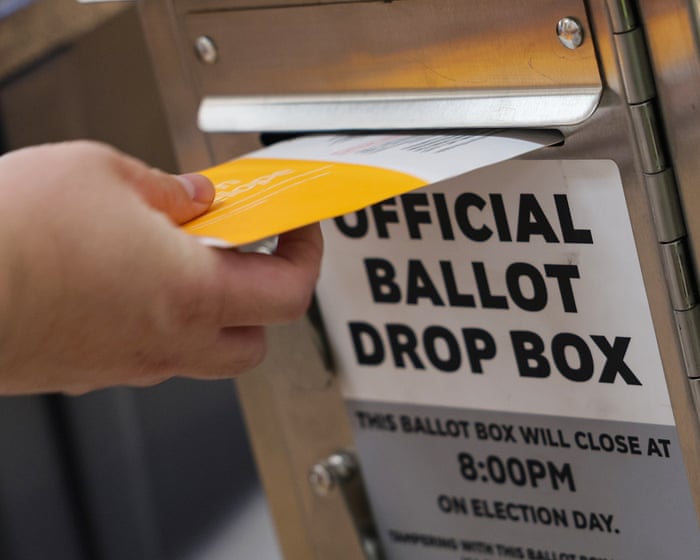 The GuardianThis piece reads center-left
“Court blocks bid by Trump DoJ to stop California from counting”
FramingFrames the decision as an affirmative "block" of the DOJ's action—suggesting a protective ruling—where other outlets describe it as the court declining to intervene or rejecting a request, which is more neutral.
Read the original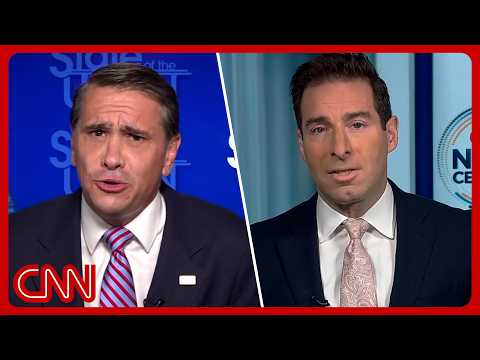 CNNThis piece reads center-left
“no legal relevance' to intervene in Alaska and California's elections”
FramingFrames the legal issue as a lack of "relevance" to federal authority rather than describing the court's jurisdictional reasoning, and discusses Alaska's election alongside California despite this being specifically about California ballots.
Read the original NYTThis piece reads center
“Appeals Court Declines to Intervene in California Ballot Lawsuit”
Read the original

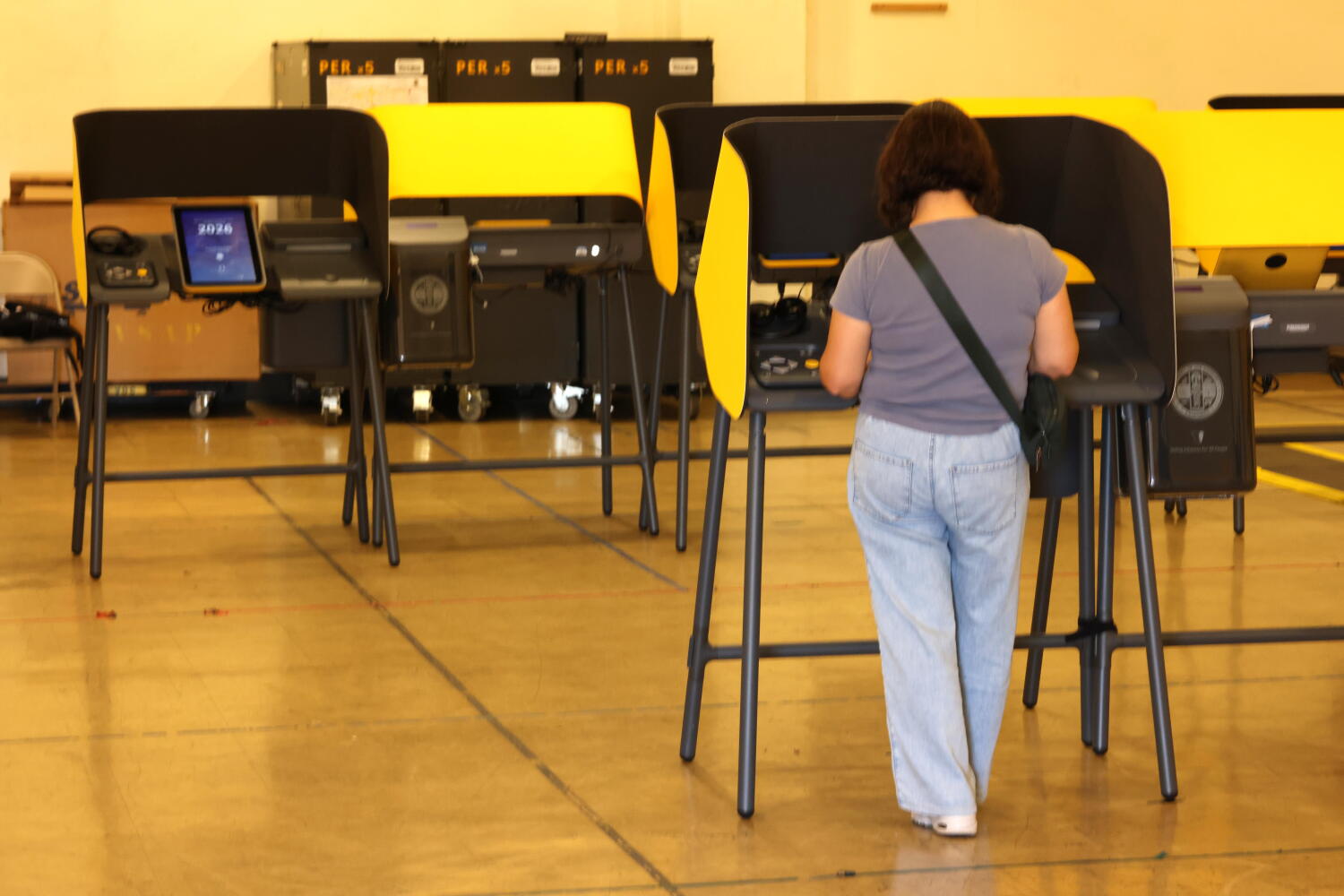 LA TimesThis piece reads center
“decision clears the way for the lower court to proceed”
Read the original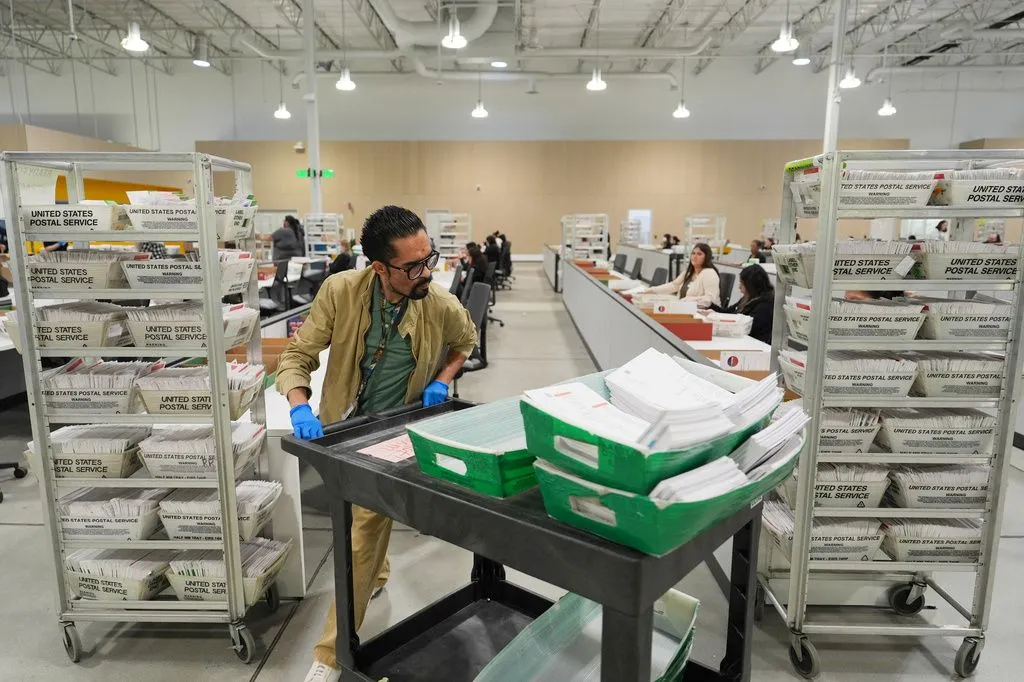 Washington ExaminerThis piece reads center-right
“suspects are noncitizens or illegal immigrants ineligible to vote”
Word choiceSpecifies the government suspects voters are "noncitizens or illegal immigrants," adding explicit characterization beyond the simpler "noncitizens" most outlets use, which emphasizes the immigration aspect of the controversy.
Read the original The Center SquareThis piece reads center-right
“feds' latest effort to regulate California elections”
Word choiceUses "regulate" rather than "intervene in" or "manage," which carries a connotation that the DOJ is overstepping into state authority, a framing other outlets avoid.
Read the original
Placements are generated by an AI model from each article’s own headline and summary, and every quotation above is checked to be a real substring of that article before it is published. How this is done
Prism is free and carries no advertising. Support it if it was useful.