Lula wins Brazil's presidential election, defeats Bolsonaro in tight runoff
Reported by
A dot shows how that piece reads — Prism rates articles, not outlets, and shows the words behind each placement below. No dot means the piece isn’t rated. How the ratings work
What happened
The account the coverage agrees on, with contested figures attributed rather than asserted. This is not one of the five framings below — it is the ground they all stand on.
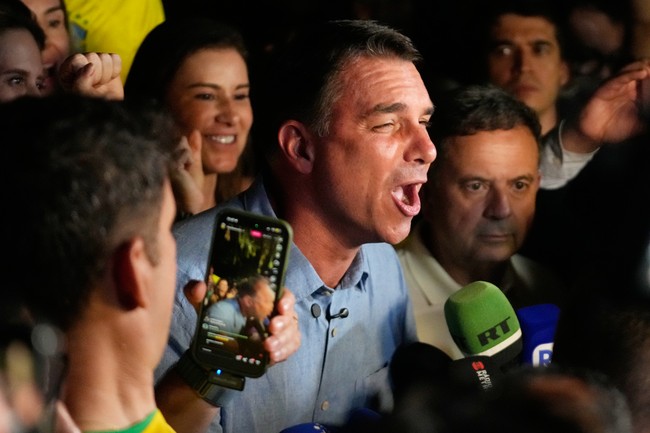
Luiz Inácio Lula da Silva won Brazil's presidential runoff election on Sunday, securing a record fourth term after losing the first round. He defeated Flávio Bolsonaro, son of former President Jair Bolsonaro, by 4 million votes according to Democracy Now. Bolsonaro immediately refused to concede and demanded the results be annulled, citing last-minute confusion at polling places where voting was extended by two hours. Brazil's stock market halted after a 10% drop following the announcement. Lula's victory came despite predictions of a right-wing victory and amid international appeals for governments to recognize the results.
How the spectrum reads this story
The same event, summarised as five points on the political spectrum would each tend to frame it. These are generated by an AI model and are a starting point, not the last word.
Left
Lula's victory represents a decisive rejection of far-right authoritarianism and a blow to Trump's efforts to install a sympathetic government in Latin America. The win halts a regional rightward drift and demonstrates popular resistance to coup-plotting and antidemocratic movements. Bolsonaro's refusal to concede and his father's ongoing house arrest for plotting a coup reveal the stakes: this election was a fight for democratic survival itself against forces backed by foreign reactionary powers.
Drawn from 2 articles placed here, below.
Center-left
Lula's comeback victory after losing the first round shows voters ultimately rejected the far-right alternative, rewarding his mobilization and messaging. However, Bolsonaro's immediate refusal to concede and calls for annulment are concerning signs for democratic norms in Brazil. The election's narrow margin and the chaos surrounding polling-place procedures suggest the country remains deeply polarized and vulnerable to further institutional strain.
Drawn from 3 articles placed here, below.
Center
Brazil's electorate has spoken narrowly in Lula's favor, and democratic procedures must be respected—the results should be certified and normal constitutional order maintained. That said, Bolsonaro's refusal to concede reflects genuine divisions in the country that won't disappear with one election. Market volatility shows investor anxiety about fiscal policy under Lula. Both sides' commitment to institutional rules and acceptance of outcomes matters more now than the margin of victory.
Drawn from 8 articles placed here, below.
Center-right
Lula's victory is disappointing for those seeking fiscal restraint, as markets immediately signaled concern about his willingness to tackle Brazil's budget deficit. Bolsonaro's refusal to concede is troubling and undermines democratic stability, but the narrowness of the result and first-round loss show that support for the left is fragile. Brazil's economic challenges remain severe, and Lula's track record on spending discipline is weak—these tensions will shape his term.
Drawn from 3 articles placed here, below.
Right
Despite right-wing momentum across Latin America, Lula managed to eke out a narrow victory through intensive mobilization after a first-round setback. Bolsonaro's refusal to accept results is regrettable but reflects justified concerns about voting irregularities and procedural chaos. Lula's return to power poses risks to property rights, fiscal discipline, and Brazil's business environment. The result shows that even as conservatism gains ground globally, established leftist machines retain organizational advantages.
No article in this story reads this way. This is how the position tends to frame events like it — written by a model, not quoted from anyone.
Hear two viewpoints debate it
Pick two viewpoints and Prism writes a short, six-turn exchange about this story in each one’s own voice — steel-manned, no winner declared. Each pairing is written once and then saved for every reader. The voices are AI syntheses of a tradition, not real people.
New pairing — Prism will write it now.
How each outlet covered it
Where Prism places each piece — not the outlet in general — with the words from that piece that put it there, and the photograph the outlet chose. Picking a photo is a framing decision too.
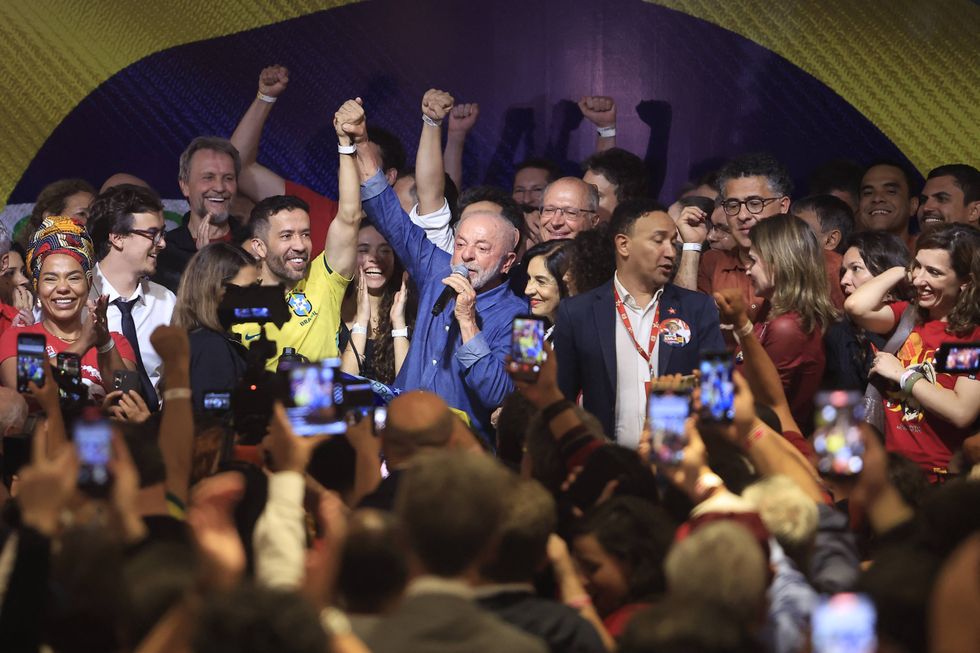 Common Dreamsnot rated
FramingExplicitly links Bolsonaro's refusal to concede to fears of violence and coup, whereas other outlets report the refusal without stating such consequences as factual outcomes.
Read the original Mother JonesThis piece reads left
“Blocks Trump's Push for a Far-Right Brazil”
FramingFrames the election as a direct response to Trump administration efforts, whereas other outlets report the result without claiming Trump was actively pushing for Bolsonaro's victory.
Read the original Democracy Nownot ratedRead the original
- BloombergThis piece reads center-left
“halting a right-wing wave sweeping Latin America and defying predictions”
FramingCharacterizes Lula's win as blocking a regional trend, whereas most outlets simply report the result without interpreting its significance against continental patterns.
Read the original  Financial TimesThis piece reads center-left
“blow to Trump's plan for greater US influence in Latin America”
FramingExplicitly attributes market concerns to investor expectations about fiscal policy, grounding market reaction in a specific economic judgment rather than leaving it unexplained.
Read the original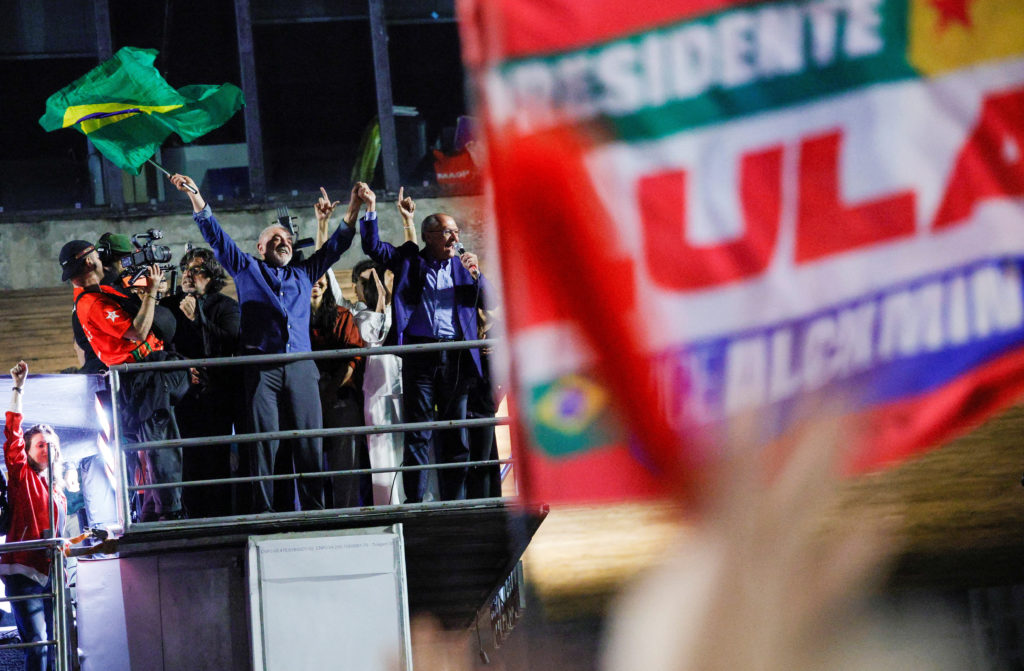 PBS NewsHournot ratedRead the original
 CBC Newsnot ratedRead the original
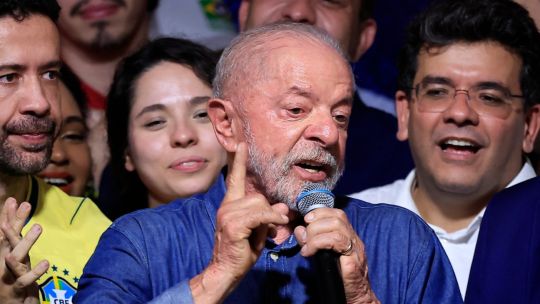 Buenos Aires TimesThis piece reads center-left
“first person to win a presidential run-off after losing the first round”
Read the original- RedStateThis piece reads center
“Bolsonaro Refuses to Concede After Last-Minute Confusion at Polls”
Read the original 
- The EconomistThis piece reads center
“Lula's surprise win”
Word choiceDescribes Lula's victory as a surprise, using language that emphasizes unexpectedness—a judgment call other outlets make less central to their framing.
Read the original  Straight Arrow NewsThis piece reads center
“Lula wins fourth term, Bolsonaro refuses to concede”
Read the original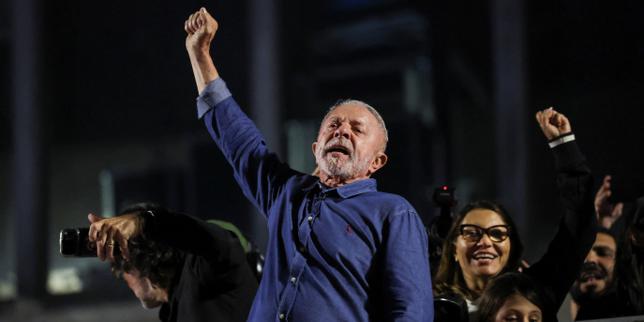 Le MondeThis piece reads center
“Lula defeats Bolsonaro, winning fourth presidential term”
Read the original- The American ConservativeThis piece reads center-right
“The results mark a setback for the rising Latin American right”
Read the original  RealClearPoliticsThis piece reads center-right
“even as the right has gained ground”
Read the original
Placements are generated by an AI model from each article’s own headline and summary, and every quotation above is checked to be a real substring of that article before it is published. How this is done
Prism is free and carries no advertising. Support it if it was useful.