Russian and Ukrainian officials are meeting in Abu Dhabi on Tuesday for two days of US-brokered talks—their first since February. President Trump said last week a broad peace deal was possible. Ukraine's President Zelenskiy said on Monday that Ukrainian battlefield successes and mounting Russian losses strengthen Kyiv's negotiating position.
From the center: Talks resuming after nine months is positive; both sides have incentives to negotiate given war fatigue and costs. However, fundamental disagreements persist on security guarantees and territorial questions. Trump's involvement brings unpredictability—his eagerness for a deal could either unlock compromise or create pressure on Ukraine to concede too much. Europe's exclusion by the Kremlin is concerning but reflects Russia's preference for bilateral superpower diplomacy. The talks are worth pursuing, but expectations should be modest; breakthrough solutions to four-year conflicts are rare, and the sticking points haven't moved.
California voters rejected Proposition 40, a ballot measure that would have imposed a one-time 5% tax on the wealth of residents with net worth exceeding $1 billion, with most revenue directed to replace federal healthcare funding cuts.
From the center: Proposition 40's defeat reflects genuine uncertainty about wealth taxes: supporters saw a fair way to fund healthcare while limiting inequality, opponents worried about economic harm and enforcement. The split among Democrats and the record spending on opposition ads suggest Californians wanted more debate before embracing such a novel policy, and that future tax measures may need broader consensus and clearer evidence of benefit to succeed.
Drawn from 4 articles placed here, below.
No ads, no paywall
Prism is free to read and carries no advertising. Reader support pays for the news gathering. Support it if it’s useful to you.
The Senate on Monday advanced bipartisan legislation to speed up permitting reviews for infrastructure projects including datacenters, pipelines, power lines, and other energy infrastructure. The bill, called the Bipartisan American Affordability and Jobs Act (Baaja), cleared a procedural hurdle with some Democratic and Republican opposition.
From the center: Infrastructure permitting has genuinely become too slow, creating real costs and delays across sectors. This bill attempts a pragmatic fix by streamlining process without eliminating review—a reasonable middle ground. The fact that it's bipartisan suggests both sides recognize the problem. Environmental concerns deserve attention, but they shouldn't paralyze every project; the question is whether this particular compromise struck the right balance.
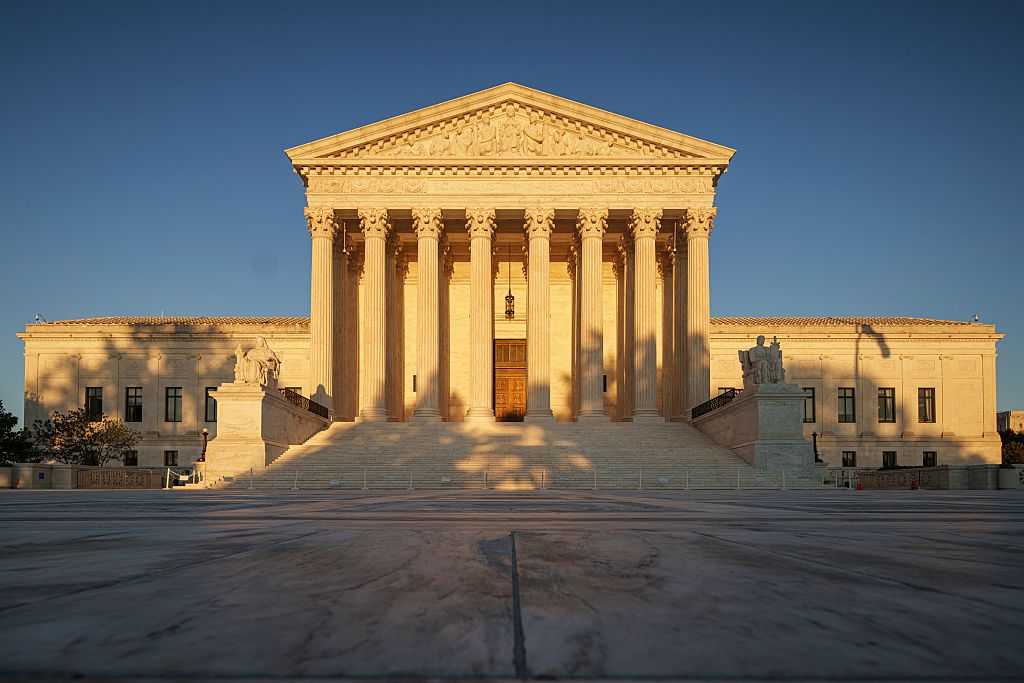
The Supreme Court on Monday ruled 8-1 that the Trump administration can continue construction of a border wall in the Big Bend region of Texas. The court lifted a previous court order blocking the project. The more than 500-mile stretch includes a barrier wall, roads, cameras, vehicle barriers and sensors planned in and around Big Bend National Park.
From the center: The Supreme Court weighed competing government interests—border security and environmental protection—and found that national security concerns outweigh the environmental and recreational harms alleged by opponents. The ruling allows construction to proceed while legal challenges continue, a pragmatic middle-ground approach. The fact that one justice dissented and the administration says it adjusted plans to minimize landscape damage suggests genuine disagreement about how to balance these legitimate but conflicting priorities.
President Trump said on Monday that further US military strikes against Iran are unlikely and not currently necessary, though he emphasized the US remains "locked and loaded" if circumstances change. Trump met with Qatar's prime minister to discuss ceasefire strategies. Qatar and Saudi Arabia have appealed to the US to avoid new attacks.
From the center: Trump's shift toward holding back on military action reflects both domestic pressure—Americans are tired of open-ended conflicts—and regional diplomacy working as it should. His comments are credible because he built credibility through willingness to use force; now he's using that leverage for restraint. The uncertainty about what happens next is troubling, though. De-escalation without clear terms risks being temporary. The real test is whether this pause becomes a platform for genuine negotiations or simply delays the next cycle.
President Trump posted on Truth Social questioning the integrity of the November 3 midterm elections, claiming early vote tallies were impossibly large and suggesting voting machines were manipulated. This reversal came after he initially said he would accept the Democratic midterm results. Trump provided no evidence for the claims.
From the center: Trump went back on his initial acceptance of the midterm results to question their integrity without offering evidence—a move that fits his pattern of contesting elections that don't favor him. While his claims lack foundation, the episode highlights how election disputes, whether frivolous or serious, erode public trust. The results should be certified and accepted while vulnerabilities in election administration deserve ongoing attention across the board.
French Foreign Minister Jean-Noël Barrot accused Iran's Islamic Revolutionary Guard Corps of carrying out cyberattacks on refrigeration systems at supermarkets in France last month. According to the French government, 700 food distribution sites were affected. The attacks destroyed food and triggered fires. Paris prosecutors have opened an investigation.
From the center: France has credibly attributed a significant cyberattack to Iran's Revolutionary Guards based on evidence warranting a serious response, but the appropriate channel is measured diplomatic pressure through EU mechanisms rather than immediate escalation. Both France's security concerns and the risks of tit-for-tat cyber conflict are real; the goal should be deterrence through unified Western coordination, not a cycle of retaliation that harms ordinary citizens.
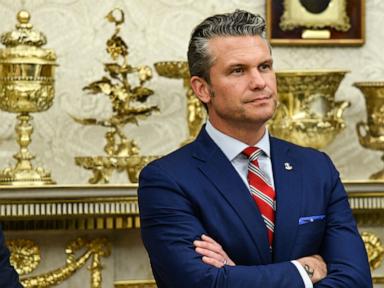
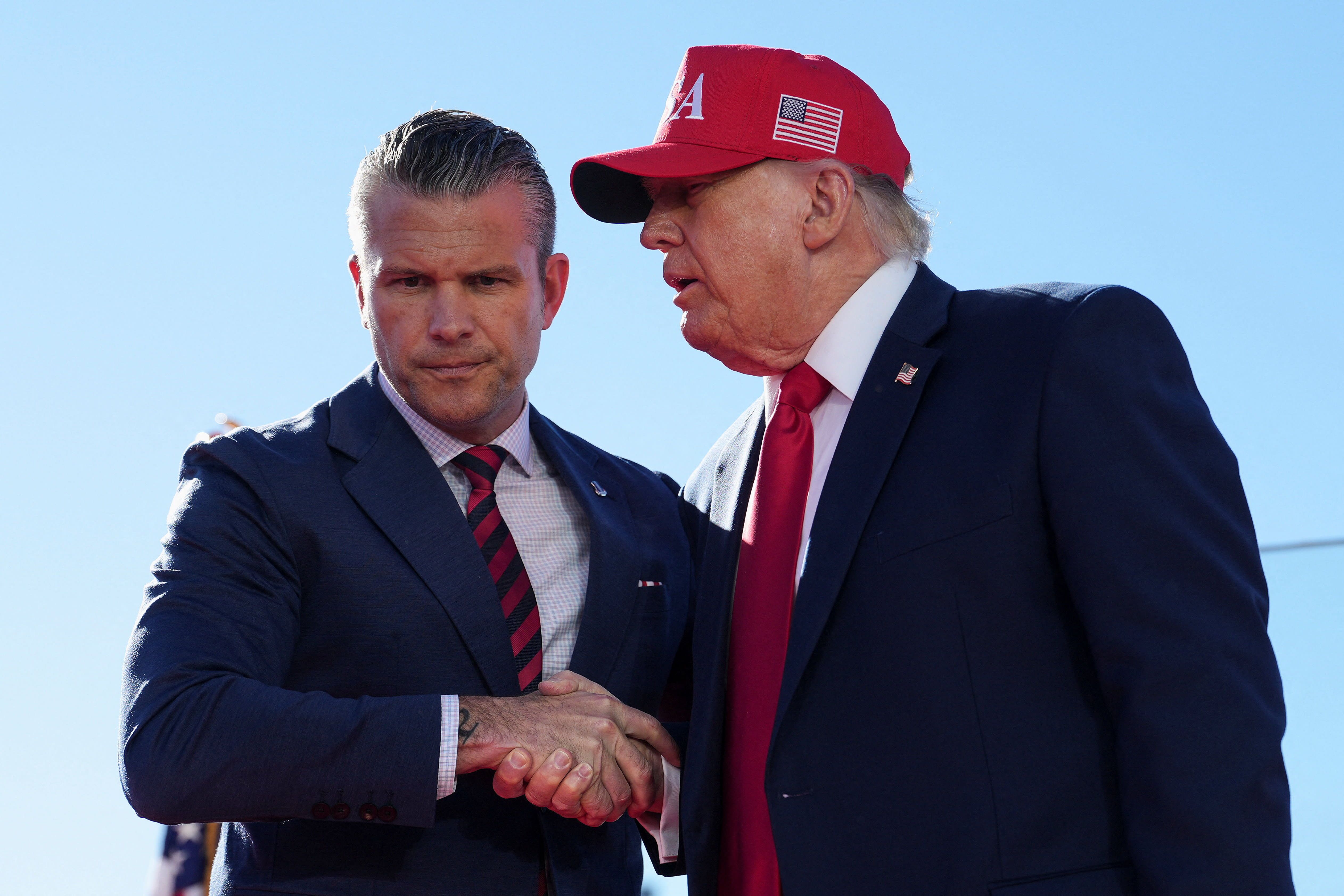
Rep. Thomas Massie (R-Ky.) introduced updated impeachment articles against Defense Secretary Pete Hegseth on Monday, with an impeachment vote expected in the House as early as this week. Hegseth said Tuesday he is "not worried" about the effort and plans to hold a press conference to defend his record on Iran and Venezuela policy.
From the center: The impeachment effort is primarily a procedural move by Massie that acknowledges concerns about Hegseth but faces long odds in a Republican-controlled House. It serves as a pressure valve for dissent without requiring Republicans to break ranks on a doomed vote. The real question is whether Hegseth can function effectively as Defense Secretary given the attention this has drawn, and whether Trump will continue to back him or replace him for practical reasons—his defiant stance may satisfy Trump's base but compounds management problems.
Rep. Thomas Massie introduced eight articles of impeachment against Defense Secretary Pete Hegseth, charging him with waging illegal wars, engaging in extrajudicial killings, and suppressing free speech. Rep. Hakeem Jeffries indicated support for removal. Hegseth said he is not worried about the impeachment effort. One source stated there is a significant chance that one or more articles will be approved.
From the center: Massie's impeachment effort puts pressure on both parties to address specific allegations about Hegseth's conduct, though success remains uncertain. The charges are serious enough to warrant examination, but impeachment is an extreme remedy that should be reserved for clear breaches. Jeffries's support is notable but may represent isolated backing rather than a coalition for removal. The outcome will depend on whether these particular articles can clear the high bar impeachment requires, and whether the House views them as meeting that standard.
Secretary of State Marco Rubio said U.S.-Iran peace talks are unproductive and called Tehran's demands unrealistic and outrageous. Trump remains open to a diplomatic deal, but Rubio indicated a nuclear agreement is not close, citing persistent distrust between the parties.
From the center: Both sides are far apart on core issues, with Rubio signaling skepticism about near-term progress while Trump keeps diplomatic channels open—a pragmatic hedging of bets. The real question is whether either party is willing to make substantive concessions; without that, talks will remain stuck regardless of who calls whose demands unreasonable.
European officials will attend talks on Ukraine this week in Abu Dhabi, France announced, in the first three-way negotiations involving the U.S., Russia, and Ukraine since February. French Foreign Minister Jean-Noël Barrot said Europeans would be "well represented" but did not name specific attendees.
From the center: The expansion of talks to include Europe alongside the U.S., Russia, and Ukraine is a procedural improvement—it brings more voices to the table and tests whether diplomatic channels remain open. The timing and limited expectations suggest both sides are willing to explore options without committing to major compromises. Whether this leads anywhere depends on whether the parties have actually shifted positions since February.
House Minority Leader Hakeem Jeffries said on Sunday he is a "hard yes" on impeaching Defense Secretary Pete Hegseth, signaling strong Democratic backing for a new impeachment effort. House Democrats plan to discuss the potential resolution on November 10. The Pentagon responded that Hegseth would not be deterred by "phony investigations."
From the center: House Democrats are moving toward an impeachment effort against Hegseth, with Jeffries publicly endorsing it. The Pentagon dismisses these efforts as politically motivated. Whether impeachment serves legitimate accountability or becomes a partisan tool depends on the specific charges and evidence Democrats present—and whether any Republican votes indicate the case has merit beyond party lines.
Israeli President Isaac Herzog tasked opposition leader Gadi Eisenkot with forming the next government on Sunday, following Herzog's consultations with lawmakers. Eisenkot, chairman of the Yashar! party and a former military chief, is expected to seek backing from 56 lawmakers according to Ynetnews, compared to 46 for Prime Minister Benjamin Netanyahu.
From the center: Eisenkot's mandate reflects the voters' message that the current political arrangement is unsustainable, but forming a stable government will test everyone's commitment to compromise. The math is tight—he needs support from fractious parties with conflicting interests, and excluding Netanyahu entirely carries risks of destabilization. A pragmatic approach would find room for Netanyahu if it serves stability, while setting clear limits on his role. The real work is persuading Haredi parties and others to prioritize governance over narrow interests. Success requires all sides to treat this as an opportunity to reset, not as a prelude to revenge.
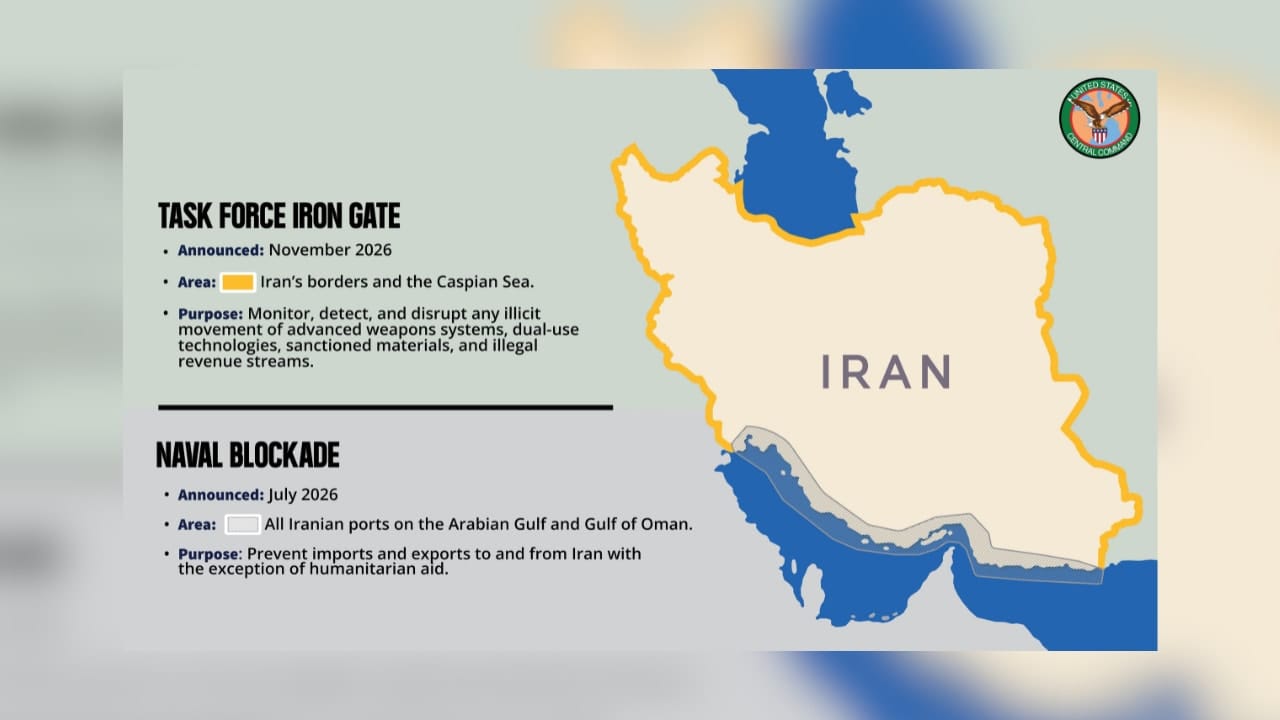
President Trump said renewed strikes on Iran are "highly unlikely" if peace talks over Iran's nuclear program and the Strait of Hormuz show progress. Trump announced a U.S. military task force called "Iron Gate" to restrict weapons and supplies entering Iran by land. Secretary of State Rubio said Iranian demands in talks are "unacceptable" and that talks have made no progress.
From the center: Trump is attempting to manage a difficult conflict by holding two threads at once—offering negotiators a path forward while maintaining military and economic pressure as leverage. Whether this balance works depends on whether Iran's demands can actually narrow enough to allow a deal and whether escalatory incidents like the explosions at Qeshm Island can be prevented from derailing talks. The clarity of each side's red lines remains unclear.
President Donald Trump offered the position of White House press secretary to UFC president and CEO Dana White on Saturday via Truth Social, asking him to take the job. White was at a boxing event in London at the time. BBC reported it was unclear how genuine the offer was, though White later said he would travel to Washington to meet with Trump. The Daily Caller reported that White declined the position.
From the center: Trump made an unusual and informal offer of the press secretary job to Dana White via social media while the White House is undergoing staff changes following electoral setbacks. The unconventional nature of the offer—its casualness, the public announcement, and White's apparent initial openness despite later declining—illustrates how political norms continue to shift in ways that confound traditional expectations about how such positions are filled.
Israeli President Isaac Herzog tasked opposition leader Gadi Eisenkot with forming a government on Saturday after 67 Knesset members recommended him. Eisenkot, chairman of the Yashar party, has 28 days to assemble a coalition, with a possible 14-day extension. He does not plan to hold a swearing-in ceremony until after the Knesset speaker is replaced next week, even if he forms a government before then.
From the center: Herzog has formally handed the mandate to Eisenkot, the procedurally correct step after sufficient Knesset support. Whether this leads to actual government formation depends on whether Eisenkot can broker deals across Israel's competing factions without either side making unreasonable demands. The 28-day window is tight; the real test is whether political actors prioritize governance over deadlock, and whether the public actually supports the compromises a working coalition requires.
On Saturday, November 8, explosions were reported in southern Iran; Iranian state media said officials had not confirmed missile strikes on Iranian territory. The US military said it struck a cargo ship flying a St. Kitts and Nevis flag in the Gulf of Oman after the vessel violated a naval blockade by attempting to leave an Iranian port, firing precision munitions at its stern according to CENTCOM.
From the center: Both Iran and the US are engaged in tit-for-tat measures in the Gulf region, with the US enforcing a naval blockade and now a broader task force to restrict Iranian trade and weapons transit, while Iran has closed passage through the Strait of Hormuz and reported incidents involving ships. The strike on the cargo vessel reflects CENTCOM's enforcement of blockade rules; the explosions in Iran's south remain disputed as to their cause. A new coordinated task force suggests the US commitment to sustained pressure, while Iranian dismissals suggest Tehran views these steps as manageable. The real risk is that commercial shipping becomes collateral in an escalating standoff.
The U.S. military announced the creation of Task Force Iron Gate, based in Tampa, Florida, to disrupt Iran's land and maritime transport of advanced weapons systems and sanctioned materials across land borders and the Caspian Sea. The task force will coordinate with other U.S. government agencies and involves approximately 20 personnel.
From the center: The U.S. military has established a new task force to supplement its naval blockade with land-based enforcement against Iranian weapons transport and sanctioned commerce. The initiative involves about 20 personnel coordinating across agencies from a Tampa base, representing a measured expansion of existing restrictions rather than a dramatic escalation. The blockade has reportedly prevented significant crude oil exports, though the practical effectiveness of adding a land component and whether military force will be used remain unclear.
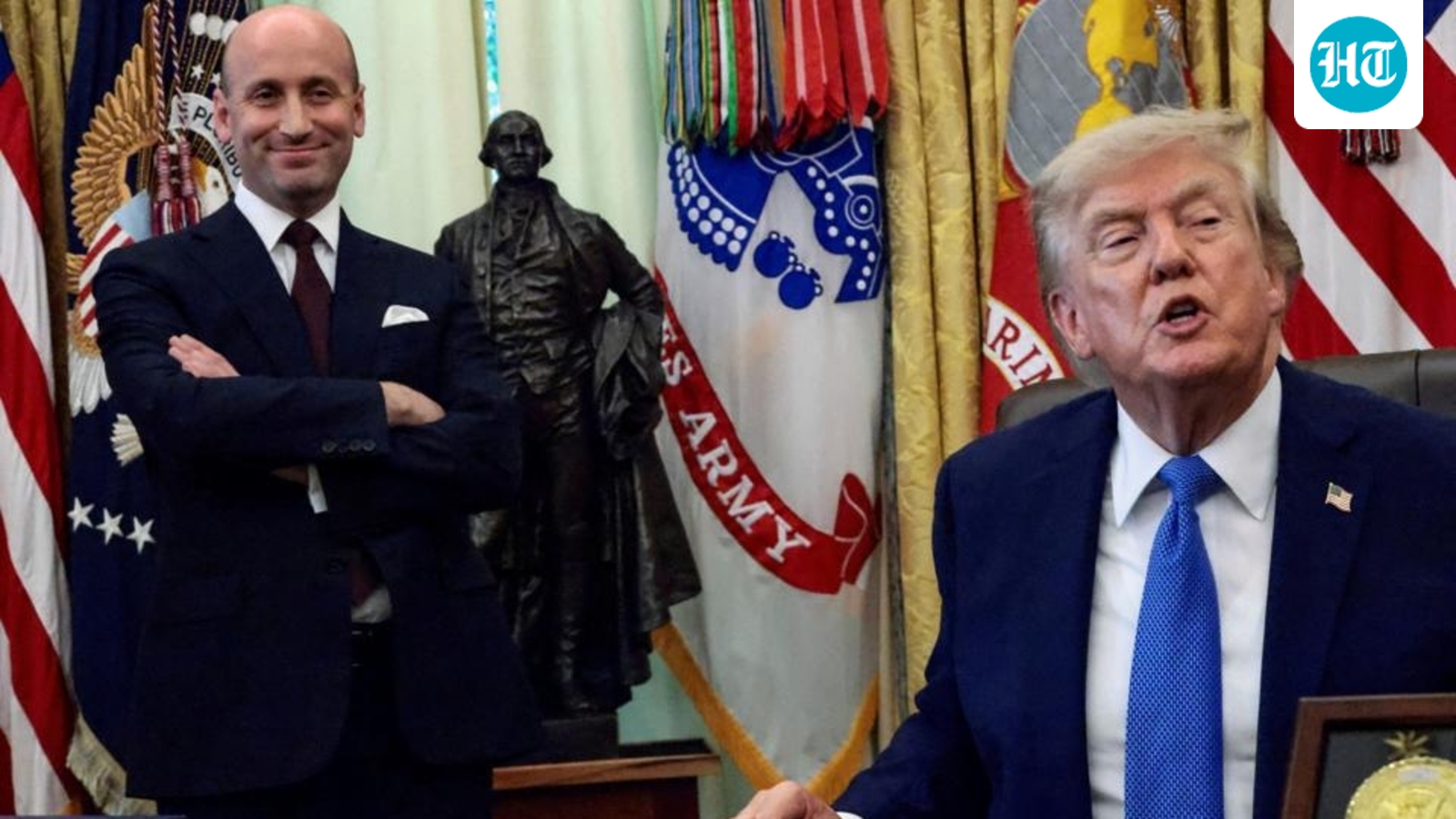
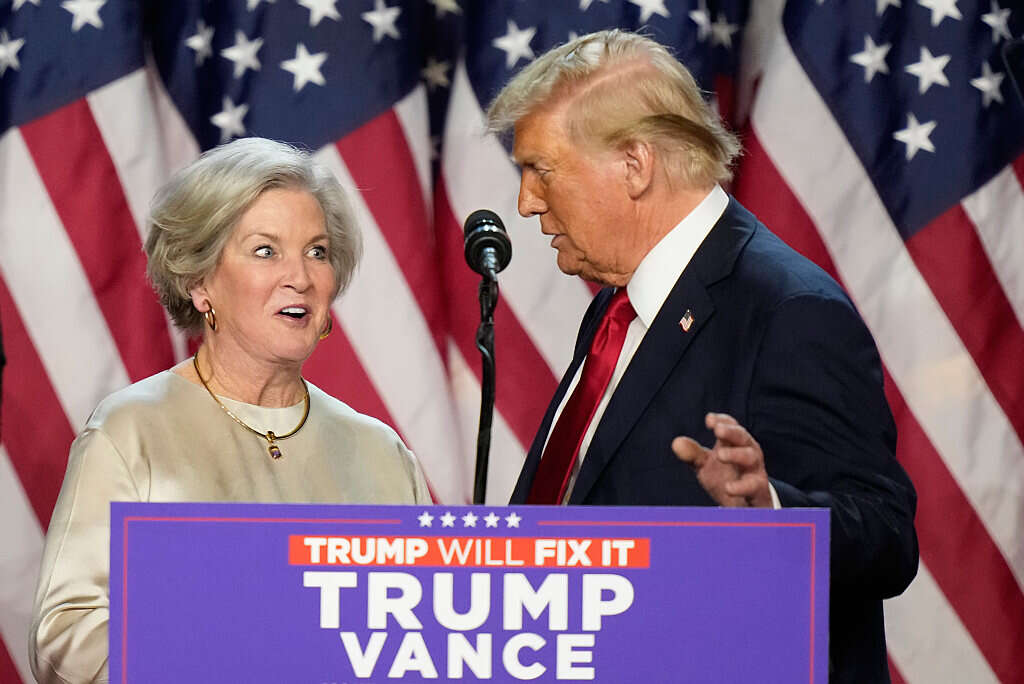
President Trump announced Friday that Stephen Miller, White House deputy chief of staff, will replace Susie Wiles as chief of staff, effective Monday. Miller has led the administration's immigration and deportation policies. The announcement comes three days after midterm elections in which Republicans lost control of the House; more than two dozen House races remained unresolved at announcement.
From the center: Trump is making a striking gamble at a moment when political capital matters most. Wiles provided institutional steadiness and had working relationships across factions; Miller brings ideological intensity and a narrower policy focus. The timing raises questions about strategy: after losing the House, consolidating staff around a single strong vision could either clarify direction or eliminate the internal voices that sometimes check impulsive moves. The outcome will depend heavily on Miller's management skills and whether Trump remains persuadable.
Cornell University's faculty senate passed a no-confidence resolution on Friday against the university's leadership over their handling of an alleged gang rape. According to a civil lawsuit filed in September under the pseudonym Jane Doe, a female student alleged she was drugged, assaulted and gang-raped by seven male students at a Chi Phi fraternity party in 2024.
From the center: The faculty no-confidence vote reflects genuine institutional concern about how Cornell handled a serious allegation, though the vote's symbolic nature limits its direct impact. Universities face genuine tensions between protecting students, respecting due process, and maintaining community trust—this case suggests Cornell's approach fell short of faculty expectations. The question is whether this pressure, combined with potential legal liability, motivates meaningful improvements in campus safety protocols and administrative responsiveness, or whether symbolic gestures alone prove insufficient.
Jason Reding Quinones, U.S. Attorney for the Southern District of Florida and a Trump appointee, resigned Friday. His office oversaw an investigation into whether federal law enforcement and intelligence officials conspired against President Trump in connection with prior investigations of him, including the Trump-Russia collusion inquiry.
From the center: Jason Reding Quinones, who headed a DOJ investigation into federal officials' conduct during prior Trump investigations, has resigned. The probe itself remains contentious: supporters view it as necessary accountability for potential abuse, while critics see it as political retaliation against Trump's opponents. His departure creates uncertainty about the investigation's future and reflects broader instability in DOJ leadership under the new administration.
The U.S. added 165,000 jobs in October 2026, according to the Labor Department report released Friday. The unemployment rate fell to 4.1%. Job gains more than doubled September's revised figure of 60,000, with hiring led by professional services. The figure exceeded forecaster expectations by roughly double.
From the center: The economy is sending mixed signals: strong job creation suggests underlying vitality, yet one month's data doesn't establish a clear trend after September's slowdown. The unemployment rate at 4.1% is historically solid, but real wages matter as much as job counts. The practical challenge for the Fed is whether this one report warrants rate action, or whether they should wait for a fuller picture before December decisions.
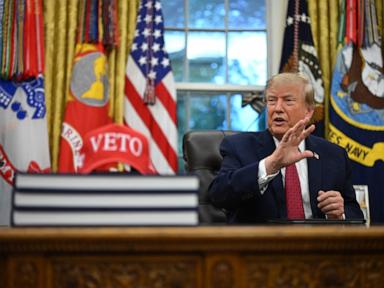
On Thursday, Trump signed a proclamation designating the Oval Office, Outer Oval Office, and Cabinet Room as national monuments. Trump stated the move would prevent future administrations from changing his design of these spaces. ABC News and The Hill reported that the proclamation would require ratification by Congress.
From the center: Trump signed a proclamation designating White House rooms as national monuments, a legally novel application of presidential authority. The move requires Congressional ratification and raises genuine questions about whether this is a legitimate use of the Monuments Act or an overreach. The fact that he did this immediately after midterm losses suggests it may be more about personal legacy than sound governance, yet the legal and practical implications remain unclear until Congress acts.
Democratic socialist Nithya Raman defeated incumbent Karen Bass in the Los Angeles mayoral election held November 5, 2026. Raman, an India-born urban planner and LA city councilmember, becomes the first Asian-American and first South Asian mayor of the city. Her victory follows the earlier election of Zohran Mamdani, a democratic socialist, as New York mayor.
From the center: Los Angeles voters chose change over continuity, replacing Bass with a challenger who had gained prominence on LA's city council. The election turned on specific policy concerns—housing and homelessness—rather than broader partisan realignment. Raman's win, together with Mamdani's in New York, shows that voters in major cities are willing to experiment with candidates from the left wing of the Democratic Party when they offer concrete plans for intractable urban problems, though it remains unclear whether such victories signal durable shifts or responses to particular local conditions.
Following Republican losses in midterm elections, Defense Secretary Pete Hegseth faced renewed impeachment threats from Congress. On Thursday, Hegseth issued a video message defending his Pentagon policies and the Iran war as "courageous and historic," vowing to continue fighting. Republican Rep. Thomas Massie prepared to reintroduce articles of impeachment. President Trump stated he stands by Hegseth.
From the center: The midterm defeat has triggered internal Republican blame-shifting, with some lawmakers targeting Hegseth over the Iran war and his policy reversals. Hegseth's robust defense and Trump's backing give him a solid position to resist impeachment. However, the episode exposes genuine strategic disagreements within the GOP—between hawks and skeptics of the Iran war, and between those comfortable with his cultural agenda and those who see it as a political liability. Institutional processes will likely protect him, but the party's cohesion remains fragile.
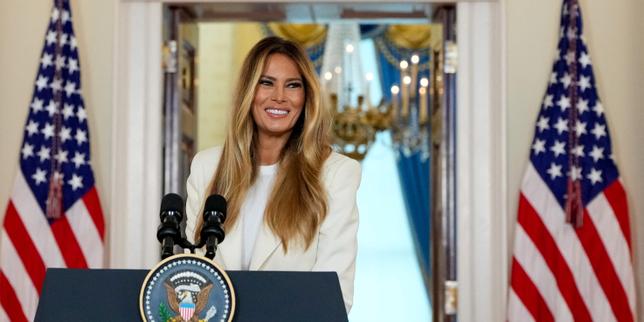
President Trump hosted Russian envoy Kirill Dmitriev and Ukrainian officials at the White House on Thursday, with First Lady Melania Trump present. Trump declared there would be a "big, beautiful agreement" on Ukraine that "might involve all of Europe," but declined to specify details.
From the center: Trump is attempting to use diplomatic channels—including his wife's role—to broker an end to the Ukraine war, which aligns with his campaign promise to resolve the conflict quickly. However, the secretive nature of the talks and Trump's vague public statements create uncertainty about what he actually proposes and whether it reflects genuine progress or merely posturing. The success of any deal depends on whether Russia is negotiating in good faith and whether Ukraine's core interests are protected. Upcoming Abu Dhabi talks will be more revealing than Thursday's choreographed White House event.
California Governor Gavin Newsom announced he will commute the death sentences of all 548 inmates on the state's death row to life in prison without parole. Newsom, a Democrat, made the announcement in his final months as governor before his term ends. In a letter, he stated that while many Californians believe those who commit brutal crimes deserve death, he has concluded the state cannot morally kill them.
From the center: Newsom's commutation is a significant act of clemency that reflects genuine moral conviction, though it also occurs at a politically convenient moment late in his term. The death penalty remains deeply divisive: some see it as justice for heinous crimes, others as an unacceptable state power. Life without parole addresses legitimate concerns about irreversible punishment while maintaining incapacitation; the question is whether voters and families of victims view this as a fair balance.
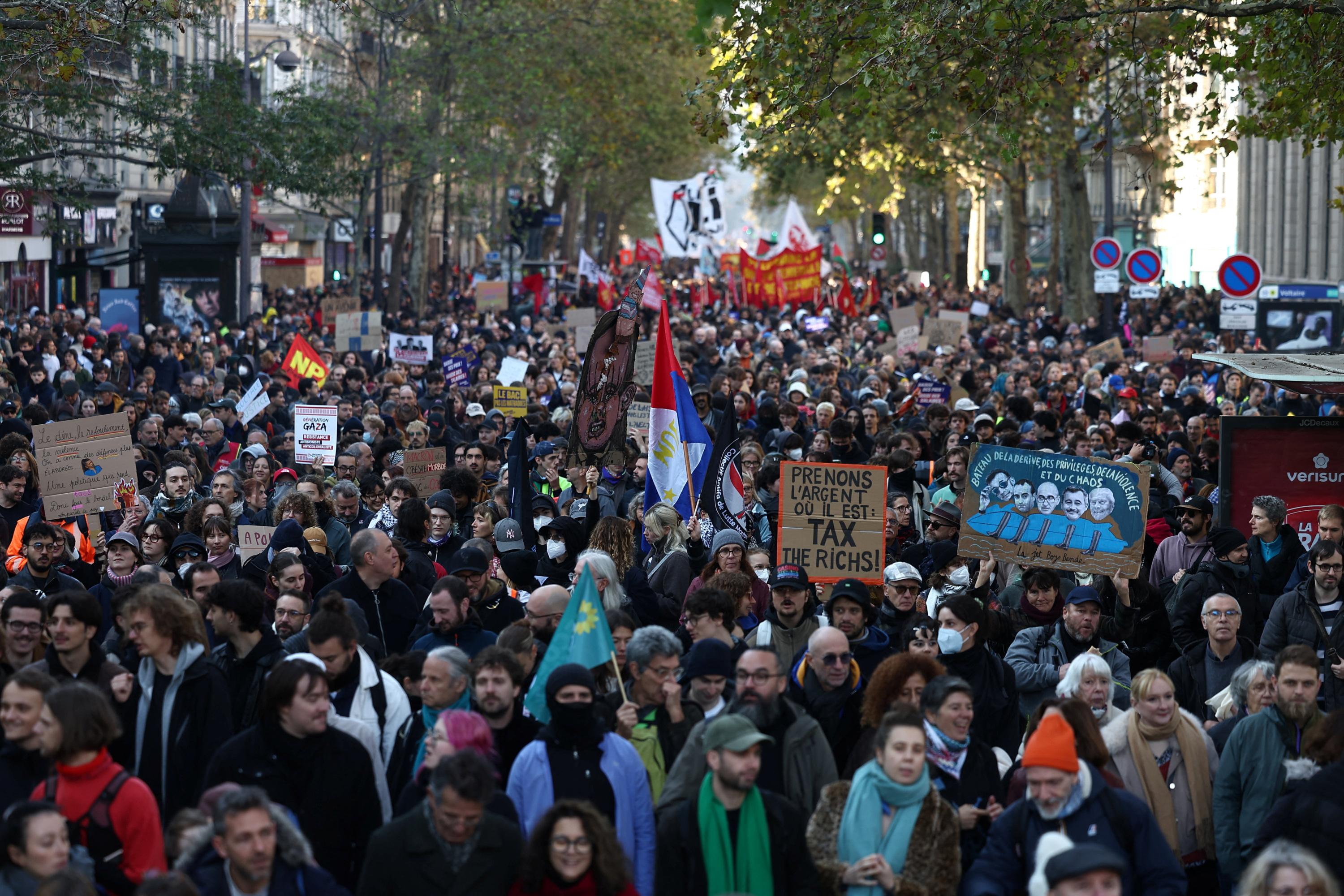
On November 5, 2026, hundreds of thousands of people demonstrated across France in a nationwide strike against the rising cost of living, low wages, and underfunding of public services including education. The Interior Ministry reported 600,000 demonstrators; labor unions claimed 1.6 million. Clashes occurred in Lyon and Paris, with riot police using tear gas against protesters.
From the center: France faces real economic pressures: rising costs, wage stagnation, and public sector strain. Large protests reflect genuine grievances that can't be ignored, though the vast disagreement between official protest estimates (600,000) and union claims (1.6 million) makes assessing the movement's true scale difficult. The government's budget rejection by even its own parliament signals a political failure to build consensus. Both sides need to move toward negotiation: unions should specify concrete demands, the government should acknowledge legitimate concerns and propose credible solutions, and police response should remain proportionate to actual disorder rather than escalating tensions.
Following Republican midterm losses, Vice President JD Vance blamed the Iran war that began in February for the party's defeat, citing its contribution to economic turmoil and fuel price increases. President Trump acknowledged the conflict's political impact but defended the military action as necessary and said he would launch it again.
From the center: Republicans face a genuine policy dilemma: the Iran war was launched for stated strategic reasons, but its economic side effects—particularly fuel price spikes—contributed measurably to midterm losses. Vance's public critique of Trump on this issue is unusual and suggests real internal disagreement about whether the military action was worth its domestic political cost. Both supporting and opposing the war have tradeoffs; the question is whether those tradeoffs were honestly weighed beforehand and whether the war's objectives justify its consequences.
In midterm elections, three Democrats won U.S. Senate seats previously held by Republicans: Chris Pappas in an unspecified state, becoming the first openly gay man elected to the Senate; Annie Andrews in South Carolina, defeating Republican Darline Graham and flipping a seat last held by Democrat in 2005; and Abdul El-Sayed in Michigan, defeating Republican Mike Rogers to become the nation's first Muslim senator.
From the center: The midterm Senate results show a mixed political landscape where both parties face real challenges. Democrats flipped some seats in unexpected places, suggesting neither party has an insurmountable advantage nationally. The fact that candidates with diverse backgrounds and progressive platforms won in states Trump carried indicates voters are making granular choices based on individual candidates and local issues, not simply following national partisan trends. These results complicate easy predictions about either party's direction.
In the 2026 midterm elections, Democrats won control of both chambers of Congress. According to NewsNation, they flipped GOP-held Senate seats in Texas, South Carolina, Kansas and Iowa. Senate Democratic Leader Chuck Schumer held a press conference to address the results.
From the center: Democrats achieved an unexpected midterm victory, winning both chambers and flipping Senate seats in traditionally Republican or swing states. The outcome defies historical patterns where the party in power typically faces losses in midterms. Both parties will need to assess what drove the result and adjust their strategies heading into 2028.
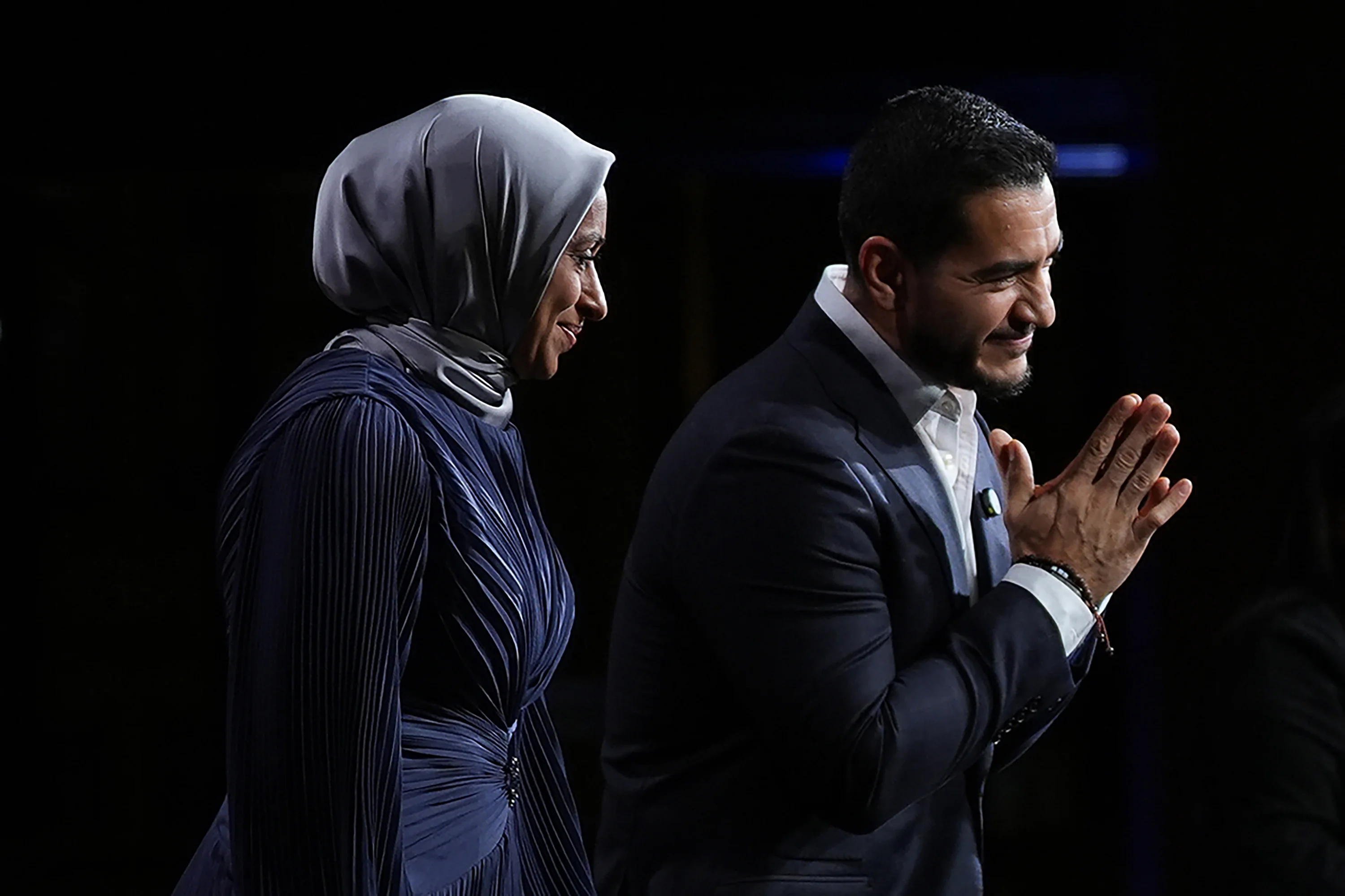
Abdul El-Sayed, a 41-year-old Michigan physician and Democrat, won the state's open US Senate seat on November 4, 2026, defeating Republican Mike Rogers. El-Sayed becomes the first Muslim elected to the US Senate. In his victory, El-Sayed expressed agreement with Trump's stated plan to cut military aid to Israel and called for redirecting such funding to domestic priorities like schools and healthcare.
From the center: El-Sayed's election reflects genuine complexity in American politics. Voters in Michigan backed a progressive Democrat while the national climate tilted rightward, and they did so partly by embracing his criticism of both his party's foreign policy consensus and AIPAC's political spending—concerns that cross traditional lines. Yet his agreement with Trump on reducing Israel aid should be read carefully: the two men likely mean very different things by it, and genuine foreign policy agreement between a Muslim progressive senator and this president remains to be tested. The result shows voters want real change and diversity, but also that electoral mandates are always mixed.
In the 2026 midterm elections, Democrats won control of Congress in what outlets describe as a decisive victory. Vice President JD Vance publicly blamed the Iran war for Republican losses, stating the reason for defeat was the war itself. President Trump acknowledged the war played a role in GOP losses, though he attributed the bigger political liability to rising oil prices rather than the conflict itself.
From the center: The 2026 midterms produced a significant Democratic wave that flipped Congress. Both Vance and Trump acknowledged the Iran war's political impact, though they disagreed on whether the war itself or its economic consequences—rising oil prices—mattered more. Vance's somewhat independent assessment suggests internal Republican debate about whether the conflict was sound policy, a useful political lesson about the costs of sustained military commitments when public support erodes.
House Speaker Mike Johnson (R-LA) announced Wednesday morning that he will not run for House Minority Leader in the next Congress, following Republicans' loss of the House majority in Tuesday's midterm elections. Democrats gained control of the chamber after Republicans lost 21 seats. Johnson made the announcement in a private call to staff.
From the center: Johnson is doing what losing leaders do: making way for someone new. The midterms were a clear statement from voters, and accepting those results means accepting changes in party leadership. What matters now is who Republicans choose next. The scramble among potential successors reveals fault lines within the GOP itself—between those seeking to chart a course forward and those looking to pull harder in an established direction. How this plays out will tell us whether Republicans can function as a responsible opposition or will remain locked in internal conflict.
The U.S. conducted strikes on Iranian military targets on Qeshm Island in the Strait of Hormuz on Monday after Iranian forces reportedly launched a surface-to-air missile at an American aircraft, according to U.S. officials. The White House has not publicly reported on multiple U.S. strikes on Iran over recent weeks.
From the center: The situation reflects a classic escalation spiral: Iran launched a missile at a U.S. aircraft, the U.S. responded with strikes, and both sides are now preparing further operations. The Trump administration claims it wants a peaceful resolution, yet the pattern of unreported strikes and ongoing military preparations suggests either diplomatic efforts are failing or military and diplomatic tracks are working at cross-purposes. Mediation by Qatar and Pakistan may help, but progress requires both sides to signal restraint rather than readiness for the next round.
Greenland's parliament ratified a security agreement with the United States and Denmark on November 3. The vote was 16–0 with seven abstentions. The accord, signed in September, expands U.S. military presence on the Arctic island, which is part of Denmark. It followed months of pressure from President Trump, who had previously threatened to take control of Greenland.
From the center: Greenland's ratification resolves an unusual episode that began with Trump's provocative language about acquisition but evolved into a standard security arrangement. The deal balances legitimate U.S. Arctic interests against the sensitivities of NATO allies and an autonomous territory. While the initial pressure was disruptive, the eventual agreement—approved by Greenland's elected representatives—represents a pragmatic outcome. Denmark's remaining approval is a formality for an accord already endorsed by its most affected constituent.
On November 3, 2026, Americans voted in midterm elections to determine control of the House of Representatives and one-third of the Senate, with polls closing across states beginning in the evening. The election was widely characterized as a referendum on President Donald Trump's administration. Results began coming in as polls closed, with at least one Democratic Senate victory reported by some outlets.
From the center: The midterms show an electorate split on priorities but unified in caution. Voters aren't endorsing either party wholesale—they're using their ballots to hedge, denying any side total power while asking for competence and measured policy-making. Democratic Senate wins alongside a mixed House reflect pragmatism: people want checks on any president, institutional friction that forces compromise, and evidence that policies are actually working before embracing them further.
President Trump told the Financial Times on Tuesday that the US has no immediate plans to strike Iran and said 'we seem to be getting everything we want' in the standoff. Vice President JD Vance said there had been 'a number of good conversations with the Iranians' after officials from Iran met with Qatari mediators in Doha.
From the center: Trump is attempting a middle path—maintaining military readiness and willingness to act while signaling openness to negotiation and avoiding immediate escalation. The recent strike signals resolve; the diplomatic messaging signals restraint. Success depends on whether both sides interpret these signals as genuine negotiating positions rather than tactics. The timing—statements before midterms—complicates assessing whether this represents settled policy or campaign messaging.
On midterm election day, President Donald Trump announced the US would end its annual $3.8–4 billion in military aid to Israel. Trump made the announcement in a Fox News phone interview, stating he and Israel had made a deal months earlier to stop the aid. He said Israel is prosperous and does not need it.
From the center: Trump's announcement is a significant shift in decades of bipartisan support for Israel, but the execution raises practical questions. An abrupt aid cut without conditions or negotiation risks destabilizing a key regional ally at a sensitive moment, while the political timing on election day invites skepticism about whether this is genuine policy or electoral messaging. The right approach would involve clear conditions, allied coordination, and a realistic assessment of how aid withdrawal serves actual US interests—none of which appear evident here.
The Justice Department is deploying approximately 1,000 election monitors to all 50 states for the first time in history. ABC News describes this as the largest federal monitoring effort in history.
From the center: The DOJ's historic deployment of 1,000 monitors across all 50 states represents an unusual expansion of federal election oversight. The move follows court rejections of the administration's attempts to impose voting restrictions, suggesting the monitors may represent an alternative strategy. This raises a genuine tension: election security requires vigilance, but elections are traditionally state-administered, and federal monitoring on this scale is unprecedented. Clarity on what monitors will actually observe and how their findings will be used is essential before assessing whether this serves legitimate security interests or overreaches.