Cornell faculty passes no-confidence vote in university leadership over handling of alleged gang-rape case
Reported by
A dot shows how that piece reads — Prism rates articles, not outlets, and shows the words behind each placement below. No dot means the piece isn’t rated. How the ratings work

What happened
The account the coverage agrees on, with contested figures attributed rather than asserted. This is not one of the five framings below — it is the ground they all stand on.
Cornell University's faculty senate passed a no-confidence resolution on Friday against the university's leadership over their handling of an alleged gang rape. According to a civil lawsuit filed in September under the pseudonym Jane Doe, a female student alleged she was drugged, assaulted and gang-raped by seven male students at a Chi Phi fraternity party in 2024. The former student alleged in her complaint that Cornell failed to protect her. The no-confidence vote is symbolic and non-binding, as faculty lack the power to remove university leadership.
How the spectrum reads this story
The same event, summarised as five points on the political spectrum would each tend to frame it. These are generated by an AI model and are a starting point, not the last word.
Left
This no-confidence vote exposes how elite institutions systematically fail survivors of sexual violence. Cornell's leadership's inadequate response to an alleged gang rape reflects deeper institutional failures in accountability and protection. The fact that faculty must resort to symbolic gestures because they lack real power to enforce change demonstrates how university governance structures insulate administrators from consequences. This case illustrates why structural reforms—including meaningful faculty governance, survivor-centered policy, and binding accountability mechanisms—are essential to transform how universities handle sexual assault.
No article in this story reads this way. This is how the position tends to frame events like it — written by a model, not quoted from anyone.
Center-left
Cornell's faculty rightly expressed their discontent through this no-confidence vote, signaling that the university's response to the alleged gang rape was inadequate. The case highlights the need for universities to improve their sexual assault prevention, investigation, and support systems. While the vote is non-binding, it creates legitimate pressure on leadership to demonstrate better practices going forward. Reforms should include stronger fraternity oversight, clearer reporting procedures, and genuine engagement with survivors' concerns.
Drawn from 2 articles placed here, below.
Center
The faculty no-confidence vote reflects genuine institutional concern about how Cornell handled a serious allegation, though the vote's symbolic nature limits its direct impact. Universities face genuine tensions between protecting students, respecting due process, and maintaining community trust—this case suggests Cornell's approach fell short of faculty expectations. The question is whether this pressure, combined with potential legal liability, motivates meaningful improvements in campus safety protocols and administrative responsiveness, or whether symbolic gestures alone prove insufficient.
Drawn from 5 articles placed here, below.
Center-right
Cornell's faculty expressed legitimate concern about mishandled institutional processes in this case. While the underlying allegation is serious and warrants proper investigation, the no-confidence vote signals that leadership failed to navigate these sensitive matters effectively—damaging trust and institutional credibility. Universities must balance protecting students with due process and avoiding overreach; poor management of either undermines the institution. Leadership should respond by clarifying what went wrong administratively and implementing clearer procedures, though the non-binding nature of this vote limits its practical effect.
Drawn from 1 article placed here, below.
Right
This case illustrates how institutional bureaucracies and administrative bloat can fail their basic responsibility to protect students. Cornell's leadership's poor handling of serious allegations—combined with the revelation that a fraternity monitor position went unfilled—shows the consequences of administrative dysfunction and misplaced priorities. However, the non-binding nature of the faculty vote demonstrates why giving interest groups veto power over leadership decisions is problematic. Universities need clear chains of accountability to boards of trustees and decisive leadership rather than governance by committee and symbolic resolutions.
No article in this story reads this way. This is how the position tends to frame events like it — written by a model, not quoted from anyone.
Hear two viewpoints debate it
Pick two viewpoints and Prism writes a short, six-turn exchange about this story in each one’s own voice — steel-manned, no winner declared. Each pairing is written once and then saved for every reader. The voices are AI syntheses of a tradition, not real people.
New pairing — Prism will write it now.
How each outlet covered it
Where Prism places each piece — not the outlet in general — with the words from that piece that put it there, and the photograph the outlet chose. Picking a photo is a framing decision too.
 The GuardianThis piece reads center-left
“deep discontent with school's response to alleged fraternity rape”
Read the original Just the NewsThis piece reads center-left
“drugged, assaulted and gang raped by seven members”
What's left outSpecifies the allegation of drugging alongside assault and rape, while most other outlets focus on the rape allegation itself without detailing the drugging claim.
Read the original- BBCThis piece reads center
“largely symbolic as they do not have the power to remove”
Read the original 
 ABC NewsThis piece reads center
“no-confidence resolution condemning the school's handling of sexual violence”
Read the original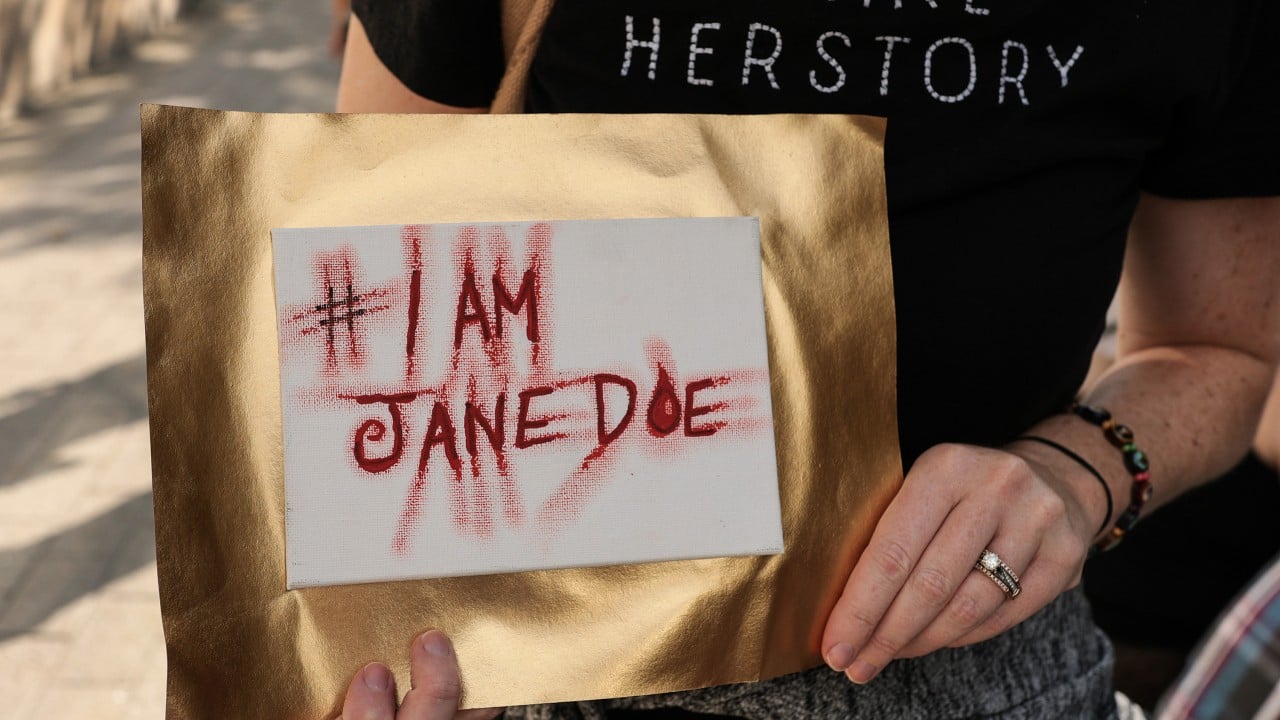 South China Morning PostThis piece reads center
“not binding but marks a strong symbolic rebuke”
Word choiceExplicitly frames the vote's significance and impact, whereas BBC and UPI simply note it is symbolic without characterizing it as 'strong' or a 'rebuke.'
Read the original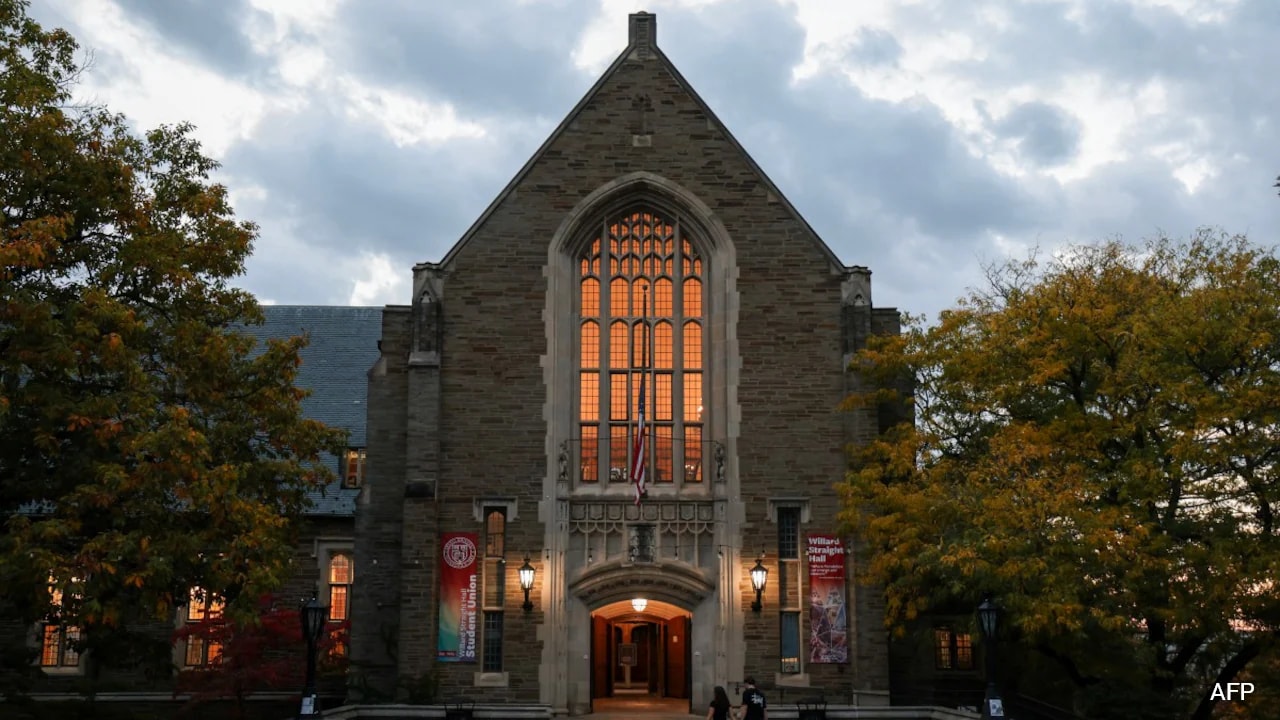 NDTVThis piece reads center
“alleged in her civil complaint that Cornell failed to protect”
Read the original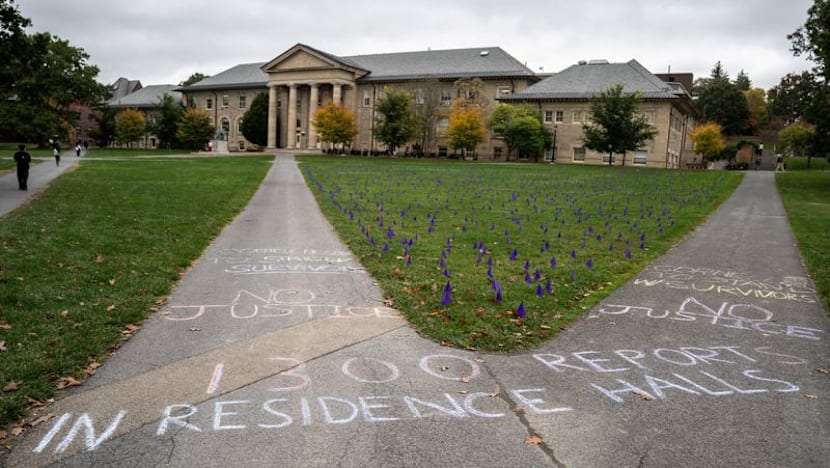 CNAnot ratedRead the original
 Daily MailThis piece reads center-right
“failed to hire monitor who could have prevented incident”
FramingAdds a speculative causation not established in other coverage—that the unfilled monitor position specifically 'could have prevented' the alleged assault. Other outlets report the unfilled position as a detail but not as a prevention mechanism.
Read the original
Placements are generated by an AI model from each article’s own headline and summary, and every quotation above is checked to be a real substring of that article before it is published. How this is done
Prism is free and carries no advertising. Support it if it was useful.