Trump tells Financial Times US has no immediate plans to strike Iran
Reported by
A dot shows how that piece reads — Prism rates articles, not outlets, and shows the words behind each placement below. No dot means the piece isn’t rated. How the ratings work
What happened
The account the coverage agrees on, with contested figures attributed rather than asserted. This is not one of the five framings below — it is the ground they all stand on.
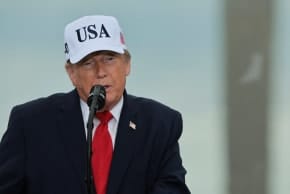
President Trump told the Financial Times on Tuesday that the US has no immediate plans to strike Iran and said 'we seem to be getting everything we want' in the standoff. Vice President JD Vance said there had been 'a number of good conversations with the Iranians' after officials from Iran met with Qatari mediators in Doha. According to Axios, Netanyahu pressed Trump to strike Iran immediately after Tuesday's midterm elections, but Trump wanted to let negotiations continue. Semafor reported that on Monday the US launched a strike it described as 'a defensive measure for Iranians using surface to air missiles against US assets.'
Developing story · 2 chapters
- Iran engages in intensive negotiations with US to avert escalated conflict
- Trump tells Financial Times US has no immediate plans to strike Iranyou are here
How each side framed the previous chapter
Compare these with the five framings below to see what moved as the story developed — and what each side kept saying regardless.
Left
The US and Israel are threatening renewed war on Iran despite diplomatic openings. Iran's willingness to reopen the Strait of Hormuz and return to nuclear negotiations shows a genuine path to de-escalation, yet Netanyahu's insistence on continuing military operations reflects how far-right Israeli politics and uncritical US backing prioritize military dominance over diplomacy. Regional powers scrambling to intervene underscores how American foreign policy destabilizes the Middle East.
Center-left
Diplomacy is working: Iran has tabled concrete proposals to reopen the Strait of Hormuz in two days and resume nuclear talks, signaling serious de-escalation efforts. However, Netanyahu's resistance to pausing operations complicates the moment. The US should prioritize these negotiations and pressure Israel to hold fire, while regional mediators from Saudi Arabia, Pakistan, and Turkey can help bridge gaps and prevent a wider conflict.
Center
Both sides are talking, which is necessary, but the situation remains fragile. Iran's two-day timeline for reopening the Strait and resuming talks is encouraging, yet Netanyahu's refusal to halt operations creates real tension between diplomatic and military tracks. The involvement of Saudi Arabia, Pakistan, and Turkey suggests regional powers see genuine risk and are trying to manage it. Success depends on whether either side will actually step back from military posturing.
Center-right
Iran is negotiating because it faces credible military pressure, and those negotiations should continue. However, allowing Iran to dictate terms—reopening the Strait of Hormuz only if the US meets demands—sets a dangerous precedent of rewarding aggression. Netanyahu's position that military operations should continue reflects legitimate concern that Iran will use talks as cover. Any deal must include verifiable commitments and cannot appear to reward Iranian behavior.
Right
Iran initiated talks only under military threat, proving that strength, not appeasement, works. Netanyahu is right to insist that operations continue until Iran is genuinely defeated; pausing now would squander hard-won advantages and allow Tehran to regroup. Iran's conditional offers—reopening the Strait only if the US meets their demands—are transparent attempts to negotiate from weakness while still dictating terms. Capitulating to regional pressure from Saudi Arabia and Turkey would undermine Israeli security and American credibility.
How the spectrum reads this story
The same event, summarised as five points on the political spectrum would each tend to frame it. These are generated by an AI model and are a starting point, not the last word.
Left
Trump's diplomatic rhetoric masks a continued cycle of military escalation and brinksmanship. Even as he claims negotiations are succeeding, the US just launched a strike and Netanyahu is pressuring him toward broader conflict. The cycle of strikes and negotiations typically benefits defense contractors and perpetuates regional instability. Real de-escalation would require addressing underlying grievances and ending the US military presence that fuels Iranian resistance.
No article in this story reads this way. This is how the position tends to frame events like it — written by a model, not quoted from anyone.
Center-left
While Trump's negotiating approach offers a chance to avoid further escalation, the recent US strike and Israeli pressure suggest the administration remains dangerously close to wider war. Meaningful diplomacy requires sustained commitment and restraint, not tactical pauses between military actions. The administration should prioritize a genuine diplomatic off-ramp over rhetorical positioning.
Drawn from 1 article placed here, below.
Center
Trump is attempting a middle path—maintaining military readiness and willingness to act while signaling openness to negotiation and avoiding immediate escalation. The recent strike signals resolve; the diplomatic messaging signals restraint. Success depends on whether both sides interpret these signals as genuine negotiating positions rather than tactics. The timing—statements before midterms—complicates assessing whether this represents settled policy or campaign messaging.
Drawn from 2 articles placed here, below.
Center-right
Trump's approach balances strength with pragmatism: maintaining military capability while exploring negotiation. The recent defensive strike demonstrates the US won't be passive, while the diplomatic overture shows willingness to resolve the standoff without unnecessary conflict. This mix of deterrence and negotiation is sound strategy, though Israeli security concerns deserve serious weight in decision-making.
Drawn from 1 article placed here, below.
Right
Trump is rightly refusing to be drawn into another Middle Eastern quagmire. The US has struck twice already to demonstrate capability; now he's using that strength to negotiate from a position of power. Diplomatic solutions are preferable to endless military commitment abroad, and Trump's willingness to talk while remaining militarily ready is exactly the kind of America First approach needed—avoiding entanglement while protecting American interests.
No article in this story reads this way. This is how the position tends to frame events like it — written by a model, not quoted from anyone.
Hear two viewpoints debate it
Pick two viewpoints and Prism writes a short, six-turn exchange about this story in each one’s own voice — steel-manned, no winner declared. Each pairing is written once and then saved for every reader. The voices are AI syntheses of a tradition, not real people.
New pairing — Prism will write it now.
How each outlet covered it
Where Prism places each piece — not the outlet in general — with the words from that piece that put it there, and the photograph the outlet chose. Picking a photo is a framing decision too.
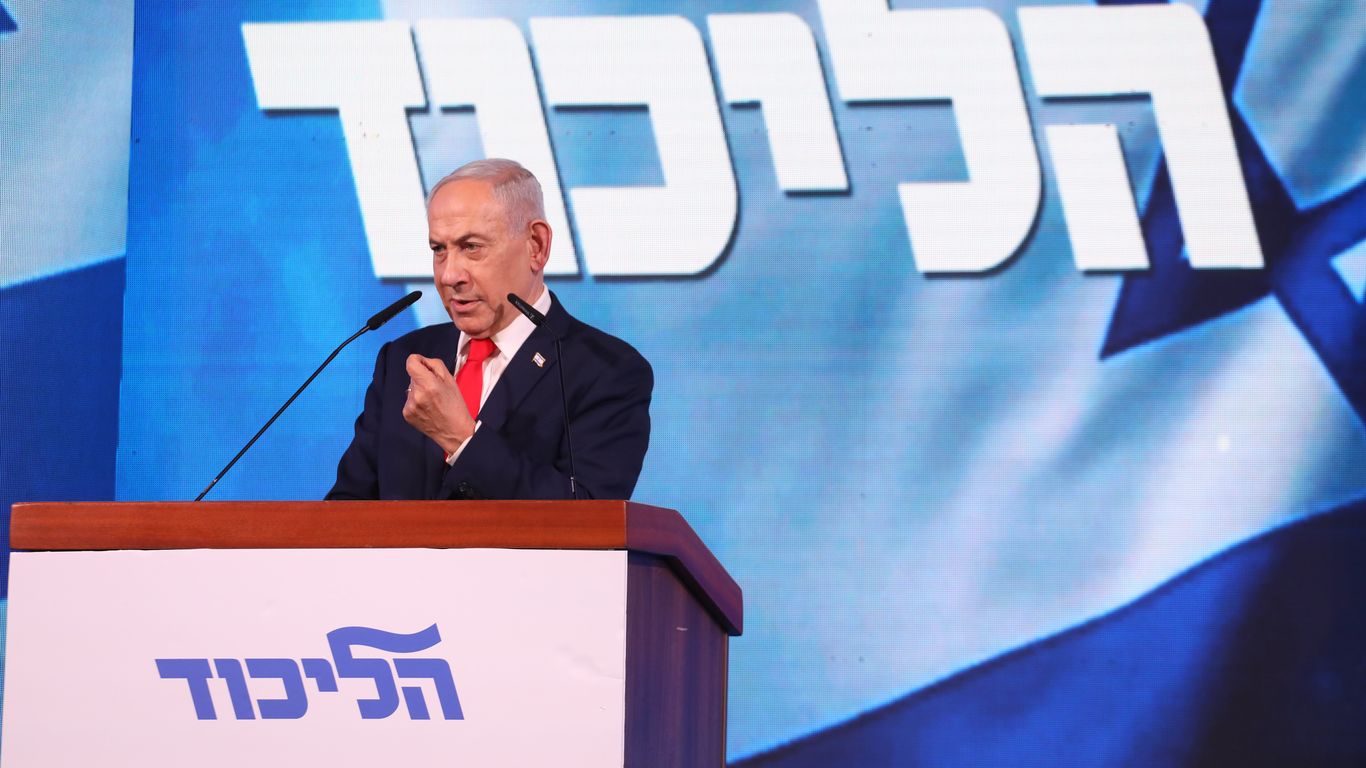 AxiosThis piece reads center-left
“Netanyahu is pressing Trump to strike Iran immediately”
FramingFrames the dynamic as Netanyahu pushing toward military action and Trump resisting immediate escalation, whereas other outlets focus on Trump's own stated negotiating posture.
Read the original- Al-MonitorThis piece reads center
“Trump suggested he was content with the state of the stand-off”
Read the original  Financial TimesThis piece reads center
“position with Tehran is 'brilliant”
Word choiceUses Trump's own superlative ('brilliant') in the snippet, where other outlets paraphrase his sentiment more neutrally as 'getting everything we want' or 'satisfied.'
Read the original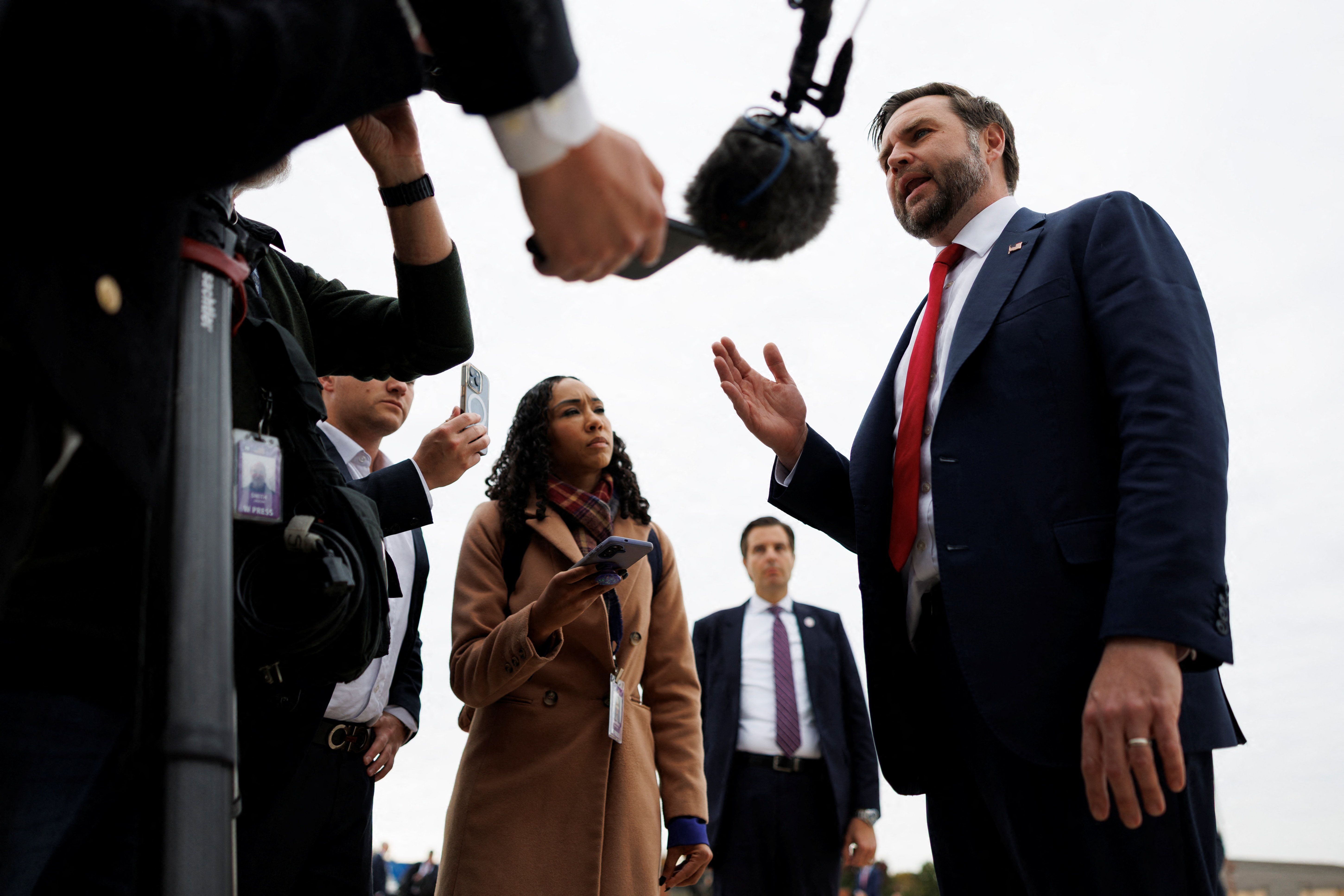 SemaforThis piece reads center-right
“defensive measure for Iranians using surface to air missiles against US assets”
FramingThe headline's 'while' construction juxtaposes Trump's optimistic tone with simultaneous military action, emphasizing contradiction that other outlets leave implicit or do not highlight.
Read the original- The Jerusalem Postnot ratedRead the original
 Israel National Newsnot ratedRead the original
Placements are generated by an AI model from each article’s own headline and summary, and every quotation above is checked to be a real substring of that article before it is published. How this is done
Prism is free and carries no advertising. Support it if it was useful.