Trump says renewed US military strikes on Iran are unlikely as negotiations progress
Reported by
A dot shows how that piece reads — Prism rates articles, not outlets, and shows the words behind each placement below. No dot means the piece isn’t rated. How the ratings work

What happened
The account the coverage agrees on, with contested figures attributed rather than asserted. This is not one of the five framings below — it is the ground they all stand on.
President Trump said on Monday that further US military strikes against Iran are unlikely and not currently necessary, though he emphasized the US remains "locked and loaded" if circumstances change. Trump met with Qatar's prime minister to discuss ceasefire strategies. Qatar and Saudi Arabia have appealed to the US to avoid new attacks. Trump stopped short of declaring the war over but described his comments as the furthest he has gone in that direction since February, when he announced "major combat operations" against Iran.
Developing story · 2 chapters
- Trump says renewed US military strikes on Iran are 'highly unlikely' if peace talks progress
- Trump says renewed US military strikes on Iran are unlikely as negotiations progressyou are here
How each side framed the previous chapter
Compare these with the five framings below to see what moved as the story developed — and what each side kept saying regardless.
Left
Trump's conditional threat of restraint masks an ongoing military encirclement of Iran through the new Iron Gate blockade, which amounts to economic strangulation and escalates rather than de-escalates the conflict. The U.S. is using talks as cover while tightening a noose, and rhetoric about "progress" obscures the structural power imbalance that makes genuine negotiation impossible when one side maintains overwhelming military and economic pressure. This approach cannot produce durable peace.
Center-left
Trump's willingness to condition strikes on negotiating progress is a modest step toward de-escalation, but the simultaneous expansion of sanctions and military interdiction through Iron Gate undermines the talks' credibility. The administration should pursue genuine diplomacy without the threat of further strikes hanging over negotiations, and should clarify whether the blockade is compatible with serious efforts to reach agreement on nuclear limits and maritime security.
Center
Trump is attempting to manage a difficult conflict by holding two threads at once—offering negotiators a path forward while maintaining military and economic pressure as leverage. Whether this balance works depends on whether Iran's demands can actually narrow enough to allow a deal and whether escalatory incidents like the explosions at Qeshm Island can be prevented from derailing talks. The clarity of each side's red lines remains unclear.
Center-right
Trump's announcement of the Iron Gate task force shows he is serious about enforcing consequences for Iranian aggression and its weapons program, while his conditional statement on strikes keeps diplomatic room open. The blockade is a reasonable enforcement tool that stops short of new kinetic action. If Iran wants to avoid strikes, it has a choice: come to the table seriously and make concessions on its nuclear program and regional activities, or face renewed military action.
Right
Trump is rightfully using military and economic pressure to constrain Iranian power and protect American interests. The Iron Gate blockade is an overdue enforcement mechanism that disrupts Iran's ability to arm proxies and develop weapons. His message is clear: cooperate on terms that serve American security, or face consequences. Too much diplomatic flexibility invites Iranian deception; strength and resolve are what compel genuine agreement.
How the spectrum reads this story
The same event, summarised as five points on the political spectrum would each tend to frame it. These are generated by an AI model and are a starting point, not the last word.
Left
Trump's rhetorical pause on Iran escalation is a minor reprieve in a pattern of militarism that destabilized the region. The real question is why the US launched strikes in the first place—this was an aggressive response to a justified Iranian retaliation for an Israeli killing of a Hamas leader. Genuine de-escalation requires the US to abandon its imperial role in the Middle East, not just dial down the rhetoric while remaining 'locked and loaded.' Regional neighbours' pressure matters only because they suffered the consequences of US military adventurism.
No article in this story reads this way. This is how the position tends to frame events like it — written by a model, not quoted from anyone.
Center-left
Trump's willingness to pause escalation is welcome and shows the value of diplomatic engagement—Qatar's intervention appears to have worked. But the situation remains fragile, and Trump's 'locked and loaded' stance keeps military options on the table without clarity on what would trigger them. The conflict itself stems from escalating cycles of retaliation; genuine stability requires sustained negotiations toward a political settlement, not just a temporary pause in strikes while underlying tensions persist.
Drawn from 1 article placed here, below.
Center
Trump's shift toward holding back on military action reflects both domestic pressure—Americans are tired of open-ended conflicts—and regional diplomacy working as it should. His comments are credible because he built credibility through willingness to use force; now he's using that leverage for restraint. The uncertainty about what happens next is troubling, though. De-escalation without clear terms risks being temporary. The real test is whether this pause becomes a platform for genuine negotiations or simply delays the next cycle.
Drawn from 2 articles placed here, below.
Center-right
Trump's measured approach—maintaining military readiness while avoiding unnecessary escalation—is prudent statecraft. Regional allies like Qatar and Saudi Arabia have legitimate interests in stability, and listening to them shows respect for partnership. The key is that Trump has not surrendered leverage; he's made clear the US can strike if Iran provokes further action. This keeps Iran from miscalculating while creating space for talks. The previous strikes established that the US will respond to Iranian aggression, and now restraint sends a signal that dialogue is preferable.
Drawn from 1 article placed here, below.
Right
Trump rightly recognizes that perpetual warfare serves no American interest and that regional powers prefer we not fight their battles for them. His refusal to be trapped in endless Middle East conflicts aligns with putting America first. The 'locked and loaded' stance preserves deterrence while signaling we won't be provoked into costly adventures. This is exactly the kind of transactional clarity—strength without recklessness—that should guide foreign policy. The lesson for Iran is clear: we can strike, we will if needed, but we're not seeking conflict.
No article in this story reads this way. This is how the position tends to frame events like it — written by a model, not quoted from anyone.
Hear two viewpoints debate it
Pick two viewpoints and Prism writes a short, six-turn exchange about this story in each one’s own voice — steel-manned, no winner declared. Each pairing is written once and then saved for every reader. The voices are AI syntheses of a tradition, not real people.
New pairing — Prism will write it now.
How each outlet covered it
Where Prism places each piece — not the outlet in general — with the words from that piece that put it there, and the photograph the outlet chose. Picking a photo is a framing decision too.
- The Straits TimesThis piece reads center-left
“will hold off on new Iran strikes after appeals from Middle East neighbours”
FramingUses 'hold off' in the headline, suggesting a decision to refrain based on appeals, where other outlets report Trump saying strikes are simply not currently necessary.
Read the original - BBCnot rated
FramingFrames Trump's words in quotation marks suggesting he made a definitive claim, when his actual statement stopped short of that—he said further strikes are unlikely, not that military operations have ended.
Read the original - CBS NewsThis piece reads center
“met with Qatar's prime minister to discuss strategies for a new ceasefire”
Read the original - Al-Monitornot ratedRead the original
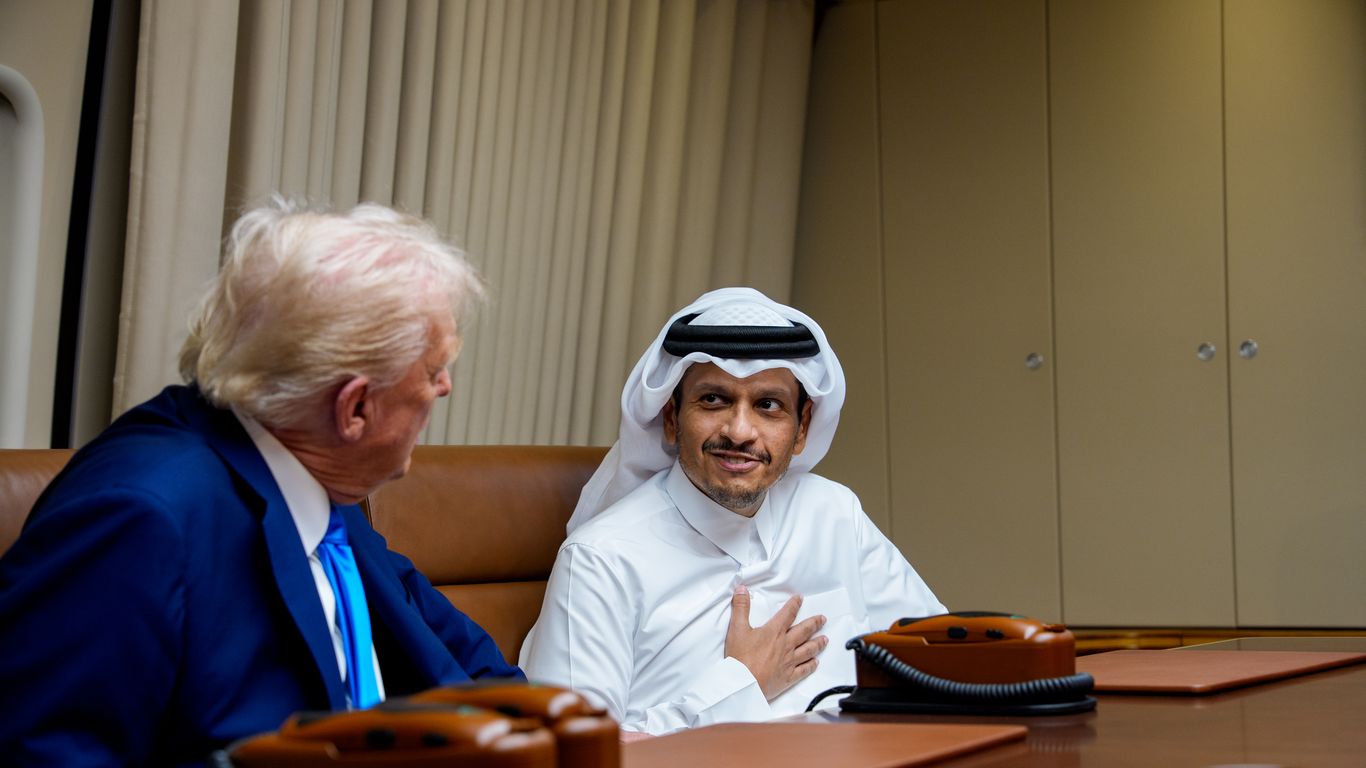 AxiosThis piece reads center
“stopped short of saying the war was over”
Word choiceExplicitly acknowledges the distinction between Trump's cautious language and a declaration of war's end, flagging what he did not claim.
Read the original ABC NewsThis piece reads center-right
“won the war in Iran”
FramingReports Trump's claim that Hegseth has 'won the war,' presenting this as fact in the headline without qualification, though other outlets treat war status as ongoing or unclear.
Read the original- The Jerusalem Postnot ratedRead the original
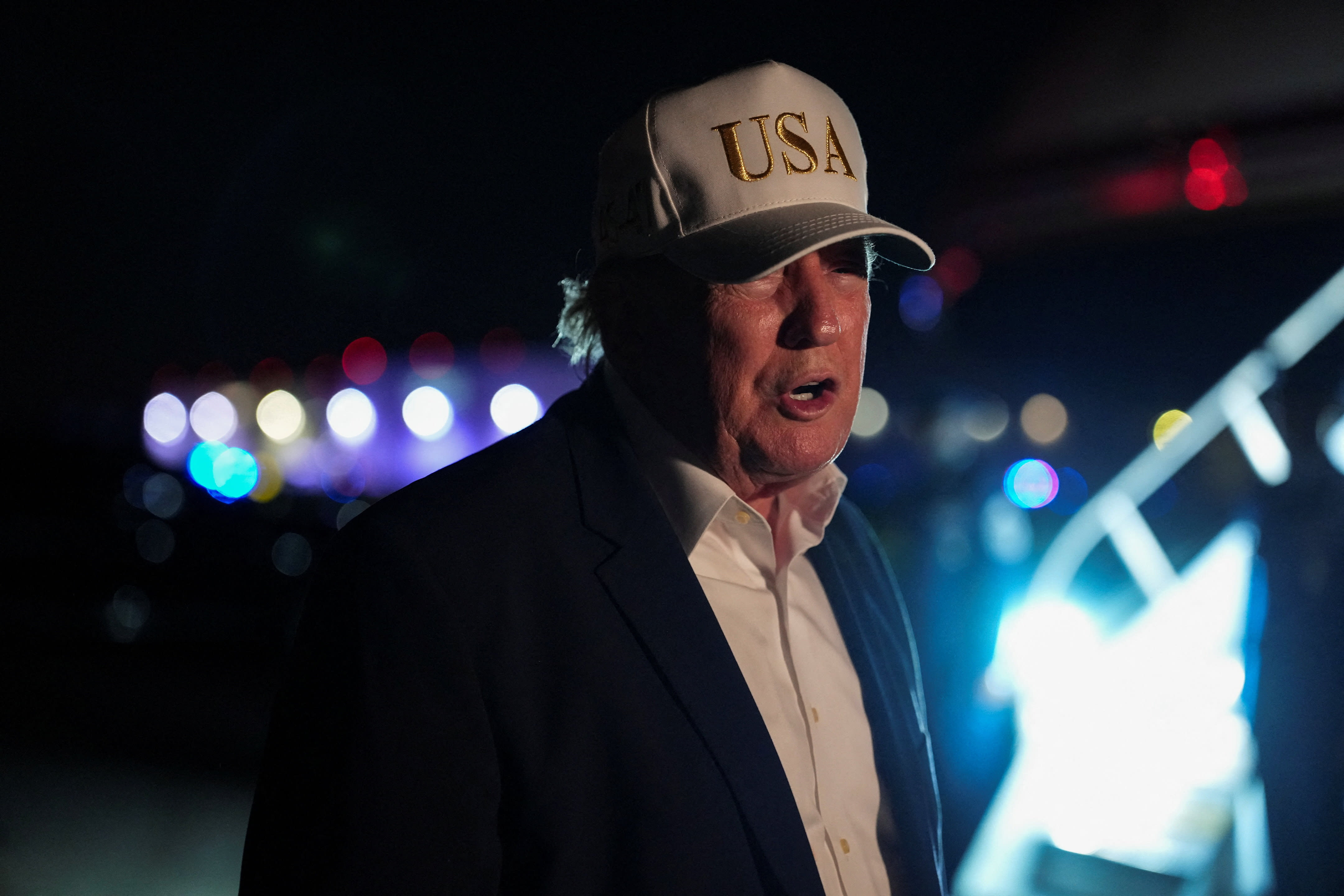
Placements are generated by an AI model from each article’s own headline and summary, and every quotation above is checked to be a real substring of that article before it is published. How this is done
Prism is free and carries no advertising. Support it if it was useful.