Russia and Ukraine to hold US-backed trilateral peace talks in Abu Dhabi with European participation despite Kremlin objections
Reported by
A dot shows how that piece reads — Prism rates articles, not outlets, and shows the words behind each placement below. No dot means the piece isn’t rated. How the ratings work

What happened
The account the coverage agrees on, with contested figures attributed rather than asserted. This is not one of the five framings below — it is the ground they all stand on.
Russian and Ukrainian officials are meeting in Abu Dhabi on Tuesday for two days of US-brokered talks—their first since February. President Trump said last week a broad peace deal was possible. Ukraine's President Zelenskiy said on Monday that Ukrainian battlefield successes and mounting Russian losses strengthen Kyiv's negotiating position. The Kremlin has rejected a European role in the talks, though EU Commission President Ursula von der Leyen said Europe will be "present alongside our partners." The talks remain stalled on the same issues: Ukraine demands security guarantees, which Russia treats as a non-starter.
Developing story · 3 chapters
- Trump meets with Russian envoy, predicts 'big agreement' on Ukraine with Russia
- Europe agrees to join US-brokered Ukraine talks in Abu Dhabi, defying Kremlin objections
- Russia and Ukraine to hold US-backed trilateral peace talks in Abu Dhabi with European participation despite Kremlin objectionsyou are here
How each side framed the previous chapter
Compare these with the five framings below to see what moved as the story developed — and what each side kept saying regardless.
Left
The U.S. is brokering talks that exclude the Global South and sideline European voices in decisions about Ukraine's future. Europe's participation is welcome, but these negotiations risk legitimizing Russian military aggression by treating it as a matter for diplomatic haggling rather than addressing fundamental violations of international law and Ukrainian sovereignty. Real peace requires accountability for war crimes and full Ukrainian self-determination, not backroom deals.
Center-left
Diplomacy is essential to ending the war, and expanding talks to include European representation strengthens the negotiating position. Europe's involvement ensures Western unity and prevents the U.S. from making concessions that undermine allied interests. These talks are a positive step, though skepticism about breakthroughs is warranted given the deep gulf between Russian and Ukrainian positions.
Center
The expansion of talks to include Europe alongside the U.S., Russia, and Ukraine is a procedural improvement—it brings more voices to the table and tests whether diplomatic channels remain open. The timing and limited expectations suggest both sides are willing to explore options without committing to major compromises. Whether this leads anywhere depends on whether the parties have actually shifted positions since February.
Center-right
Including European allies in these talks is the right approach, ensuring that any settlement reflects Western interests and reinforces NATO solidarity. The U.S. is wisely involving partners rather than negotiating alone. That experts see little prospect of breakthrough is realistic; Russia has shown no willingness to abandon territorial gains. These talks are a reasonable diplomatic check, but should not distract from supporting Ukraine's defense.
Right
The U.S. should not mediate talks that pressure Ukraine toward concessions it doesn't want. Europe's involvement risks diluting American leverage and creating committees that slow decisions. If talks happen, they should be Ukraine's choice, not engineered by Washington. The U.S. should focus on supporting Ukrainian victory, not on diplomatic processes that sound productive but deliver nothing while the war continues.
How the spectrum reads this story
The same event, summarised as five points on the political spectrum would each tend to frame it. These are generated by an AI model and are a starting point, not the last word.
Left
Trump is brokering talks that exclude Europe and may push Ukraine toward unfavorable concessions—a pattern of great-power diplomacy that sidelines smaller nations and their democratic allies. Russia has shown no genuine interest in peace and maintains maximalist demands, using talks tactically while continuing military operations. Ukraine shouldn't be forced to negotiate from weakness or surrender territory and security guarantees that its survival depends on. Any deal that favors Russian interests over Ukrainian sovereignty repeats the failed appeasement that emboldened invasion in the first place.
No article in this story reads this way. This is how the position tends to frame events like it — written by a model, not quoted from anyone.
Center-left
These talks offer a necessary diplomatic opening after months of stalemate, but early signs are concerning. Russia's rejection of European involvement and its intransigence on security guarantees suggest Moscow may be negotiating in bad faith. Ukraine's battlefield gains give it leverage, but Trump's dealmaking style risks pressuring Kyiv to accept terms that sacrifice long-term security for short-term peace. A sustainable settlement requires enforceable security commitments and respect for Ukrainian sovereignty, not a rushed agreement that leaves the conflict's root causes unresolved.
Drawn from 4 articles placed here, below.
Center
Talks resuming after nine months is positive; both sides have incentives to negotiate given war fatigue and costs. However, fundamental disagreements persist on security guarantees and territorial questions. Trump's involvement brings unpredictability—his eagerness for a deal could either unlock compromise or create pressure on Ukraine to concede too much. Europe's exclusion by the Kremlin is concerning but reflects Russia's preference for bilateral superpower diplomacy. The talks are worth pursuing, but expectations should be modest; breakthrough solutions to four-year conflicts are rare, and the sticking points haven't moved.
Drawn from 3 articles placed here, below.
Center-right
Trump's engagement is constructive—the US can use its diplomatic weight and leverage with both sides in ways Europe cannot. Russia has rejected European participation, which is their prerogative; these talks work better as a focused three-way conversation. Ukraine's recent military successes are real but unsustainable long-term given resource disparities; negotiations now, from a position of strength, are preferable to eventual exhaustion. Security guarantees for Ukraine are reasonable if they include NATO, but some territorial realities may need accepting. Ending this war serves US interests and global stability.
Drawn from 1 article placed here, below.
Right
Trump opening direct talks is the right move after years of European-led stalling and proxy warfare. The US should not subordinate its interests to European preferences or indefinite Ukrainian demands. Russia has legitimate security concerns in its own neighborhood that negotiations must address. Ukraine needs to accept that military victory is impossible and that some territorial adjustments may be necessary for sustainable peace. These talks should focus on realistic outcomes—security guarantees for Ukraine within a framework that also respects Russian interests—rather than ideological purity about borders.
No article in this story reads this way. This is how the position tends to frame events like it — written by a model, not quoted from anyone.
Hear two viewpoints debate it
Pick two viewpoints and Prism writes a short, six-turn exchange about this story in each one’s own voice — steel-manned, no winner declared. Each pairing is written once and then saved for every reader. The voices are AI syntheses of a tradition, not real people.
New pairing — Prism will write it now.
How each outlet covered it
Where Prism places each piece — not the outlet in general — with the words from that piece that put it there, and the photograph the outlet chose. Picking a photo is a framing decision too.
- Al-MonitorThis piece reads center-left
“Ukrainian battlefield successes and mounting Russian losses were strengthening”
Read the original - DWThis piece reads center-left
“the same sticking points remain. Ukraine continues to demand security”
FramingOpens by emphasizing continuity of deadlock rather than the diplomatic resumption itself, setting a skeptical frame about prospects.
Read the original 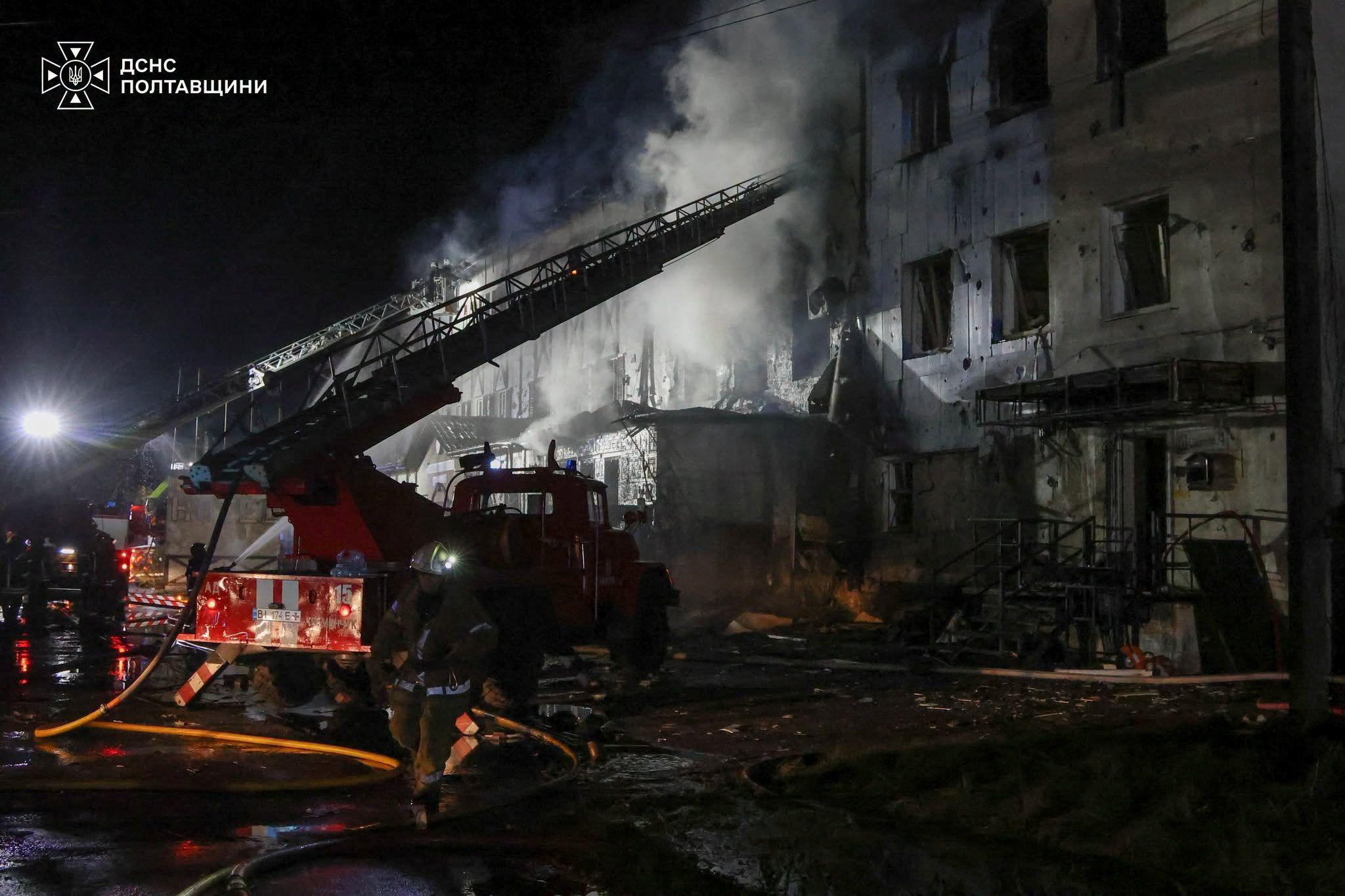
 The New YorkerThis piece reads center-left
“all sides remain deeply at odds”
FramingFrames both Russia and Ukraine as obstacles to Trump's initiative, placing them in symmetrical opposition to a US proposal rather than distinguishing their different negotiating positions or interests.
Read the original- RTÉThis piece reads center
“Russian and Ukrainian officials are to meet for two days of US-brokered talks”
Read the original - The Moscow TimesThis piece reads center
“Kremlin Rejects European Role in Upcoming Abu Dhabi Talks”
FramingLeads with the Kremlin's rejection as a headline action, emphasizing Russian agency in excluding Europe, whereas other outlets focus on what the talks aim to achieve.
Read the original - The Jerusalem PostThis piece reads center-right
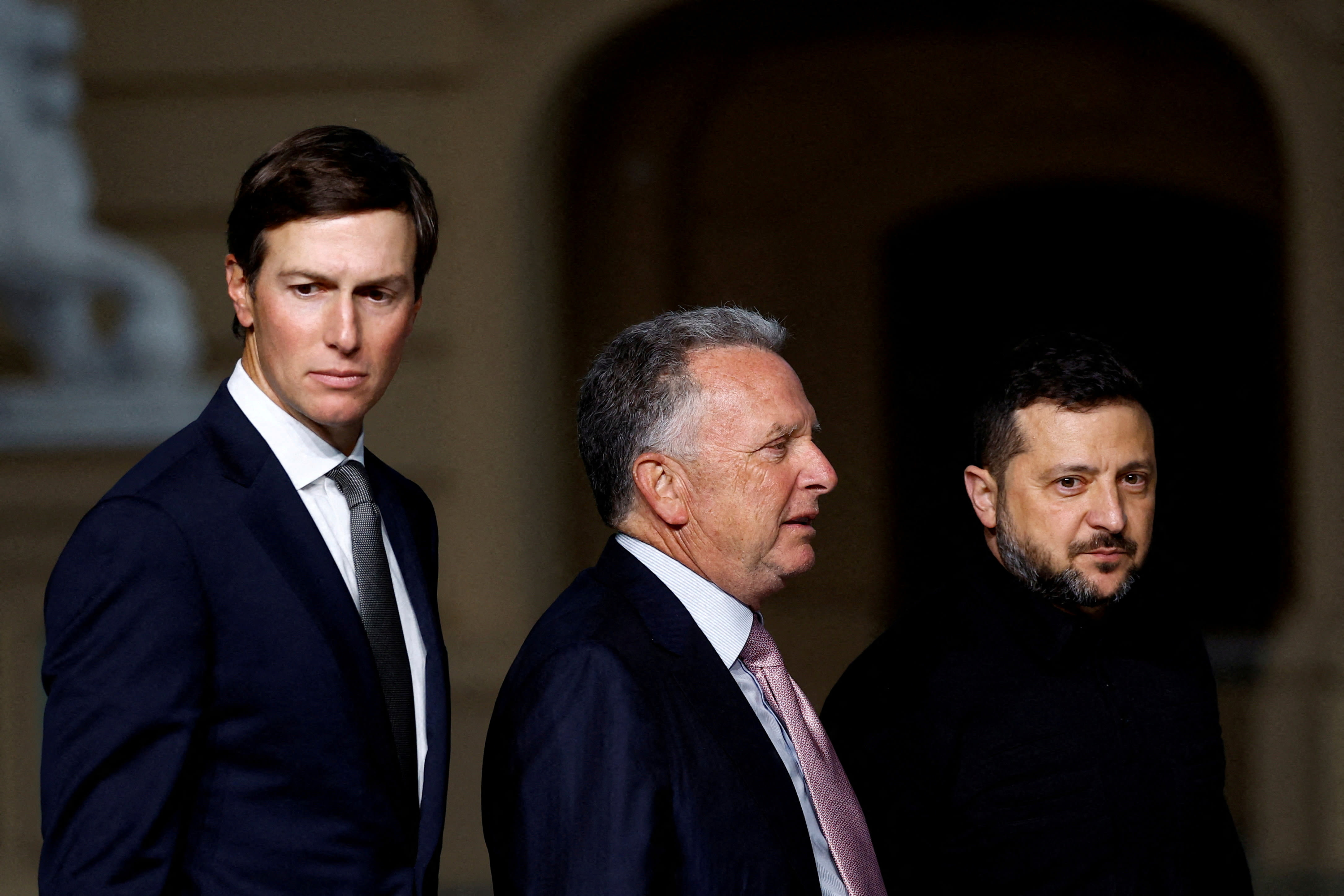
“We're having a very good conversation about that in Abu Dhabi”
Read the original
Placements are generated by an AI model from each article’s own headline and summary, and every quotation above is checked to be a real substring of that article before it is published. How this is done
Prism is free and carries no advertising. Support it if it was useful.