JD Vance blames Iran war for Republican midterm losses
Reported by
A dot shows how that piece reads — Prism rates articles, not outlets, and shows the words behind each placement below. No dot means the piece isn’t rated. How the ratings work

What happened
The account the coverage agrees on, with contested figures attributed rather than asserted. This is not one of the five framings below — it is the ground they all stand on.
In the 2026 midterm elections, Democrats won control of Congress in what outlets describe as a decisive victory. Vice President JD Vance publicly blamed the Iran war for Republican losses, stating the reason for defeat was the war itself. President Trump acknowledged the war played a role in GOP losses, though he attributed the bigger political liability to rising oil prices rather than the conflict itself. Some Senate races in Alaska and Mississippi remained uncalled as the blame game began.
Developing story · 7 chapters
- Americans vote in 2026 midterm elections
- Speaker Mike Johnson announces he will not seek Republican leadership after midterm defeat
- JD Vance blames Iran war for Republican midterm lossesyou are here
- Abdul El-Sayed wins Michigan Senate race, becomes first Muslim elected to Senate
- Senator Chuck Schumer speaks after Democrats win Senate control in midterms
- Annie Andrews wins South Carolina Senate seat, first openly gay senator elected
- Trump and Republicans blame Iran war for GOP midterm defeats
How each side framed the previous chapter
Compare these with the five framings below to see what moved as the story developed — and what each side kept saying regardless.
Left
Johnson's exit marks a moment of reckoning for a party whose extremism alienated voters. Republicans lost the House because their leadership failed to distance itself from MAGA radicalism and instead enabled it. Johnson's departure opens a question about whether Republicans will move toward accountability or double down by elevating someone even further right—early signs suggest the latter, with Jim Jordan positioning himself as successor. Either way, voters have spoken against Republican governance.
Center-left
Johnson's decision to step aside is the responsible choice after the GOP's significant midterm losses. Democrats won decisively, and leadership transitions after major electoral defeats are standard practice. The question now is whether Republicans will select a successor who can work across the aisle and stabilize governance, or whether leadership will shift further toward confrontation. A functioning opposition requires leaders willing to negotiate, and that should be a factor in who replaces Johnson.
Center
Johnson is doing what losing leaders do: making way for someone new. The midterms were a clear statement from voters, and accepting those results means accepting changes in party leadership. What matters now is who Republicans choose next. The scramble among potential successors reveals fault lines within the GOP itself—between those seeking to chart a course forward and those looking to pull harder in an established direction. How this plays out will tell us whether Republicans can function as a responsible opposition or will remain locked in internal conflict.
Center-right
Johnson made a pragmatic decision in stepping aside. Leadership requires the confidence of your caucus, and after losing the majority, maintaining that confidence becomes difficult. His exit creates space for Republicans to regroup and develop a compelling vision for 2026. The focus should be on selecting a leader with both principle and the ability to keep the caucus united around a forward-looking agenda—not one who simply promises to be tougher than the last, but one who can actually win back votes and govern effectively.
Right
Johnson's departure is long overdue. His leadership failed to stop Biden's agenda when Republicans held the majority, and his compromises weakened the party's position. The midterm losses reflect his inability to energize the base and articulate a clear conservative alternative. Republicans now have a chance to elevate someone with genuine conviction—someone willing to challenge the establishment consensus, fight for conservative principles without apology, and lead a unified opposition that actually opposes rather than accommodates.
How the spectrum reads this story
The same event, summarised as five points on the political spectrum would each tend to frame it. These are generated by an AI model and are a starting point, not the last word.
Left
The American public decisively rejected Republican governance and Trump's aggressive foreign policy, particularly the costly and unpopular Iran war that drained resources and national focus. Vance's willingness to break with Trump and name the war as the cause shows the depth of voter backlash. This result demonstrates that militarism and endless conflict abroad are not compatible with holding power at home, and offers an opportunity for Democrats to pursue a more restrained foreign policy.
Drawn from 1 article placed here, below.
Center-left
Voters turned decisively against the Republican party and Trump's Iran war policy in the midterms, handing Democrats control of Congress. Vance's public criticism of the war, even as vice president, signals growing recognition within GOP ranks that the conflict became a political liability. The result suggests Americans want a course correction on foreign policy and offers Democrats a mandate to pursue diplomatic alternatives to military intervention.
Drawn from 3 articles placed here, below.
Center
The 2026 midterms produced a significant Democratic wave that flipped Congress. Both Vance and Trump acknowledged the Iran war's political impact, though they disagreed on whether the war itself or its economic consequences—rising oil prices—mattered more. Vance's somewhat independent assessment suggests internal Republican debate about whether the conflict was sound policy, a useful political lesson about the costs of sustained military commitments when public support erodes.
Drawn from 4 articles placed here, below.
Center-right
Democrats won the 2026 midterms partly because of economic pressures, particularly oil price increases tied to the Iran conflict. While the war may have been strategically necessary, its domestic costs proved significant. Vance's candid assessment, though critical of Trump's judgment, reflects a legitimate debate within conservatism about balancing foreign commitments against domestic political viability and whether the administration adequately prepared the public for those costs.
Drawn from 2 articles placed here, below.
Right
The 2026 midterms dealt Republicans a setback that Vance attributed to the Iran war, though Trump correctly noted that oil prices—the economic pain Americans felt—were the true culprit. The result shows that military commitments, however justified strategically, require public buy-in and cannot survive economic hardship at home. Republicans must learn that sustainable foreign policy requires either public support or economic insulation from its costs; neither was achieved here.
No article in this story reads this way. This is how the position tends to frame events like it — written by a model, not quoted from anyone.
Hear two viewpoints debate it
Pick two viewpoints and Prism writes a short, six-turn exchange about this story in each one’s own voice — steel-manned, no winner declared. Each pairing is written once and then saved for every reader. The voices are AI syntheses of a tradition, not real people.
New pairing — Prism will write it now.
How each outlet covered it
Where Prism places each piece — not the outlet in general — with the words from that piece that put it there, and the photograph the outlet chose. Picking a photo is a framing decision too.
 UnHerdThis piece reads left
“hawks brought down the Republicans”
Word choiceAttributes the defeat to 'hawks' rather than the war itself, naming the ideological camp responsible rather than just the policy outcome.
Read the original Daily MailThis piece reads center-left
“stunning rebuke”
Word choiceEmphasizes conflict and drama in Vance's criticism by calling it a 'stunning rebuke,' where other outlets present his statement more neutrally as a blame or assessment.
Read the original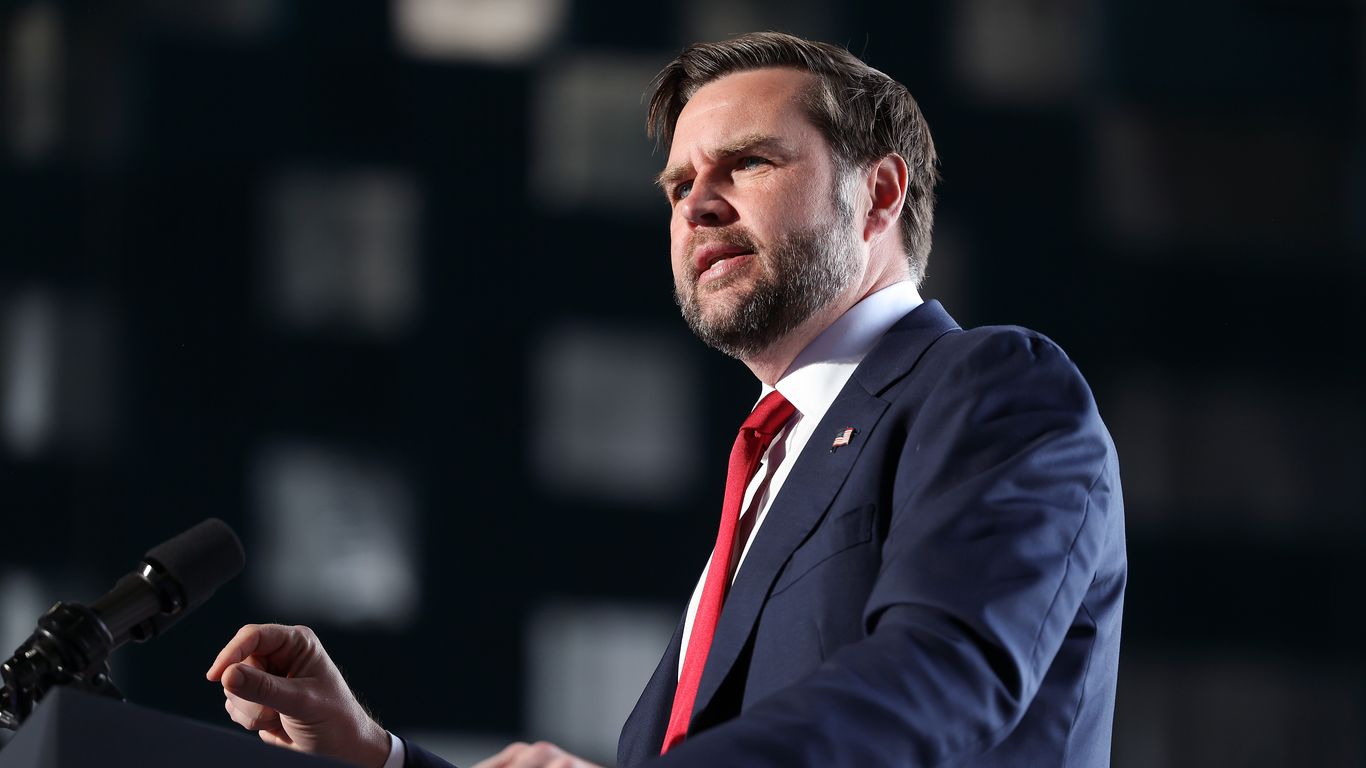 AxiosThis piece reads center-left
“surprisingly blunt assessment”
FramingExplicitly interprets Vance's statement as a strategic political move positioning him for 2028, framing it as calculation rather than just policy criticism.
Read the original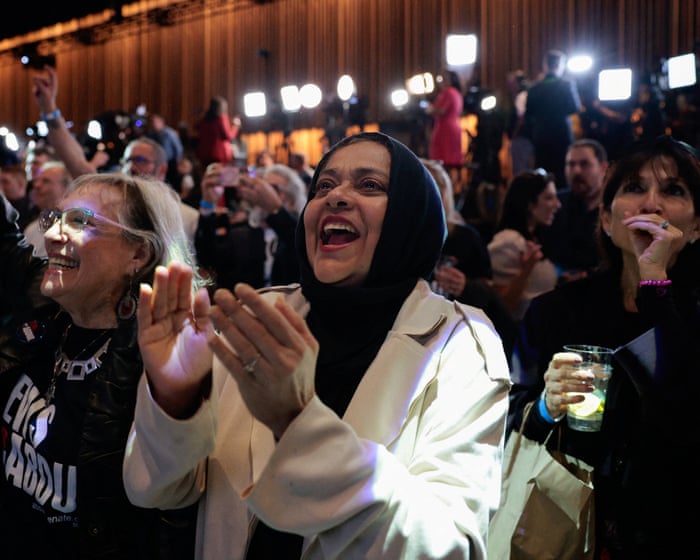 The GuardianThis piece reads center-left
“brutal midterms losses”
Word choiceUses 'brutal' to describe the scale of Republican defeat, language more vivid than the neutral 'losses' or 'crushing defeat' in other outlets.
Read the original NewsNationThis piece reads centerHeadline changed after publishing
Headline changed from: Vance blames Iran war for Republican midterm losses. To: Vance blames Iran war for GOP losses, Trump says war was worth it.
- AttributionAdded the attribution “says” — the claim is now put in someone's mouth.
- Who is namedNo longer names “Republican”.
- Who is namedNow names “Trump”.
SpectrumCenter→Center-rightPrism reads the rewritten headline as center-right, where the original read center.
“blames Iran war for Republican midterm losses”
Read the original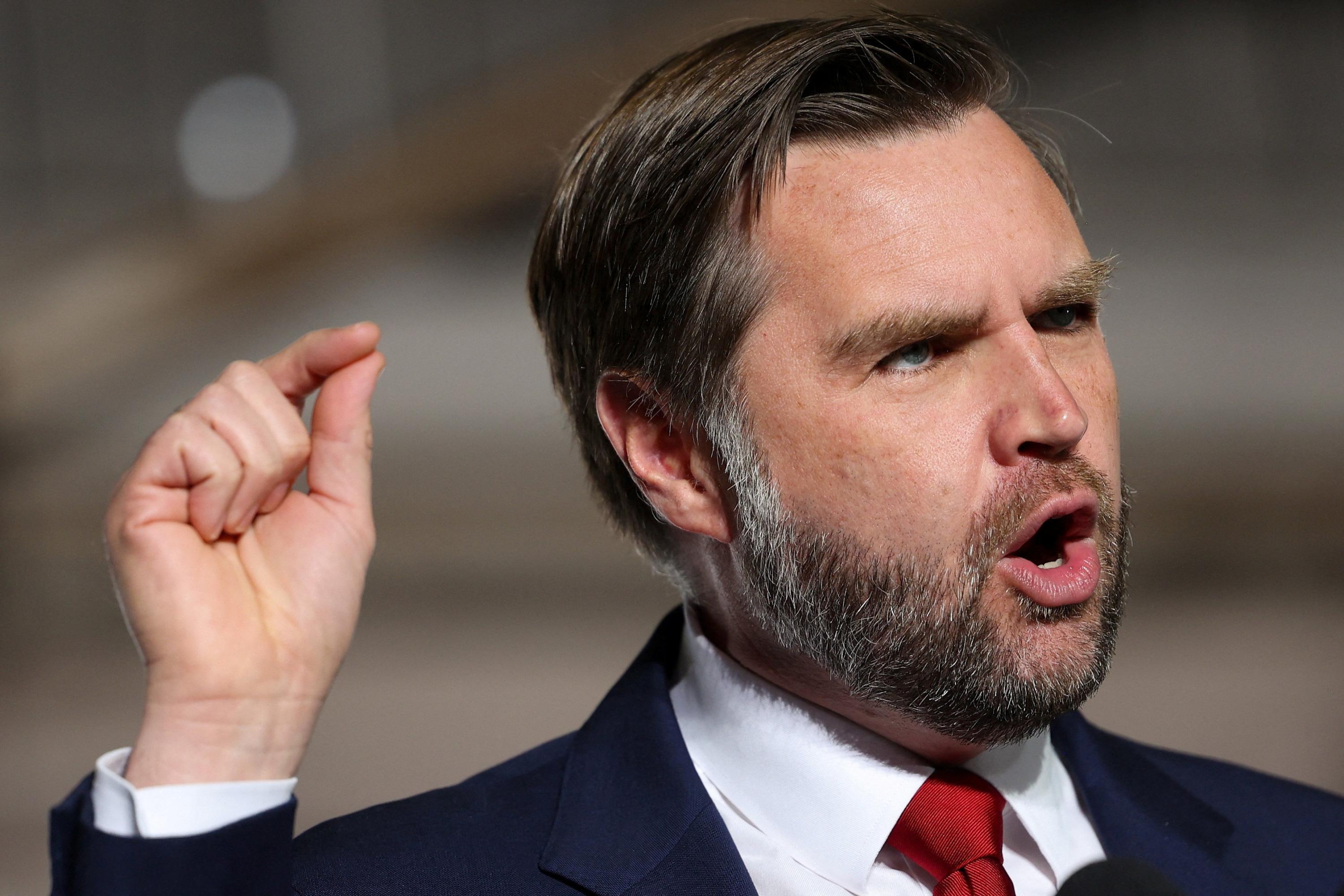

 RealClearPoliticsThis piece reads center-right
“rise in oil prices-rather than the war itself”
Read the original
Placements are generated by an AI model from each article’s own headline and summary, and every quotation above is checked to be a real substring of that article before it is published. How this is done
Prism is free and carries no advertising. Support it if it was useful.