2026 US midterm elections held on November 3
Reported by
A dot shows how that piece reads — Prism rates articles, not outlets, and shows the words behind each placement below. No dot means the piece isn’t rated. How the ratings work

What happened
The account the coverage agrees on, with contested figures attributed rather than asserted. This is not one of the five framings below — it is the ground they all stand on.
On November 3, 2026, Americans voted in midterm elections to determine control of the House of Representatives and one-third of the Senate, with polls closing across states beginning in the evening. The election was widely characterized as a referendum on President Donald Trump's administration. Results began coming in as polls closed, with at least one Democratic Senate victory reported by some outlets. Voters were deciding whether to change congressional control for the remainder of Trump's second term.
How the spectrum reads this story
The same event, summarised as five points on the political spectrum would each tend to frame it. These are generated by an AI model and are a starting point, not the last word.
Left
Working people delivered a clear repudiation of Trumpism, with voters rejecting an agenda that has failed to address inflation and corporate price-gouging. Early results show Democrats making gains, signalling appetite for genuine structural change—higher wages, healthcare for all, climate action—rather than Trump's continued giveaways to the wealthy. The outcome reflects growing recognition that Republican trickle-down economics doesn't work.
Drawn from 1 article placed here, below.
Center-left
Voters used the midterms to check Trump's power, concerned about his administration's direction and frustrated by persistent inflation. Democratic gains, especially any Senate victories, suggest the electorate wants institutional restraint on executive overreach and a return to more orthodox governance. These results argue for a divided government that can negotiate rather than one party wielding total control.
Drawn from 6 articles placed here, below.
Center
The midterms show an electorate split on priorities but unified in caution. Voters aren't endorsing either party wholesale—they're using their ballots to hedge, denying any side total power while asking for competence and measured policy-making. Democratic Senate wins alongside a mixed House reflect pragmatism: people want checks on any president, institutional friction that forces compromise, and evidence that policies are actually working before embracing them further.
Drawn from 10 articles placed here, below.
Center-right
Americans have given their verdict on the first two years of Trump's second term. Voters weighed his economic record, his policies, and his leadership style, and some districts shifted toward Democrats seeking a counterweight. The results are what a healthy republic produces: accountability. Where Republicans lost, they should listen; where they held, they have a mandate. Divided government can work if both sides govern responsibly.
No article in this story reads this way. This is how the position tends to frame events like it — written by a model, not quoted from anyone.
Right
The election shows that Trump's agenda still has work to do in shifting the permanent bureaucracy and institutional resistance to his America First platform. Some districts moved away from Republicans, but Trump retains significant support and the ability to set the national conversation. The real test is whether Republican leaders use these results to double down on popular policies—border security, trade protections, inflation relief—or whether they compromise away the gains of the last two years.
No article in this story reads this way. This is how the position tends to frame events like it — written by a model, not quoted from anyone.
Hear two viewpoints debate it
Pick two viewpoints and Prism writes a short, six-turn exchange about this story in each one’s own voice — steel-manned, no winner declared. Each pairing is written once and then saved for every reader. The voices are AI syntheses of a tradition, not real people.
New pairing — Prism will write it now.
How each outlet covered it
Where Prism places each piece — not the outlet in general — with the words from that piece that put it there, and the photograph the outlet chose. Picking a photo is a framing decision too.
 Daily MirrorThis piece reads left
“humiliating midterm results”
Word choiceFrames potential Republican losses with 'humiliating,' a judgment-laden term that other outlets avoid, suggesting embarrassment for Trump specifically.
Read the original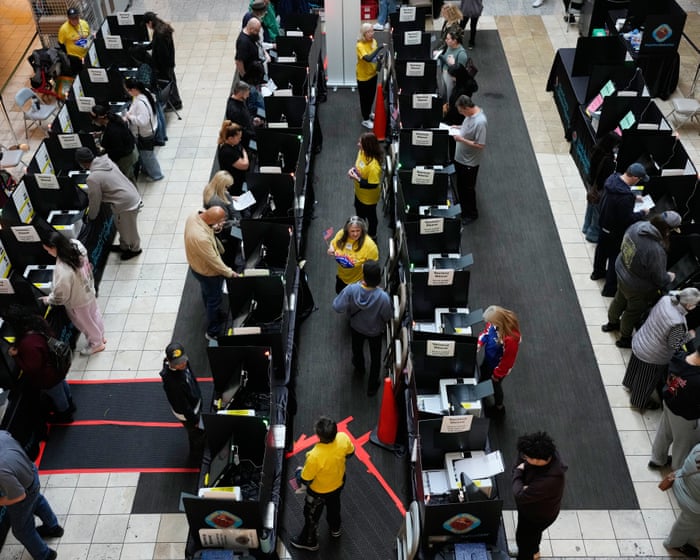 The GuardianThis piece reads center-left
“referendum on Trump's second term”
Word choiceUses 'referendum' to characterize the midterms as a direct judgment on Trump personally and his record, rather than a routine election for congressional seats.
Read the original TimeThis piece reads center-leftHeadline changed after publishing
Headline changed from: Democrats Claim Their First Senate Win as Midterm Polls Begin to Close: Live Election Updates. To: Democrats Win Control of House and Senate in Rebuke of Trump Agenda: Live Election Updates.
SpectrumCenter→Center-leftPrism reads the rewritten headline as center-left, where the original read center.
“shape the rest of Trump's presidency”
Read the original- CBS Newsnot ratedRead the original
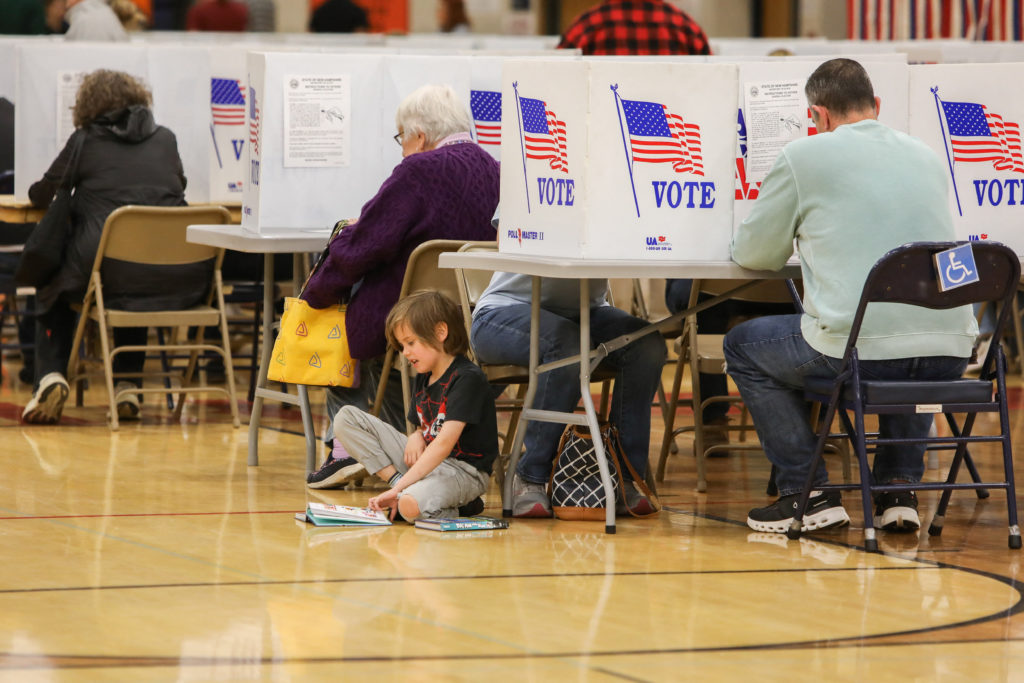 PBS NewsHourThis piece reads center-left
“referendum on President Trump and his administration”
What's left outRaises specific allegations about Department of Justice actions regarding voter rolls and results that other outlets do not mention in their coverage.
Read the original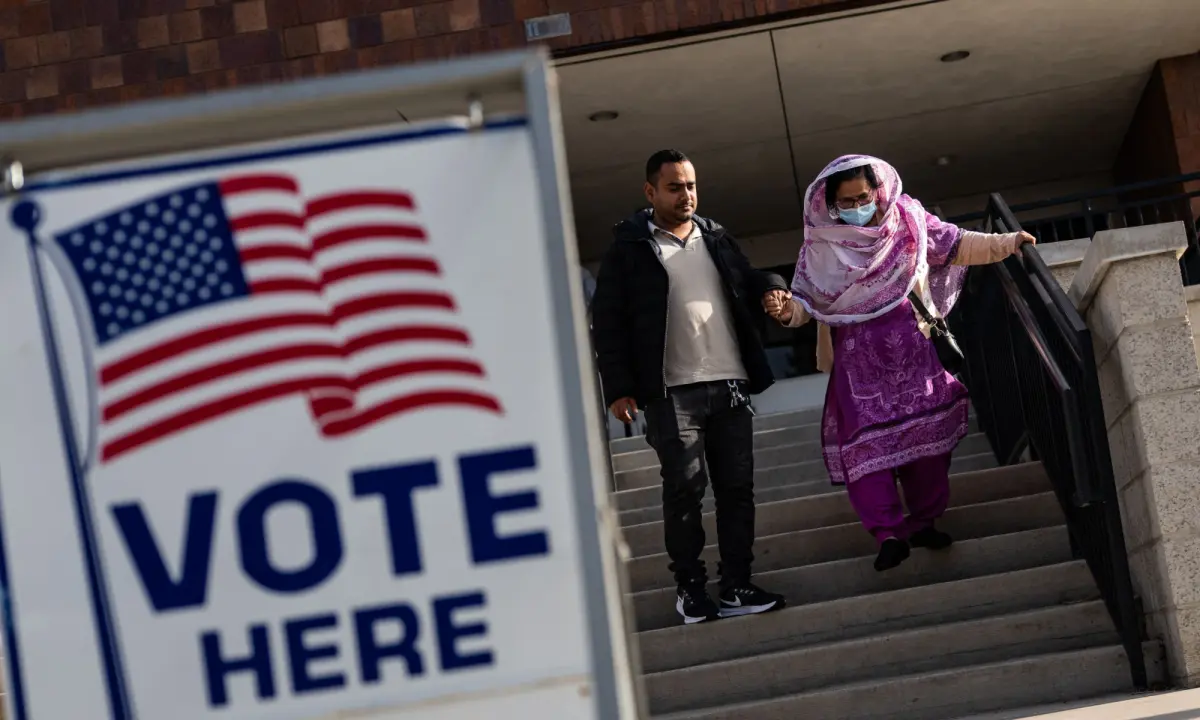 DawnThis piece reads center-left
“wrest control of Congress from his Republican Party”
Read the original Le FigaroThis piece reads center
“renouveler l'intégralité de la Chambre des représentants”
Word choiceDescribes the elections as having the appearance of a referendum on Trump, emphasizing Trump as the central figure rather than congressional control itself.
Read the original Financial TimesThis piece reads center
“high-stakes vote for control of US Congress”
Read the original
 Straight Arrow Newsnot ratedRead the original


Placements are generated by an AI model from each article’s own headline and summary, and every quotation above is checked to be a real substring of that article before it is published. How this is done
Prism is free and carries no advertising. Support it if it was useful.