At an Iowa rally on Thursday, President Trump called for Rep. Ilhan Omar's resignation and alleged she used a 'fake name' in Congress, citing an unspecified new report. Trump also questioned whether she was 'allowed to marry your brother.' Ten days earlier, the Justice Department raided Omar's home as part of an immigration fraud probe. Rep. Randy Fine said he would pursue House expulsion if the DOJ finds her guilty.
From the center: Multiple allegations have surfaced against Omar—immigration fraud under federal investigation, and claims about her name and personal history—but the facts remain contested and unverified. Trump is using the issue politically, while Omar denies wrongdoing. Rather than premature demands for resignation or dismissals as pure conspiracy, the appropriate course is to let the Justice Department investigation proceed with transparency, allow Omar to answer the charges, and let Congress decide any disciplinary action based on actual findings, not campaign rhetoric.
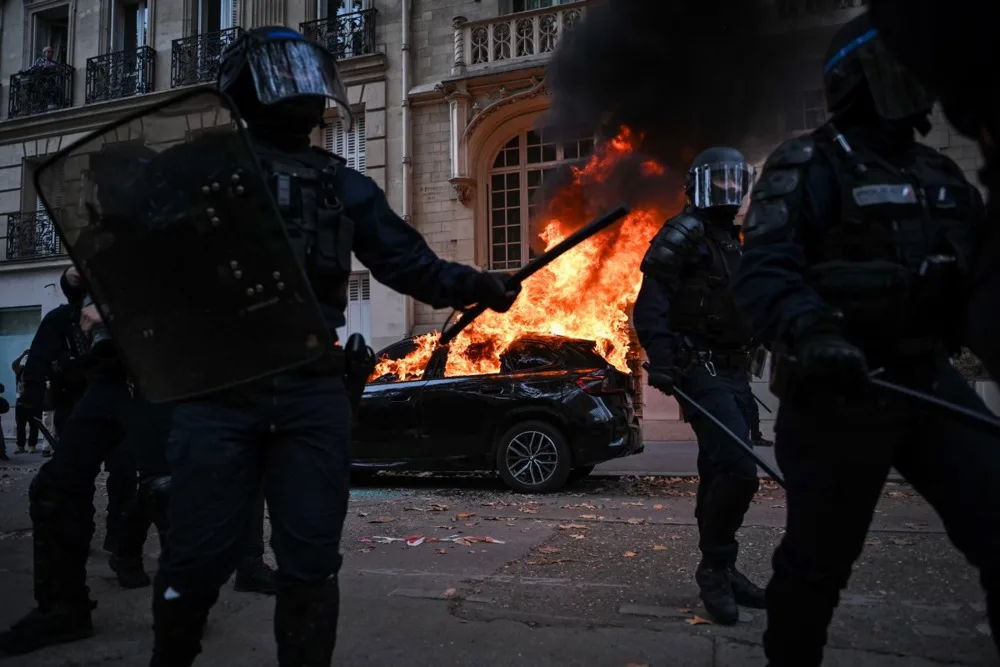
France deployed 70,000 police officers nationwide ahead of expected protests and demonstrations planned for Saturday. Interior Minister Laurent Nunez said authorities would take a hardline stance against those committing violence, looting, and vandalism.
From the center: France faces a genuine dilemma: managing the real risk of escalating violence while respecting the right to protest. Last week's rioting was serious enough to warrant a strong preventive response, but 70,000 officers and curfews risk inflaming tensions further if they're perceived as heavy-handed. The government's challenge is calibrating force—enough to deter vandalism and looting without appearing to suppress legitimate dissent. Shopkeepers' precautions show the cycle of escalation: fear of unrest leads to visible security measures, which can themselves provoke confrontation.
Drawn from 3 articles placed here, below.
No ads, no paywall
Prism is free to read and carries no advertising. Reader support pays for the news gathering. Support it if it’s useful to you.
Two Israeli soldiers, Staff Sergeant Ron Yonatan Roytman and Sergeant Yuval Shai Svilem, were killed in a shooting attack near Hebron in the occupied West Bank on Friday morning. Two Palestinian gunmen, whom Israeli authorities alleged were members of Hamas, opened fire at an IDF position; three others were also injured. Israeli soldiers killed the two alleged attackers.
From the center: A tragic attack and a serious security breach, but the announced response requires careful calibration. Lockdowns and demolitions are blunt instruments that harm civilians and rarely achieve lasting security gains. Israel faces a genuine threat that demands action, yet broad collective measures often backfire by deepening grievance and recruitment to militant groups. A focused investigation into the attackers and their networks, coupled with targeted security measures, would better serve both security and long-term stability than sweeping closures.
The Justice Department is investigating Corey Lewandowski, a Trump ally who served as a top aide to DHS Secretary Kristi Noem, following a referral from Homeland Security investigators. Rolling Stone reports he has been accused of soliciting payments in exchange for DHS contracts. No charges have been filed and details of the inquiry remain unclear.
From the center: A Justice Department investigation into a Trump administration official for alleged contract-related misconduct has been triggered by internal DHS referrals. The specifics are still emerging, and it is premature to draw conclusions about either guilt or systemic problems. Both the fact that career inspectors identified concerns and that the DOJ is examining them suggest institutions are functioning, though the rarity of such investigations under this administration—per the NYT—is worth noting as context.
The Supreme Court on Thursday granted an emergency application by New Hampshire Secretary of State David Scanlan, allowing the state to enforce a directive prohibiting the use of student IDs in elections. Justice Ketanji Brown Jackson dissented alone. The ruling overturned a lower court decision that had blocked the ban ahead of the November midterm elections.
From the center: The Supreme Court faced a genuine tension between two principles: respecting state authority over elections and ensuring voting access. The court chose to defer to the state's judgment and avoid changing election rules close to voting day—a reasonable but not costless choice. Whether student IDs pose a genuine fraud risk or whether the ban will meaningfully affect turnout remains disputed.
The U.S. and Israel have drawn up plans for renewed military strikes on Iran targeting nuclear, energy, and military facilities, to occur after U.S. midterm elections on November 3, according to reporting by The New York Times cited across multiple outlets. The White House stated Thursday it will not resume attacks before the election.
From the center: Both military readiness and diplomatic efforts are underway simultaneously—a pragmatic hedging of bets. The U.S. and Israel plainly have legitimate concerns about Iranian capabilities, which justifies planning for contingencies. Yet restraint before the election shows political judgment about not widening war during a campaign. The genuine problem is that neither side fully trusts the other enough to de-escalate confidently. Mediators attempting talks is the right move; so is keeping military options prepared if talks fail. The challenge is managing this balance without letting either track undermine the other.
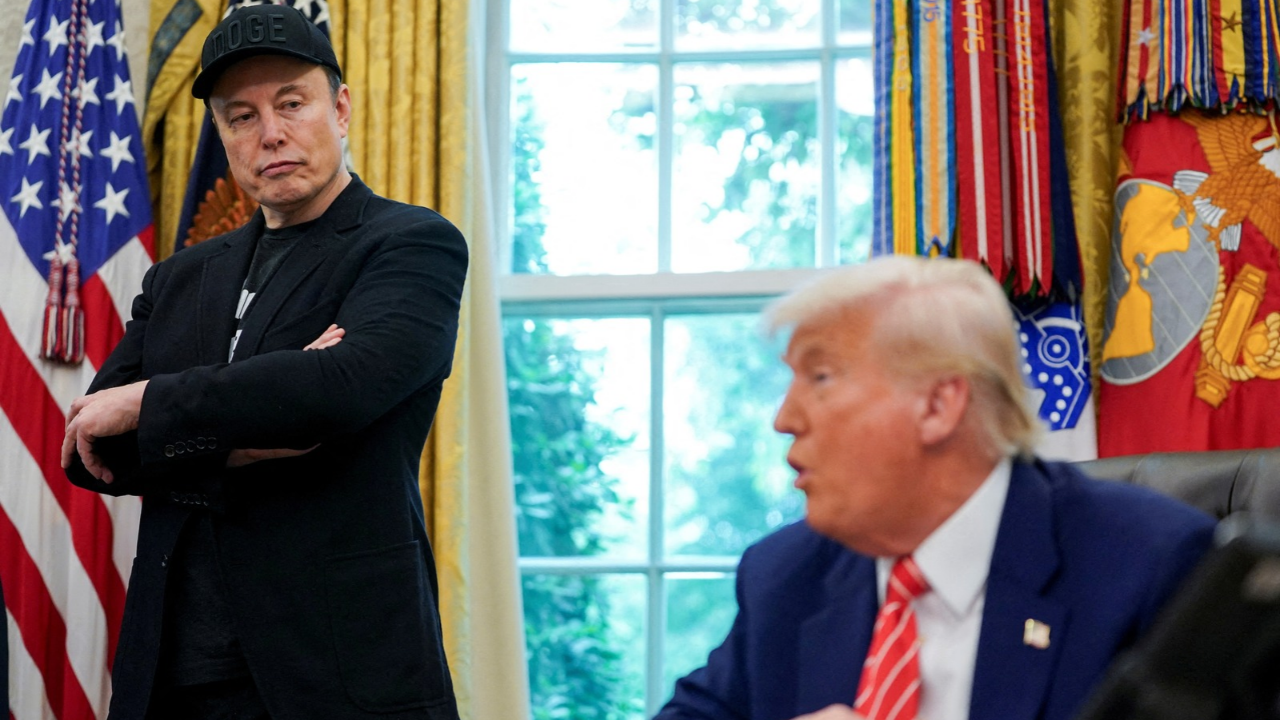
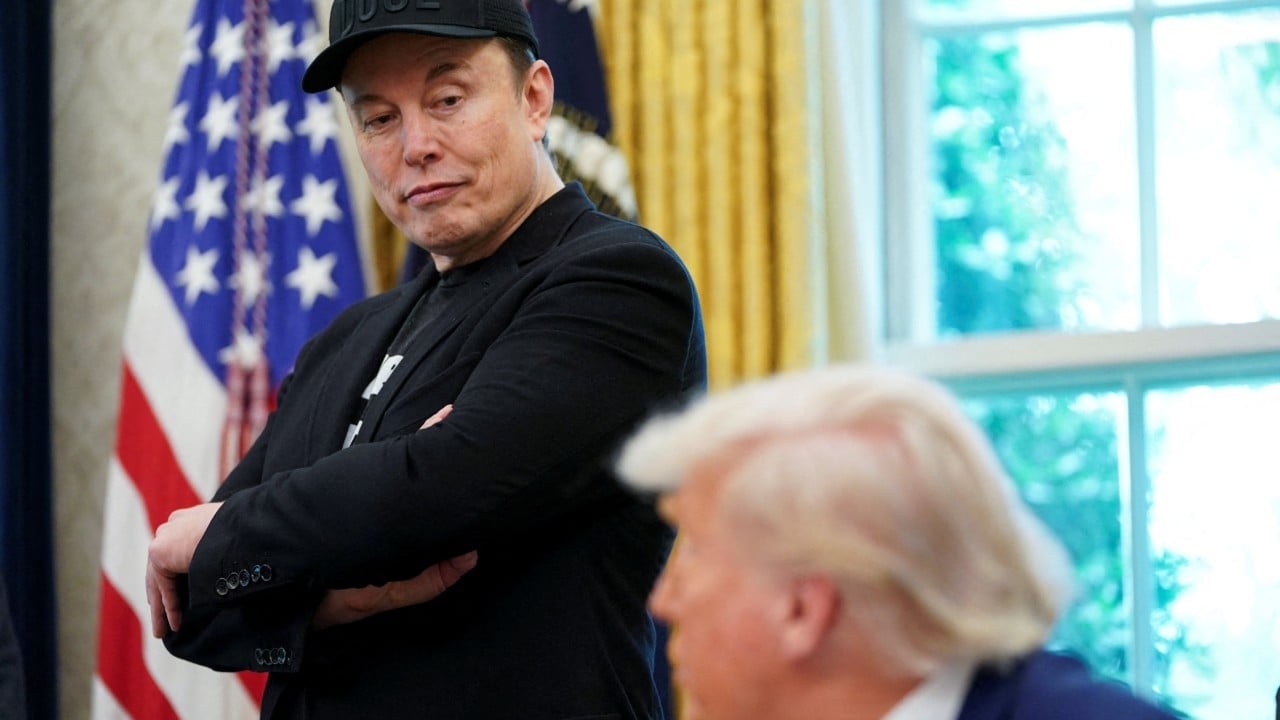
President Trump called Elon Musk on Wednesday and asked him to lift restrictions on Starlink access in Ukraine, according to the Wall Street Journal. Musk had previously restricted the service, affecting Ukraine's military communications and drone operations. Trump said Musk had restored access, though Ukrainian President Zelenskiy said Thursday that Starlink speeds had not been fully restored.
From the center: This situation illustrates the messy reality of modern warfare and corporate power. Starlink has genuinely helped Ukraine defend itself, but relying on one private system leaves it vulnerable to the owner's personal decisions. Trump's successful intervention shows the value of having access to influential figures, yet also highlights Ukraine's precarious position. The real lesson is that allied nations need redundant, independent communications systems rather than depending on any single provider, however helpful it has been.
Vivek Ramaswamy, the Republican gubernatorial nominee in Ohio, released a campaign ad featuring Amy Acton's estranged mother criticizing the Democratic nominee. Ohio Gov. Mike DeWine, a Republican, called the ad "deeply, deeply troubling" and "wrong" on Thursday and urged Ramaswamy to remove it. Ramaswamy has refused to apologize and said he would spend more to promote the ad.
From the center: This ad illustrates a genuine tension in campaign ethics. Opposition research and tough messaging are standard, but using a candidate's estranged family member—particularly one involved in a sensitive personal matter—raises real questions about where lines should be drawn. DeWine and Trump's disagreement reflects legitimate disagreement about campaign norms: how aggressive can you be without crossing into exploitation? The fact that Ramaswamy won't remove it despite significant pressure suggests he calculates the ad helps him electorally, which may be true, but it's worth asking whether winning this way damages the political process itself.
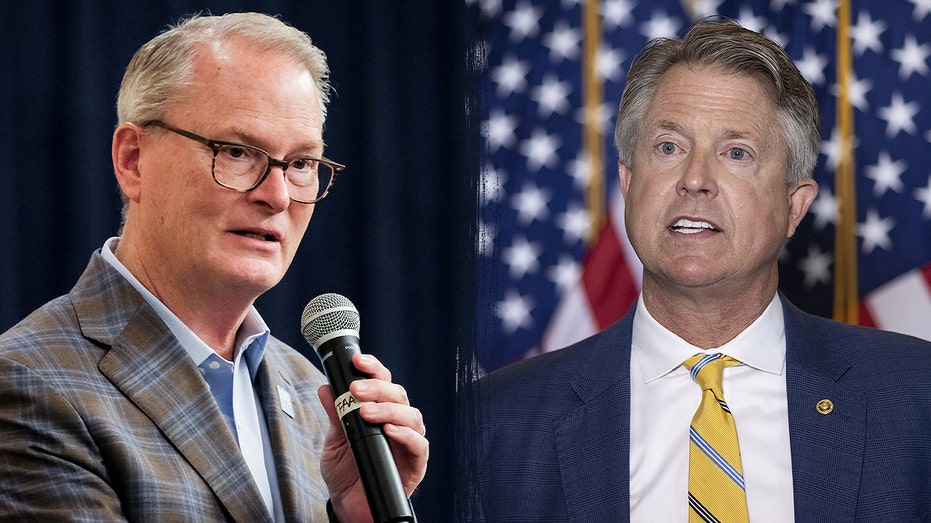
Michigan and Kansas held major Senate debates on Wednesday night ahead of the 2026 midterm elections. The Michigan debate between Democrat Abdul El-Sayed and Republican Mike Rogers was described as bitterly personal and ferociously contested, in a race that outlets note could affect control of the Senate chamber. President Trump campaigned for Republican candidates in South Carolina.
From the center: Michigan and Kansas held major Senate debates Wednesday, with Michigan's race between El-Sayed and Rogers proving especially contentious. Both parties recognize these contests as pivotal to the midterm outcome and Senate control. The contrast in tone between the two states' debates underscores how races vary by state and candidate—some combative, others more measured—each reflecting local dynamics and what voters there care about most.
From the center: A polling firm's fabrication of survey data is a concrete wrongdoing that damaged individual campaigns and raises legitimate questions about data integrity in elections. The incident merits investigation to establish facts and accountability. However, the scale and impact remain unclear—how many races were affected, and to what degree? Careful scrutiny of both the fraud itself and any attempts to exploit it for broader political claims is warranted.
U.S. District Judge Araceli Martínez-Olguín blocked Department of Homeland Security field operations in nine states, including California, Connecticut, Georgia, Missouri and Nevada. The ruling, issued Wednesday, bars DHS agents from conducting elections-related field interviews aimed at identifying noncitizens registered to vote.
From the center: A judge has blocked a controversial DHS effort to investigate noncitizen voter registration in nine states, citing Voting Rights Act violations. The operations raised genuine questions about implementation and civil liberties protections, though election security is a legitimate government interest. The court's decision reflects tension between preventing fraud and protecting voters from overly broad investigations. Both election integrity and voting access matter; courts must weigh these competing interests carefully, and this judge determined the operations as conducted crossed the line.
Federal agents conducted a pre-dawn raid on Minnesota congresswoman Ilhan Omar's Washington DC apartment last week as part of an immigration investigation. According to Omar, agents seized over a dozen items including cell phones and notebooks. Omar has not been charged with a crime and maintains she has done nothing wrong.
From the center: Federal agents raided congresswoman Ilhan Omar's apartment in a pre-dawn operation connected to an immigration investigation. They collected over a dozen items including phones and notebooks. Omar, who has not been charged, says the raid and subsequent public attention have created safety risks forcing her to relocate. The facts of the investigation itself—what sparked it, what it concerns, and what evidence exists—remain largely unknown to the public, making it difficult to assess whether the raid's intensity was justified or whether safety concerns are well-founded.
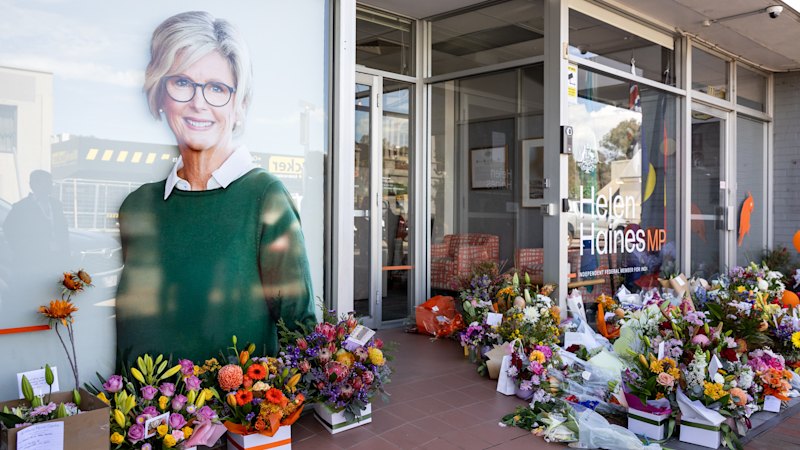
Australian independent MP Helen Haines was struck by a Toyota Land Cruiser outside her Wangaratta office in Victoria on Monday. She was pinned against her car and has had both legs amputated. Police arrested a man; outlets identify him as Brendan Nugent. Police are investigating the motivation, which they describe as needing to be explored. Haines remains in critical but stable condition in hospital.
From the center: An independent MP was hit by a vehicle outside her office, resulting in amputation of both legs. She is in critical but stable condition. A man has been arrested and police are investigating his motivation. The incident has prompted politicians to raise safety concerns with security officials and sparked vigils in the community. The facts of what happened are clear; the causes and broader implications will become clearer as the investigation proceeds. Both supporting the victim and understanding what drove the attacker are important.
A New Mexico judge ordered Meta to pay $25 billion on Wednesday after a jury found the company misled consumers about data privacy in connection with the Cambridge Analytica scandal, when a political consulting firm obtained Facebook user data without consent during Donald Trump's 2016 presidential campaign. The jury found Meta committed over 43 million violations of New Mexico's consumer protection laws.
From the center: The ruling reflects appropriate judicial enforcement of consumer protection law against documented corporate wrongdoing. A jury found Meta misled users; a judge imposed a substantial penalty. The question of whether $25 billion is the right amount involves genuine trade-offs: enough to deter misconduct, but not so large it destabilizes the company or sets precedent that chills innovation. The case also raises the broader question of what mix of enforcement, regulation, and market pressure best protects consumers.
The U.S. State Department ordered the departure of non-essential embassy staff and their families from Saudi Arabia and other Gulf states (Jordan, UAE, Qatar, Bahrain) on Wednesday, citing sustained attacks by Yemen's Houthis. The order came after Houthi drone strikes killed at least one person, including an attack on Saudi Aramco's Shaybah oilfield, and damaged civilian airports and critical infrastructure.
From the center: The State Department made a reasonable decision to protect embassy staff and families from documented Houthi attacks that have already caused casualties. Evacuations of non-essential personnel are standard practice when security deteriorates. The challenge is balancing necessary precautions with maintaining diplomatic presence and regional engagement. The order affects multiple Gulf states, suggesting U.S. officials assess this as a regional risk requiring a coordinated response rather than a crisis isolated to Saudi Arabia.
Vivek Ramaswamy, the Republican gubernatorial nominee in Ohio, released an ad featuring Amy Acton's estranged mother criticizing Acton, who is the Democratic nominee for governor. Acton has not seen her mother since her stepfather was charged with sexual abuse in Acton's childhood. The ad has drawn bipartisan criticism. Vice President JD Vance defended Ramaswamy, telling Republicans to "stop whining" about it.
From the center: Campaigns involve tough tactics, but there are limits to what most voters find acceptable. Using someone's estranged family member as a political weapon—especially given the traumatic history involved—strikes many people as crossing from hard-hitting to gratuitously cruel. Vance's "stop whining" framing dismisses legitimate discomfort with the approach, while Husted's willingness to break ranks suggests this damages Ramaswamy more than it helps him. The question is whether Ohio voters will punish the tactic or move past it by November.
France's 10-year bond yield rose above 5% for the first time since 2002, with some reports citing rates as high as 4.94%. The rise occurred amid widespread protests and unrest in France. The spread between French and German 10-year bonds reached nearly 160 basis points. Yields had stood at 3.2% in late February.
From the center: France faces a genuine dilemma: markets are signaling concern about public finances and political uncertainty, which raises real borrowing costs. But markets sometimes overcorrect. The government must restore confidence through transparent fiscal planning and political stability, while avoiding both reckless spending and counterproductive austerity that would deepen unrest. Pragmatic reform—not ideology in either direction—is needed.
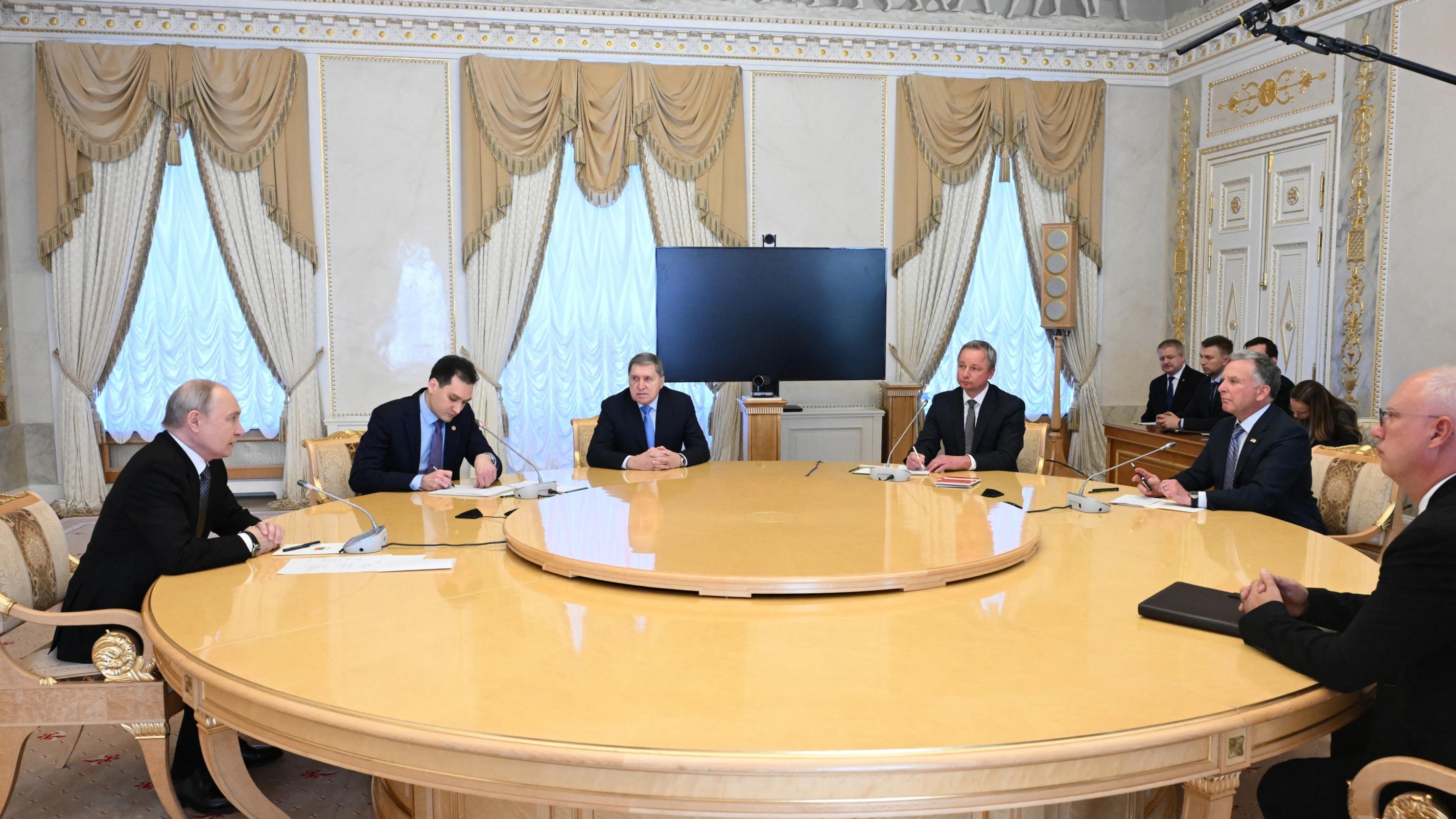
Steve Witkoff, a Trump adviser, met with Vladimir Putin in St. Petersburg for nearly three hours on Wednesday. Russia's Kremlin spokesperson said proposals transmitted after Oslo talks "don't contain much." Ukrainian President Zelensky indicated openness to ending the war with frozen front lines, conditional on U.S. and European security guarantees.
From the center: Diplomatic channels are opening between Washington and Moscow, which could eventually produce a settlement, but the process carries significant risks. Zelensky's conditional openness to a frozen conflict suggests room for negotiation, yet Russia's dismissal of recent proposals and Trump's apparent eagerness to deal create misaligned expectations. The real question is whether mediation leads to a sustainable arrangement or simply allows Russia to consolidate gains while the U.S. reduces its role. Europe's capacity matters, but American security guarantees remain central to any agreement's credibility.
U.S. envoy Steve Witkoff visited St. Petersburg on October 21-22 for talks with Russian President Putin focused on ending the war in Ukraine. During the visit, Russia released Stephen Hubbard, a 74-year-old American who had been imprisoned for over four years on charges of fighting as a mercenary in Ukraine.
From the center: The Witkoff mission represents a serious attempt to revive stalled peace negotiations, combining diplomatic engagement with concrete incentives. Russia's release of Hubbard and agreement to resume talks are tangible outcomes, though their significance remains unclear—prisoner releases and preliminary agreements to negotiate are standard diplomatic moves, not indicators of willingness to compromise on core issues. The U.S. diesel deal reflects a calculated trade-off: economic concessions in exchange for talking. The real test is whether November talks produce substantive progress or simply reset positions. Success requires balancing pressure on both sides while respecting Ukraine's role in any settlement. Witkoff's language about Putin was impolitic but may reflect a negotiating strategy of building rapport.
Elon Musk ordered a slowdown of Starlink's military-grade service in Ukraine, The Wall Street Journal reported, citing US officials and people familiar with the matter. SpaceX placed limits on some services on October 13 without warning. Musk and President Donald Trump discussed the decision in a call after the slowdown became public.
From the center: Elon Musk ordered restrictions on Starlink military services Ukraine relies on, according to reporting Musk and SpaceX have not confirmed. The timing and coordination with Trump merit investigation to understand whether this reflects a deliberate policy shift or separate business decision. Whatever the cause, the episode highlights a structural problem: Ukraine's military communications now depend heavily on a privately controlled system, creating vulnerability to disruption regardless of intent.
US Defense Secretary Pete Hegseth made an unannounced visit to Israel on Monday and met with Prime Minister Benjamin Netanyahu. Hegseth confirmed the visit and meeting but declined to discuss what was covered in their talks. The visit occurs as Netanyahu faces elections and amid reports of US-Iran tensions.
From the center: The US and Israel maintain close defense ties and regular high-level contact; a Defense Secretary visiting is routine. However, the unannounced nature and refusal to discuss the meeting's content suggest either genuine operational security concerns or an attempt to avoid public scrutiny of sensitive military discussions. The timing near Netanyahu's elections and amid Iran tensions adds legitimate questions about whether this serves strategy or politics—though distinguishing the two is difficult in practice.
Britain announced on Tuesday that RAF Typhoon fighter jets will be deployed to conduct defensive air missions over Saudi Arabia to protect cities and critical infrastructure from Houthi aerial attacks. The UK Ministry of Defence stated the aircraft will operate only in a defensive capacity and will not conduct offensive strikes against the Iran-aligned Houthis, whose attacks have recently struck Saudi targets.
From the center: Britain is taking a measured step to support a key regional partner under attack, deploying defensive capabilities rather than offensive firepower. The strict limitation to defensive missions is important and credible given international scrutiny. However, the UK should maintain clear rules of engagement, set a defined timeline for the deployment, and pursue parallel diplomatic channels to reduce Houthi attacks rather than rely solely on military deterrence.
France experienced widespread unrest on October 17–19, with approximately 2,000 shops looted or damaged and the Limoges town hall set ablaze. Police arrested a 34-year-old far-left activist, identified as Hodei C.D., on suspicion of arson at the town hall. Prime Minister Sébastien Lecornu announced new curfews in areas where civil disorder required them.
From the center: France faces a genuine challenge: economic distress has triggered widespread unrest, and some incidents—like the Limoges arson—involve deliberate, targeted violence. The government's response splits the difference: maintaining police presence and expanding curfews where needed, while Macron retains his Interior Minister to project stability. The difficult balance is clear: unrest rooted in real economic hardship cannot be dismissed, but criminal vandalism and arson cross a line requiring law enforcement. Both economic relief and maintenance of order matter; neither alone addresses the full problem.
Alberta held its first-ever referendum on separation on Monday, October 19, 2026. With more than 1.5 million votes counted, 76% voted to remain in Canada while 24% backed beginning a process toward independence, according to Elections Alberta. Prime Minister Mark Carney hailed the result as a choice for national unity. Leaders of Alberta's separatist movement vowed to continue despite the decisive margin of defeat.
From the center: The referendum outcome is unambiguous: Albertans prefer to remain in Canada. However, the 24% support for separation signals genuine discontent that shouldn't be dismissed. The result suggests a pragmatic electorate weighing the security and economic benefits of federation against the desire for greater control over their affairs. Going forward, federal-provincial relations require attention to Alberta's specific concerns—energy policy, fiscal arrangements, and regional voice in national decisions—without treating the separatist impulse as illegitimate.
Alberta held a referendum on Monday on whether to begin a process toward independence. Elections Alberta confirmed that 106 polling stations opened late; these stations remained open past regular hours to give voters time to cast ballots. More than 800,000 advanced ballots had been cast before voting day, with results expected late Monday night.
From the center: Alberta's referendum tests Canadian federalism at a moment of internal stress—over resource policy, regional resentment, and now external pressure from Trump's trade threats. The vote itself is legitimate democratic expression, but the result matters less than what happens next. Whether it passes or fails, federal and provincial leaders need to demonstrate that the system can accommodate regional interests and that separatism isn't the only outlet for discontent. The timing, amid external threats to North American unity, makes dialogue especially urgent.
Pamela Wallin, a former broadcaster appointed to the Senate by Stephen Harper, resigned from her seat two years before her mandatory retirement age. Wallin was involved in the 2013 Senate expense scandal but was never criminally charged.
From the center: Wallin's unexpected resignation, coming ahead of her mandatory retirement date, is a straightforward personnel matter with limited immediate implications. She faced scrutiny over Senate expenses a decade ago but was not prosecuted. Her departure is notable mainly as a staffing change; whether it reflects personal choice or other factors remains unclear. The Senate continues functioning with its existing rules for succession and retirement.
A federal judge heard arguments Monday about President Trump's plans to renovate East Potomac Golf Links, a historic public golf course in Washington. Hundreds of trees were cut down at the site despite a judge's order. Judge Ana C. Reyes denied a motion from the government demanding her recusal, writing that the government had not met its burden to show her actions required disqualification.
From the center: This dispute involves genuine conflicts: the administration's authority to develop property versus the need to respect ongoing litigation and court orders. The fact that trees were cut while the case was active is a legitimate concern for judicial oversight. Judge Reyes' refusal to recuse herself is defensible — the government must show actual bias, not mere disagreement. Both sides have legitimate interests here: one in project development, the other in ensuring the rule of law is followed. The court should examine whether procedures were properly observed.
US Defense Secretary Pete Hegseth met with Israeli Prime Minister Benjamin Netanyahu at Ovda Air Base in Israel on Monday, according to two sources cited by Axios. The visit was unannounced. It took place eight days before Israeli elections and amid U.S.-Israeli discussions about potentially resuming major combat operations against Iran.
From the center: The unannounced visit demonstrates the depth of U.S.-Israeli coordination on security matters, particularly regarding Iran. The timing before Israeli elections is noteworthy but may be coincidental rather than deliberate interference. Officials should balance the legitimate security concerns driving these discussions with transparency—both about the substance of U.S. military planning and about the diplomatic alternatives that should be exhausted before major operations.
The U.S. Department of Justice charged 28 foreign nationals with election-related offenses following early-morning arrests across California on Monday under "Operation Protect the Vote." According to NDTV, 11 were arrested in raids; the outlet reports they hold green cards.
From the center: This dispute reflects genuine disagreements about voter roll accuracy and enforcement intensity. California and the federal government disagree on how many ineligible voters exist and what response is appropriate—a question that requires technical expertise, not just politics. The 28 arrests represent concrete law enforcement action, while the 20,000-voter block is a separate legal fight over voter eligibility standards. Both sides claim to protect election integrity, but they're operating from different assessments of risk and different institutional capacities.
President Trump said he is open to a trilateral summit with Russian President Putin and Chinese President Xi Jinping in China next month, focusing on denuclearization rather than Ukraine's war. Trump also criticized Ukrainian President Zelenskyy, suggesting someone else should negotiate for Ukraine.
From the center: Trump's openness to a summit with Putin and Xi reflects a realpolitik approach to managing great-power competition, but the exclusion of Ukraine from talks affecting its fate raises serious practical concerns. While denuclearization discussions between the nuclear powers merit consideration, divorcing those from Ukraine's security needs creates tensions between different diplomatic objectives. The deteriorating relationship with Zelenskyy complicates both immediate aid flows and long-term settlement prospects; some negotiating pressure may be necessary, but it requires careful calibration to avoid appearing to abandon an ally.
President Trump announced a plan Sunday to renovate East Potomac Golf Links in Washington, D.C., saying work would begin in four weeks and take 15 months. A federal judge last week halted the project until at least October 26 after the government removed trees at the course without proper authorization. Trump said the renovated course would be public and host world-class tournaments.
From the center: Trump has announced a renovation plan for a D.C. golf course that is currently tied up in federal litigation. A judge recently stopped work there after tree removal occurred without apparent authorization, and has set an October 26 hearing date. Trump's announcement of a firm timeline creates tension with the ongoing legal process—courts generally need to resolve such disputes before large projects proceed, and moving forward aggressively could complicate that resolution.
On October 18, 2026, nine days before Israel's parliamentary election scheduled for October 27, US President Donald Trump endorsed Prime Minister Benjamin Netanyahu. Trump praised Netanyahu as the best partner for the US and the best leader for Israel, describing him as strong and brilliant.
From the center: Trump's endorsement reflects the reality that US presidents maintain close relationships with allied leaders and sometimes express preferences in their elections—this is neither shocking nor unprecedented. However, the timing raises practical questions: endorsing so close to voting day could be seen as ham-fisted, and it may complicate US diplomacy if voters choose a different coalition. The endorsement reveals Trump's belief that Netanyahu best serves US interests, particularly on Iran, but reasonable people disagree on whether that should determine another country's election.
President Trump on Friday waived new sanctions on Russia set to take effect and approved a diesel deal allowing Russian exports to the U.S. market. Trump said the moves were necessary to keep Vladimir Putin at the negotiating table for Ukraine peace talks and claimed significant progress was being made. He accused President Zelensky of prolonging the conflict and having little interest in peace.
From the center: Trump is gambling that removing sanctions pressure will actually bring Russia to a sustainable negotiated settlement, but the gamble carries real risks. Congress imposed these sanctions for a reason, and waiving them without concrete signs of Russian willingness to negotiate seriously looks premature. The diesel deal may offer modest domestic fuel relief but appears modest in impact. A more prudent approach would condition any sanctions relief on demonstrated Russian movement toward genuine peace terms rather than removing leverage upfront.
Ukraine conducted a large-scale drone attack on St. Petersburg and the Leningrad region on October 18, targeting Russian oil facilities, refineries, and infrastructure. Ukrainian officials said over 1,000 drones were deployed. Local authorities reported at least one person killed and between 5 and 15 injured, with fires ignited at oil terminals and depots.
From the center: Both sides have violated an informal understanding against targeting each other's energy infrastructure—Russia repeatedly struck Ukrainian power plants, prompting Ukraine to resume strikes on Russian oil facilities. The escalation reflects the breakdown of any restraint and the difficulty of maintaining limits on warfare once established. A sustainable path forward requires negotiated agreements with enforcement mechanisms, not repeated cycles of retaliation that risk broader escalation.
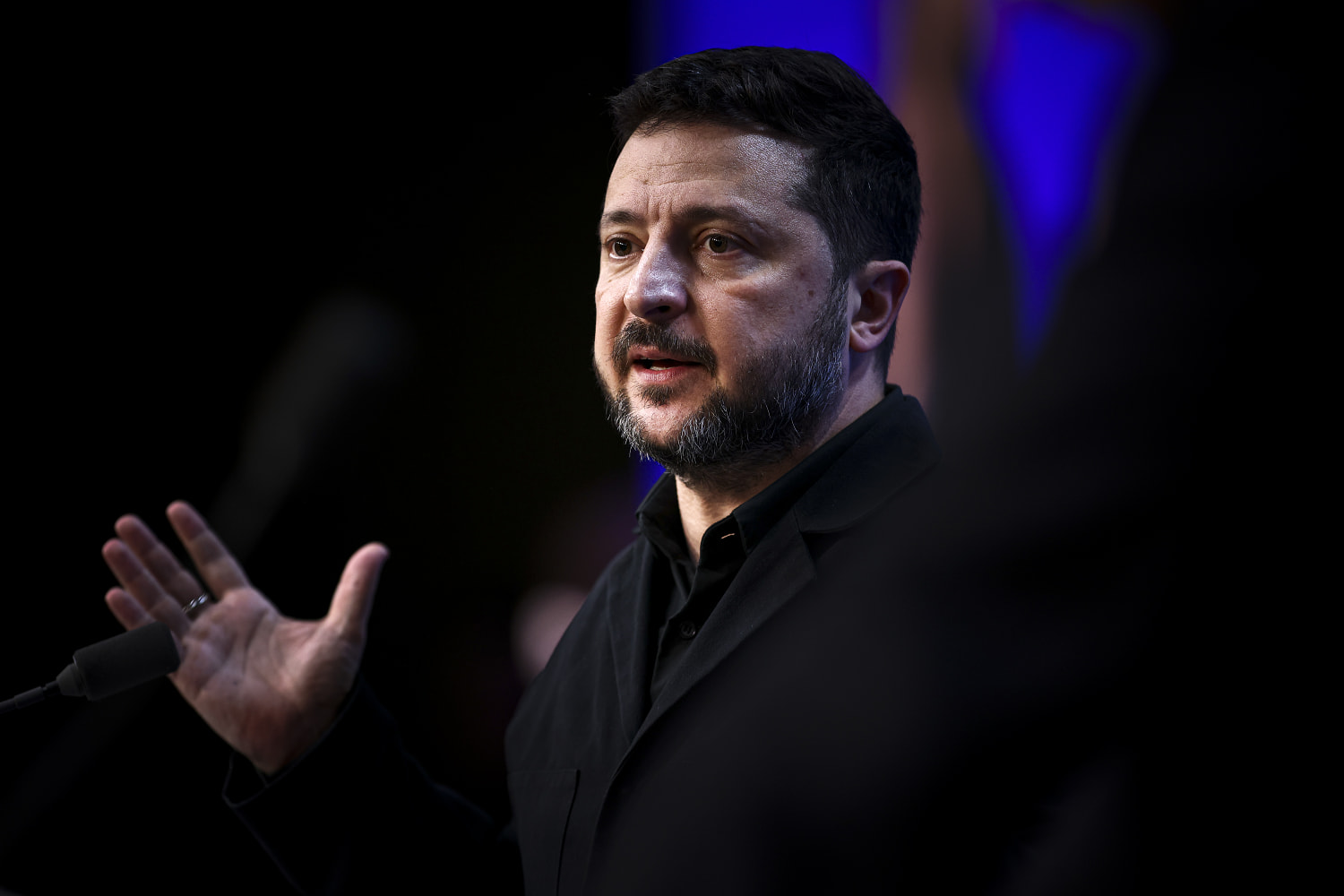
Ukrainian President Zelenskyy said Starlink speed restrictions in Ukraine are a "planned operation" affecting the country's defensive capabilities against Russian drones. He said a test showed the restrictions were not applied in other European countries.
From the center: The coincidence of Starlink restrictions, reported White House policy shifts, and Trump's public pressure on Zelenskyy deserves investigation and transparency. Ukraine's defense needs are real, and if technical issues can be resolved, they should be. At the same time, the full picture remains unclear: whether this was deliberate policy, technical malfunction, or Starlink's independent decision. The administration should provide a clear accounting of what happened and why, while also being honest about what level of support the U.S. is actually willing to sustain.
President Donald Trump waived sanctions on Russia under the Lindsey Graham Act. Ukrainian President Volodymyr Zelenskyy criticized the move on social media, saying sanctions relief would help only Russia in its war against Ukraine and calling it wrong. Zelenskyy also warned that the U.S. formally siding with Russia would be a historic mistake, though he said he still views Trump as an ally.
From the center: Trump's sanctions waiver is a significant policy shift that has unified unusual opponents—Zelenskyy, congressional Republicans, and Democrats all object to it. The decision requires scrutiny: what strategic goal does it serve? Is there a negotiation underlying it, or a calculation about costs? Congress passed the Graham Act for a reason; if the president believes it's counterproductive now, that case needs to be made transparently. The bipartisan backlash suggests the administration hasn't done that work.
Israeli settlers attacked a convoy of European diplomats in the West Bank on Saturday during the Palestinian olive harvest. The 78-year-old French mayor visiting with the group was beaten with iron bars and kicked by masked settlers who yelled defamatory comments about France.
From the center: Israeli settlers attacked European diplomats and a French mayor in the West Bank during the Palestinian olive harvest. The assault—involving beating with iron bars and defamatory remarks—occurred as settlers sought to prevent Palestinians from harvesting olives. The presence of foreign diplomats and the attackers' targeting of them internationally raises diplomatic consequences. Both the disorder among some settlers and the backdrop of contested land claims create genuine friction; the challenge is distinguishing between criminal acts by individuals and systemic patterns requiring institutional response.
Katie Zacharia departed her role as White House Press Secretary after five days, becoming the shortest-serving press secretary in U.S. history. Trump said he told her to "reconsider" the job. CNBC reported concerns arose over her first press conference and questions about her claims of being a lawyer despite not passing a bar exam. An administration official told Semafor she is "transitioning out" of the role.
From the center: The White House press secretary position requires strong communication skills and credibility with the media—qualifications that Katie Zacharia apparently lacked after struggling through her first briefing. Her departure after five days, the shortest tenure in the role's history, reflects a straightforward staffing mismatch. The underlying issue—whether concerning her credentials or performance—suggests the administration should improve its vetting process for key communications positions without reading larger significance into a single personnel decision.
Hundreds of thousands of people protested across France on Saturday against rising living costs and education issues, with demonstrations spreading to around 140 cities. Police reported about 400 arrests nationwide, though one source cited 1,200.
From the center: Saturday's French protests represented real public frustration over economic conditions and education, drawing hundreds of thousands across the country. Most demonstrators were peaceful, but significant violence—fires, looting, and police clashes—occurred in multiple cities, resulting in around 400 arrests. Distinguishing between legitimate protest and criminal destruction matters: the government must address cost-of-living concerns through policy, but also maintain order. The challenge is responding to genuine grievances without rewarding those who exploit protests for vandalism, and maintaining proportionate policing that doesn't inflame tensions further.
The Department of Justice has demanded that California provide citizenship information for people it claims may not be citizens, citing alleged election fraud. President Trump promised on Friday that California election officials who intentionally count ballots from noncitizens will face prison time, writing on Truth Social that "They will all go to jail for a long period of time."
From the center: A genuine tension exists between election security verification and the risk of voter suppression, but this dispute is being handled poorly by both sides. The DOJ's citizenship data demand and Trump's inflammatory jail threats represent overreach that alienates cooperation, while California's apparent reluctance to provide straightforward answers about verification procedures fuels legitimate questions. Clear legal process and good-faith dialogue are absent; instead, both sides are making sweeping assertions without transparency that serves neither security nor confidence.