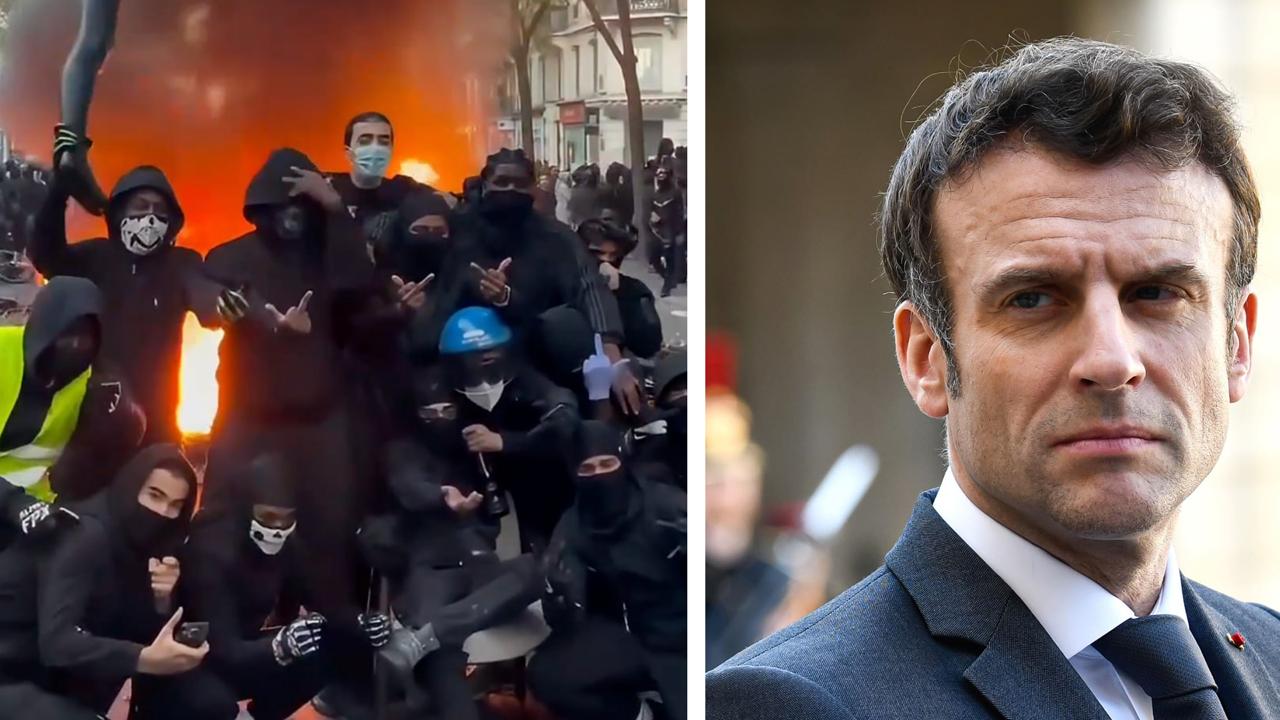
Hodei C.D., far-left activist fiché S, arrested as main suspect in Limoges town hall arson during French riots
Reported by
A dot shows how that piece reads — Prism rates articles, not outlets, and shows the words behind each placement below. No dot means the piece isn’t rated. How the ratings work
What happened
The account the coverage agrees on, with contested figures attributed rather than asserted. This is not one of the five framings below — it is the ground they all stand on.
France experienced widespread unrest on October 17–19, with approximately 2,000 shops looted or damaged and the Limoges town hall set ablaze. Police arrested a 34-year-old far-left activist, identified as Hodei C.D., on suspicion of arson at the town hall. Prime Minister Sébastien Lecornu announced new curfews in areas where civil disorder required them. The Limoges mayor claimed police lacked sufficient ammunition during the attack. Interior Minister Núñez offered his resignation, which Macron rejected. Further protests are planned for October 24.
Developing story · 2 chapters
- Mass protests erupt across France over cost of living with widespread riots, looting, and fires
- Hodei C.D., far-left activist fiché S, arrested as main suspect in Limoges town hall arson during French riotsyou are here
How each side framed the previous chapter
Compare these with the five framings below to see what moved as the story developed — and what each side kept saying regardless.
Left
France's working people took to the streets Saturday in massive numbers to demand action on inequality and the cost of living crisis, joined by students protesting educational neglect. While the vast majority demonstrated peacefully, some property damage occurred as anger at government inaction boiled over. The real story is not isolated vandalism but systemic government failure—decades of austerity and neglect have created conditions where people feel compelled to risk arrest. Framing this as riots rather than justified uprising obscures whose responsibility this is.
Center-left
Hundreds of thousands of French people demonstrated Saturday over legitimate grievances—rising living costs, education underfunding, and economic hardship. The scale of turnout shows genuine public discontent that requires government response. However, the violence and looting that marred the protests are counterproductive and undermine the demonstrators' message. Police response was mixed; some clashes appeared heavy-handed while order needed to be maintained. The government should take the underlying concerns seriously and pursue reforms while also addressing the security breakdown that allowed property destruction.
Center
Saturday's French protests represented real public frustration over economic conditions and education, drawing hundreds of thousands across the country. Most demonstrators were peaceful, but significant violence—fires, looting, and police clashes—occurred in multiple cities, resulting in around 400 arrests. Distinguishing between legitimate protest and criminal destruction matters: the government must address cost-of-living concerns through policy, but also maintain order. The challenge is responding to genuine grievances without rewarding those who exploit protests for vandalism, and maintaining proportionate policing that doesn't inflame tensions further.
Center-right
Hundreds of thousands protested in France on Saturday, but the demonstrations were hijacked by violent actors who set fires, looted businesses, and clashed with police. While people have legitimate concerns about living costs, the scale of property damage—including a historic town hall—shows how quickly protests can spiral into urban chaos if authorities lose control. Police made around 400 arrests attempting to maintain order amid tear gas and fires. Governments must protect public safety and commerce; responding to demands made under threat of violence sets dangerous precedent.
Right
France experienced widespread rioting Saturday as protests over living costs descended into urban warfare, with historic buildings torched, stores systematically looted, and police attacked in what some described as scenes of guerrilla-style violence. While framed as peaceful demonstrations, the reality was coordinated destruction across 140 cities causing hundreds of arrests. This reflects a failure of state authority and the rise of organized antifa-style tactics exploiting legitimate grievances as cover. Strong law enforcement response is essential; governments that appear weak in face of such disorder invite more.
How the spectrum reads this story
The same event, summarised as five points on the political spectrum would each tend to frame it. These are generated by an AI model and are a starting point, not the last word.
Left
Widespread social unrest erupted in France, rooted in economic hardship—surging costs of living, fuel, and energy prices—that have left ordinary people desperate. While a suspect has been arrested for the Limoges town hall fire, the focus on individual perpetrators obscures the structural failures that created such desperation. The government's response—curfews and police action—treats the symptom, not the cause. Macron's political isolation reflects public rejection of policies that have widened inequality and squeezed working people.
No article in this story reads this way. This is how the position tends to frame events like it — written by a model, not quoted from anyone.
Center-left
France is confronting serious rioting driven by economic grievances—inflation and energy costs—affecting public confidence in the government. The arrest of a far-left activist in connection with the town hall arson shows these protests have been infiltrated by extremists willing to commit violence. While Macron's rejection of his Interior Minister's resignation may signal continuity, the government must balance firm law enforcement with genuine efforts to address the underlying economic pressures fueling discontent. Curfews are a necessary short-term response, but sustained economic policy reform is essential.
Drawn from 1 article placed here, below.
Center
France faces a genuine challenge: economic distress has triggered widespread unrest, and some incidents—like the Limoges arson—involve deliberate, targeted violence. The government's response splits the difference: maintaining police presence and expanding curfews where needed, while Macron retains his Interior Minister to project stability. The difficult balance is clear: unrest rooted in real economic hardship cannot be dismissed, but criminal vandalism and arson cross a line requiring law enforcement. Both economic relief and maintenance of order matter; neither alone addresses the full problem.
Drawn from 5 articles placed here, below.
Center-right
France is experiencing serious disorder that reflects broader economic challenges, but also the danger of allowing protests to slide into lawlessness and violence. The arrest of an extremist activist in the Limoges arson shows that organized radicals have exploited legitimate grievances to pursue their own agenda of destruction. The government is right to deploy curfews and maintain police readiness—order must be restored. However, the accusation that police lacked ammunition raises questions about preparedness. Authorities must balance responsiveness to economic concerns with firmness against those who use crisis as cover for attacks on institutions.
Drawn from 2 articles placed here, below.
Right
France is experiencing coordinated rioting and destruction orchestrated by far-left extremists who are using economic discontent as cover for their assault on the state and property. The arrest of an activist with a history of extremism, and a father involved in multiple arsons, shows this is not spontaneous unrest but calculated ideological violence. The government's response has been hesitant—curfews help, but Macron's retention of his Interior Minister despite claims of police underequipment signals weak leadership. France needs decisive law enforcement, properly resourced police, and zero tolerance for those using chaos to undermine civil order and French institutions.
Drawn from 1 article placed here, below.
Hear two viewpoints debate it
Pick two viewpoints and Prism writes a short, six-turn exchange about this story in each one’s own voice — steel-manned, no winner declared. Each pairing is written once and then saved for every reader. The voices are AI syntheses of a tradition, not real people.
New pairing — Prism will write it now.
How each outlet covered it
Where Prism places each piece — not the outlet in general — with the words from that piece that put it there, and the photograph the outlet chose. Picking a photo is a framing decision too.
- EuronewsThis piece reads center-left
“Macron increasingly isolated”
FramingFrames the riots primarily through their political impact on Macron's authority rather than the economic drivers or scope of property damage emphasized elsewhere.
Read the original 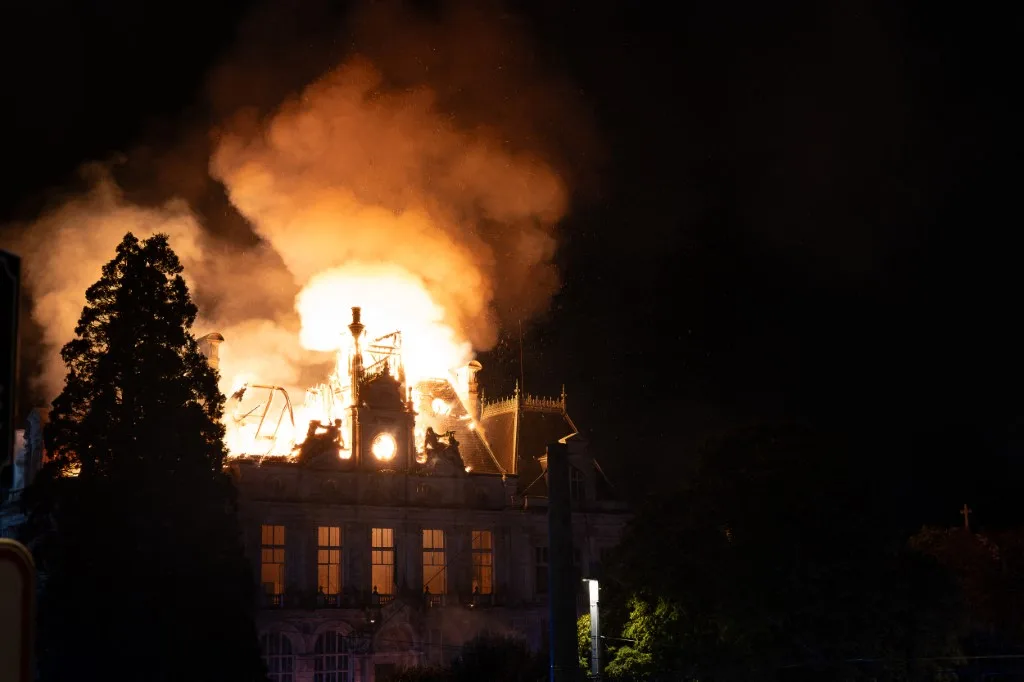 Brussels SignalThis piece reads center
“Police arrest left-wing activist”
What's left outStates the suspect's age as 40, while Le Figaro reports him as 34—a factual discrepancy in the source material itself rather than framing, but affects how the arrest is reported.
Read the original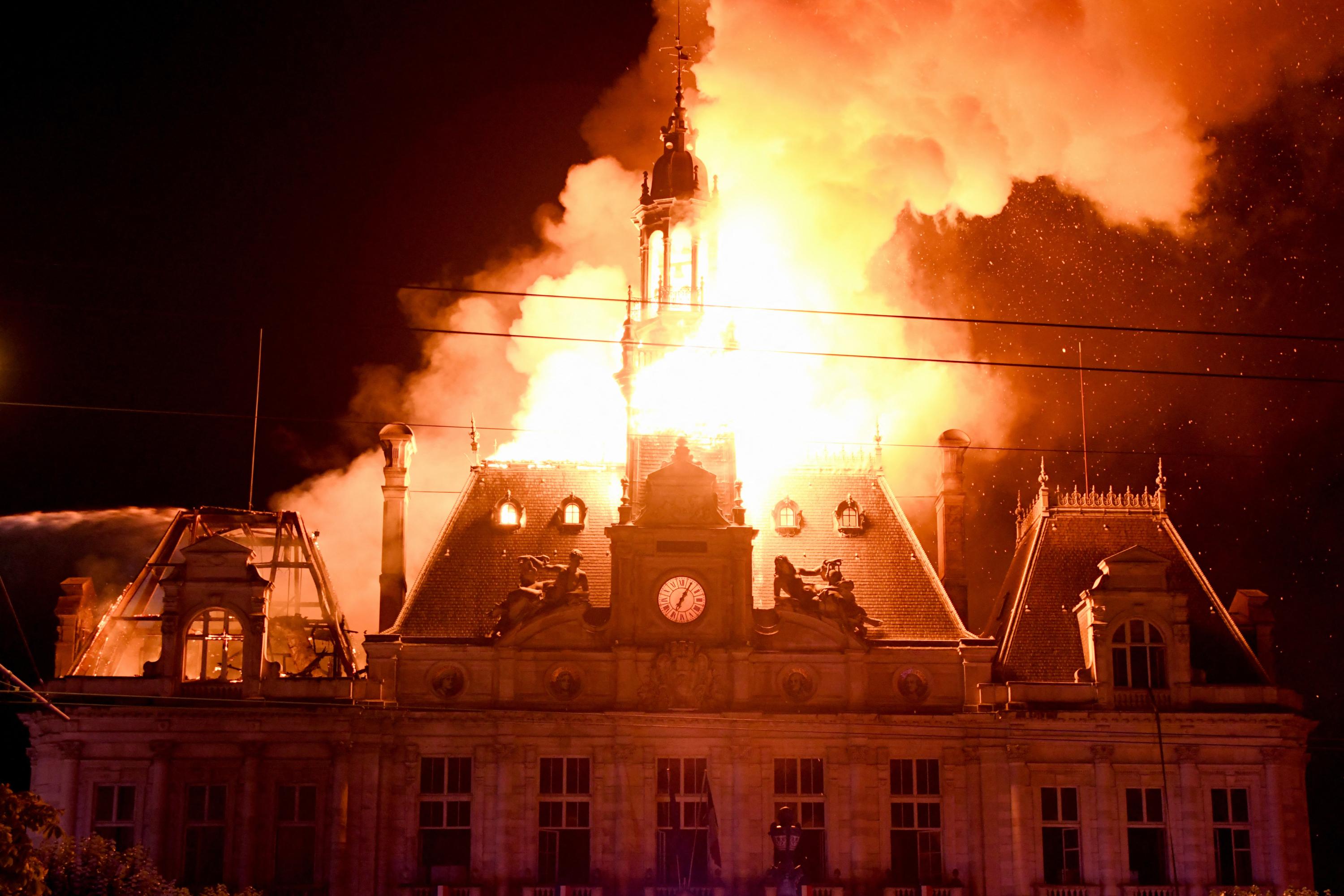
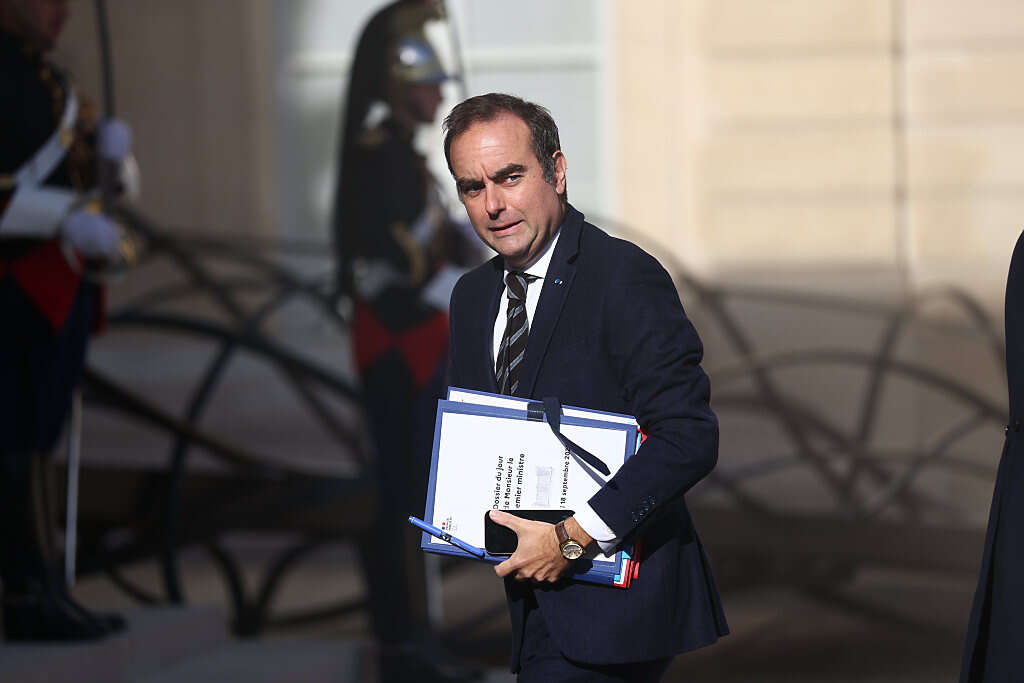
- BreitbartThis piece reads right
“Colossal Failure': Limoges Mayor Claims”
FramingOpens with the mayor's explosive accusation in quotation marks and leads on police unpreparedness, emphasizing government failure; other outlets report the same claim more neutrally within context of the broader unrest.
Read the original
Placements are generated by an AI model from each article’s own headline and summary, and every quotation above is checked to be a real substring of that article before it is published. How this is done
Prism is free and carries no advertising. Support it if it was useful.