Vivek Ramaswamy defends controversial campaign ad featuring Amy Acton's estranged mother
Reported by
A dot shows how that piece reads — Prism rates articles, not outlets, and shows the words behind each placement below. No dot means the piece isn’t rated. How the ratings work
CNN
What happened
The account the coverage agrees on, with contested figures attributed rather than asserted. This is not one of the five framings below — it is the ground they all stand on.
Vivek Ramaswamy, the Republican gubernatorial nominee in Ohio, released an ad featuring Amy Acton's estranged mother criticizing Acton, who is the Democratic nominee for governor. Acton has not seen her mother since her stepfather was charged with sexual abuse in Acton's childhood. The ad has drawn bipartisan criticism. Vice President JD Vance defended Ramaswamy, telling Republicans to "stop whining" about it. Some leading Ohio Republicans, including Sen. Jon Husted, distanced themselves from the ad. Decision Desk HQ puts Acton's chances of winning at 60% as of October 21.
How the spectrum reads this story
The same event, summarised as five points on the political spectrum would each tend to frame it. These are generated by an AI model and are a starting point, not the last word.
Left
Ramaswamy's campaign weaponized a vulnerable woman—Acton's estranged mother—to score political points, exploiting family trauma rooted in childhood sexual abuse for electoral advantage. This represents how right-wing politics cynically deploys personal suffering to damage opponents. Vance's demand that Republicans stop complaining reveals how the GOP has normalized this kind of moral transgression; the party cares more about party unity than basic decency. Acton's strong polling suggests voters reject this tactic.
No article in this story reads this way. This is how the position tends to frame events like it — written by a model, not quoted from anyone.
Center-left
The ad crosses a serious line by using Acton's estranged mother as a political weapon, particularly given the sensitive family history involving childhood sexual abuse allegations. While campaigns do attack opponents, using estranged family members to do so feels exploitative and cruel. Vance's insistence that Republicans stay silent about it is troubling—this is exactly when party members should speak up about standards. That Republican leaders like Husted felt compelled to distance themselves suggests even GOP figures recognize the ad went too far.
Drawn from 5 articles placed here, below.
Center
Campaigns involve tough tactics, but there are limits to what most voters find acceptable. Using someone's estranged family member as a political weapon—especially given the traumatic history involved—strikes many people as crossing from hard-hitting to gratuitously cruel. Vance's "stop whining" framing dismisses legitimate discomfort with the approach, while Husted's willingness to break ranks suggests this damages Ramaswamy more than it helps him. The question is whether Ohio voters will punish the tactic or move past it by November.
Drawn from 4 articles placed here, below.
Center-right
While opposition research often involves personal scrutiny, featuring an estranged family member in an ad raises uncomfortable questions about proportionality and decorum. Ramaswamy had plenty of policy grounds to criticize Acton without this approach. Vance's defense, though loyal, doesn't address the legitimate concern that the ad undermines the campaign's broader message. Husted's distance from it reflects reasonable Republican worry that the controversy is a distraction from winning arguments about governance and the economy.
Drawn from 1 article placed here, below.
Right
In modern politics, campaigns use available information to make their case, and Acton's mother's willingness to participate suggests she has legitimate concerns about her daughter's record. Democratic campaigns have used personal attacks too. The backlash is partly media-driven outrage designed to protect a Democrat. That said, Ramaswamy could have made his case on policy alone, and Vance's combative tone—telling Republicans to stop objecting—was unnecessary. The focus should be on who is better equipped to lead Ohio.
No article in this story reads this way. This is how the position tends to frame events like it — written by a model, not quoted from anyone.
Hear two viewpoints debate it
Pick two viewpoints and Prism writes a short, six-turn exchange about this story in each one’s own voice — steel-manned, no winner declared. Each pairing is written once and then saved for every reader. The voices are AI syntheses of a tradition, not real people.
New pairing — Prism will write it now.
How each outlet covered it
Where Prism places each piece — not the outlet in general — with the words from that piece that put it there, and the photograph the outlet chose. Picking a photo is a framing decision too.
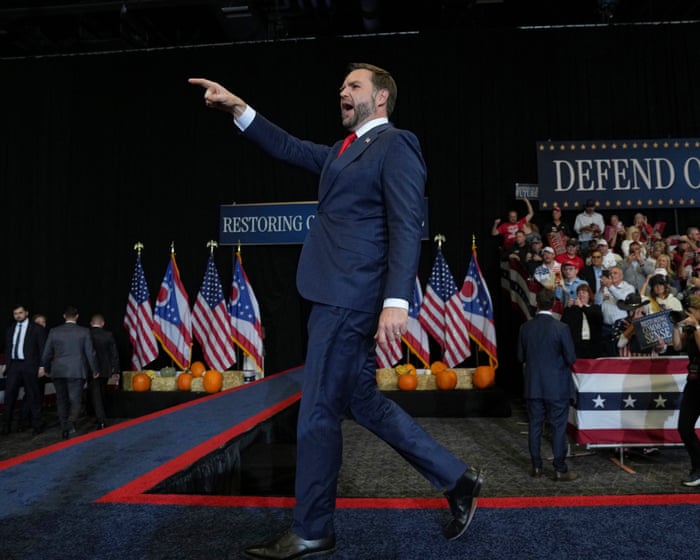 The GuardianThis piece reads center-left
“GOP representatives should 'stop whining' about advertisement”
Read the original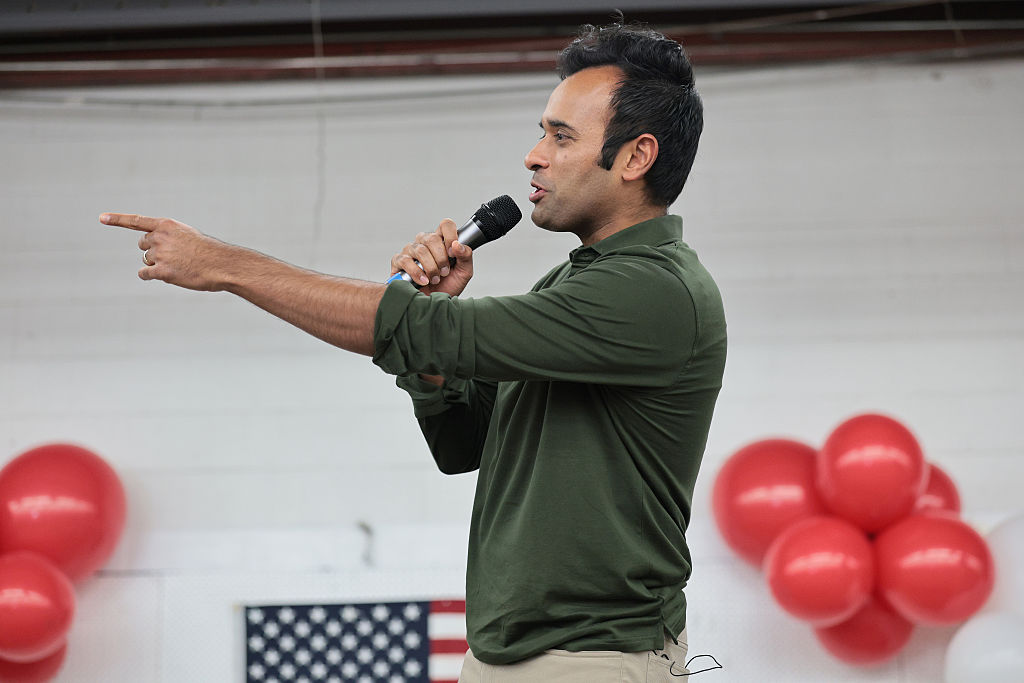 TimeThis piece reads center-left
“We Now Deserve to Lose': Ramaswamy Ad Deepens GOP Panic”
Word choiceFrames internal Republican concern as "panic" and uses a quoted phrase suggesting moral self-judgment, language that carries urgency and suggests the ad represents a serious breach—stronger characterization than other outlets use.
Read the original BBCThis piece reads center-left
“features his Democratic rival's estranged mother, who she has not seen since”
FramingProvides the family trauma context—sexual abuse allegations—in the opening explanation, which contextualizes why the ad is controversial before any debate about it.
Read the original TruthoutThis piece reads center-left
“Acton Says Ramaswamy Exploited Her Estranged Mother for Political Gain”
Word choiceUses the word "exploited" in the headline, which is Acton's characterization but presented as the frame for the story—carries stronger judgment than outlets that describe the ad more neutrally.
Read the original CNNThis piece reads center
“Some leading Ohio Republicans began distancing themselves”
Read the original NewsNationThis piece reads center
“Acton narrowly favored over Ramaswamy in Ohio governor's race”
Read the original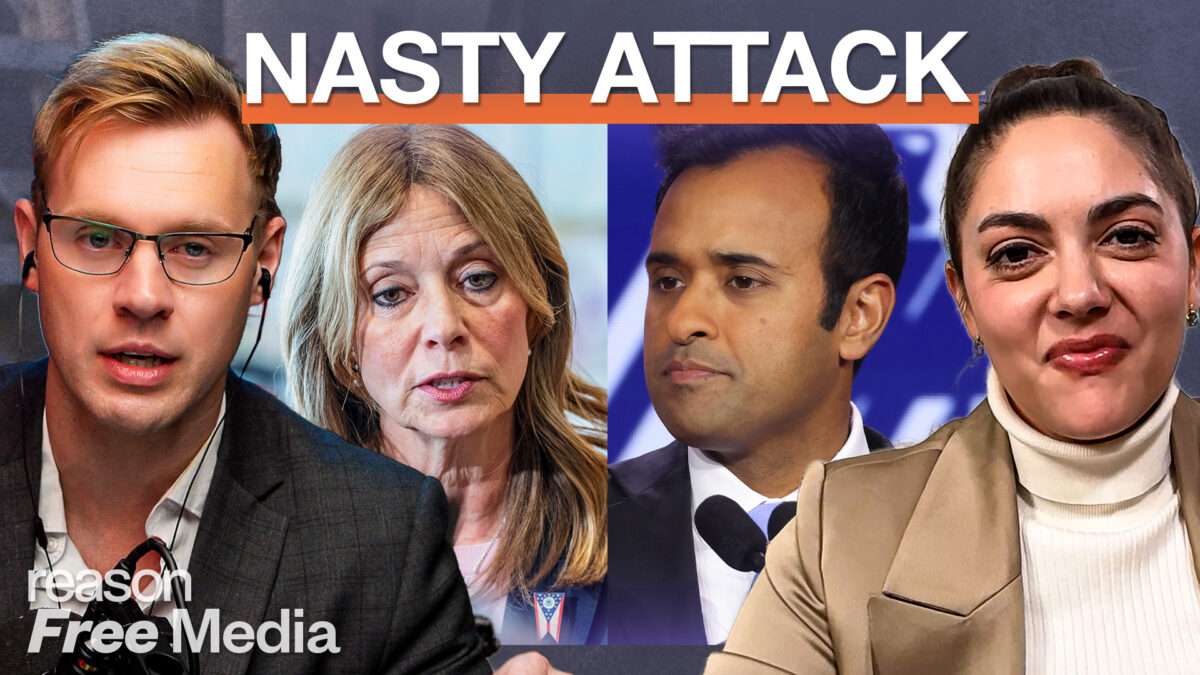
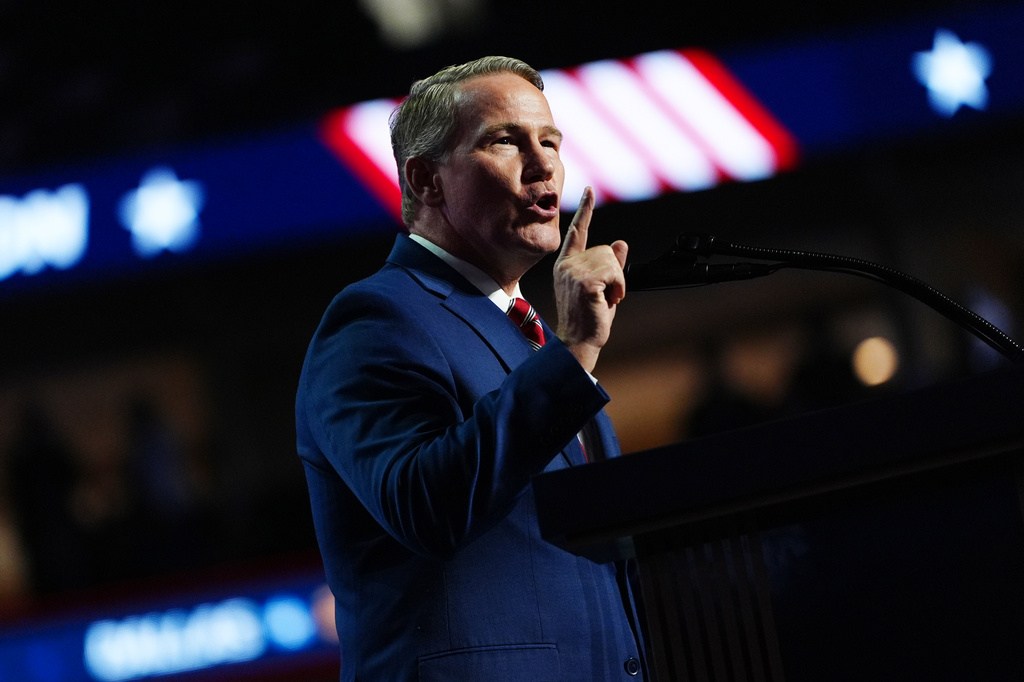 Washington ExaminerThis piece reads center-right
“I would not have run' Ramaswamy ad against Amy Acton”
FramingEmphasizes that Husted broke ranks with Ramaswamy, framing it as internal GOP division—where other outlets note his criticism, this one stresses the conflict.
Read the original- The Jerusalem Postnot ratedRead the original
- Toronto Sunnot ratedRead the original

Placements are generated by an AI model from each article’s own headline and summary, and every quotation above is checked to be a real substring of that article before it is published. How this is done
Prism is free and carries no advertising. Support it if it was useful.