US Defense Secretary Pete Hegseth makes unannounced visit to Israel to meet Netanyahu ahead of elections
Reported by
A dot shows how that piece reads — Prism rates articles, not outlets, and shows the words behind each placement below. No dot means the piece isn’t rated. How the ratings work

What happened
The account the coverage agrees on, with contested figures attributed rather than asserted. This is not one of the five framings below — it is the ground they all stand on.
US Defense Secretary Pete Hegseth met with Israeli Prime Minister Benjamin Netanyahu at Ovda Air Base in Israel on Monday, according to two sources cited by Axios. The visit was unannounced. It took place eight days before Israeli elections and amid U.S.-Israeli discussions about potentially resuming major combat operations against Iran. The Pentagon and Israel's embassy declined to comment or did not immediately respond to requests for confirmation.
How the spectrum reads this story
The same event, summarised as five points on the political spectrum would each tend to frame it. These are generated by an AI model and are a starting point, not the last word.
Left
The unannounced visit by the U.S. defense secretary to Israel days before its elections raises concerns about American interference in Israeli politics and signals deeper U.S. commitment to potential military escalation against Iran. The timing and secrecy suggest coordination on expanding conflict in the region rather than pursuing diplomatic solutions, continuing a pattern of military-first approaches that destabilize the Middle East and subordinate Palestinian concerns to U.S.-Israeli strategic interests.
No article in this story reads this way. This is how the position tends to frame events like it — written by a model, not quoted from anyone.
Center-left
Hegseth's secret visit to Netanyahu reflects the administration's close alignment with Israel's government and suggests serious planning for military action against Iran. While the U.S.-Israel relationship is important, the unannounced nature of the meeting and its proximity to Israeli elections raise questions about whether this timing was appropriate and whether the administration is fully considering the regional consequences of resuming major combat operations.
No article in this story reads this way. This is how the position tends to frame events like it — written by a model, not quoted from anyone.
Center
The unannounced visit demonstrates the depth of U.S.-Israeli coordination on security matters, particularly regarding Iran. The timing before Israeli elections is noteworthy but may be coincidental rather than deliberate interference. Officials should balance the legitimate security concerns driving these discussions with transparency—both about the substance of U.S. military planning and about the diplomatic alternatives that should be exhausted before major operations.
Drawn from 4 articles placed here, below.
Center-right
The Defense Secretary's visit underscores the strong U.S.-Israel partnership and signals resolve on the Iranian threat. The unannounced nature reflects operational security appropriate for sensitive military discussions. The meeting shows the administration is actively engaged in regional security strategy and willing to take decisive action to counter Iranian aggression, working closely with a trusted regional ally.
Drawn from 1 article placed here, below.
Right
Hegseth's direct engagement with Netanyahu demonstrates the administration's commitment to supporting Israel against its enemies and addressing the Iranian threat decisively. The unannounced visit reflects proper operational security for sensitive military consultations. This is the kind of clear, strong partnership the U.S. should maintain—direct coordination with allies on real threats rather than endless diplomatic processes that allow hostile regimes to develop weapons.
No article in this story reads this way. This is how the position tends to frame events like it — written by a model, not quoted from anyone.
Hear two viewpoints debate it
Pick two viewpoints and Prism writes a short, six-turn exchange about this story in each one’s own voice — steel-manned, no winner declared. Each pairing is written once and then saved for every reader. The voices are AI syntheses of a tradition, not real people.
New pairing — Prism will write it now.
How each outlet covered it
Where Prism places each piece — not the outlet in general — with the words from that piece that put it there, and the photograph the outlet chose. Picking a photo is a framing decision too.
- AxiosThis piece reads center
“unannounced visit comes eight days before Israel's election and amid”
FramingSpecifies the substantive topic of discussions in the headline rationale ('Why it matters'), while other outlets focus only on the visit itself without this detail.
Read the original 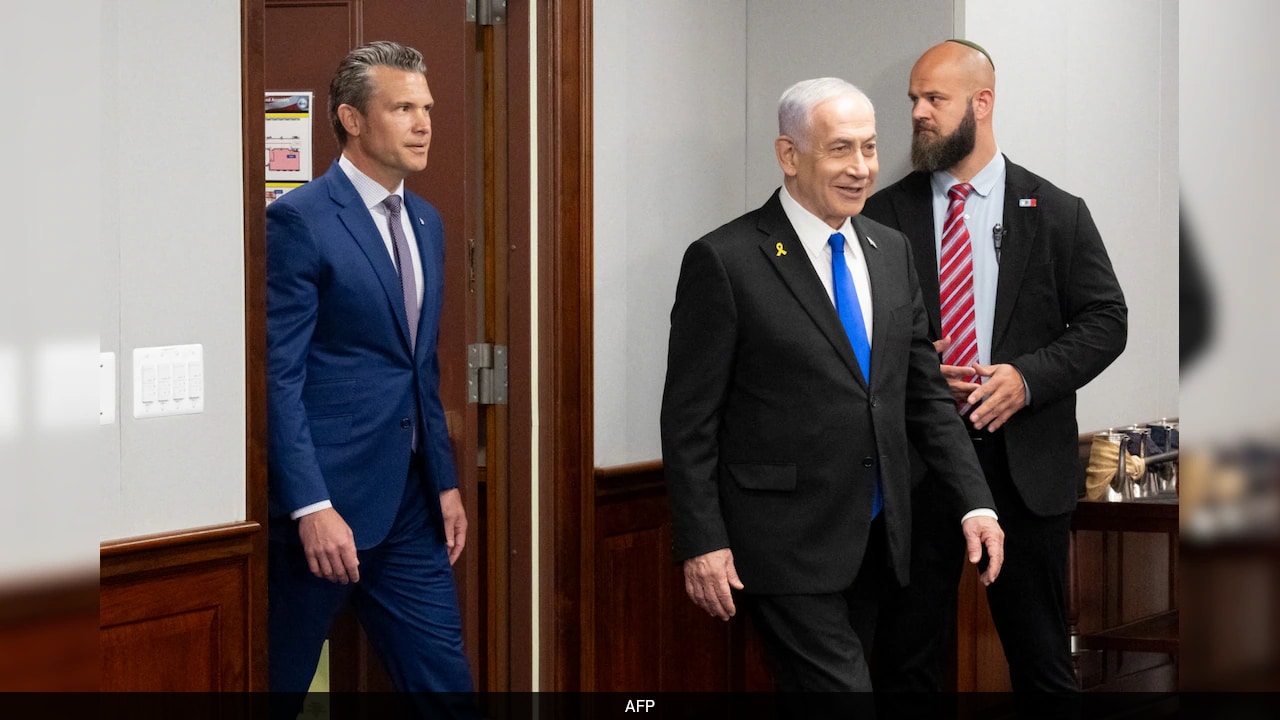
- The Jerusalem PostThis piece reads center
“amid discussions to resume operations against Iran”
Read the original  Israel National NewsThis piece reads center-right
“US Secretary of War Pete Hegseth”
Word choiceUses 'Secretary of War' instead of the official title 'Defense Secretary' used by all other outlets—a more combative framing of the role.
Read the original

Placements are generated by an AI model from each article’s own headline and summary, and every quotation above is checked to be a real substring of that article before it is published. How this is done
Prism is free and carries no advertising. Support it if it was useful.