Alberta held a referendum on Monday on whether to begin a process toward independence. Elections Alberta confirmed that 106 polling stations opened late; these stations remained open past regular hours to give voters time to cast ballots. More than 800,000 advanced ballots had been cast before voting day, with results expected late Monday night.
From the center: Alberta's referendum tests Canadian federalism at a moment of internal stress—over resource policy, regional resentment, and now external pressure from Trump's trade threats. The vote itself is legitimate democratic expression, but the result matters less than what happens next. Whether it passes or fails, federal and provincial leaders need to demonstrate that the system can accommodate regional interests and that separatism isn't the only outlet for discontent. The timing, amid external threats to North American unity, makes dialogue especially urgent.
Pamela Wallin, a former broadcaster appointed to the Senate by Stephen Harper, resigned from her seat two years before her mandatory retirement age. Wallin was involved in the 2013 Senate expense scandal but was never criminally charged.
From the center: Wallin's unexpected resignation, coming ahead of her mandatory retirement date, is a straightforward personnel matter with limited immediate implications. She faced scrutiny over Senate expenses a decade ago but was not prosecuted. Her departure is notable mainly as a staffing change; whether it reflects personal choice or other factors remains unclear. The Senate continues functioning with its existing rules for succession and retirement.
Drawn from 2 articles placed here, below.
No ads, no paywall
Prism is free to read and carries no advertising. Reader support pays for the news gathering. Support it if it’s useful to you.
A federal judge heard arguments Monday about President Trump's plans to renovate East Potomac Golf Links, a historic public golf course in Washington. Hundreds of trees were cut down at the site despite a judge's order. Judge Ana C. Reyes denied a motion from the government demanding her recusal, writing that the government had not met its burden to show her actions required disqualification.
From the center: This dispute involves genuine conflicts: the administration's authority to develop property versus the need to respect ongoing litigation and court orders. The fact that trees were cut while the case was active is a legitimate concern for judicial oversight. Judge Reyes' refusal to recuse herself is defensible — the government must show actual bias, not mere disagreement. Both sides have legitimate interests here: one in project development, the other in ensuring the rule of law is followed. The court should examine whether procedures were properly observed.
US Defense Secretary Pete Hegseth met with Israeli Prime Minister Benjamin Netanyahu at Ovda Air Base in Israel on Monday, according to two sources cited by Axios. The visit was unannounced. It took place eight days before Israeli elections and amid U.S.-Israeli discussions about potentially resuming major combat operations against Iran.
From the center: The unannounced visit demonstrates the depth of U.S.-Israeli coordination on security matters, particularly regarding Iran. The timing before Israeli elections is noteworthy but may be coincidental rather than deliberate interference. Officials should balance the legitimate security concerns driving these discussions with transparency—both about the substance of U.S. military planning and about the diplomatic alternatives that should be exhausted before major operations.
The U.S. Department of Justice charged 28 foreign nationals with election-related offenses following early-morning arrests across California on Monday under "Operation Protect the Vote." According to NDTV, 11 were arrested in raids; the outlet reports they hold green cards.
From the center: This dispute reflects genuine disagreements about voter roll accuracy and enforcement intensity. California and the federal government disagree on how many ineligible voters exist and what response is appropriate—a question that requires technical expertise, not just politics. The 28 arrests represent concrete law enforcement action, while the 20,000-voter block is a separate legal fight over voter eligibility standards. Both sides claim to protect election integrity, but they're operating from different assessments of risk and different institutional capacities.
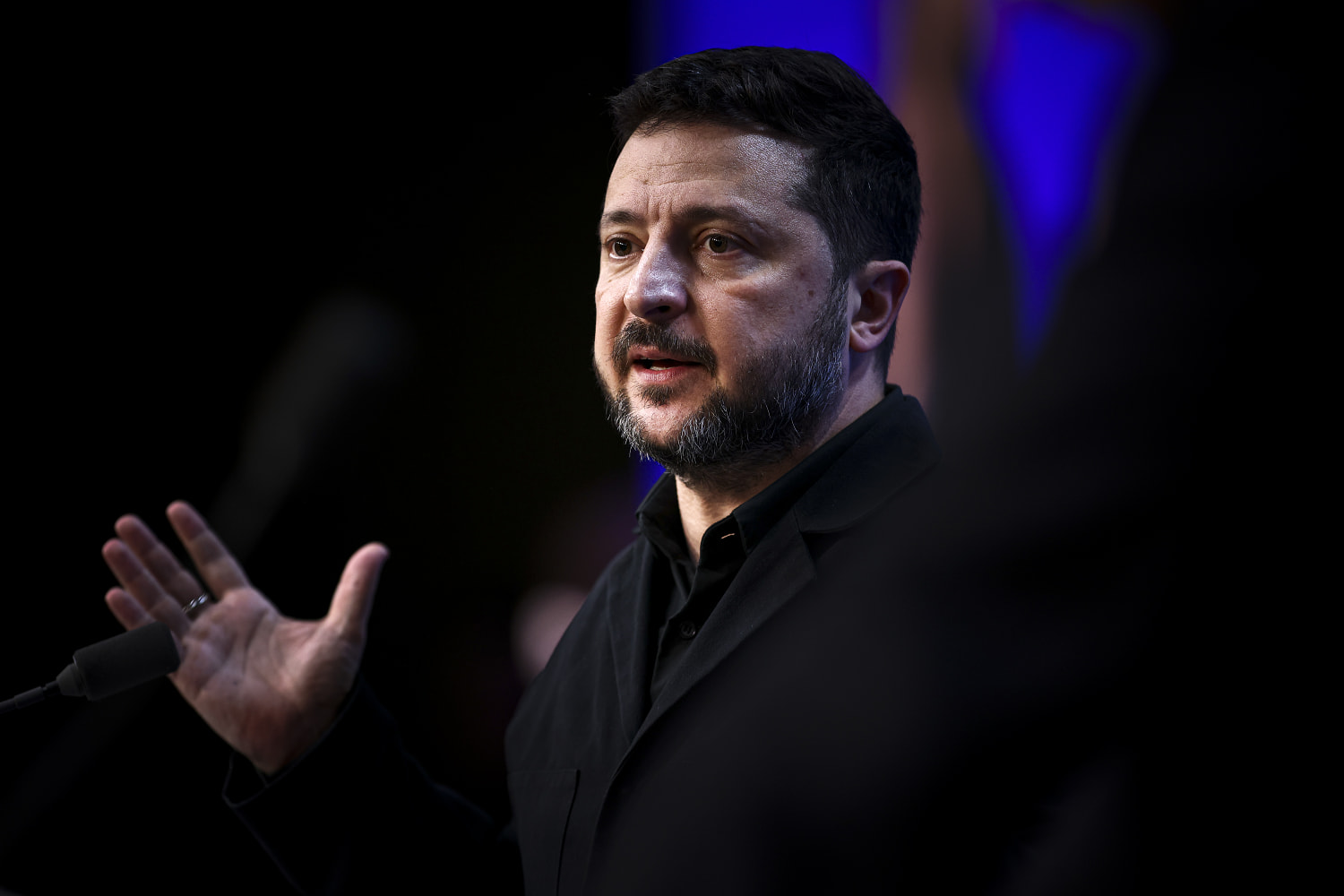
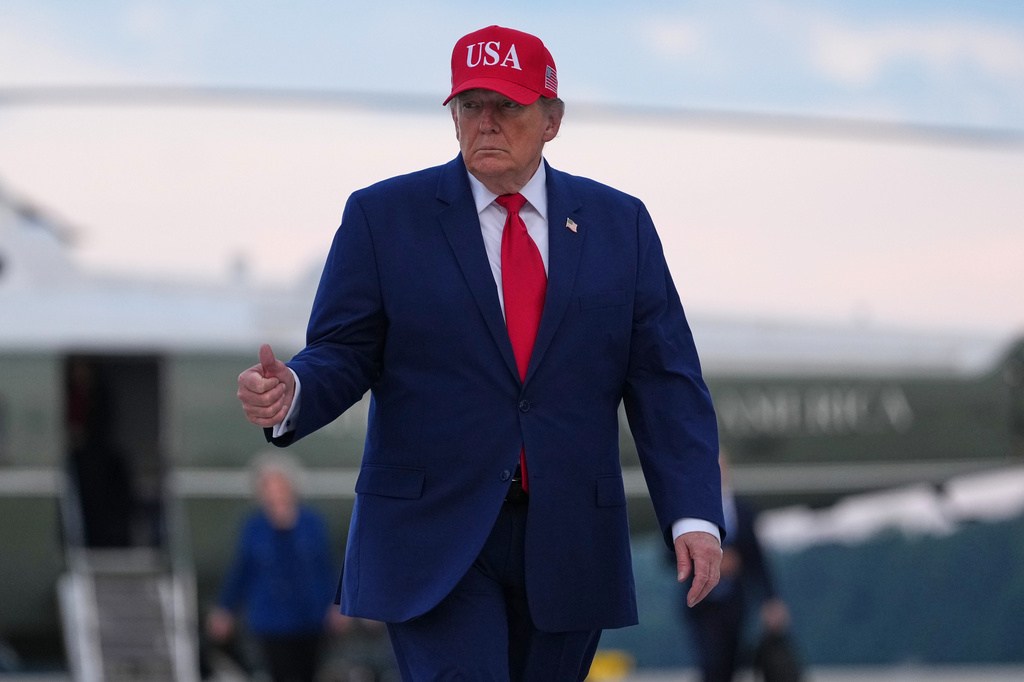
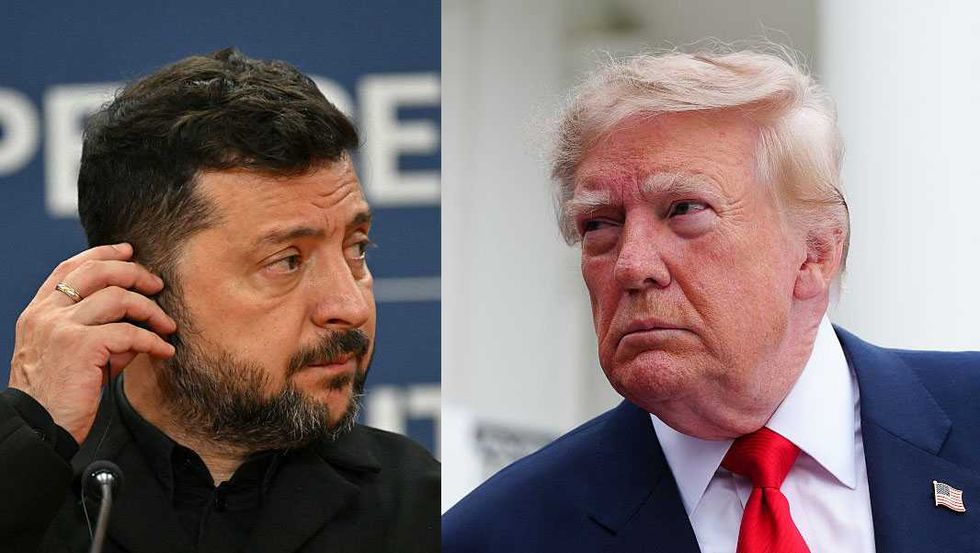
President Trump said he is open to a trilateral summit with Russian President Putin and Chinese President Xi Jinping in China next month, focusing on denuclearization rather than Ukraine's war. Trump also criticized Ukrainian President Zelenskyy, suggesting someone else should negotiate for Ukraine.
From the center: Trump's openness to a summit with Putin and Xi reflects a realpolitik approach to managing great-power competition, but the exclusion of Ukraine from talks affecting its fate raises serious practical concerns. While denuclearization discussions between the nuclear powers merit consideration, divorcing those from Ukraine's security needs creates tensions between different diplomatic objectives. The deteriorating relationship with Zelenskyy complicates both immediate aid flows and long-term settlement prospects; some negotiating pressure may be necessary, but it requires careful calibration to avoid appearing to abandon an ally.
President Trump announced a plan Sunday to renovate East Potomac Golf Links in Washington, D.C., saying work would begin in four weeks and take 15 months. A federal judge last week halted the project until at least October 26 after the government removed trees at the course without proper authorization. Trump said the renovated course would be public and host world-class tournaments.
From the center: Trump has announced a renovation plan for a D.C. golf course that is currently tied up in federal litigation. A judge recently stopped work there after tree removal occurred without apparent authorization, and has set an October 26 hearing date. Trump's announcement of a firm timeline creates tension with the ongoing legal process—courts generally need to resolve such disputes before large projects proceed, and moving forward aggressively could complicate that resolution.
On October 18, 2026, nine days before Israel's parliamentary election scheduled for October 27, US President Donald Trump endorsed Prime Minister Benjamin Netanyahu. Trump praised Netanyahu as the best partner for the US and the best leader for Israel, describing him as strong and brilliant.
From the center: Trump's endorsement reflects the reality that US presidents maintain close relationships with allied leaders and sometimes express preferences in their elections—this is neither shocking nor unprecedented. However, the timing raises practical questions: endorsing so close to voting day could be seen as ham-fisted, and it may complicate US diplomacy if voters choose a different coalition. The endorsement reveals Trump's belief that Netanyahu best serves US interests, particularly on Iran, but reasonable people disagree on whether that should determine another country's election.
President Trump on Friday waived new sanctions on Russia set to take effect and approved a diesel deal allowing Russian exports to the U.S. market. Trump said the moves were necessary to keep Vladimir Putin at the negotiating table for Ukraine peace talks and claimed significant progress was being made. He accused President Zelensky of prolonging the conflict and having little interest in peace.
From the center: Trump is gambling that removing sanctions pressure will actually bring Russia to a sustainable negotiated settlement, but the gamble carries real risks. Congress imposed these sanctions for a reason, and waiving them without concrete signs of Russian willingness to negotiate seriously looks premature. The diesel deal may offer modest domestic fuel relief but appears modest in impact. A more prudent approach would condition any sanctions relief on demonstrated Russian movement toward genuine peace terms rather than removing leverage upfront.
Ukraine conducted a large-scale drone attack on St. Petersburg and the Leningrad region on October 18, targeting Russian oil facilities, refineries, and infrastructure. Ukrainian officials said over 1,000 drones were deployed. Local authorities reported at least one person killed and between 5 and 15 injured, with fires ignited at oil terminals and depots.
From the center: Both sides have violated an informal understanding against targeting each other's energy infrastructure—Russia repeatedly struck Ukrainian power plants, prompting Ukraine to resume strikes on Russian oil facilities. The escalation reflects the breakdown of any restraint and the difficulty of maintaining limits on warfare once established. A sustainable path forward requires negotiated agreements with enforcement mechanisms, not repeated cycles of retaliation that risk broader escalation.
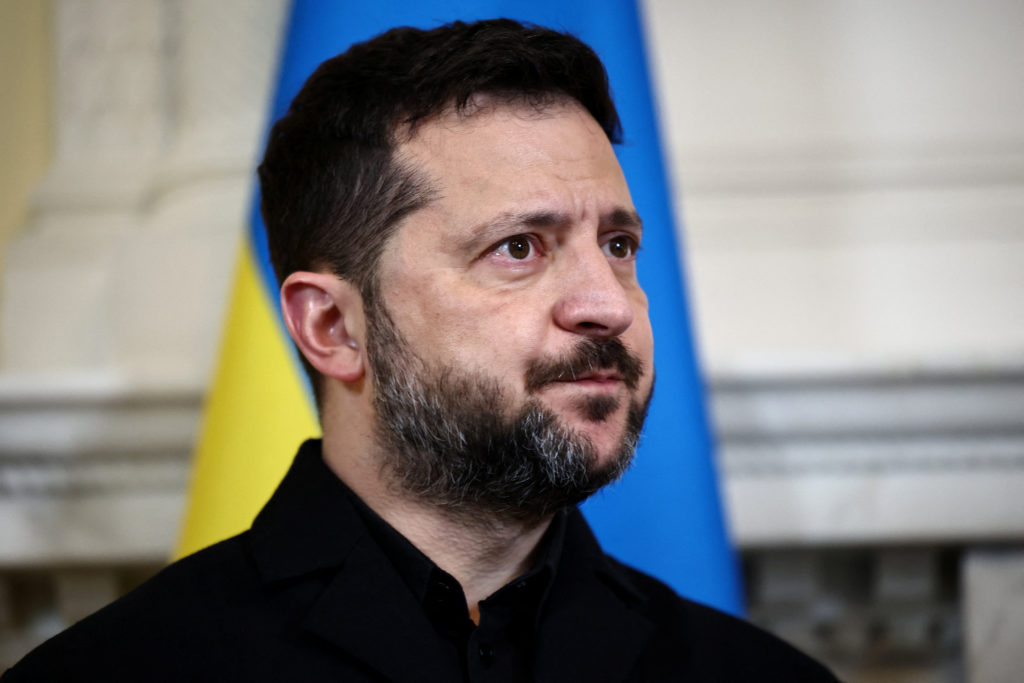
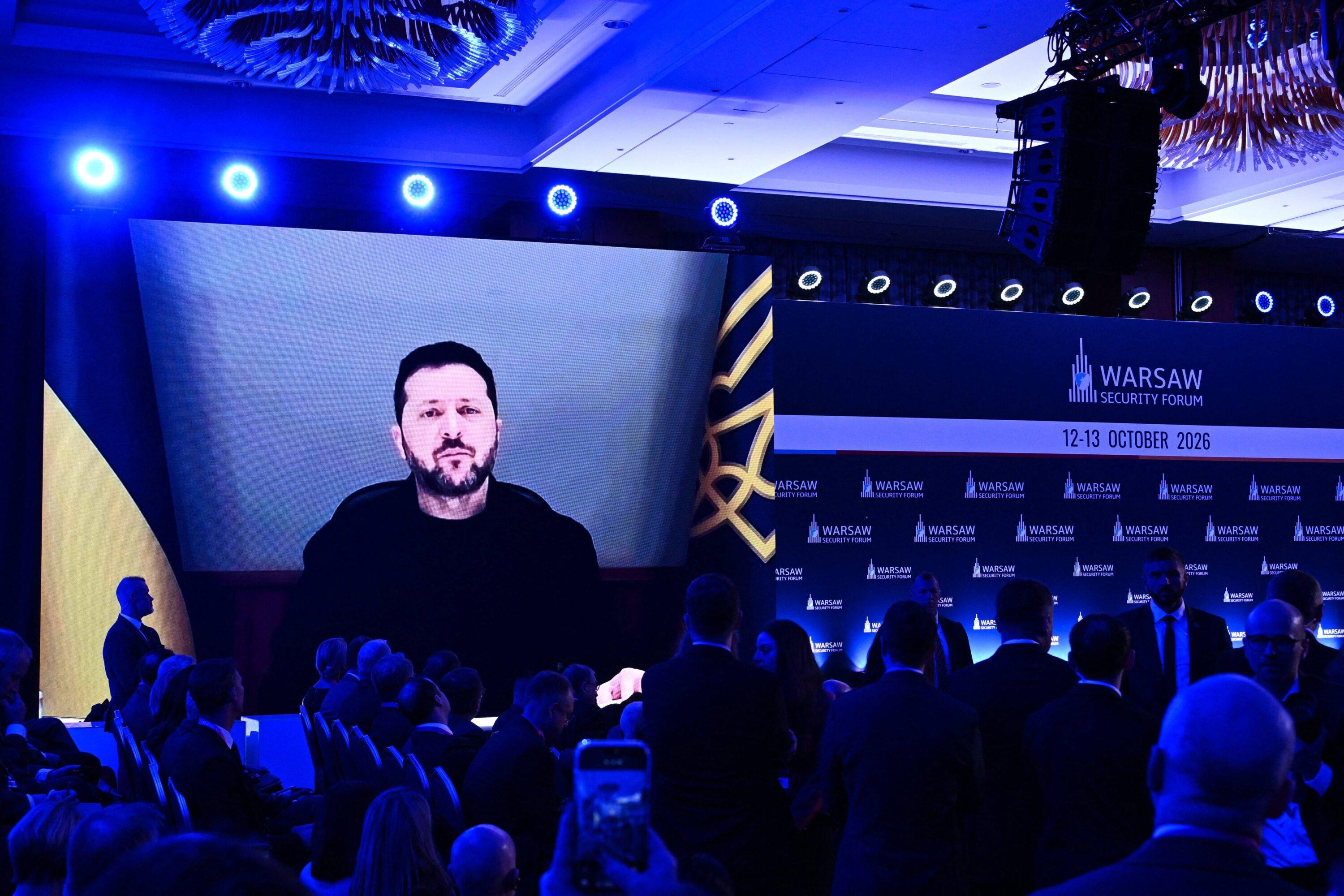
Ukrainian President Zelenskyy said Starlink speed restrictions in Ukraine are a "planned operation" affecting the country's defensive capabilities against Russian drones. He said a test showed the restrictions were not applied in other European countries.
From the center: The coincidence of Starlink restrictions, reported White House policy shifts, and Trump's public pressure on Zelenskyy deserves investigation and transparency. Ukraine's defense needs are real, and if technical issues can be resolved, they should be. At the same time, the full picture remains unclear: whether this was deliberate policy, technical malfunction, or Starlink's independent decision. The administration should provide a clear accounting of what happened and why, while also being honest about what level of support the U.S. is actually willing to sustain.
President Donald Trump waived sanctions on Russia under the Lindsey Graham Act. Ukrainian President Volodymyr Zelenskyy criticized the move on social media, saying sanctions relief would help only Russia in its war against Ukraine and calling it wrong. Zelenskyy also warned that the U.S. formally siding with Russia would be a historic mistake, though he said he still views Trump as an ally.
From the center: Trump's sanctions waiver is a significant policy shift that has unified unusual opponents—Zelenskyy, congressional Republicans, and Democrats all object to it. The decision requires scrutiny: what strategic goal does it serve? Is there a negotiation underlying it, or a calculation about costs? Congress passed the Graham Act for a reason; if the president believes it's counterproductive now, that case needs to be made transparently. The bipartisan backlash suggests the administration hasn't done that work.
Israeli settlers attacked a convoy of European diplomats in the West Bank on Saturday during the Palestinian olive harvest. The 78-year-old French mayor visiting with the group was beaten with iron bars and kicked by masked settlers who yelled defamatory comments about France.
From the center: Israeli settlers attacked European diplomats and a French mayor in the West Bank during the Palestinian olive harvest. The assault—involving beating with iron bars and defamatory remarks—occurred as settlers sought to prevent Palestinians from harvesting olives. The presence of foreign diplomats and the attackers' targeting of them internationally raises diplomatic consequences. Both the disorder among some settlers and the backdrop of contested land claims create genuine friction; the challenge is distinguishing between criminal acts by individuals and systemic patterns requiring institutional response.
Katie Zacharia departed her role as White House Press Secretary after five days, becoming the shortest-serving press secretary in U.S. history. Trump said he told her to "reconsider" the job. CNBC reported concerns arose over her first press conference and questions about her claims of being a lawyer despite not passing a bar exam. An administration official told Semafor she is "transitioning out" of the role.
From the center: The White House press secretary position requires strong communication skills and credibility with the media—qualifications that Katie Zacharia apparently lacked after struggling through her first briefing. Her departure after five days, the shortest tenure in the role's history, reflects a straightforward staffing mismatch. The underlying issue—whether concerning her credentials or performance—suggests the administration should improve its vetting process for key communications positions without reading larger significance into a single personnel decision.
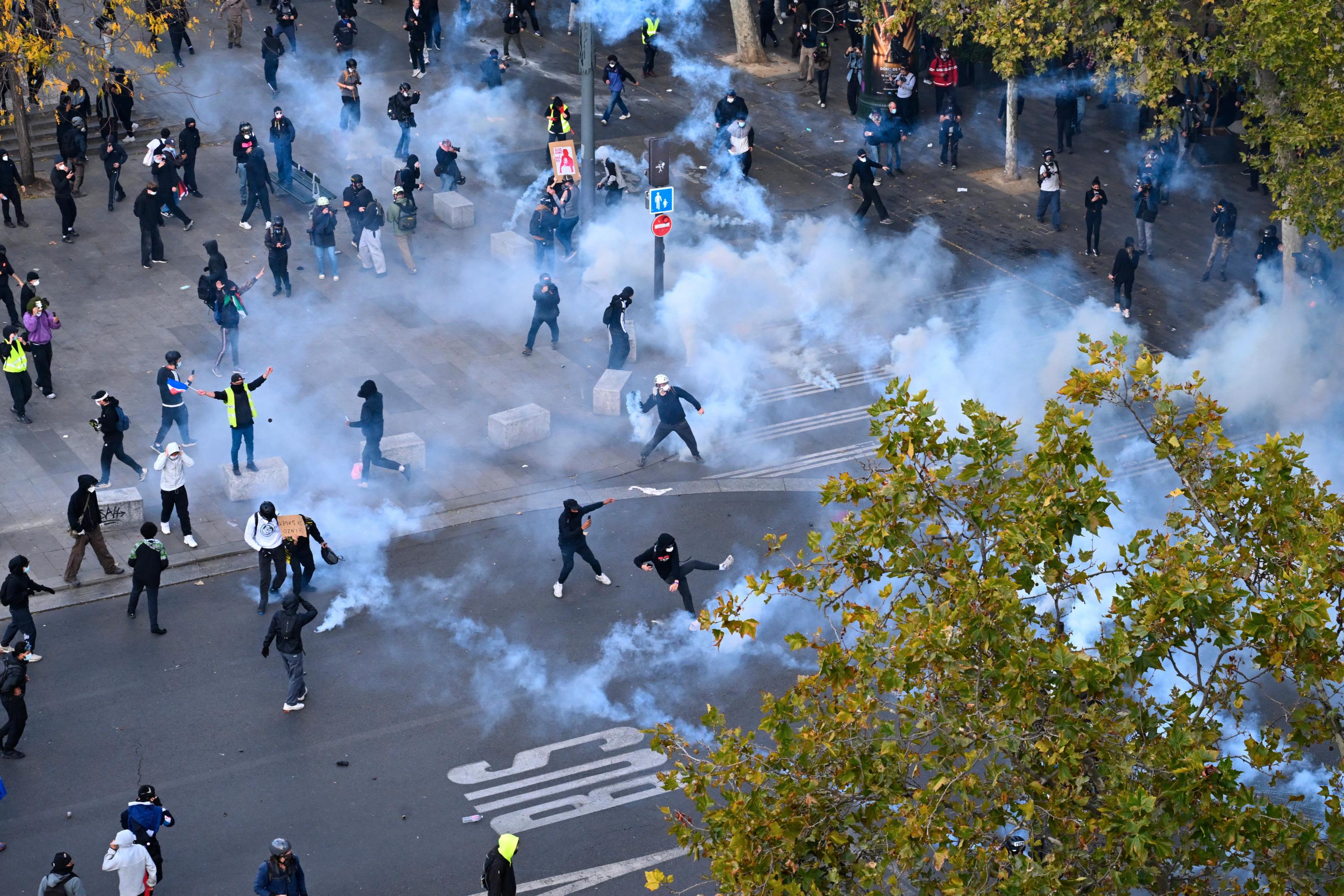
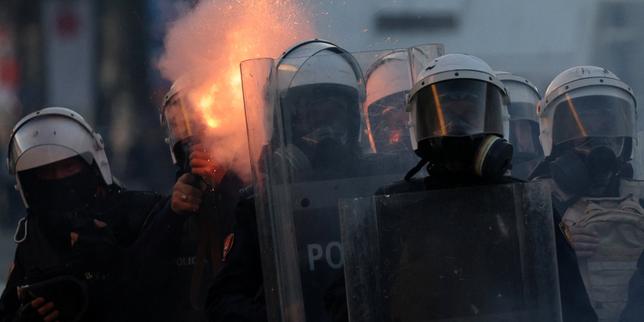
Hundreds of thousands of people protested across France on Saturday against rising living costs and education issues, with demonstrations spreading to around 140 cities. Police reported about 400 arrests nationwide, though one source cited 1,200.
From the center: Saturday's French protests represented real public frustration over economic conditions and education, drawing hundreds of thousands across the country. Most demonstrators were peaceful, but significant violence—fires, looting, and police clashes—occurred in multiple cities, resulting in around 400 arrests. Distinguishing between legitimate protest and criminal destruction matters: the government must address cost-of-living concerns through policy, but also maintain order. The challenge is responding to genuine grievances without rewarding those who exploit protests for vandalism, and maintaining proportionate policing that doesn't inflame tensions further.
The Department of Justice has demanded that California provide citizenship information for people it claims may not be citizens, citing alleged election fraud. President Trump promised on Friday that California election officials who intentionally count ballots from noncitizens will face prison time, writing on Truth Social that "They will all go to jail for a long period of time."
From the center: A genuine tension exists between election security verification and the risk of voter suppression, but this dispute is being handled poorly by both sides. The DOJ's citizenship data demand and Trump's inflammatory jail threats represent overreach that alienates cooperation, while California's apparent reluctance to provide straightforward answers about verification procedures fuels legitimate questions. Clear legal process and good-faith dialogue are absent; instead, both sides are making sweeping assertions without transparency that serves neither security nor confidence.
Alberta held a referendum on October 19 on whether to stay in Canada or proceed to a second, binding referendum on separation. Conservative Leader Pierre Poilievre and Prime Minister Mark Carney campaigned against separation, with Carney speaking at a Forever Canadian rally urging voters to keep the province in Confederation.
From the center: This referendum presents a difficult balance: Alberta's grievances are real and deserve acknowledgment, but separation would create serious economic and constitutional problems for both the province and Canada. The smart path is neither dismissing Albertans' concerns nor treating separation as a viable solution. A 'no' vote should trigger genuine federal-provincial negotiation on resource management, equalization, and Alberta's role in Confederation—concrete changes, not symbolic gestures.
On October 17, 2026, tens of thousands of protesters joined demonstrations across France against rising prices, inequality, and public service difficulties. Yellow Vest activists, high school and university students, and trade unions participated in coordinated protests in Paris, Marseille, Lyon and other cities.
From the center: Large-scale protests reflect real economic pressures on French households, particularly around energy costs and public services. The coalition of students, workers, and Yellow Vests represents diverse groups with overlapping but distinct concerns. Police responses—tear gas, detentions—are sometimes necessary to prevent vandalism and maintain order, but authorities should distinguish between peaceful assembly and violent clashes. The government faces a genuine challenge: inflation and service quality are legitimate issues, but wholesale policy reversals risk fiscal instability. Incremental reforms addressing worst hardships, combined with transparent communication about constraints, offer the best path forward.
President Trump signed an executive order on Friday waiving sanctions and tariffs on Russia mandated by the Lindsey O. Graham Sanctioning Russia and Iran Act of 2026, which he had signed into law the previous month. The sanctions were set to take effect within days. Trump cited "national security" and "national interest" as his justification.
From the center: Trump faces a genuine trade-off between two legitimate concerns: supporting Ukraine against Russian aggression and managing domestic energy prices and inflation ahead of elections. However, waiving comprehensive sanctions just weeks after signing them raises questions about the credibility of U.S. commitments and Congress's role in foreign policy. A more measured approach—perhaps targeted waivers rather than blanket exemptions—might have addressed energy concerns without signaling a wholesale retreat from Ukraine support or creating the appearance of a backroom deal with Moscow.
A New Mexico judge dismissed child sexual abuse charges against actor Timothy Busfield on October 16, 2026, citing prosecutorial misconduct. Busfield had been indicted in February on four counts of criminal sexual contact with a child, based on allegations he touched two children inappropriately while directing the TV series "The Cleaning Lady" in Albuquerque.
From the center: A judge has invoked prosecutorial misconduct to dismiss the charges, a decision that reflects legitimate legal principles about fairness and due process. The specifics of what misconduct occurred matter greatly—was it minor and correctable, or fundamental and case-altering? The dismissal protects Busfield's right to a fair process, but also means the underlying allegations won't be tested in court. Both the original charges and their dismissal deserve scrutiny: the public needs to understand both what prosecutors did wrong and what the original allegations were.
Zelenskyy attended an EU summit in Brussels where European leaders reaffirmed support for Ukraine. He responded to Trump's pressure on Ukraine to halt strikes on Russian oil refineries by saying Ukraine will resume those attacks. Trump had linked the refinery strikes to rising diesel and fuel prices.
From the center: The EU summit offered Ukraine reassurance at a precarious moment, but the growing friction between Zelenskyy and Trump complicates Ukraine's position. Trump's effort to halt refinery strikes reflects legitimate concerns about global energy prices, yet Ukraine has military reasons for those strikes. The real challenge is whether Ukraine can sustain the war without full US support, and whether Trump's influence through figures like Musk will reshape the conflict's trajectory in ways the EU cannot offset.
Starlink's military-grade Starshield service was restricted for Ukrainian forces this week. The Telegraph reported that Musk proposed the slowdown to Trump, contradicting earlier statements from both men: Musk had said it was Trump's idea, Trump claimed he didn't know who ordered it. Military Times reported the restriction order came from inside the White House.
From the center: Starlink's service restrictions for Ukraine exposed a coordination problem between the Trump administration and Musk that should have been handled more transparently from the start. The conflicting accounts from Trump and Musk—one saying it was the other's idea—suggest poor communication or deliberate obfuscation, neither of which serves U.S. credibility with allies. Zelenskyy's concern is legitimate: military-critical systems shouldn't be subject to sudden restrictions without warning or clear justification. However, the underlying question—whether Starshield speeds posed genuine security concerns or represented a legitimate policy choice—remains unclear from the coverage. Both better coordination between government and private providers and Ukraine's development of alternative satellite systems are needed.
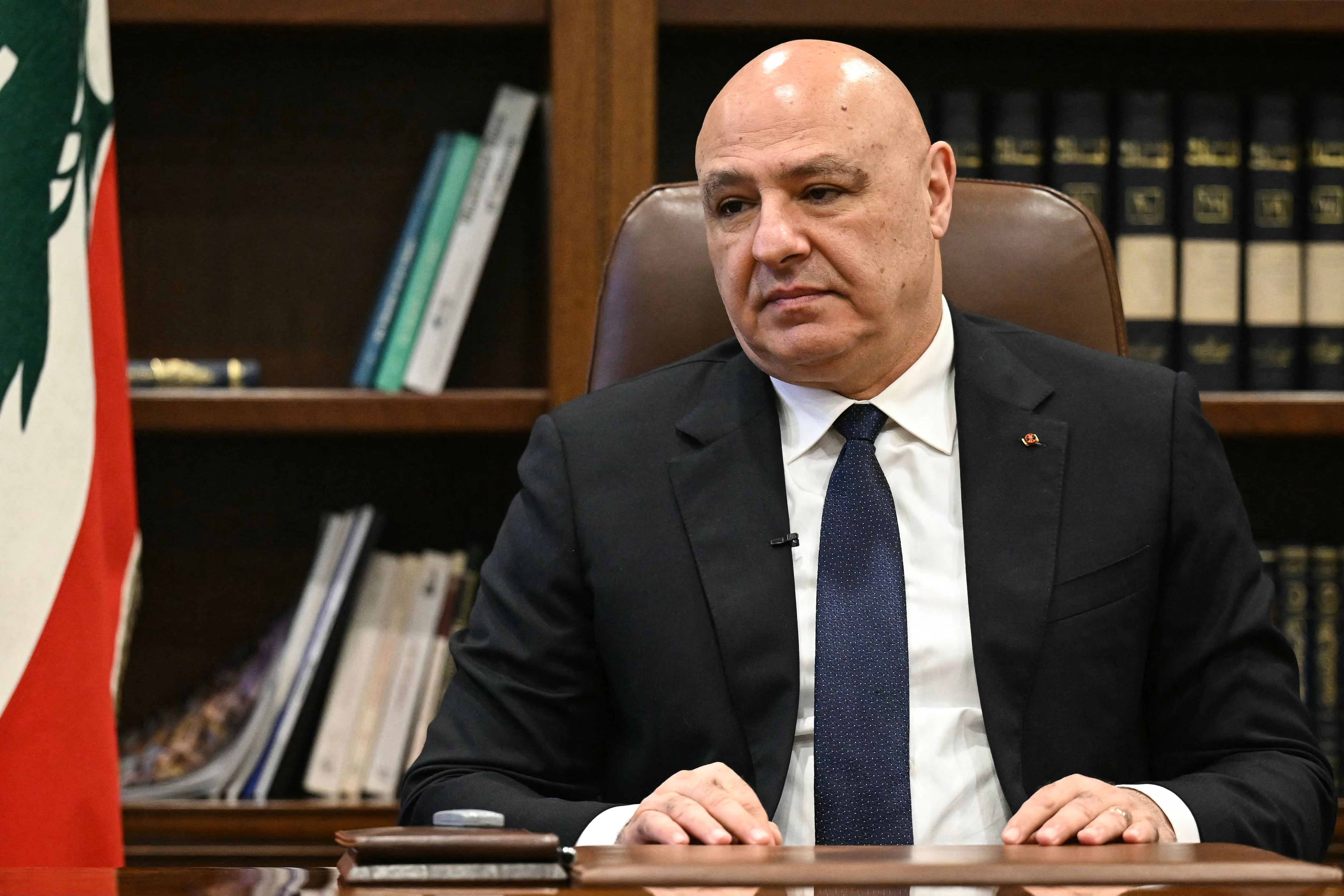
US Secretary of State Marco Rubio spoke with Lebanese President Joseph Aoun on October 15 about hundreds of kilograms of explosives confiscated from Hezbollah that the group had attempted to smuggle into Beirut several days earlier. Rubio urged Aoun not to return the explosives to Hezbollah and to hold accountable those who ordered, financed, and directed the shipment, according to State Department officials.
From the center: The US engagement shows both the limits and necessity of diplomacy on security matters. Lebanon's government faces a genuine dilemma: maintaining state authority over weapons requires resisting domestic pressure, yet accepting US backing can paradoxically weaken its legitimacy with parts of the population. Success depends on whether Lebanese leadership can frame accountability as serving national interests rather than foreign demands.
The Trump administration's Department of Justice sued California on Thursday, seeking to bar the state from counting ballots from approximately 20,000 voters it suspects are noncitizens. Acting Deputy Attorney General Trent McCotter had sent a 48-hour ultimatum to California Secretary of State Shirley Weber on Tuesday demanding the state set aside those ballots pending citizenship verification.
From the center: This lawsuit highlights a genuine tension in election administration: states must prevent noncitizens from voting, but the methods matter enormously. The citizenship database the DOJ cites has known accuracy problems, making it a blunt instrument for disenfranchisement. California's refusal to act on unverified data reflects institutional caution, but so does the DOJ's concern about potential noncitizen voters on rolls. The real question is whether there are better verification methods than either side's current approach, and whether courts should intervene in election administration this close to voting day.
President Trump announced Thursday that the execution of Nidal Hasan, scheduled for December 3, will not be livestreamed. Defense Secretary Pete Hegseth had proposed last week that the firing squad execution—the first military execution since 1945—would be public. Trump said only immediate families of the 13 victims of Hasan's 2009 Fort Hood shooting would witness it.
From the center: This situation presents a genuine clash between competing values. The government has an obligation to conduct executions transparently and with public accountability—closed proceedings invite suspicion. But livestreaming crosses a line into spectacle that degrades the seriousness of what execution is. Trump's reversal reflects a reasonable middle ground: the families attend, limited military officials are present, the facts are documented and available, but it is not turned into entertainment. The decision balances legitimate transparency concerns against equally legitimate worries about what televised killing does to a society's character.
Ukrainian President Volodymyr Zelenskyy accused the US under Trump of taking the wrong side and expressed feeling betrayed as Washington limited support to Kyiv. The US is threatening to halt intelligence sharing and restrict Starlink satellite network access. Zelenskyy declared an "energy ceasefire" with Russia ended and announced plans for new strikes on Russian energy infrastructure.
From the center: Zelenskyy's public criticism of Trump has created a diplomatic tension that complicates efforts to maintain a unified Western response to Russia. His decision to end the energy ceasefire and announce new attacks on Russian infrastructure may escalate the conflict in ways that reduce pressure for negotiation. The US limiting intelligence and Starlink access reflects frustration with Ukrainian strategy, though such restrictions carry real costs for civilian defense. European attempts to encourage diplomatic restraint on both sides are sensible, but the underlying disagreement about war strategy—whether to push for negotiations or intensify pressure on Russia—remains unresolved.
Ukrainian drones struck a Russian oil refinery in Ryazan region early Thursday. The attack came hours after President Zelenskyy announced that a brief truce was over, citing Moscow's failure to uphold its end and deepening tensions with the Trump administration. Trump had declared an energy ceasefire on Sunday; Ukraine had paused strikes during that period, but Moscow never formally agreed to the arrangement.
From the center: Ukraine faces a genuine dilemma: a ceasefire that only one side observes is tactically worthless and strategically demoralizing, yet resuming strikes antagonizes the US administration that remains its primary backer. Trump's unilateral declaration of a truce without securing Russian agreement was poorly designed; both the expectation that Ukraine would comply and Russia's non-compliance reflect the arrangement's fundamental weakness. Ukraine's choice to resume operations is understandable, but the resulting tension with Washington creates real risks for continued military aid and diplomatic support.
North Korea test-fired two types of submarine-launched strategic cruise missiles on Wednesday, according to state media KCNA reported Thursday. The missiles were fired into the East Sea (Sea of Japan). KCNA stated the launches posed no threat to neighbouring countries. The tests follow a September 21 landmine explosion in the Demilitarised Zone that injured three South Korean soldiers.
From the center: North Korea's submarine missile test adds to current regional tension following the earlier DMZ incident. The test demonstrates technical advancement in weapons capability, which is a legitimate security concern for neighbours. However, military posturing on both sides has become routine; distinguishing genuine escalation from standard demonstrations is difficult. Some diplomatic channel should remain open to prevent miscalculation, even as deterrence measures are maintained.
Thousands of demonstrators in Tirana, Albania's capital, protested on Wednesday demanding Prime Minister Edi Rama's resignation and better university conditions. Over several hours, protesters attacked government offices, smashed windows, and set fire to multiple buildings. Police responded with water cannons and tear gas.
From the center: Albania faces a crisis of public trust: students have real complaints about university conditions, and the government has not adequately addressed them, yet neither side has handled the situation well. Protesters' resort to arson and vandalism undermines their legitimate demands, while police deployment of tear gas and allegations of excessive force suggest responses that may worsen rather than resolve the crisis. Both dialogue and restraint are needed—institutional channels exist to address educational reform without escalation on either side.
Ukraine reported on Wednesday that its access to Starlink satellite communications has been restricted, with speeds limited below normal capacity. The Starshield system—funded by the Pentagon and operated by SpaceX—has disrupted Ukrainian military drone missions and battlefield communications. President Zelenskyy asked Elon Musk to restore full access.
From the center: A sudden Starlink service disruption has degraded Ukraine's military communications amid an existing dispute with the Trump administration over a diesel deal. The technical cause remains unclear—Musk attributes it to U.S. government controls, but Ukraine and observers suspect deliberate restrictions. Both the disruption itself and any possible intelligence withholding warrant transparent investigation. Allies depend on predictable support, and either negligence or manipulation undermines that foundation and damages trust.
U.S. District Judge Timothy Kelly ruled that President Trump must restore White House press access to CNN, MS NOW, and Politico, which Trump had banned over their coverage of his administration. Trump announced he will appeal the decision. The judge noted his ruling does not dismiss Trump's concerns about media accuracy or the government's ability to protect classified information.
From the center: A federal judge blocked Trump's ban on three news outlets from White House access, finding it inconsistent with constitutional protections for the press. The decision navigates competing interests: presidents do have legitimate operational discretion over the White House, but cannot use that power to punish news organizations for their reporting. The judge's careful language—acknowledging both Trump's concerns about media accuracy and the need for access—reflects the genuine tension between executive authority and press freedom.
Ukraine's military reported that access to Starlink satellite internet terminals was suddenly restricted overnight, disrupting drone operations used against Russian forces. Ukrainian officials suspect the restrictions came from Washington as pressure to halt long-range strikes on Russian oil infrastructure.
From the center: Ukraine reports Starlink restrictions that have disrupted military operations at a sensitive moment, with officials indicating the order came from Washington. The restrictions appear connected to tension over Ukraine's long-range strikes on Russian energy infrastructure and broader disagreements between Kyiv and the Trump administration over war strategy. While the U.S. has legitimate interests in managing the conflict's escalation, suddenly cutting off critical communications infrastructure creates real military risks and strains the alliance. Both sides need to negotiate the terms of support through dialogue rather than unilateral pressure, and any restrictions should be transparent and coordinated with Ukrainian military needs.
Kimberly Guilfoyle resigned as U.S. ambassador to Greece on October 13, 2026, after the White House asked her to step down. The Wall Street Journal had reported allegations that she engaged in improper conduct, including soliciting funds from wealthy donors in exchange for official access and asking a Republican donor to help pay off her personal debt. Guilfoyle denied the allegations.
From the center: Guilfoyle's departure resolves an immediate crisis, but the episode highlights tensions between accountability and institutional loyalty. The White House acted once the scandal became undeniable, which is appropriate, but the fact that such conduct apparently went unaddressed until media exposure raises questions about internal oversight. Whether the allegations prove serious remains unclear, and her denial matters; what's certain is that ambassadorships should be filled based on diplomatic qualifications rather than political connections alone.
Homeland Security Investigations agents executed a judicially authorized search warrant at Democratic Rep. Ilhan Omar's Washington, D.C. home on Monday as part of an ongoing federal criminal investigation into alleged immigration fraud. The investigation reportedly concerns childhood paperwork filed by her late father.
From the center: A search warrant signed by a judge suggests some factual basis for investigation, yet Trump's public attacks on Omar while claiming no involvement create genuine ambiguity about the investigation's independence. Both possibilities exist: there could be real legal violations meriting inquiry, or the administration could be using law enforcement for political ends. The public needs transparent information about what triggered the investigation and whether similar cases against politicians of other parties receive equal attention.
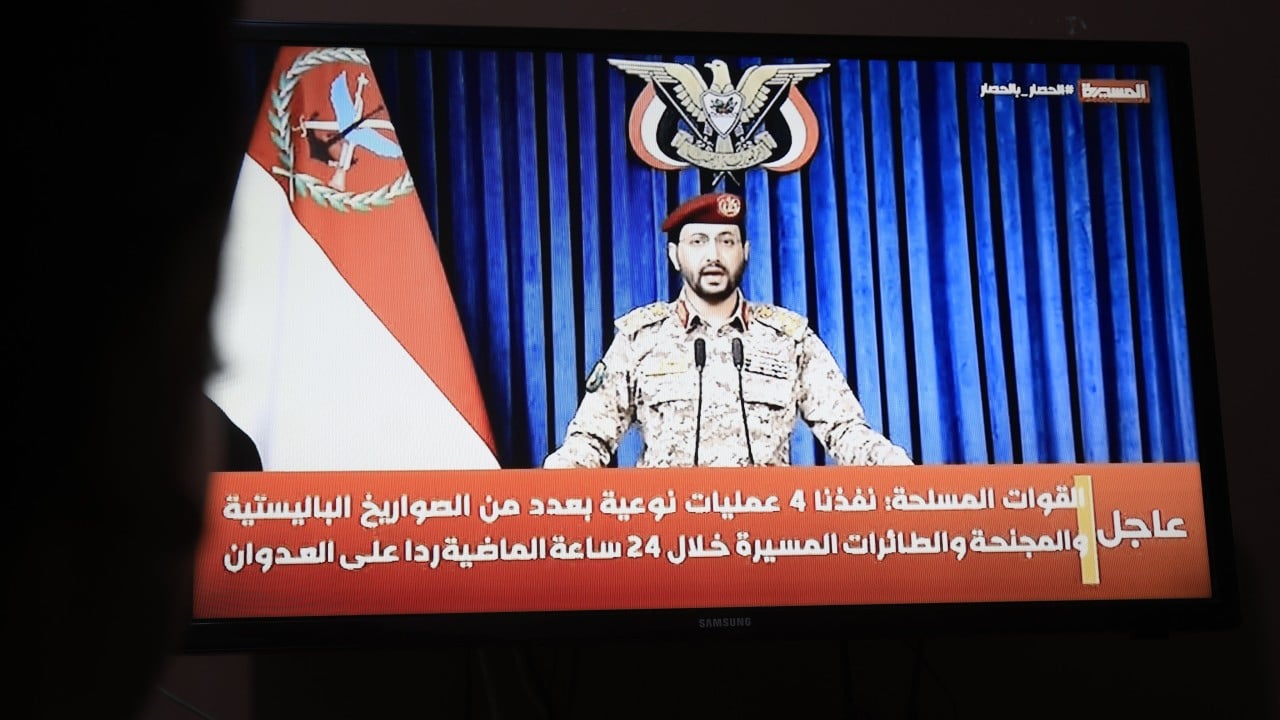
Houthi forces attacked Riyadh's King Khalid International Airport in Saudi Arabia over the weekend with missiles and drones. Death tolls vary across reporting: CBS News states 20 killed in a week of strikes, CNN reports at least 13 killed in a weekend strike, NBC News reports more than a dozen including one American, and Israel Hayom reports at least 12 killed with over 300 wounded.
From the center: The Houthi attacks represent a genuine security crisis for Saudi Arabia and a test of regional stability. The U.S. faces a genuine dilemma: Riyadh is an important ally and the attacks are serious, but deeper involvement risks entangling America in another Middle Eastern conflict. A proportionate response focused on protecting civilians and critical infrastructure, combined with diplomatic channels to de-escalate, offers a middle path between inaction and open-ended military commitment.
A federal judge in New York's Southern District ordered the Trump administration to immediately halt taxpayer-funded television ads on Sunday. The Department of Homeland Security spent $20 million on the ad campaign featuring President Trump. A coalition of liberal organizations sued last week, arguing the ads constituted government propaganda and were timed to influence the midterm elections.
From the center: A judge ordered a halt to taxpayer-funded ads the Trump administration had launched, finding merit in arguments that the $20 million campaign blurred the line between legitimate government messaging and political promotion. The ruling reflects genuine tension between the government's right to communicate policy to the public and restrictions on using federal resources for electoral purposes. Courts are now sorting out where that boundary lies, which is appropriate, though both administrations have tested these limits in different ways.
A bipartisan group of six senators issued a statement Sunday opposing President Trump's agreement with Russia to allow diesel imports into the U.S. market. The signatories are Democrats Shaheen, Blumenthal, and Wyden, and Republicans Murkowski, Tillis, and Curtis.
From the center: Six senators from both parties raised legitimate procedural concerns: Trump appears to have sidestepped statutory requirements to consult Congress before lifting energy restrictions on Russia. The 2022 ban reflected bipartisan consensus that Russian energy sales fund Ukraine's invasion. Whether Trump's deal advances or harms U.S. interests depends on facts not yet clear—the diplomatic rationale, terms, and whether it actually reduces global oil prices for Americans. Congress should demand full transparency and reassert its role in major foreign policy decisions, whatever the ultimate judgment.
King Khalid International Airport in Riyadh was struck twice in 24 hours. A strike on Saturday, October 10 killed 12 people and injured around 300, according to Saudi Arabia's General Authority of Civil Aviation. Premium Times identified the dead as four Saudi nationals, two Bangladeshis, and one citizen each from the United States, Egypt, Jordan, Syria, Palestine and Sudan.
From the center: Two airport attacks in consecutive days represent a genuine security crisis requiring immediate response. Saudi Arabia must investigate how defenses failed and tighten security at critical infrastructure. The Houthis' capability to strike twice suggests either improved weapons or gaps in air defenses. While Saudi retaliation is understandable, escalation risks further attacks and broader regional tension. A balanced approach combines stronger defensive measures, proportionate responses, and discreet diplomatic channels to reduce the likelihood of further strikes.
President Trump announced Sunday via social media that Russia and Ukraine have agreed to an 'energy ceasefire' halting attacks on each other's energy facilities. Ukrainian President Zelenskyy said the announcement was news to him but said Ukraine would accept such a deal if Russia agrees. Russia has not commented.
From the center: Trump's announcement attempted to broker a limited ceasefire on energy infrastructure, a modest but potentially valuable step if all parties genuinely commit. The immediate problem is verification: Ukraine welcomed it conditionally, Russia hasn't responded, and Russian attacks continued shortly after, casting doubt on whether a real agreement exists. The context complicates matters—Trump's diesel deal with Russia and public criticism of Zelenskyy suggest the announcement may have been premature or incomplete. A genuine energy ceasefire would need clearer terms, buy-in from Moscow, and monitoring to prevent the violations that apparently occurred.
Houthi rebels struck King Khalid International Airport in Riyadh on Saturday, killing at least 12 people and injuring hundreds, forcing authorities to close the facility. A second strike hit the airport on Sunday. The National reports 13 killed; other outlets report 12. The Houthis warned of further attacks. American Greatness reports one of the dead was American.
From the center: Two consecutive attacks on a major civilian airport in one day represent a genuine security crisis requiring immediate action to protect people and infrastructure. The Houthis' deliberate targeting and stated intent for further strikes cannot be ignored. At the same time, military escalation risks spreading the conflict further and harming civilians. A balanced approach requires strengthening Saudi air defenses, holding the Houthis accountable for targeting civilians, and simultaneously pursuing negotiated settlements rather than reflexively expanding military involvement, especially U.S. participation.