Trump cancels livestream of Fort Hood shooter Nidal Hasan's firing squad execution
Reported by
A dot shows how that piece reads — Prism rates articles, not outlets, and shows the words behind each placement below. No dot means the piece isn’t rated. How the ratings work
What happened
The account the coverage agrees on, with contested figures attributed rather than asserted. This is not one of the five framings below — it is the ground they all stand on.
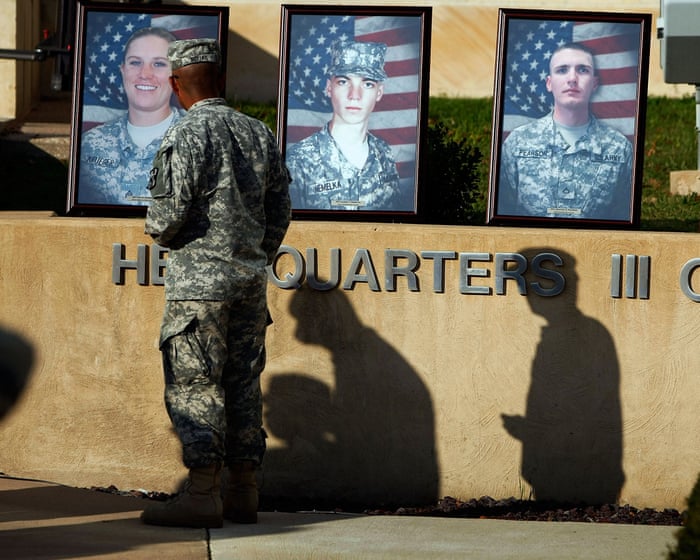
President Trump announced Thursday that the execution of Nidal Hasan, scheduled for December 3, will not be livestreamed. Defense Secretary Pete Hegseth had proposed last week that the firing squad execution—the first military execution since 1945—would be public. Trump said only immediate families of the 13 victims of Hasan's 2009 Fort Hood shooting would witness it. The reversal followed bipartisan backlash, including condemnation from more than 70 retired military leaders who called the livestream plan 'barbaric.' Polling found only 18 percent of Americans supported livestreaming the execution.
How the spectrum reads this story
The same event, summarised as five points on the political spectrum would each tend to frame it. These are generated by an AI model and are a starting point, not the last word.
Left
This reversal exposes how readily a militaristic administration embraced spectacle over dignity. That Hegseth could propose broadcasting an execution—reducing a life to entertainment—reveals the dehumanization baked into state violence. The backpedal only came under pressure, not principle. Executing people remains the underlying issue; that Trump stopped short of the livestream doesn't address the fundamental question of whether the state should kill at all, or whether a military execution of a soldier serves justice or revenge.
No article in this story reads this way. This is how the position tends to frame events like it — written by a model, not quoted from anyone.
Center-left
Trump's decision to cancel the livestream was the right call, though it required public pressure to get there. Hegseth's original proposal was reckless and degrading—turning a serious legal matter into spectacle undermines both the rule of law and human dignity. The military and public objected for good reason. That said, the execution itself proceeds as scheduled, which raises separate questions about proportionality and whether capital punishment serves justice. The focus should remain on ensuring the legal process is sound and conducted with appropriate restraint.
Drawn from 4 articles placed here, below.
Center
This situation presents a genuine clash between competing values. The government has an obligation to conduct executions transparently and with public accountability—closed proceedings invite suspicion. But livestreaming crosses a line into spectacle that degrades the seriousness of what execution is. Trump's reversal reflects a reasonable middle ground: the families attend, limited military officials are present, the facts are documented and available, but it is not turned into entertainment. The decision balances legitimate transparency concerns against equally legitimate worries about what televised killing does to a society's character.
Drawn from 5 articles placed here, below.
Center-right
Hegseth's proposal was a misstep that handed opponents an easy target. Military tradition and dignity matter—this is not an event for broadcast audiences. Trump made the prudent choice in stepping back, recognizing that some governmental functions, even when lawful, should be conducted with restraint and limited public spectacle. The execution will proceed as the law requires; that is what matters. Restricting attendance to families and essential military personnel is appropriate. This demonstrates that the administration can hear legitimate concerns and adjust course without compromising on its actual policies.
No article in this story reads this way. This is how the position tends to frame events like it — written by a model, not quoted from anyone.
Right
While the execution itself properly proceeds, the decision to cancel the livestream disappoints those who saw transparency as important. A legitimate government should not hide its lawful actions. Hasan murdered 13 people; accountability and deterrence are valid considerations. That said, Trump's judgment here is defensible—military execution has its own protocols and traditions, and families deserve the priority. The backlash from the military establishment and media was partly performative outrage. The real issue remains that justice will be done; how it is witnessed is secondary.
No article in this story reads this way. This is how the position tends to frame events like it — written by a model, not quoted from anyone.
Hear two viewpoints debate it
Pick two viewpoints and Prism writes a short, six-turn exchange about this story in each one’s own voice — steel-manned, no winner declared. Each pairing is written once and then saved for every reader. The voices are AI syntheses of a tradition, not real people.
New pairing — Prism will write it now.
How each outlet covered it
Where Prism places each piece — not the outlet in general — with the words from that piece that put it there, and the photograph the outlet chose. Picking a photo is a framing decision too.
- The GuardianThis piece reads center-left
“Pentagon says Trump and Hegseth 'completely aligned”
Word choicePlaces 'completely aligned' in quotation marks, preserving the Pentagon spokesperson's language verbatim and signaling the precise official claim rather than paraphrasing the nature of Trump and Hegseth's agreement.
Read the original  TruthoutThis piece reads center-left
“After Fierce Backlash”
FramingEmphasizes the public reaction that drove the reversal by leading with backlash in the headline, whereas most outlets present Trump's decision as the primary fact and mention the backlash as context.
Read the original
- Mother JonesThis piece reads center-left
“Trump Calls Off Execution Livestream”
Word choiceUses 'calls off' rather than 'cancels,' which reads as more colloquial and less formal than the more standard term other outlets employ.
Read the original 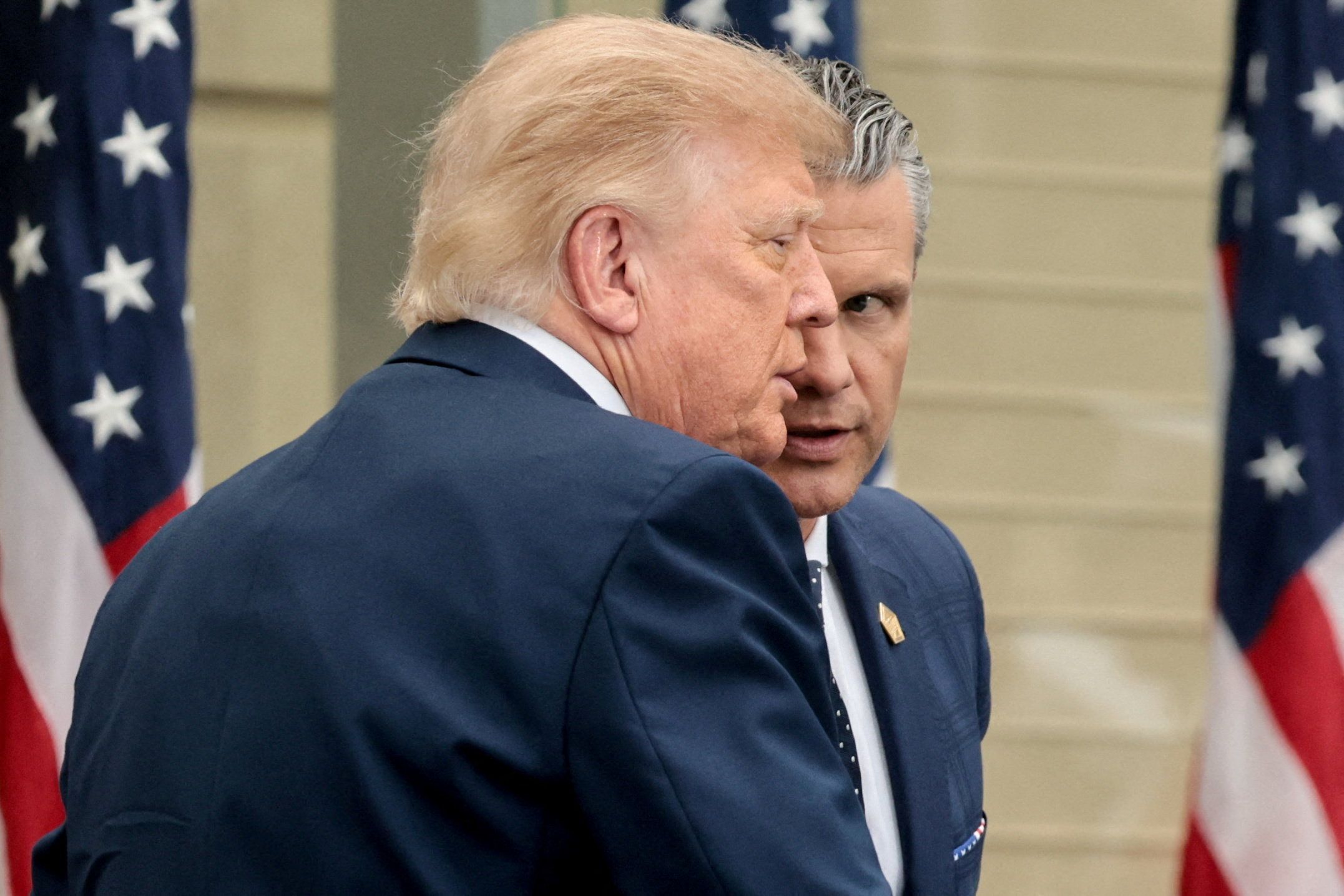 Semafornot rated
Word choiceUses the word 'barbaric' in quotation marks, attributing it to the military leaders rather than presenting it as the outlet's own characterization—a technique that notes strong language without endorsing it.
Read the original- The American ConservativeThis piece reads center
“Defense Secretary Pete Hegseth had announced last week”
Read the original  NYTThis piece reads center
“The president said only immediate families of the victims”
Read the original BBCnot ratedRead the original
 AxiosThis piece reads center
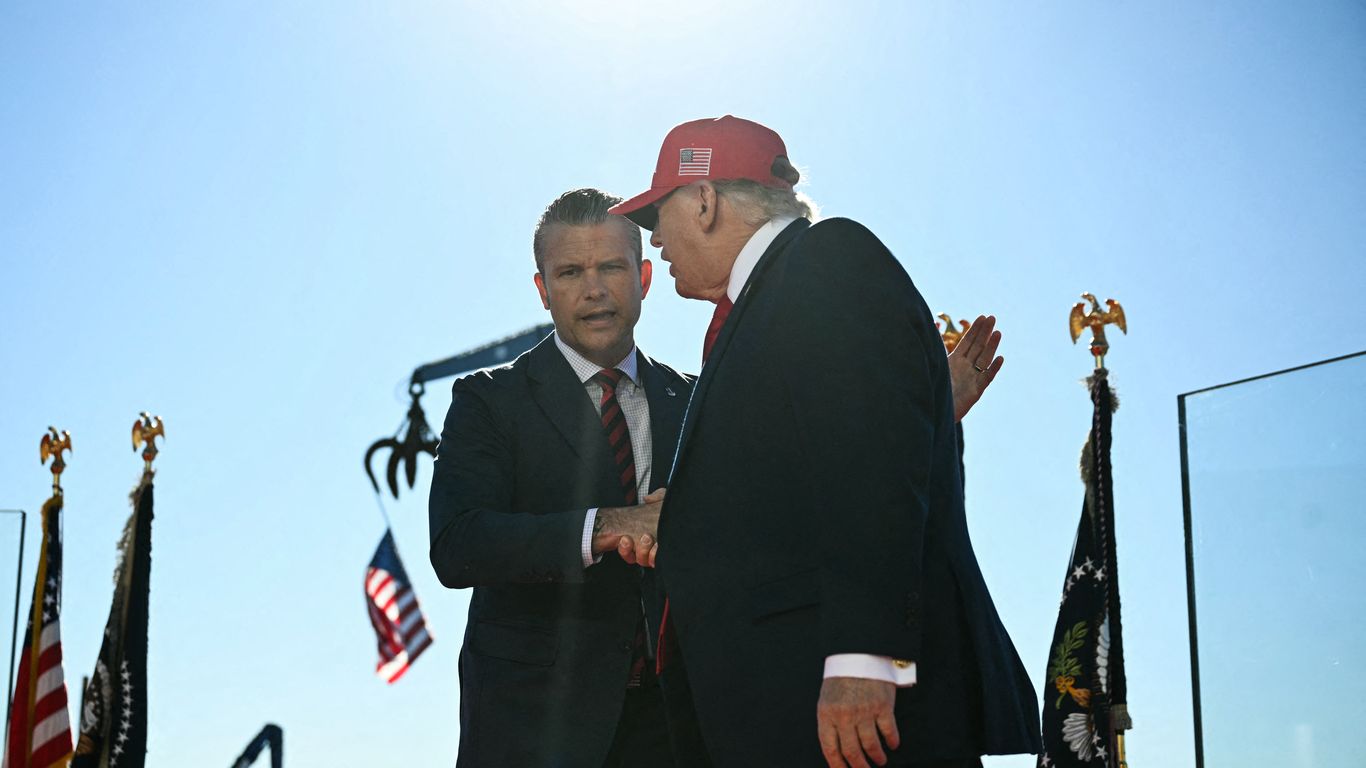
“The president's post walks back an idea that Defense Secretary Pete Hegseth”
Read the original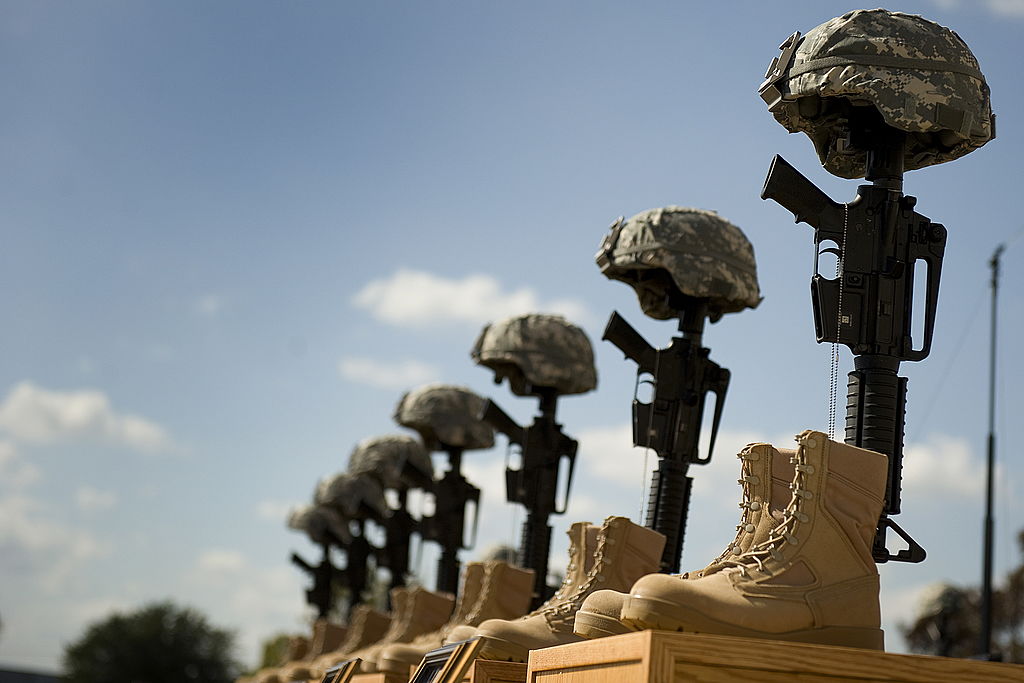 Catholic News AgencyThis piece reads center
“The execution of the convicted mass shooter by firing squad is set for Dec. 3”
Read the original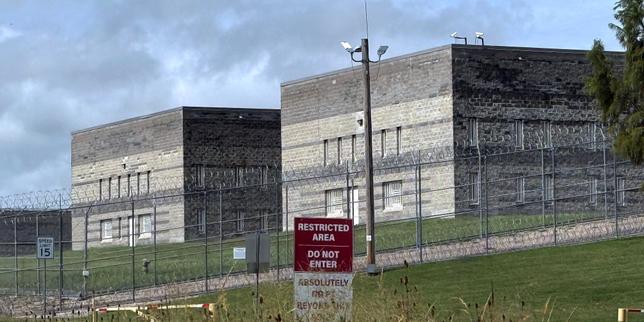 Le MondeThis piece reads center
“Trump scraps plan to livestream military execution after backlash”
Read the original
Placements are generated by an AI model from each article’s own headline and summary, and every quotation above is checked to be a real substring of that article before it is published. How this is done
Prism is free and carries no advertising. Support it if it was useful.