Trump signs executive order waiving Russia sanctions ordered by Lindsey Graham Act
Reported by
A dot shows how that piece reads — Prism rates articles, not outlets, and shows the words behind each placement below. No dot means the piece isn’t rated. How the ratings work

What happened
The account the coverage agrees on, with contested figures attributed rather than asserted. This is not one of the five framings below — it is the ground they all stand on.
President Trump signed an executive order on Friday waiving sanctions and tariffs on Russia mandated by the Lindsey O. Graham Sanctioning Russia and Iran Act of 2026, which he had signed into law the previous month. The sanctions were set to take effect within days. Trump cited "national security" and "national interest" as his justification. The Financial Times reported the waiver followed a deal with Moscow to release diesel. Ukrainian President Zelensky's response intensified tensions, with Ukraine seeking continued EU funding for its war effort.
How the spectrum reads this story
The same event, summarised as five points on the political spectrum would each tend to frame it. These are generated by an AI model and are a starting point, not the last word.
Left
Trump is abandoning congressional will and Ukraine to appease Putin, undermining the bipartisan effort to pressure Russia over its invasion. By waiving sanctions he himself signed into law weeks earlier, Trump reveals his true allegiances lie with Moscow, not with defending democratic nations or U.S. strategic interests. This reversal emboldens an aggressor while betraying Ukraine at its most vulnerable moment and signals to authoritarian leaders that American resolve is negotiable.
No article in this story reads this way. This is how the position tends to frame events like it — written by a model, not quoted from anyone.
Center-left
Trump's decision to waive Russia sanctions so soon after signing them into law represents a dangerous capitulation to Moscow and a setback for Ukraine. While the administration frames this as necessary for managing energy costs, the move undermines bipartisan sanctions policy and contradicts Congress's intent. The timing—following a diesel deal with Russia and amid deteriorating U.S.-Ukraine relations—suggests Trump is prioritizing short-term economic concerns and his relationship with Putin over sustained pressure on an invading power.
Drawn from 4 articles placed here, below.
Center
Trump faces a genuine trade-off between two legitimate concerns: supporting Ukraine against Russian aggression and managing domestic energy prices and inflation ahead of elections. However, waiving comprehensive sanctions just weeks after signing them raises questions about the credibility of U.S. commitments and Congress's role in foreign policy. A more measured approach—perhaps targeted waivers rather than blanket exemptions—might have addressed energy concerns without signaling a wholesale retreat from Ukraine support or creating the appearance of a backroom deal with Moscow.
Drawn from 10 articles placed here, below.
Center-right
The Trump administration is right to reconsider blanket sanctions that complicate efforts to lower fuel costs, which directly affect American households. However, the optics of signing legislation into law and then immediately waiving it are poor and fuel legitimate concerns about consistency and process. A better approach would involve working with Congress to modify the Graham Act itself or using waivers more selectively, rather than appearing to reverse course unilaterally and suggesting that energy deals with Russia override congressional mandates.
Drawn from 2 articles placed here, below.
Right
Trump is correctly using his executive authority to prioritize American economic interests, particularly lower energy costs for working families. The Graham Act sanctions were counterproductive—raising diesel prices harms ordinary Americans while Russia adapts. By securing a diesel deal with Moscow and waiving economically damaging tariffs, Trump is pursuing pragmatic diplomacy over ideological confrontation. Congress can pass bills, but the president must retain flexibility to serve the national interest; Trump's move demonstrates the executive branch's proper role in foreign policy and trade.
No article in this story reads this way. This is how the position tends to frame events like it — written by a model, not quoted from anyone.
Hear two viewpoints debate it
Pick two viewpoints and Prism writes a short, six-turn exchange about this story in each one’s own voice — steel-manned, no winner declared. Each pairing is written once and then saved for every reader. The voices are AI syntheses of a tradition, not real people.
New pairing — Prism will write it now.
How each outlet covered it
Where Prism places each piece — not the outlet in general — with the words from that piece that put it there, and the photograph the outlet chose. Picking a photo is a framing decision too.
- HuffPostnot ratedRead the original
- BBCThis piece reads center-left
“row with Zelensky intensifies”
Word choiceEmphasizes the interpersonal conflict with Ukraine's leader where other outlets focus on the policy reversal itself—the phrasing suggests a personal disagreement rather than a strategic divergence.
Read the original  Financial TimesThis piece reads center-left
“gives Putin a reprieve on threatened energy measures”
Word choiceUses "reprieve," which carries a sense of relief granted to someone in jeopardy, subtly framing Putin as beneficiary rather than neutrally stating the sanctions waiver.
Read the original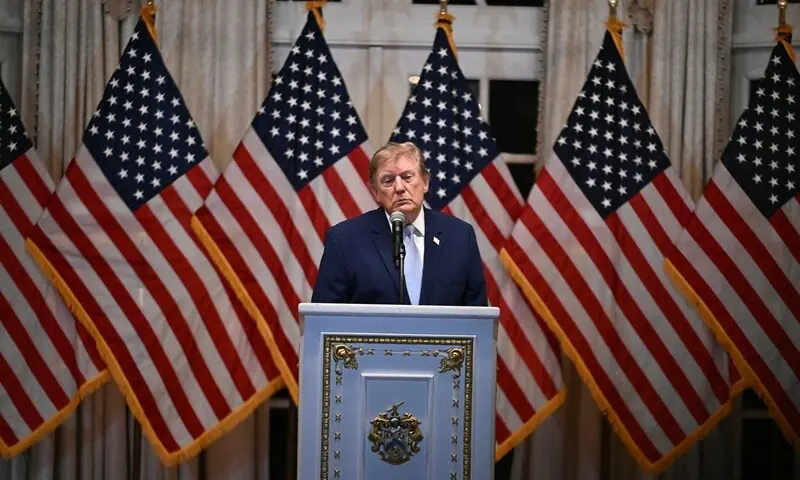 DawnThis piece reads center-left
“marking a new low in Washington's ties with war-torn Ukraine”
Word choiceExplicitly characterizes the move as "a new low" in relations, making a judgment about the severity of the rupture rather than reporting it neutrally.
Read the original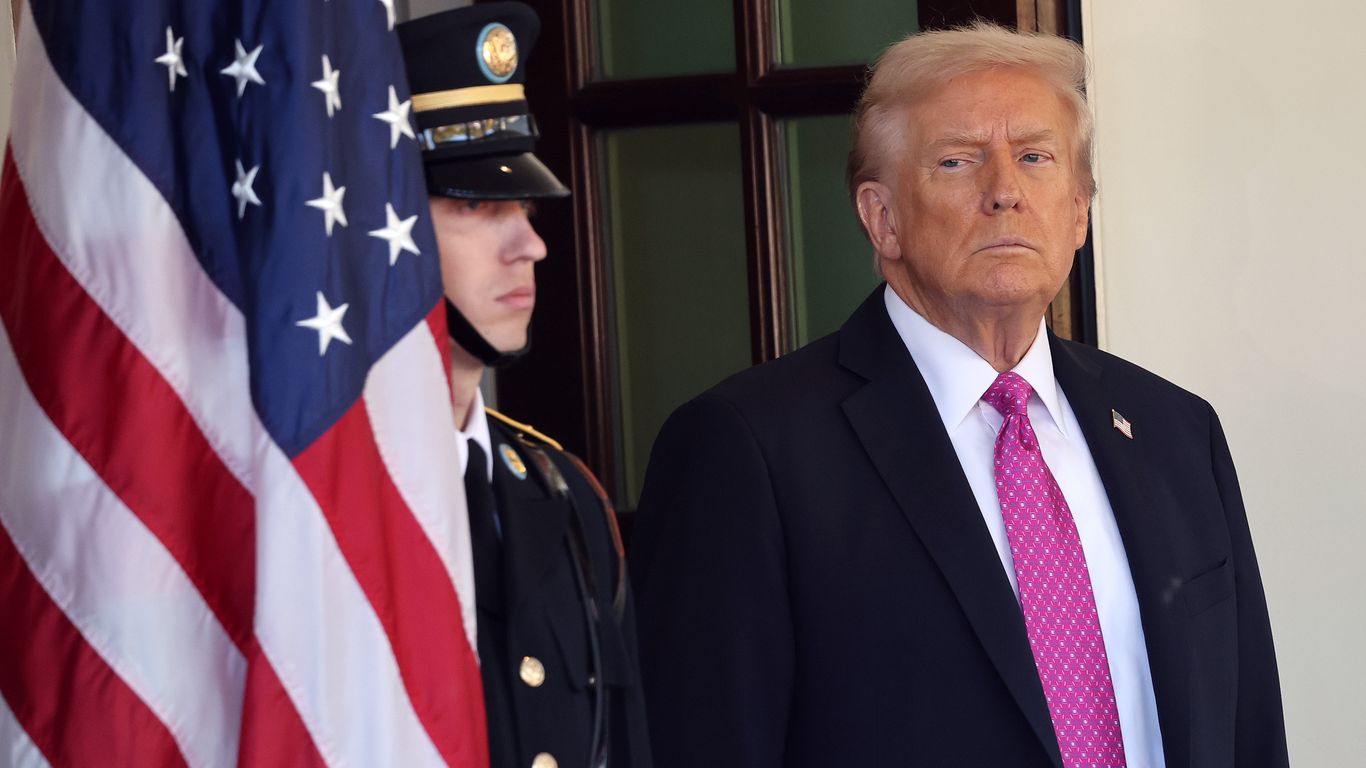 AxiosThis piece reads center-left
“Trump is easing American pressure on Russia despite a bipartisan chorus calling”
FramingExplicitly flags that Trump is acting against a stated bipartisan consensus, framing the move as defying Congress's will in a way most outlets state more neutrally.
Read the original- The Moscow TimesThis piece reads center
“in the "national interest" of the United States”
Read the original - CNBCThis piece reads center
“Trump signed the Graham Bill, which targeted Russia over its invasion”
Read the original 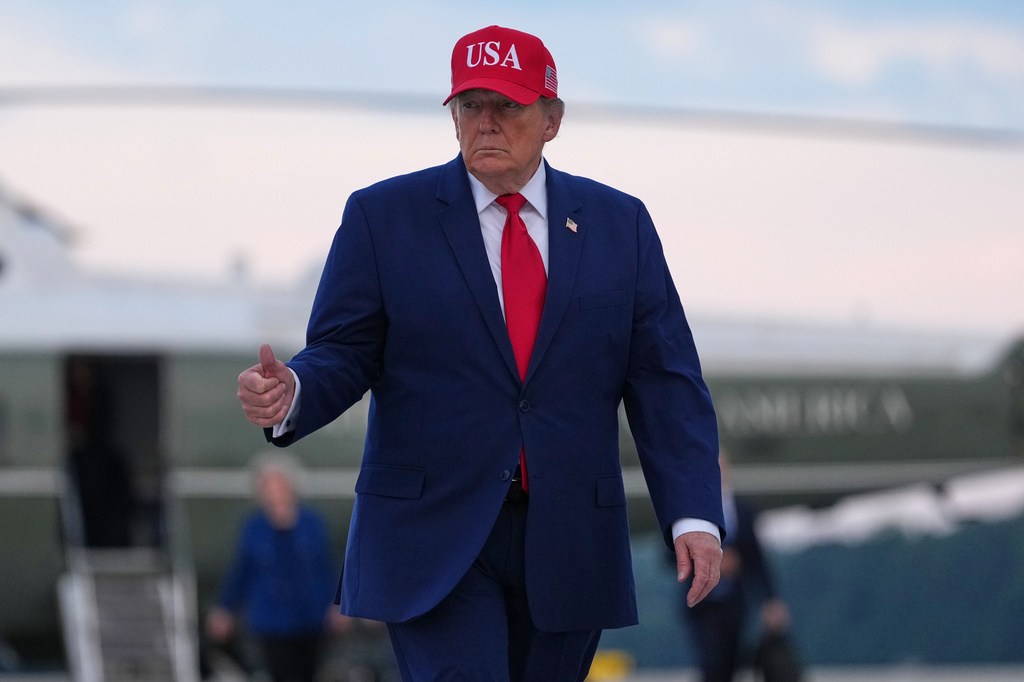 Washington ExaminerThis piece reads center
“Trump signed the Lindsey O. Graham Sanctioning Russia and Iran Act into law”
Read the original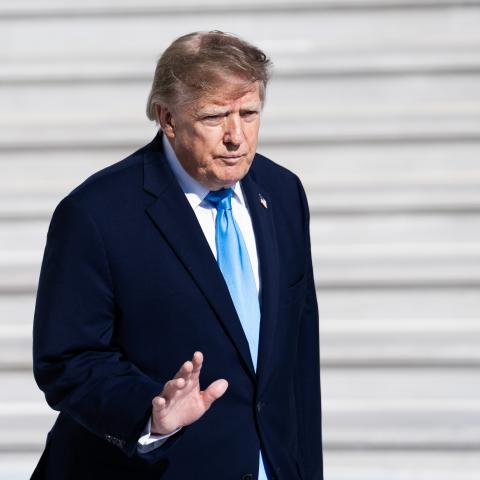 Just the NewsThis piece reads center
“only impacts sanctions under the Graham Act, and not sanctions imposed by other”
Read the original NewsNationThis piece reads center
“Trump administration pushes efforts to lower fuel prices”
What's left outReferences a "war in Iran" without explanation in a story about Russia sanctions—this appears to be either an editorial error or an unusual framing that is not corroborated by other outlets.
Read the original NYTThis piece reads center
“named after Senator Lindsey Graham, the South Carolina Republican who died in”
Read the original The HillThis piece reads center
“waive sanctions against Russia set to take effect soon”
Read the original- EuronewsThis piece reads center
“Russian presidential envoy Kirill Dmitriev has called the decision”
Read the original - Al-Monitornot ratedRead the original
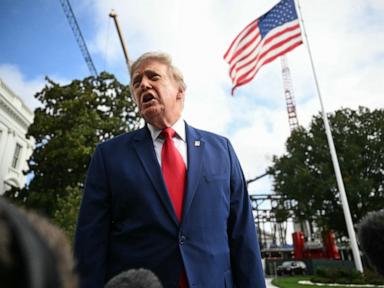 ABC NewsThis piece reads center
“new sanctions and tariffs were set to take effect in two days”
Read the original- The Express TribuneThis piece reads center
“national interest of the United States in executive order”
Read the original - BloombergThis piece reads center-right
“Halts New Russia Energy Sanctions to Ease Diesel Costs”
FramingLeads with the domestic rationale (diesel costs and midterm elections) rather than the geopolitical context, emphasizing practical U.S. concerns over Ukraine implications.
Read the original - American GreatnessThis piece reads center-right
“Retains Power to Reinstate Sanctions”
Read the original
Placements are generated by an AI model from each article’s own headline and summary, and every quotation above is checked to be a real substring of that article before it is published. How this is done
Prism is free and carries no advertising. Support it if it was useful.