DOJ sues California over noncitizens on mail voter rolls
Reported by
A dot shows how that piece reads — Prism rates articles, not outlets, and shows the words behind each placement below. No dot means the piece isn’t rated. How the ratings work

What happened
The account the coverage agrees on, with contested figures attributed rather than asserted. This is not one of the five framings below — it is the ground they all stand on.
The Trump administration's Department of Justice sued California on Thursday, seeking to bar the state from counting ballots from approximately 20,000 voters it suspects are noncitizens. Acting Deputy Attorney General Trent McCotter had sent a 48-hour ultimatum to California Secretary of State Shirley Weber on Tuesday demanding the state set aside those ballots pending citizenship verification. California officials rejected the demand. The lawsuit was filed in federal court in California.
How the spectrum reads this story
The same event, summarised as five points on the political spectrum would each tend to frame it. These are generated by an AI model and are a starting point, not the last word.
Left
The Trump administration is weaponizing election law to suppress votes days before a midterm election. The citizenship data the DOJ relies on has a documented history of errors and false positives, yet the administration is using it to demand disenfranchisement without due process. This represents a dangerous politicization of elections enforcement and an assault on voting rights, deployed strategically to affect the outcome of elections that threaten Republican control of Congress.
Drawn from 1 article placed here, below.
Center-left
The DOJ's lawsuit raises serious concerns about the quality of the citizenship data being used and the timing—so close to an election that any legal disruption could suppress legitimate votes. California's more cautious approach, requiring actual verification before removing voters, reflects the proper institutional skepticism about making irreversible voting decisions on imperfect information. The administration's aggressive tactics and artificial deadlines seem designed to bypass normal review processes rather than to ensure election integrity.
Drawn from 1 article placed here, below.
Center
This lawsuit highlights a genuine tension in election administration: states must prevent noncitizens from voting, but the methods matter enormously. The citizenship database the DOJ cites has known accuracy problems, making it a blunt instrument for disenfranchisement. California's refusal to act on unverified data reflects institutional caution, but so does the DOJ's concern about potential noncitizen voters on rolls. The real question is whether there are better verification methods than either side's current approach, and whether courts should intervene in election administration this close to voting day.
Drawn from 4 articles placed here, below.
Center-right
Election integrity requires that only eligible voters cast ballots. If California's voter rolls contain noncitizens, that is a serious problem the state should address—and swiftly. The DOJ's lawsuit aims to ensure the integrity of the vote by preventing ballots from ineligible voters from being counted. While the specific data and numbers deserve scrutiny, the principle that citizenship verification is essential is sound. California's resistance to a reasonable review process itself raises questions about why state officials would decline to verify eligibility.
Drawn from 2 articles placed here, below.
Right
California is allowing noncitizens to vote, and federal authorities are correctly trying to stop it. The state's refusal to comply with a reasonable request to review its voter rolls and remove ineligible voters is an abdication of its duty to election integrity. The DOJ is taking necessary action to protect the franchise by ensuring only citizens vote. California's obstruction of this basic requirement suggests either incompetence or deliberate election manipulation to inflate Democratic votes in a crucial midterm election.
No article in this story reads this way. This is how the position tends to frame events like it — written by a model, not quoted from anyone.
Hear two viewpoints debate it
Pick two viewpoints and Prism writes a short, six-turn exchange about this story in each one’s own voice — steel-manned, no winner declared. Each pairing is written once and then saved for every reader. The voices are AI syntheses of a tradition, not real people.
New pairing — Prism will write it now.
How each outlet covered it
Where Prism places each piece — not the outlet in general — with the words from that piece that put it there, and the photograph the outlet chose. Picking a photo is a framing decision too.
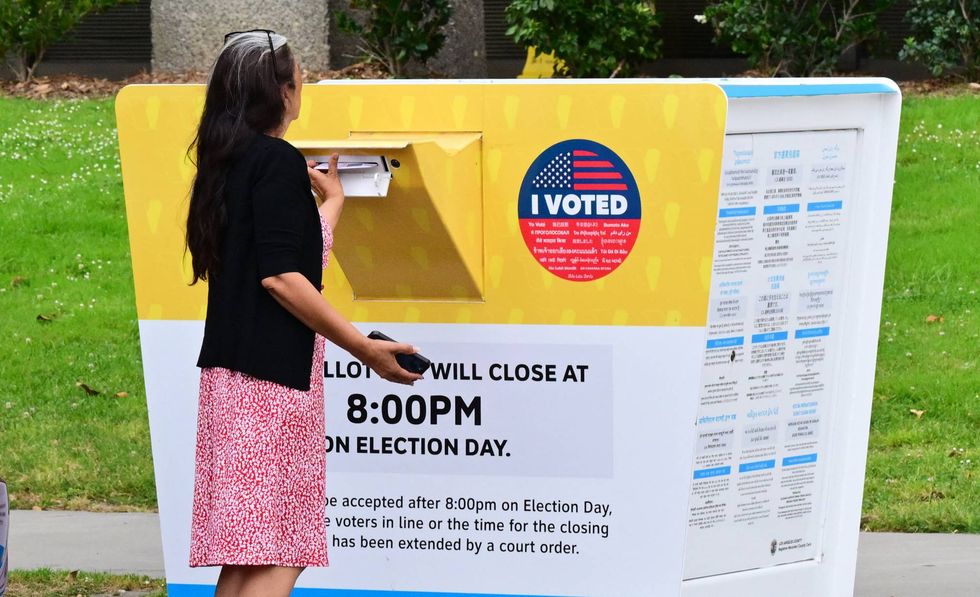 Common DreamsThis piece reads left
“Faulty Citizenship Database”
Word choicePre-judges the database as faulty in the headline itself, while other outlets present the citizenship data as the DOJ's allegation without editorial assessment of its reliability.
Read the original- Al JazeeraThis piece reads center-left
“follows debunked claims of noncitizens voting”
FramingContextualizes the lawsuit within a history of election-fraud claims the outlet characterizes as debunked, a framing absent from other coverage.
Read the original 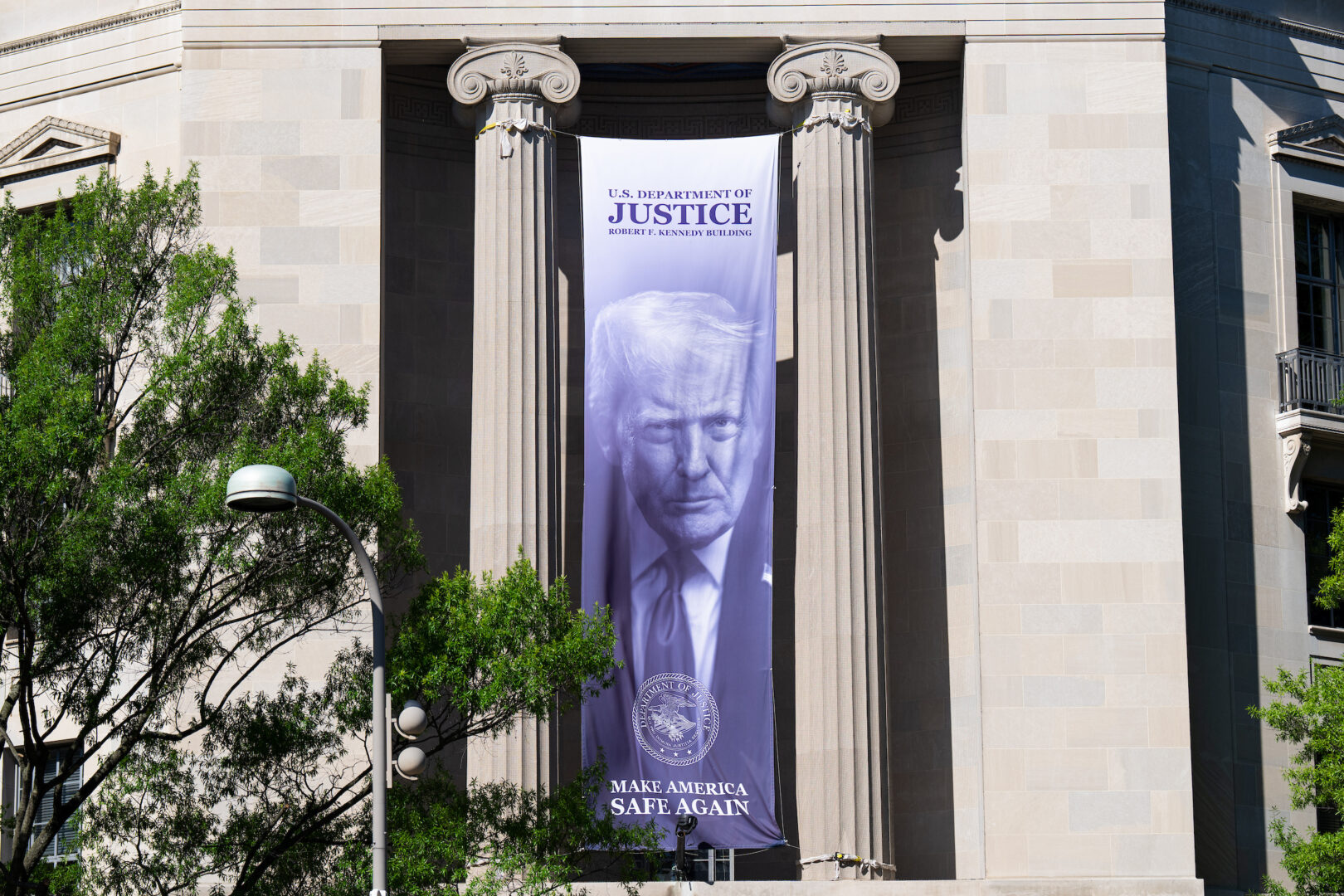 Roll CallThis piece reads center
“more than 20,000 voters in the state may not be citizens”
Read the original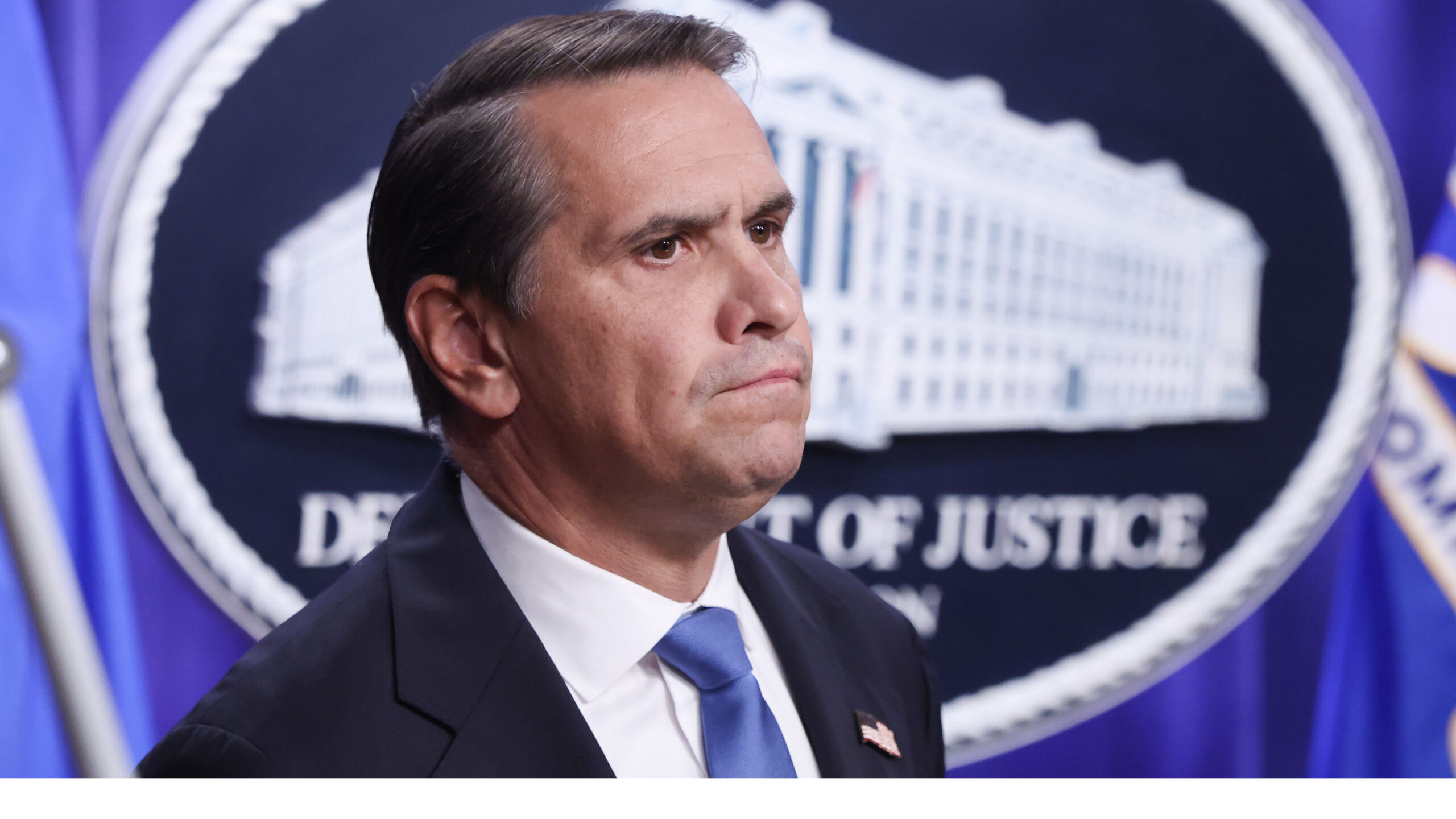 The Daily SignalThis piece reads center-right
“potential "state-facilitated fraud”
FramingFrames California's position as refusal to act, suggesting culpable inaction, whereas other outlets describe the state's disagreement or resistance to the DOJ's specific demand.
Read the original
Placements are generated by an AI model from each article’s own headline and summary, and every quotation above is checked to be a real substring of that article before it is published. How this is done
Prism is free and carries no advertising. Support it if it was useful.