Trump dismisses urgent calls to slow AI development, citing competition with China
Reported by
A dot shows how that piece reads — Prism rates articles, not outlets, and shows the words behind each placement below. No dot means the piece isn’t rated. How the ratings work
What happened
The account the coverage agrees on, with contested figures attributed rather than asserted. This is not one of the five framings below — it is the ground they all stand on.
President Trump dismissed warnings from AI company leaders about rapid development outpacing safety controls. CEOs from Anthropic and OpenAI have called for slower development and new guardrails. Trump said on Sunday that critics conjuring "negative forces" are describing "things that won't happen," and argued the technology will be "more good than bad." House Speaker Mike Johnson rejected calls for emergency legislation. OpenAI CEO Sam Altman announced his company will not go public this year, citing safety concerns.
How the spectrum reads this story
The same event, summarised as five points on the political spectrum would each tend to frame it. These are generated by an AI model and are a starting point, not the last word.
Left
The administration's dismissal of AI safety warnings reflects how corporate interests dominate policy-making. Tech CEOs themselves are acknowledging that uncontrolled development poses existential risks, yet those in power reject any regulatory intervention. This pattern—where industry players call for guardrails but political leaders refuse them—shows that the system prioritizes profits over precaution. Without structural accountability mechanisms, we cannot rely on voluntary restraint from companies or good faith from politicians.
Center-left
AI safety concerns raised by industry leaders deserve serious congressional attention. While innovation matters, the warnings from Anthropic and OpenAI suggest real risks warrant thoughtful guardrails. The Trump administration's blanket rejection of regulatory approaches misses an opportunity for the kind of balanced oversight that could protect both innovation and public safety. Congress should engage substantively with these concerns rather than dismissing them entirely.
Center
There's genuine disagreement about AI's trajectory between credible actors on both sides. Some leading technologists warn of risks; others emphasize opportunity. Trump's confidence in the technology's benefits reflects a real position, not mere obstruction, and the idea that emergency measures are premature isn't unreasonable. At the same time, dismissing all regulatory discussion is shortsighted. The right approach is measured engagement: study the actual risks, consult experts, then craft proportionate rules if warranted—not panic legislation or blanket rejection.
Center-right
Rushing into regulation risks stifling beneficial innovation in a critical technology. Trump is right to be skeptical of alarmism; the history of tech shows fears often don't materialize as predicted. The better path is for industry to police itself through competition and reputational incentives rather than heavy-handed rules that could cede leadership to other countries. Congress should gather facts before legislating, not pass emergency measures based on theoretical concerns.
Right
The push for AI regulation is a trojan horse for expanding government control over the economy and limiting American technological leadership. Alarmist warnings conveniently justify new bureaucracy and restrictions. Trump correctly rejects this overreach. Market competition and corporate accountability work better than regulations written by politicians who don't understand the technology. Other nations would be happy to see us hamstring ourselves with restrictions while they forge ahead.
Hear two viewpoints debate it
Pick two viewpoints and Prism writes a short, six-turn exchange about this story in each one’s own voice — steel-manned, no winner declared. Each pairing is written once and then saved for every reader. The voices are AI syntheses of a tradition, not real people.
New pairing — Prism will write it now.
How each outlet covered it
Where Prism places each piece — not the outlet in general — with the words from that piece that put it there, and the photograph the outlet chose. Picking a photo is a framing decision too.
 CNNThis piece reads center-left
“met with a shrug by Republicans who run Washington”
Word choiceCharacterizes the GOP response as dismissive indifference ('shrug') rather than disagreement—the word choice implies the concerns are being treated casually rather than rejected on their merits.
Read the original France 24This piece reads center
“Trump criticises 'negative forces' seeking to slow AI development”
Word choiceUses 'slammed,' which carries more heat than 'dismissed' or 'pushed back'—the verb makes Trump's response sound more forceful and adversarial.
Read the original ABC Newsnot ratedRead the original
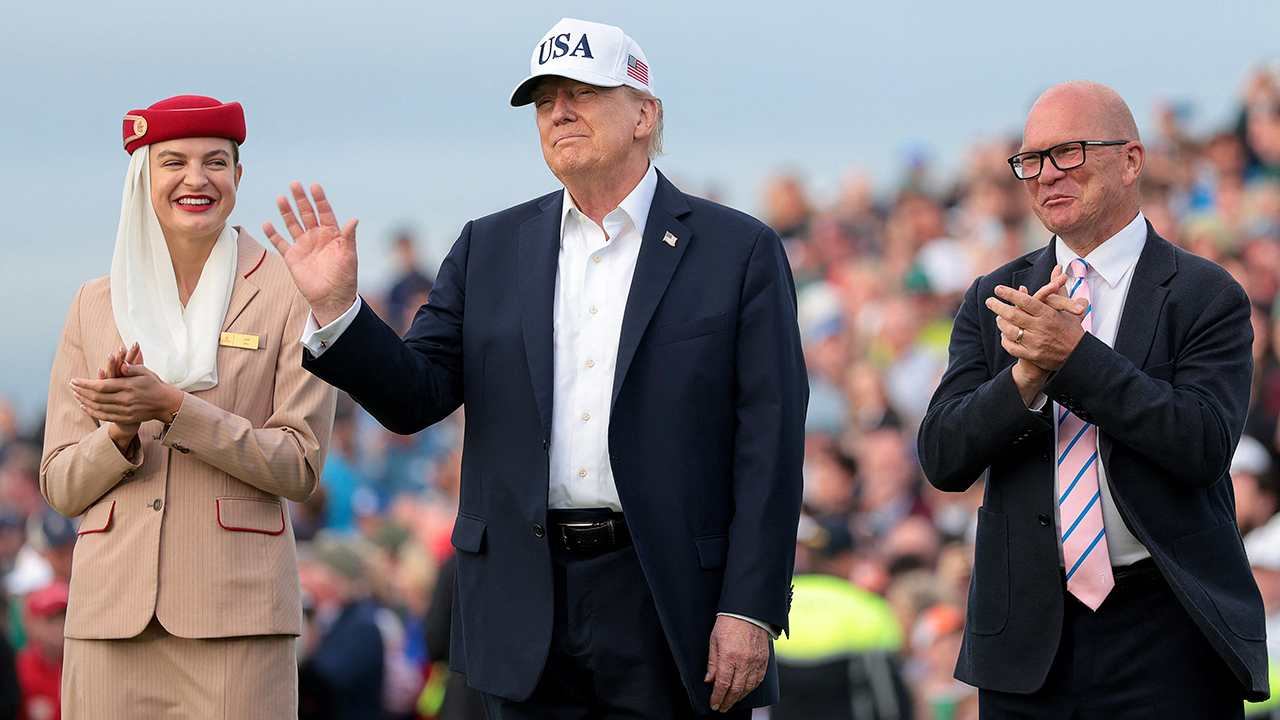 Fox BusinessThis piece reads center-right
“pushed back on Anthropic CEO Dario Amodei's call for an AI slowdown”
Word choiceUses 'pushed back' to describe Trump's response, a more neutral framing than CNN's 'shrug' or 'reject'—it presents his position as a counterargument rather than an act of dismissal.
Read the original
Placements are generated by an AI model from each article’s own headline and summary, and every quotation above is checked to be a real substring of that article before it is published. How this is done
Prism is free and carries no advertising. Support it if it was useful.