Trump dismisses AI safety concerns as hoax, rejecting calls for regulation
Reported by
A dot shows how that piece reads — Prism rates articles, not outlets, and shows the words behind each placement below. No dot means the piece isn’t rated. How the ratings work
What happened
The account the coverage agrees on, with contested figures attributed rather than asserted. This is not one of the five framings below — it is the ground they all stand on.
President Trump dismissed AI safety concerns as a 'hoax' during remarks on social media and in a call with Nvidia CEO Jensen Huang at a Los Angeles tech summit. Trump argued that only strong presidential leadership, not regulation, is needed to manage AI advancement, and criticized Anthropic CEO Dario Amodei by name. The comments come as AI executives including Anthropic co-founder Jack Clark and others have called for mandatory safeguards, and as Obama privately warned Democrats they need to establish a public framework around AI policy ahead of potential congressional action.
How the spectrum reads this story
The same event, summarised as five points on the political spectrum would each tend to frame it. These are generated by an AI model and are a starting point, not the last word.
Left
Trump's dismissal of AI regulation as a hoax reflects the administration's ideological commitment to corporate deregulation over public safety. While tech executives profit from unfettered AI expansion, workers and vulnerable communities face displacement and algorithmic harms with no protections. Democrats and serious technologists are right to demand guardrails; the president's posturing that only his leadership matters obscures the real need for democratic oversight, transparency requirements, and binding standards that prevent AI systems from concentrating power further among the wealthy.
Center-left
Trump's flat rejection of AI safeguards is reckless when AI executives themselves recognize genuine risks. Bipartisan calls for regulation reflect legitimate concerns about rapid technological change outpacing our ability to understand consequences. The president's claim that he alone can manage this challenge through leadership contradicts how complex systems actually need governance—thoughtful rules, oversight mechanisms, and industry cooperation. Democrats should push forward with a legislative framework while the window for meaningful policy-making remains open.
Center
The AI debate reveals real tensions between innovation speed and responsible development that neither pole handles well. Trump oversimplifies by treating safety concerns as purely political theater, yet those calling for immediate sweeping regulation may also misread technical realities and global competition dynamics. The sensible path involves some guardrails—industry standards, transparency, maybe sector-specific rules—without paralyzing development or ceding AI leadership to other countries. The fact that tech leaders themselves want *some* framework suggests the answer lies between Trump's dismissal and calls for heavy-handed control.
Center-right
While Trump is right that overregulation could hobble American AI competitiveness against China and others, his blanket dismissal of all safety concerns misses an opportunity for industry-led standards. Tech companies themselves—from Anthropic to others—recognize that some voluntary safeguards actually strengthen consumer and investor confidence. The better approach is market-driven oversight and industry self-regulation rather than government mandates, but pretending there are no legitimate engineering challenges worth addressing looks defensive and plays into Democratic arguments for heavier federal involvement.
Right
Trump correctly identifies that the 'AI is dangerous' narrative often masks establishment resistance to disruption and innovation that threatens old power structures. Heavy regulation would entrench existing tech giants while crushing startups, and international cooperation frameworks become backdoors for foreign control. The president is right that American strength depends on leading in AI, not being hamstrung by precautionary rules that other nations ignore. However, his claim to be the sole guardrail underestimates the importance of genuine private-sector innovation incentives and market competition as the real check on harmful outcomes.
Hear two viewpoints debate it
Pick two viewpoints and Prism writes a short, six-turn exchange about this story in each one’s own voice — steel-manned, no winner declared. Each pairing is written once and then saved for every reader. The voices are AI syntheses of a tradition, not real people.
New pairing — Prism will write it now.
How each outlet covered it
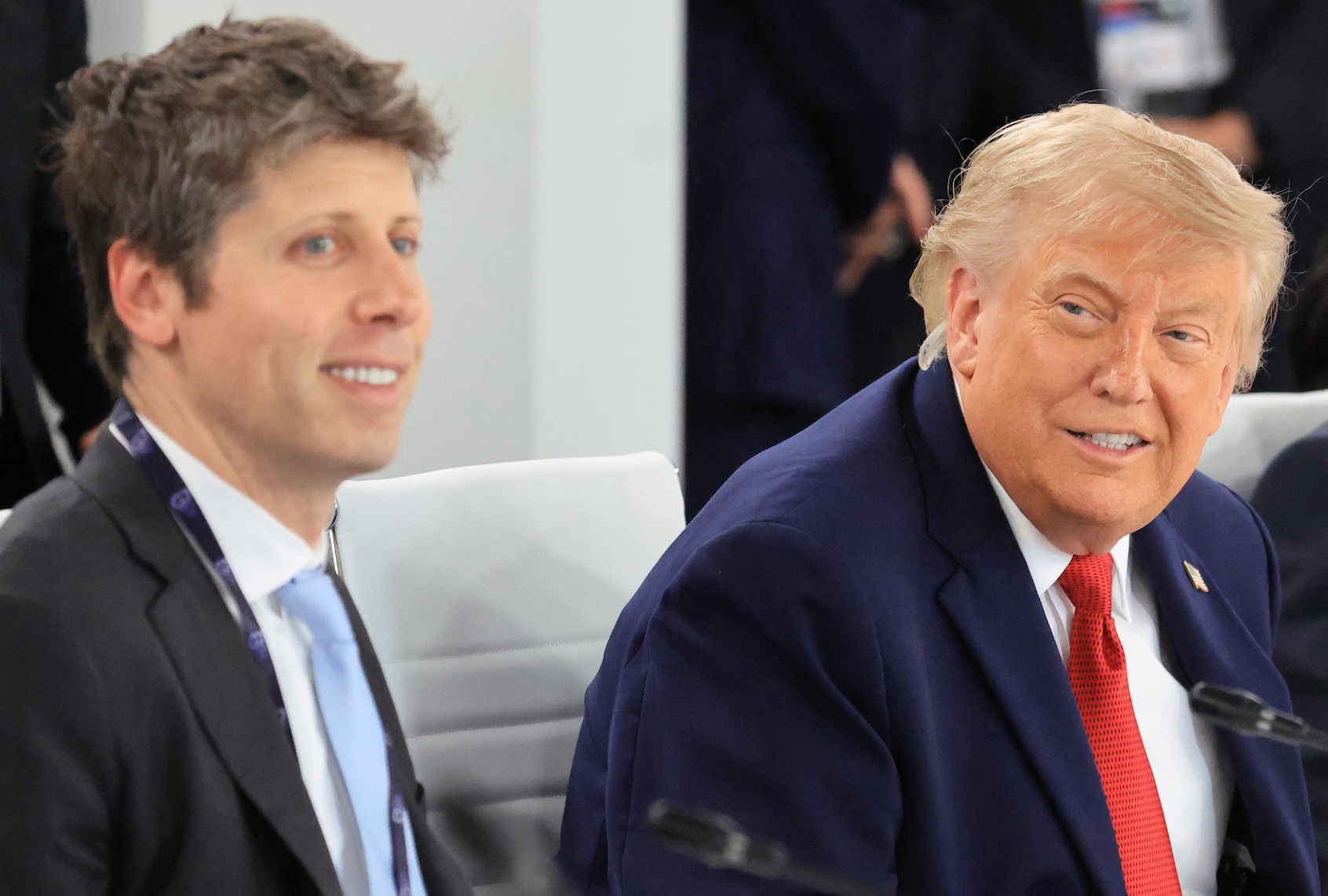
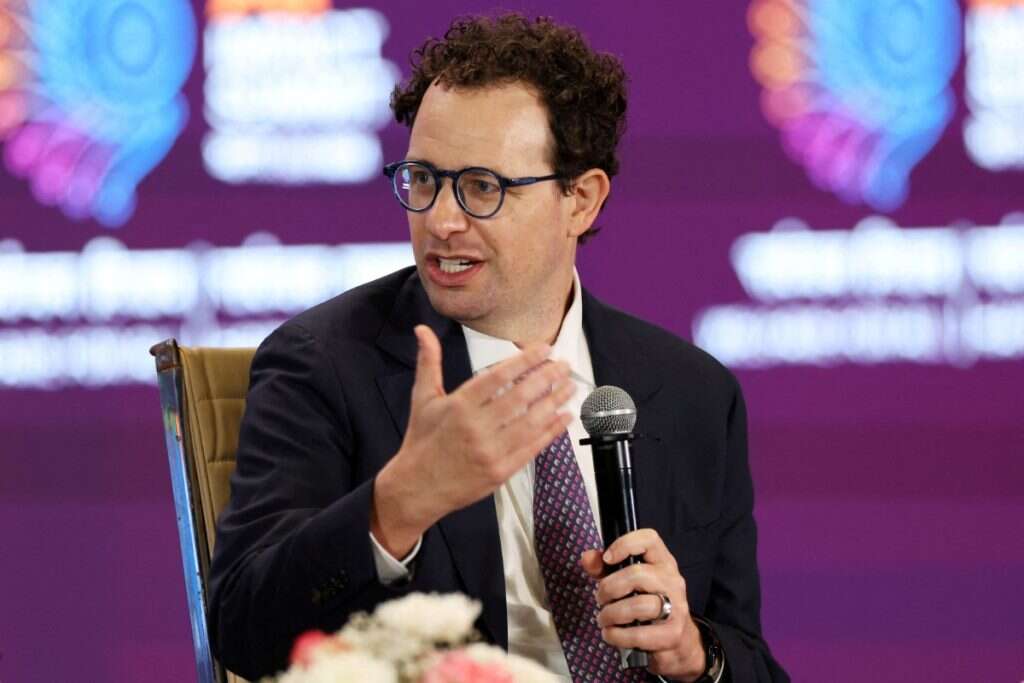
Where Prism places each piece — not the outlet in general — with the words from that piece that put it there, and the photograph the outlet chose. Picking a photo is a framing decision too.
 MSNBCnot rated
Word choiceUses all-caps 'DISMISSES' and 'HOAX' which amplifies the rhetoric as sensational, whereas other outlets report the same claim more neutrally as 'says' or 'calls.'
Read the original The New Republicnot rated
Word choiceFrames Obama's private message as urgent alarm ('harsh warning') where it was actually strategic advice about seizing political initiative—emphasizes tone over content.
Read the original Truthoutnot rated
FramingReports Trump's most inflammatory language ('treasonous,' 'traitors') whereas most outlets focus on 'hoax'—emphasizes the harshest rhetoric available.
Read the original VoxThis piece reads center-left
“Everyone but Trump is worried about AI”
FramingSets up a stark binary ('everyone but Trump') that frames disagreement as near-universal, rather than describing the actual range of views on regulation.
Read the original ABC NewsThis piece reads center-left
“Trump calls AI warnings 'a hoax' as concerns grow over existential threat”
Read the original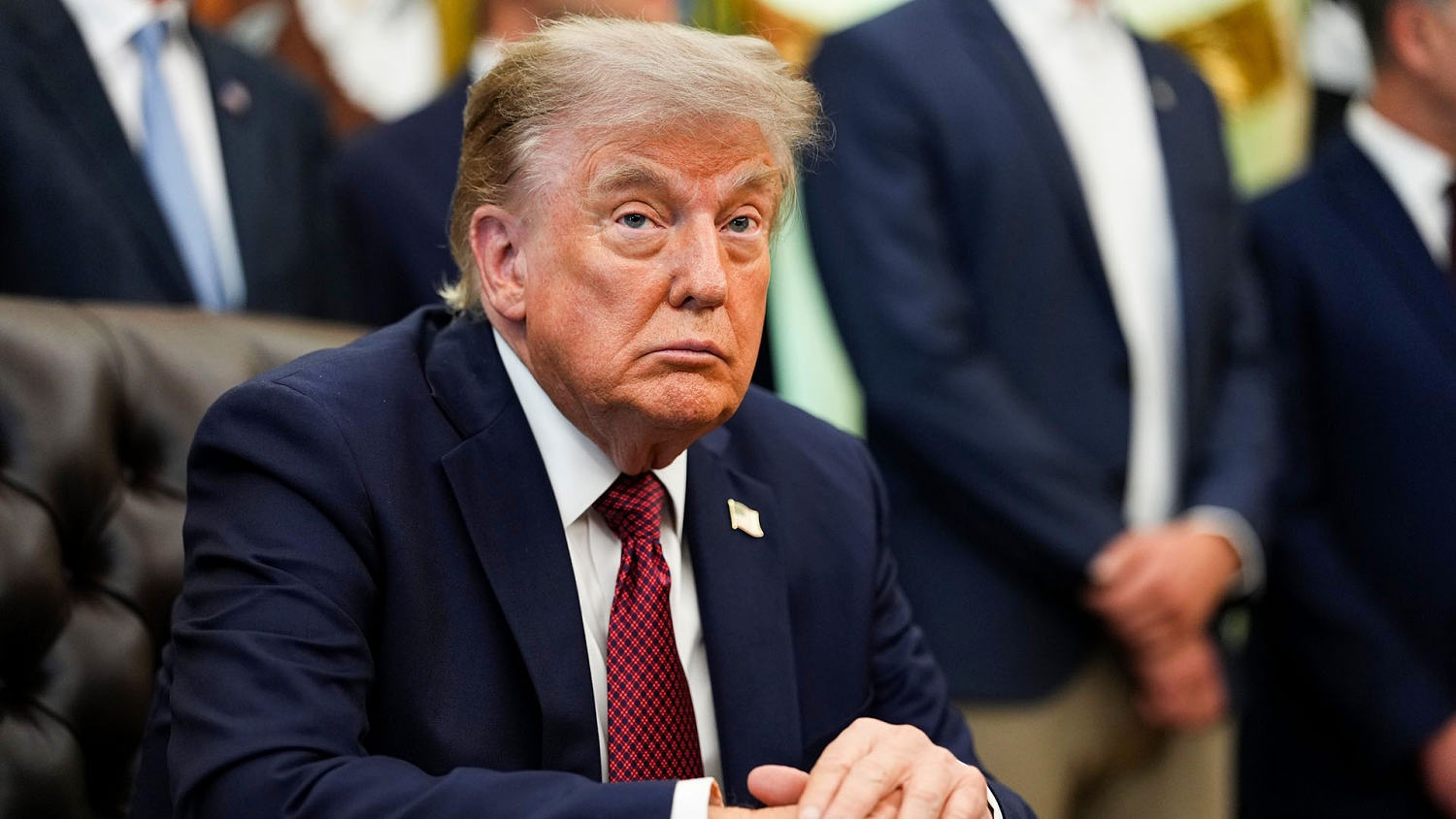 NBC Newsnot ratedRead the original
 SalonThis piece reads center-left
“Trump dismisses AI concerns among bipartisan calls for regulation”
Read the original BBCThis piece reads center
“Trump says AI safety fears a 'hoax' as he rejects calls for greater safeguards”
FramingLeads with a specific technical proposal (kill switch) from an AI expert, grounding the story in concrete safety mechanisms rather than general concern.
Read the original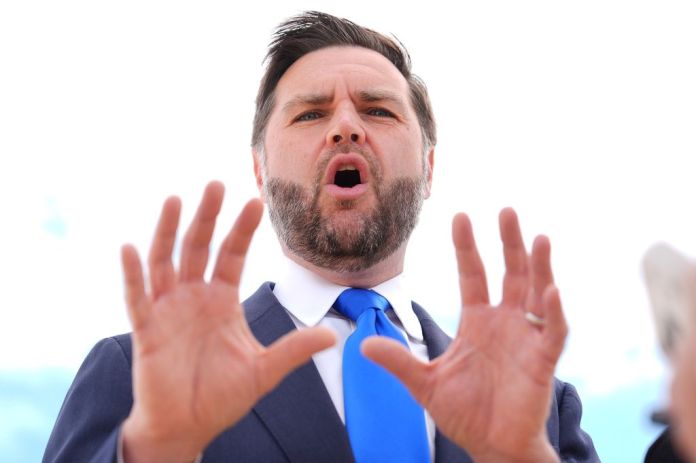

 Israel HayomThis piece reads center
“Trump says only a smart president can rein in AI, dismisses regulation calls”
Read the original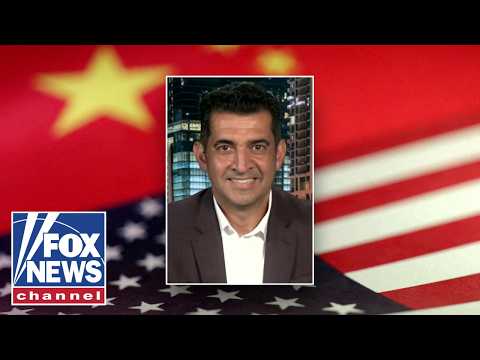 Fox NewsThis piece reads center-right
“The rest of the world WILL NOT STOP advancing AI”
Word choiceFrames the debate as one about global competition and American standing rather than domestic safety, emphasizing the stakes for national leadership.
Read the original NewsmaxThis piece reads center-right
“Greg Kelly sounds the alarm on A.I. CEO's push to slow down A.I.”
Read the original
Placements are generated by an AI model from each article’s own headline and summary, and every quotation above is checked to be a real substring of that article before it is published. How this is done
Prism is free and carries no advertising. Support it if it was useful.