Elon Musk ordered Starlink slowdown for Ukraine military operations
Reported by
A dot shows how that piece reads — Prism rates articles, not outlets, and shows the words behind each placement below. No dot means the piece isn’t rated. How the ratings work

What happened
The account the coverage agrees on, with contested figures attributed rather than asserted. This is not one of the five framings below — it is the ground they all stand on.
Elon Musk ordered a slowdown of Starlink's military-grade service in Ukraine, The Wall Street Journal reported, citing US officials and people familiar with the matter. SpaceX placed limits on some services on October 13 without warning. Musk and President Donald Trump discussed the decision in a call after the slowdown became public. Musk, SpaceX, and the White House did not immediately respond to requests for comment, and Reuters could not immediately verify the report.
How the spectrum reads this story
The same event, summarised as five points on the political spectrum would each tend to frame it. These are generated by an AI model and are a starting point, not the last word.
Left
A billionaire with close ties to the incoming administration unilaterally restricted a critical military communications tool that Ukraine depends on to defend itself against Russian invasion. The timing—coordinated with Trump and announced without notice—suggests this reflects broader policy shifts toward abandoning Ukraine's resistance. This exemplifies how concentrated private power over essential infrastructure poses democratic risks when aligned with political interests.
No article in this story reads this way. This is how the position tends to frame events like it — written by a model, not quoted from anyone.
Center-left
Elon Musk ordered a military Starlink slowdown in Ukraine at a moment when the Trump administration is signaling reduced commitment to Ukrainian support. While the exact circumstances remain unconfirmed, the coincidence of a private company restricting battlefield communications with political figures discussing Ukraine's future raises serious questions about whether private actors should control systems this critical to national defense.
Drawn from 1 article placed here, below.
Center
Elon Musk ordered restrictions on Starlink military services Ukraine relies on, according to reporting Musk and SpaceX have not confirmed. The timing and coordination with Trump merit investigation to understand whether this reflects a deliberate policy shift or separate business decision. Whatever the cause, the episode highlights a structural problem: Ukraine's military communications now depend heavily on a privately controlled system, creating vulnerability to disruption regardless of intent.
Drawn from 3 articles placed here, below.
Center-right
Reports indicate Musk ordered a Starlink slowdown in Ukraine, though SpaceX has not confirmed details. The move aligns with the incoming Trump administration's stated interest in de-escalation and ending the conflict, and may reflect a business decision independent of politics. The reliance on private infrastructure for military communications poses risks that Ukraine and its supporters should have addressed earlier.
No article in this story reads this way. This is how the position tends to frame events like it — written by a model, not quoted from anyone.
Right
Elon Musk restricted Starlink service in Ukraine, a decision that reflects reasonable skepticism about open-ended military support for a foreign conflict. The Trump administration's willingness to reassess Ukraine policy and consider diplomatic solutions is appropriate, and private companies should not be expected to subsidize indefinitely what many see as a proxy conflict with Russia. Restrained involvement serves American interests.
No article in this story reads this way. This is how the position tends to frame events like it — written by a model, not quoted from anyone.
Hear two viewpoints debate it
Pick two viewpoints and Prism writes a short, six-turn exchange about this story in each one’s own voice — steel-manned, no winner declared. Each pairing is written once and then saved for every reader. The voices are AI syntheses of a tradition, not real people.
New pairing — Prism will write it now.
How each outlet covered it
Where Prism places each piece — not the outlet in general — with the words from that piece that put it there, and the photograph the outlet chose. Picking a photo is a framing decision too.
- The Jerusalem PostThis piece reads center-left
“disabled Ukrainian drones, defenses”
Word choiceStates the specific operational consequence—disabled drones and defenses—whereas other outlets describe the slowdown more abstractly, giving readers a sharper picture of what the restriction actually prevented.
Read the original - CNBCThis piece reads center
“Musk and President Donald Trump have both recently criticized Ukrainian”
Read the original 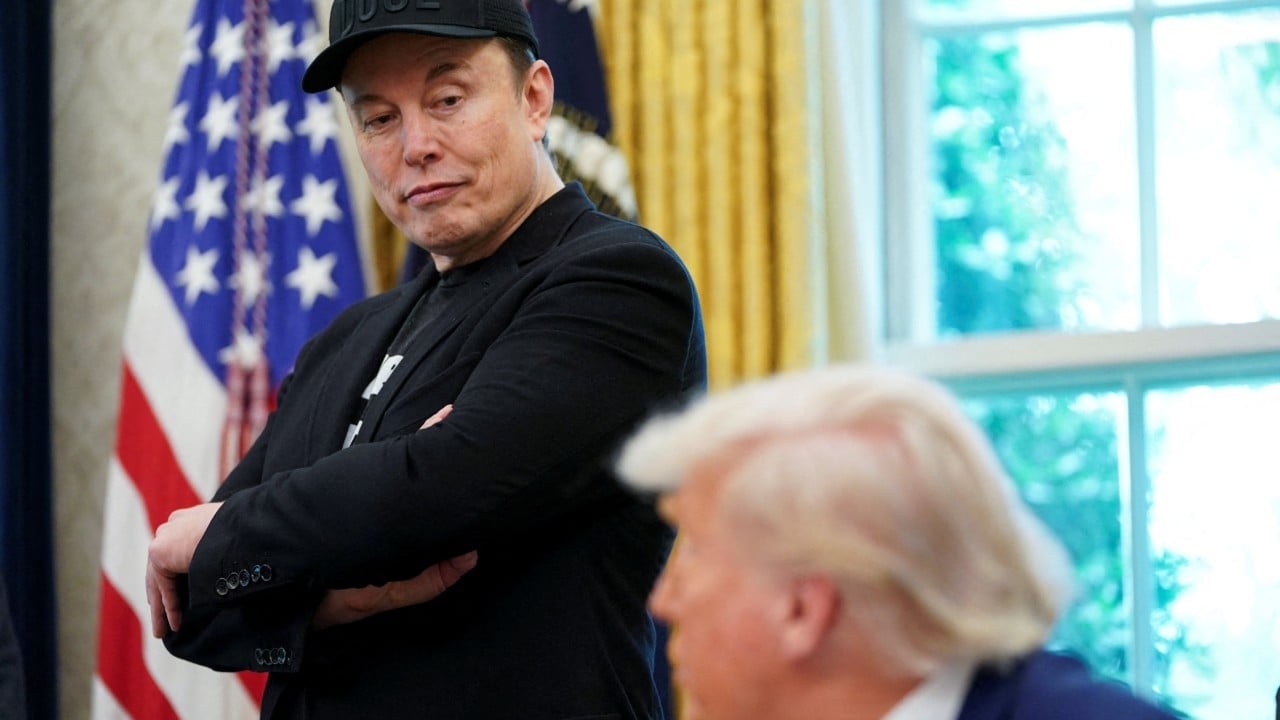 South China Morning PostThis piece reads center
“Reuters could not immediately verify the report”
What's left outExplicitly flags that the core claim remains unverified, a caveat the other outlets do not emphasize as prominently in their opening reporting.
Read the original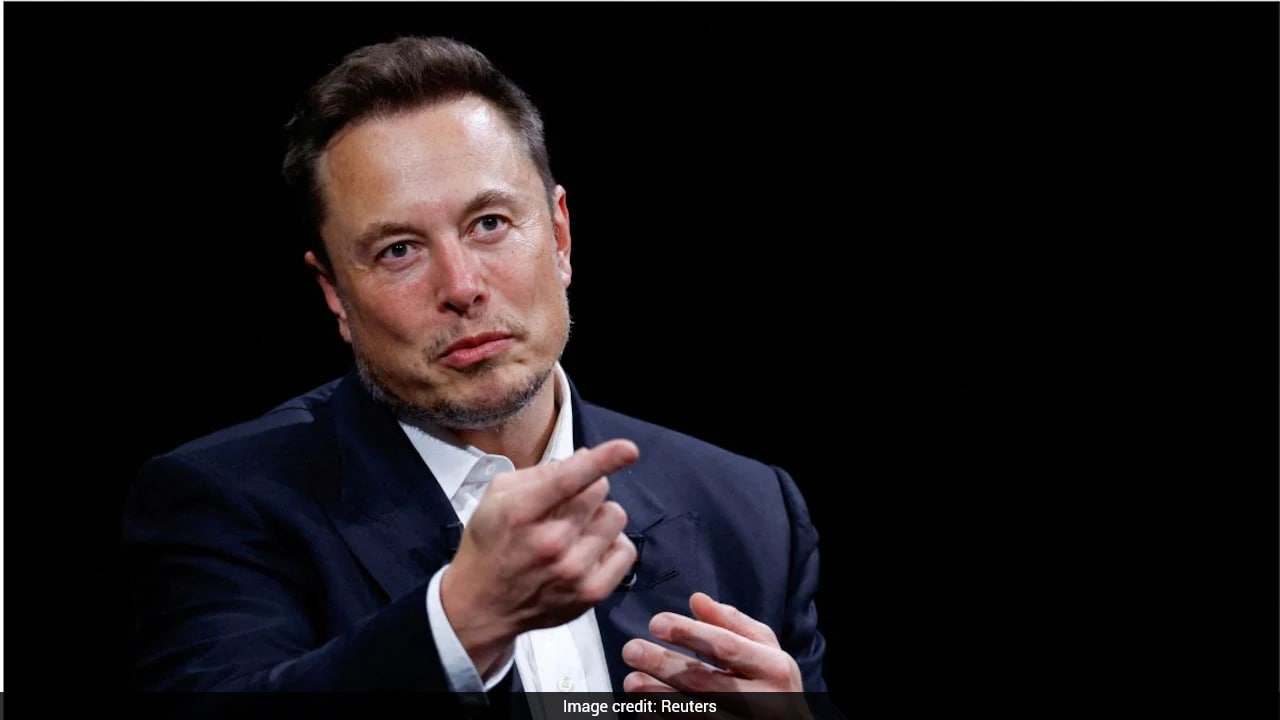 NDTVThis piece reads center
“Elon Musk and US President Donald Trump discussed the Starlink decision”
Read the original
Placements are generated by an AI model from each article’s own headline and summary, and every quotation above is checked to be a real substring of that article before it is published. How this is done
Prism is free and carries no advertising. Support it if it was useful.